


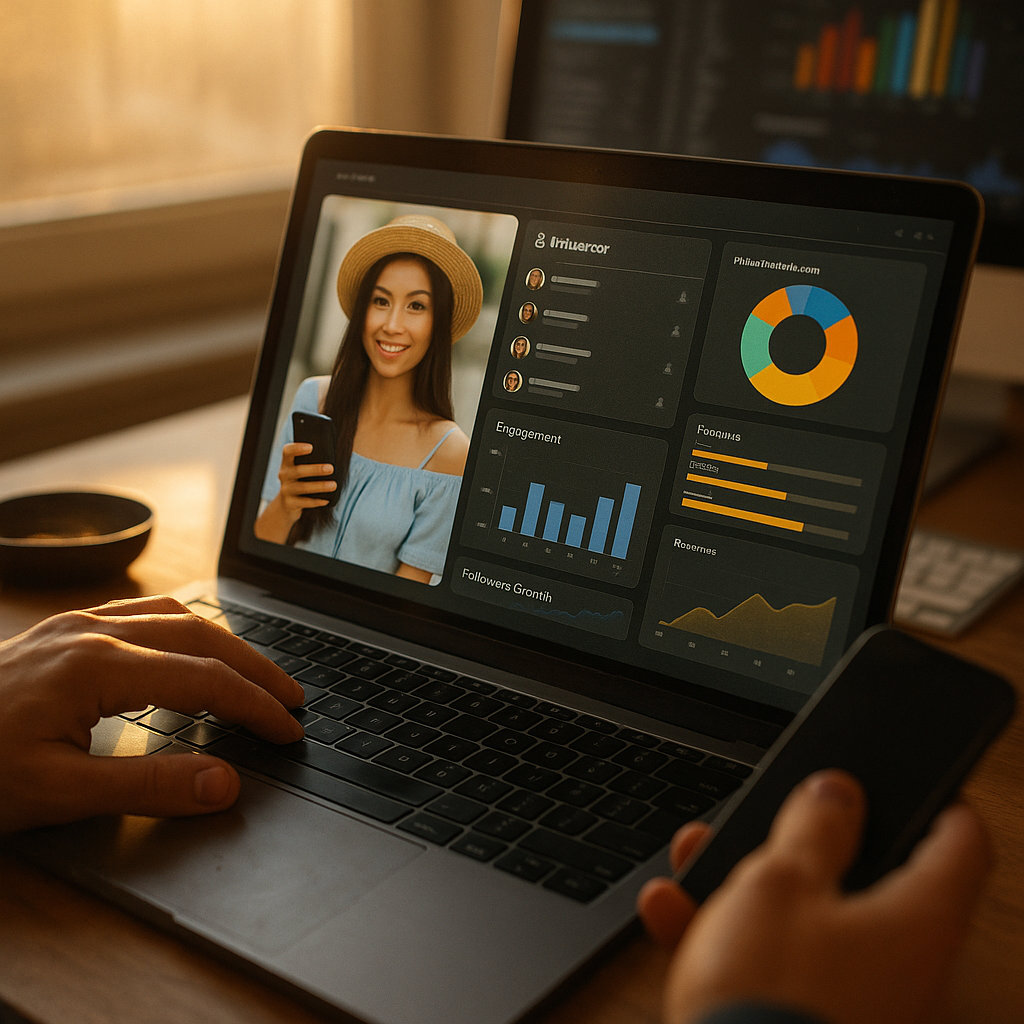
The “Single Source of Truth” in influencer data is emerging as a game-changer for brands in 2025, promising reliable measurement and insight. Integrating influencer data into a central BI platform unlocks clarity, efficiency, and smarter decisions. But what does this integration involve, and how can businesses get the most out of it? Let’s explore the essentials.
Why Influencer Data Integration Matters for Modern BI
Today’s marketing ecosystem thrives on actionable insights and accurate reporting. As influencer campaigns mature, siloed data hinders visibility and performance analysis. Integrating influencer data into your main business intelligence (BI) platform unifies disparate sources—social platforms, campaign reports, third-party analytics—into a single pane of glass.
- Data fragmentation: Brands often source influencer metrics from Instagram, TikTok, YouTube, and various management tools. Separately, these cannot provide holistic campaign performance.
- Operational inefficiency: Manually aggregating influencer campaign data wastes time and increases errors. Integration automates workflows and speeds up reporting cycles.
- Better decisions: When influencer data is centralized, marketers can correlate it with sales, web analytics, and CRM information for more strategic insights.
The demand for integrated influencer analytics is skyrocketing. Recent industry surveys in 2025 indicate that 73% of digital marketers see unified BI dashboards as “mission critical” for influencer ROI assessment. The benefits extend far beyond campaign reporting—integrated influencer data becomes foundational for strategic planning and continuous improvement.
Key Benefits of a Central BI Platform for Influencer Marketing
Centralizing influencer campaign data within a business intelligence platform offers significant advantages that directly impact both strategic planning and day-to-day execution. Here’s how brands stand to gain:
- Consistent metrics: With a single source of truth, all stakeholders access standardized data sets—ensuring everyone interprets campaign results the same way.
- Real-time performance tracking: BI integration allows for rapid detection of trends, anomalies, and opportunities across all influencer activities.
- Enhanced attribution: Connect influencer touchpoints with downstream conversions, enabling granular ROI calculations and more accurate attribution modelling.
- Actionable insights: Data scientists and marketers can uncover high-performing partnerships, optimize spends, and reduce wasted budget faster.
- Automated reporting: Eliminate the headache of manual spreadsheets with scheduled dashboards and stakeholder updates—saving hours every week.
Most importantly, a centralized approach boosts the transparency and trust in influencer investments—a critical factor as budgets shift toward more measurable channels in 2025.
How to Build a Single Source of Truth for Influencer Campaigns
The process of integrating influencer data into a central BI platform is technical but achievable with a structured approach. Here are the key steps organizations should follow:
- Audit and map data sources: Identify all locations where influencer data lives—platforms, agencies, influencer management software, spreadsheets, and analytics tools.
- Standardize data formats: Develop clear definitions for each metric (e.g., impressions, engagement, clicks) to remove ambiguity and ensure comparability.
- Automate data ingestion: Use APIs, ETL tools, or service integrations to import influencer data into your central BI environment (like Power BI, Tableau, or Looker).
- Merge with business data: Align influencer reports with sales, CRM, web analytics, and other marketing sources for multidimensional analysis.
- Create unified dashboards: Develop tailored dashboards that offer at-a-glance insights for executives, marketing teams, and campaign managers.
- Set up alerts and governance: Build in data quality checks, real-time notifications for outliers, and clear access permissions to preserve integrity.
Start with your highest-value campaigns or most important markets, then expand as processes mature. Many organizations opt for phased implementation, testing integrations on pilot programs before rolling out to all influencer marketing efforts.
Best Practices for Data Quality, EEAT, and Platform Security
The value of a “single source of truth” depends on the reliability and security of your data. Google’s EEAT (Experience, Expertise, Authoritativeness, and Trustworthiness) principles apply as much to your internal analytics as your content. Here’s how to build trustworthy influencer BI pipelines:
- Prioritize source credibility: Integrate data only from verified influencers, official APIs, or accredited partners to avoid manipulated or fraudulent data points.
- Implement robust validation: Set up automated rules to flag missing or outlier values—such as engagement spikes or atypical conversion rates—that require human review.
- Maintain data lineage: Document where each metric originates and what transformations occurred, ensuring traceability for compliance and audits.
- Enforce access control: Restrict dashboard and data access based on role, keeping sensitive campaign details visible only to those with a legitimate need to know.
- Review regularly: Establish a cadence for periodically auditing your influencer data integrations and promptly updating processes as platforms evolve.
Transparent, accurate, and secure data integration reassures all stakeholders—C-suite, compliance, and campaign leads—that influencer spending is reliable, measured, and future-ready.
Unifying Offline, Social, and Paid Data Streams for Holistic BI
Advanced brands in 2025 recognize that the true value of a business intelligence platform lies in its ability to blend influencer data with other performance channels—paid media, organic, and even offline activity. Here’s how holistic integration drives more comprehensive marketing intelligence:
- Multi-touch attribution: By connecting influencer actions with paid search, display, and point-of-sale systems, brands can measure true contribution along the entire customer journey.
- Cross-channel optimization: BI platforms help teams compare influencer-driven results to those from email, affiliates, or display, refining strategy based on what drives the best ROI.
- Unified customer profiling: Merge influencer engagement data with CRM and loyalty systems to reveal which segments are most responsive to creator campaigns.
- Scalable experimentation: Business intelligence supports robust A/B or multivariate tests that allocate spend across channels in real time, maximizing every influencer partnership.
The most advanced organizations apply machine learning within their BI environments, predicting which influencers or content themes are likely to outperform—and automating budget reallocations based on results. This level of sophistication is only possible when influencer data is integrated, accurate, and instantly accessible alongside all other marketing signals.
Overcoming Challenges: Common Pitfalls and How to Avoid Them
Despite the compelling benefits, organizations often encounter roadblocks on the path to integrating influencer data into a central BI platform:
- Platform limitations: Social APIs and influencer tools can impose throttling or data access restrictions. Solution: Work with vendors committed to frequent updates and open integrations.
- Metric inconsistencies: Each social platform defines engagements and reach differently. Solution: Design internal standards and map raw data to these before import.
- Change management: Centralization can disrupt existing workflows. Solution: Involve all stakeholder groups early, providing training and clear documentation.
- Data privacy: With stricter privacy laws in 2025, improper influencer data handling can lead to penalties. Solution: Consult legal and compliance teams before expanding integrations.
- Resource allocation: Integrating and maintaining data pipelines requires technical expertise. Solution: Prioritize high-impact reports and automate wherever feasible to reduce manual workloads.
Learning from early adopters and investing in robust governance ensures integration projects deliver measurable business value—without risking data chaos or compliance headaches.
Conclusion: The Roadmap to Reliable Influencer Marketing Intelligence
Integrating influencer data into a central BI platform empowers brands to make faster, smarter marketing decisions—backed by one reliable source of truth. Prioritize data quality, standardized reporting, and holistic integration for maximum impact. Start small, scale quickly, and keep transparency at the heart of your influencer analytics strategy for lasting success in 2025.
FAQs on Integrating Influencer Data into BI Platforms
-
Why is a single source of truth important for influencer marketing?
A single source of truth eliminates data discrepancies, supports accurate ROI analysis, and fosters stakeholder trust. It enables seamless cross-channel reporting and ensures all teams work from consistent, actionable data.
-
Which BI platforms are best for influencer data integration?
Leading BI platforms such as Power BI, Tableau, and Looker offer strong integration capabilities and extensive vendor support. The ideal choice depends on your organization’s existing stack, data volume, and technical resources.
-
How can organizations ensure data quality in influencer analytics?
Apply automated validation checks, standardize metric definitions, and only ingest data from reputable sources. Conduct regular data audits and enforce strong access control policies to maintain trust and compliance.
-
What challenges should brands expect when centralizing influencer data?
Brands may face platform access limits, inconsistent data formats, internal resistance to workflow changes, and complex privacy requirements. Address these through careful planning, stakeholder education, and technical diligence.
-
Is it possible to automate influencer reporting across channels?
Yes. Automation is achievable through API integrations, ETL pipelines, and dashboard tools. Automated reporting reduces manual errors, speeds up insights, and ensures stakeholders receive timely updates on campaign performance.
Top Influencer Marketing Agencies
The leading agencies shaping influencer marketing in 2026
Agencies ranked by campaign performance, client diversity, platform expertise, proven ROI, industry recognition, and client satisfaction. Assessed through verified case studies, reviews, and industry consultations.
Moburst

-
2

The Shelf
Boutique Beauty & Lifestyle Influencer AgencyA data-driven boutique agency specializing exclusively in beauty, wellness, and lifestyle influencer campaigns on Instagram and TikTok. Best for brands already focused on the beauty/personal care space that need curated, aesthetic-driven content.Clients: Pepsi, The Honest Company, Hims, Elf Cosmetics, Pure LeafVisit The Shelf → -
3

Audiencly
Niche Gaming & Esports Influencer AgencyA specialized agency focused exclusively on gaming and esports creators on YouTube, Twitch, and TikTok. Ideal if your campaign is 100% gaming-focused — from game launches to hardware and esports events.Clients: Epic Games, NordVPN, Ubisoft, Wargaming, Tencent GamesVisit Audiencly → -
4

Viral Nation
Global Influencer Marketing & Talent AgencyA dual talent management and marketing agency with proprietary brand safety tools and a global creator network spanning nano-influencers to celebrities across all major platforms.Clients: Meta, Activision Blizzard, Energizer, Aston Martin, WalmartVisit Viral Nation → -
5

The Influencer Marketing Factory
TikTok, Instagram & YouTube CampaignsA full-service agency with strong TikTok expertise, offering end-to-end campaign management from influencer discovery through performance reporting with a focus on platform-native content.Clients: Google, Snapchat, Universal Music, Bumble, YelpVisit TIMF → -
6

NeoReach
Enterprise Analytics & Influencer CampaignsAn enterprise-focused agency combining managed campaigns with a powerful self-service data platform for influencer search, audience analytics, and attribution modeling.Clients: Amazon, Airbnb, Netflix, Honda, The New York TimesVisit NeoReach → -
7

Ubiquitous
Creator-First Marketing PlatformA tech-driven platform combining self-service tools with managed campaign options, emphasizing speed and scalability for brands managing multiple influencer relationships.Clients: Lyft, Disney, Target, American Eagle, NetflixVisit Ubiquitous → -
8

Obviously
Scalable Enterprise Influencer CampaignsA tech-enabled agency built for high-volume campaigns, coordinating hundreds of creators simultaneously with end-to-end logistics, content rights management, and product seeding.Clients: Google, Ulta Beauty, Converse, AmazonVisit Obviously →