


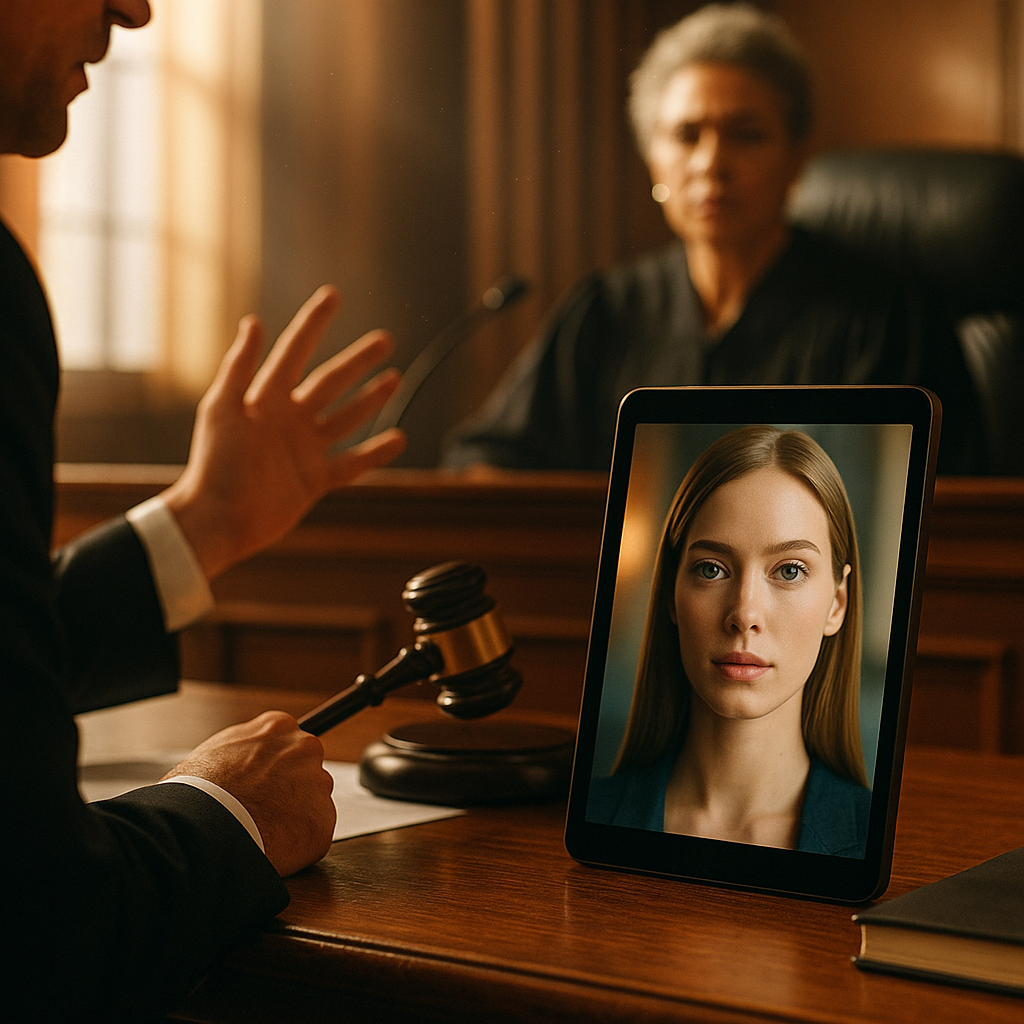
The legal implications of brands using “AI influencers” trained on public data are rapidly evolving in 2025, prompting marketers, creatives, and legal teams to rethink strategies. As synthetic personalities engage millions, ethical boundaries blur—and the law struggles to keep up. What do brands need to know before deploying an AI face to represent their message? Read on for crucial insights.
Understanding AI Influencers and the Role of Public Data
AI influencers—also known as virtual or synthetic influencers—are digital personas generated using artificial intelligence. They often appear on social media, interact with users, and represent brands in campaigns. These AI personas are typically trained on vast datasets harvested from public online content, including text, images, videos, and even voice samples.
Utilizing public data streamlines the development of AI influencers, enabling them to mimic human-like conversation, facial expressions, and cultural trends. However, the data’s “public” label does not automatically exempt brands from legal scrutiny. In 2025, as AI-generated public figures become more sophisticated and lifelike, both consumers and regulators are mobilizing to challenge practices around their creation and deployment.
Key Takeaway: While leveraging public data accelerates AI influencer development, brands must carefully consider where the data comes from and who it references. The apparent accessibility of public content can mask complicated legal and ethical issues.
Navigating Copyright Laws and Data Ownership
One of the primary legal concerns is the intersection between copyright laws and data ownership. When AI models are trained on publicly available images, videos, and text, there’s a risk of inadvertently using protected works without explicit permission. Even content that appears to be in the public domain may still be subject to copyright, especially in jurisdictions with robust intellectual property frameworks.
Recent litigation has shown courts increasingly scrutinizing how AI systems ingest and reproduce creative works. In practice, this means brands deploying AI influencers must:
- Conduct audits on training data sources to avoid infringing on copyrighted material
- Secure licenses or opt for datasets that offer clear consent mechanisms
- Remain vigilant regarding the risk of “style mimicry,” which may be legally actionable if an influencer closely emulates a living artist’s trademarked persona or creations
EEAT Principle: Adhering strictly to copyright law not only protects brands from litigation but also upholds the trust and authority necessary in responsible AI marketing campaigns.
Privacy Rights and Public Data: Where Is the Line?
In 2025, privacy law continues to tighten, with landmark regulations—such as the EU’s Artificial Intelligence Act and enhanced iterations of US data regulations—clarifying individuals’ rights over the use of their likeness and data. Even if information is “public,” individuals retain rights regarding the depiction of their image, voice, or likeness within new AI-driven contexts.
Brands risk violating privacy laws—such as the right of publicity—if AI influencers are trained on or closely resemble real people without their consent. This can result in claims of misappropriation, especially if the AI influencer’s outputs include recognizable characteristics of named individuals, celebrities, or private citizens.
Considerations for Brands:
- Audit training sets for references to real individuals’ biometrics, names, and identifying features
- Implement filters to prevent AI influencers from generating outputs that emulate or reference specific people without authorization
- Stay abreast of privacy law developments at international, federal, and state levels
Case law is still taking shape, yet the trend is clear: “public” data is not carte blanche for AI exploitation. Transparent and proactive compliance demonstrates respect for privacy and curbs potential reputational damage.
Brand Reputation, Ethics, and Consumer Trust in 2025
With consumer skepticism toward inauthenticity at an all-time high, ethical AI deployment is just as critical as legal compliance. In 2025, audiences expect brands to disclose when they use AI influencers and to respect the personal rights embedded in public data.
Recent surveys from global marketing think tanks reveal that 72% of digital consumers expect transparency regarding virtual endorsements. Failure to do so can invite backlash or regulatory fines under false advertising and unfair competition laws.
Protecting Brand Image:
- Clearly disclose the AI nature of influencers in all campaigns
- Establish strong internal governance and oversight over AI influencer content
- Engage external audits to ensure ongoing compliance and ethical practice
Proactive transparency isn’t just good practice—it’s become a legal necessity under new regulations. Demonstrating care around public data and AI use strengthens consumer trust and sets brands apart from competitors who cut corners.
International Regulations and Cross-Jurisdictional Risks
AI influencer campaigns are rarely confined to a single country, making compliance a complicated, cross-jurisdictional challenge. While some nations have enacted AI-specific laws (such as the EU’s Artificial Intelligence Act), others rely heavily on traditional intellectual property and privacy frameworks, creating a complex tapestry of obligations.
Key 2025 regulatory developments influencing brands include:
- Stricter EU scrutiny of AI influencer training datasets to prevent unauthorized use of European citizens’ data
- Growing litigation in the US over “deepfakes” and AI impersonation
- Emergence of public database rights in select Asia-Pacific markets, offering additional protections over aggregated public data
Operational Steps for Global Brands:
- Deploy centralized legal review for all AI influencer campaigns
- Customize compliance protocols for each market’s standards
- Monitor regulatory updates and litigation trends through 2025 and beyond
Brands must plan for a patchwork of legal responsibilities, often necessitating expert legal advice and flexible compliance infrastructure to avoid costly missteps and ensure international best practices.
Best Practices for Minimizing Legal Exposure with AI Influencers
For brands eager to harness the marketing power of AI influencers while minimizing legal risk, a proactive and ethical approach is essential. Experts recommend a blend of technical safeguards, process protocols, and ongoing monitoring. Here’s a summary of core tactics:
- Obtain explicit consent wherever feasible: Work with data providers that verify and document rights and permissions.
- Use synthetic or licensed datasets: Favor data sources specifically created for AI training with unambiguous usage rights.
- Establish real-time monitoring: Implement automated tools to flag and filter training data or influencer outputs that resemble unauthorized individuals or contain copyrighted material.
- Maintain a clear audit trail: Document all processes and decisions around data sourcing, influencer design, and campaign management for future legal reference.
- Educate stakeholders: Regularly update legal, marketing, and technical teams on changing regulations, liabilities, and ethical considerations.
By embedding these practices within marketing and development workflows, brands can enjoy the creative and commercial advantages of AI influencers without courting legal trouble.
Conclusion: Navigating Uncharted Legal Terrain with Confidence
Brands deploying AI influencers trained on public data in 2025 face complex legal, ethical, and reputational stakes. Staying proactive with copyright, privacy, and transparency—while respecting the fast-evolving legal landscape—protects both consumers and corporate reputation. Vigilant, values-driven strategy isn’t just smart—it’s essential for success in AI-powered marketing.
FAQs About the Legal Implications of AI Influencers Trained on Public Data
-
Can brands freely use public social media content to train AI influencers?
No. Even if content is public, copyright and privacy rights may apply. Brands should seek permission or use licensed datasets to reduce legal risks.
-
Is disclosure required when using AI influencers?
In most jurisdictions, yes. Regulations increasingly require brands to be transparent when deploying AI-generated personas in marketing campaigns.
-
What legal risks do AI influencers pose if they resemble real individuals?
If an AI influencer mimics the appearance, voice, or style of a person without consent, brands risk lawsuits for misappropriation, likeness infringement, or defamation.
-
How can brands minimize legal issues with AI influencers?
Use licensed datasets, obtain clear consents, monitor outputs for resemblance to real people, and stay current with laws in every operating region.
-
Are there penalties for non-compliance when using AI influencers?
Yes. Brands may face hefty fines, public backlash, and even litigation if found in violation of privacy, copyright, or consumer protection laws.
Top Influencer Marketing Agencies
The leading agencies shaping influencer marketing in 2026
Agencies ranked by campaign performance, client diversity, platform expertise, proven ROI, industry recognition, and client satisfaction. Assessed through verified case studies, reviews, and industry consultations.
Moburst

-
2

The Shelf
Boutique Beauty & Lifestyle Influencer AgencyA data-driven boutique agency specializing exclusively in beauty, wellness, and lifestyle influencer campaigns on Instagram and TikTok. Best for brands already focused on the beauty/personal care space that need curated, aesthetic-driven content.Clients: Pepsi, The Honest Company, Hims, Elf Cosmetics, Pure LeafVisit The Shelf → -
3

Audiencly
Niche Gaming & Esports Influencer AgencyA specialized agency focused exclusively on gaming and esports creators on YouTube, Twitch, and TikTok. Ideal if your campaign is 100% gaming-focused — from game launches to hardware and esports events.Clients: Epic Games, NordVPN, Ubisoft, Wargaming, Tencent GamesVisit Audiencly → -
4

Viral Nation
Global Influencer Marketing & Talent AgencyA dual talent management and marketing agency with proprietary brand safety tools and a global creator network spanning nano-influencers to celebrities across all major platforms.Clients: Meta, Activision Blizzard, Energizer, Aston Martin, WalmartVisit Viral Nation → -
5

The Influencer Marketing Factory
TikTok, Instagram & YouTube CampaignsA full-service agency with strong TikTok expertise, offering end-to-end campaign management from influencer discovery through performance reporting with a focus on platform-native content.Clients: Google, Snapchat, Universal Music, Bumble, YelpVisit TIMF → -
6

NeoReach
Enterprise Analytics & Influencer CampaignsAn enterprise-focused agency combining managed campaigns with a powerful self-service data platform for influencer search, audience analytics, and attribution modeling.Clients: Amazon, Airbnb, Netflix, Honda, The New York TimesVisit NeoReach → -
7

Ubiquitous
Creator-First Marketing PlatformA tech-driven platform combining self-service tools with managed campaign options, emphasizing speed and scalability for brands managing multiple influencer relationships.Clients: Lyft, Disney, Target, American Eagle, NetflixVisit Ubiquitous → -
8

Obviously
Scalable Enterprise Influencer CampaignsA tech-enabled agency built for high-volume campaigns, coordinating hundreds of creators simultaneously with end-to-end logistics, content rights management, and product seeding.Clients: Google, Ulta Beauty, Converse, AmazonVisit Obviously →