


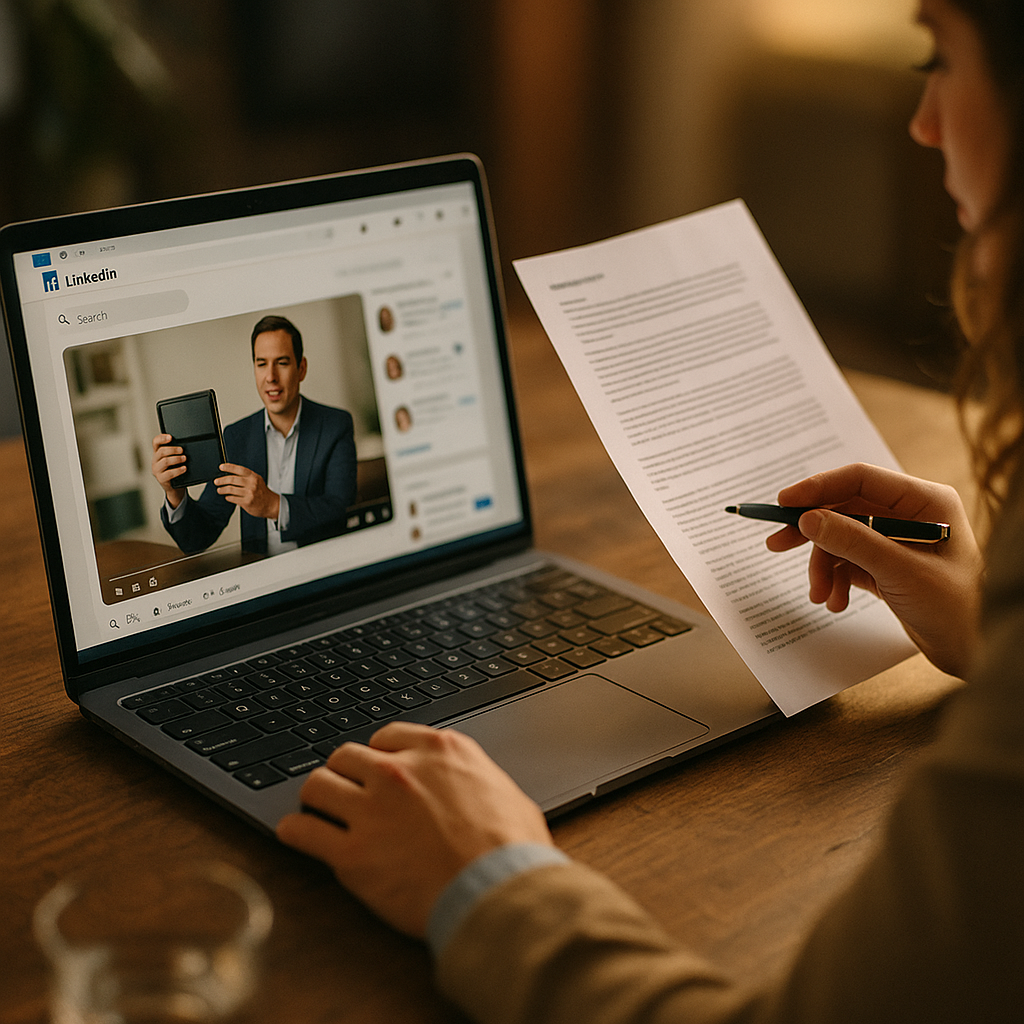
LinkedIn influencer content generated an estimated $1.7 billion in brand spend last year, and almost none of it gets the disclosure scrutiny that TikTok and Instagram content receives. That gap won’t last. If your B2B creator program includes product demos, screen recordings, or “I tried this tool” posts, you’re sitting on undisclosed material connection risk right now, whether you realize it or not.
LinkedIn feels different. It’s professional, text-heavy, low on the influencer theatrics we associate with FTC crackdowns. That perception is exactly why brands get sloppy there. The FTC doesn’t care about platform vibe. It cares about whether a reasonable viewer would want to know that money, product, or access changed hands. This article gives you a working framework for figuring out when a LinkedIn demo crosses that line, and what to do before your legal team finds out from a regulator instead of from you.
Why LinkedIn Demos Are a Different Animal
Instagram unboxings and TikTok hauls are visually obvious endorsements. A LinkedIn “here’s how I use this platform for lead gen” post reads like professional commentary. That’s the trap. The format looks like organic expertise-sharing even when it’s paid, gifted, or incentivized through an affiliate structure.
Software companies, martech vendors, and SaaS platforms have leaned hard into LinkedIn creator programs specifically because the content doesn’t feel like advertising. Creators walk through dashboards, share screen recordings of workflows, post “unsponsored” comparisons between tools. Some of it genuinely is unsponsored. A lot of it isn’t, and the line between “I bought this and love it” and “I was given free access and told what to highlight” gets blurry fast.
The FTC’s material connection standard doesn’t ask whether content looks like an ad. It asks whether the audience has information that would change how they weigh the endorsement. On LinkedIn, that information gap is often wider than on any other platform.
The Legal Test, Broken Down
The FTC’s Endorsement Guides (last substantially revised with updated examples covering digital and virtual contexts) set the core standard: a material connection exists whenever the relationship between the endorser and the brand might affect the credibility the audience gives to the endorsement. That’s deliberately broad. It covers cash payments, free products, affiliate commissions, agency relationships, even ongoing “creator partner” designations that come with perks like early access or event invites.
For LinkedIn product demos specifically, run every piece of content through these four questions:
- Was there an exchange of value? Cash, free subscription, extended trial, swag, conference tickets, or even a personal relationship with someone at the company all count.
- Did the brand have any input on the content? Provided talking points, requested specific features be shown, reviewed the post before publishing, gave a script or outline.
- Is there an ongoing relationship? A one-time gifted trial is different from a 12-month ambassador arrangement, and the FTC treats recurring arrangements as higher-risk for undisclosed bias.
- Would disclosure change audience trust? This is the ultimate test. If a viewer would evaluate the demo differently knowing about the relationship, it’s material.
Answer yes to any of these, and you’re in disclosure territory. Answer yes to two or more, and you need airtight, unambiguous language, not a vague “thanks to [Company] for the access” buried in a hashtag string at the bottom of a 400-word post.
Where Brands Get This Wrong on LinkedIn
Three patterns show up constantly in B2B creator programs, and each one creates real exposure.
First, the “ambassador” loophole. Brands set up long-term creator relationships, call them “community partners” or “product advisors” instead of paid influencers, and assume the softer label exempts them from disclosure rules. It doesn’t. The FTC looks at substance, not job titles. If there’s compensation, free access, or brand input, the relationship needs disclosure regardless of what the contract calls it.
Second, disclosure placement that technically exists but functionally fails. A “#partner” tag at the end of a long LinkedIn post, after three paragraphs of narrative and a demo video, doesn’t meet the “clear and conspicuous” standard. The FTC has been explicit that disclosures need to appear where audiences will actually see them, not buried where only the most persistent readers will scroll to find them. This mirrors the exact problem we’ve covered with platform toggle features that don’t satisfy legal requirements on their own.
Third, treating LinkedIn’s professional tone as a disclosure substitute. Some brands assume that because the audience is “sophisticated” B2B buyers, they’ll naturally assume commercial motive and don’t need explicit disclosure. The FTC has never accepted an audience-sophistication defense. Marketing directors and CMOs are just as entitled to disclosure as consumer shoppers.
Script Control Changes the Risk Calculus
Here’s where things get sharper for demo content specifically. Product demos are inherently more scripted than lifestyle content. Brands often provide feature lists, key differentiators to mention, competitor comparisons to avoid, even specific phrases (“seamless integration,” “no-code setup”) they want repeated across creator content for consistency.
That level of input is a red flag for two reasons. It strengthens the case that a material connection exists (input equals influence), and it opens up separate liability under substantiation rules, since the brand is now effectively making claims through the creator’s mouth. We’ve dug into this exact dynamic in line-by-line script approval risk, and the same logic applies directly to LinkedIn demo videos. If your legal or brand team is reviewing draft posts and requesting specific feature callouts, you’ve moved from “endorsement” into something closer to a co-authored ad, and your disclosure and substantiation obligations tighten accordingly.
Contract audits matter here too. If your creator agreements were drafted for lifestyle or UGC content and not adapted for B2B demo formats, you likely have gaps. A contract audit before renewal is the cheapest insurance you’ll buy this year.
What “Clear and Conspicuous” Actually Means on LinkedIn
LinkedIn’s format creates unique disclosure challenges. Posts mix text, video, images, and comments in ways that other platforms don’t. Here’s a practical breakdown of where disclosure needs to live:
- In-post text: The disclosure should appear in the first two lines, before the “see more” cutoff. LinkedIn truncates posts after roughly 140 characters on mobile, so anything after that point functionally doesn’t exist for a scrolling reader.
- In-video demos: If the demo is a video, disclosure needs a verbal mention near the start, plus on-screen text sustained for the relevant portion, not a one-frame flash at the beginning.
- Native document/carousel posts: Disclosure belongs on the first slide, not buried in slide seven of a ten-slide carousel walking through a product’s features.
- LinkedIn Live and events: Verbal disclosure at the start and restated periodically during longer sessions, similar to the standards we’ve outlined for livestream disclosure timing on other platforms.
Generic hashtags like #ad or #sponsored work, but only when they’re unambiguous and prominent. “#collab” or “#partner” alone have been flagged by the FTC as insufficiently clear, since audiences may not understand they signal a paid relationship.
Building an Internal Review Framework
You don’t need outside counsel reviewing every LinkedIn post. You need a repeatable internal screen that flags high-risk content before it publishes. A workable version looks like this:
Step one: classify the relationship. Paid, gifted, ambassador, affiliate, or genuinely organic with zero brand contact. Document this for every piece of creator content touching your product.
Step two: score the content input level. Did the brand supply a script, talking points, footage, or product access with conditions attached? Higher input means higher disclosure obligation, full stop.
Step three: check placement against platform-specific rules, using the LinkedIn breakdown above rather than assuming Instagram or TikTok norms transfer over.
Step four: retain records. The FTC has increasingly asked for documentation trails showing brands actively managed disclosure compliance rather than leaving it to creator discretion. This is the same principle covered in building a compliance paper trail for AI-assisted testimonials, and it applies just as directly to human-created demo content.
Run this screen quarterly, not just at campaign launch. Creator relationships evolve, ambassador programs extend, and content that started as a one-off gifted post can quietly become a recurring paid arrangement without anyone updating the disclosure language.
The Enforcement Reality Check
The FTC hasn’t brought a landmark LinkedIn-specific enforcement action yet, and some marketers read that silence as safety. That’s the wrong read. Enforcement priorities shift, and B2B platforms with growing creator economies are a logical next target once consumer-platform enforcement matures. According to FTC guidance, the endorsement rules apply across all platforms and formats equally. There’s no B2B carve-out in the regulation itself, only a gap in enforcement attention that brands have been quietly exploiting.
State attorneys general have also shown appetite for consumer protection actions independent of federal timing, a trend documented across platforms in coverage like state AG crackdowns on dark patterns. There’s no structural reason that appetite stays confined to consumer commerce platforms.
Industry benchmarking from eMarketer shows B2B influencer spend accelerating faster than consumer influencer spend on a percentage basis, which means more dollars, more creators, and more content volume moving through channels with comparatively immature compliance infrastructure. That combination is exactly what regulators tend to notice.
Next Step
Pull your last quarter of LinkedIn creator content this week and run it through the four-question test above. If more than a handful of posts fail the “would disclosure change audience trust” question without a visible, timely disclosure, fix those posts first and rebuild your creator contracts around explicit LinkedIn-specific placement rules before your next campaign launches.
FAQs
Does the FTC treat LinkedIn differently from Instagram or TikTok for disclosure purposes?
No. The Endorsement Guides apply platform-agnostically. LinkedIn’s professional tone and B2B audience don’t create any exemption, and the “clear and conspicuous” standard applies the same way it does on any consumer platform.
Does a free trial or extended software access count as a material connection?
Yes. Any exchange of value, including free product access, extended trials, or early feature access, can create a material connection requiring disclosure if it might influence how the audience perceives the endorsement.
Is calling someone a “brand ambassador” instead of an “influencer” a way to avoid disclosure rules?
No. The FTC evaluates substance over labels. If compensation, product access, or brand input exists, disclosure obligations apply regardless of what the relationship is called internally.
Where should disclosure appear in a LinkedIn post to meet FTC standards?
Disclosure should appear within the first two lines of text, before LinkedIn’s “see more” truncation point, and should also appear on-screen and verbally in any accompanying video content.
Who is legally responsible if a LinkedIn creator fails to disclose a paid demo?
Both the creator and the brand can face liability. The FTC has consistently held brands responsible for ensuring their creator partners disclose properly, regardless of contract language shifting that duty solely to the creator.
FAQs
Top Influencer Marketing Agencies
The leading agencies shaping influencer marketing in 2026
Agencies ranked by campaign performance, client diversity, platform expertise, proven ROI, industry recognition, and client satisfaction. Assessed through verified case studies, reviews, and industry consultations.
Moburst

-
2

The Shelf
Boutique Beauty & Lifestyle Influencer AgencyA data-driven boutique agency specializing exclusively in beauty, wellness, and lifestyle influencer campaigns on Instagram and TikTok. Best for brands already focused on the beauty/personal care space that need curated, aesthetic-driven content.Clients: Pepsi, The Honest Company, Hims, Elf Cosmetics, Pure LeafVisit The Shelf → -
3

Audiencly
Niche Gaming & Esports Influencer AgencyA specialized agency focused exclusively on gaming and esports creators on YouTube, Twitch, and TikTok. Ideal if your campaign is 100% gaming-focused — from game launches to hardware and esports events.Clients: Epic Games, NordVPN, Ubisoft, Wargaming, Tencent GamesVisit Audiencly → -
4

Viral Nation
Global Influencer Marketing & Talent AgencyA dual talent management and marketing agency with proprietary brand safety tools and a global creator network spanning nano-influencers to celebrities across all major platforms.Clients: Meta, Activision Blizzard, Energizer, Aston Martin, WalmartVisit Viral Nation → -
5

The Influencer Marketing Factory
TikTok, Instagram & YouTube CampaignsA full-service agency with strong TikTok expertise, offering end-to-end campaign management from influencer discovery through performance reporting with a focus on platform-native content.Clients: Google, Snapchat, Universal Music, Bumble, YelpVisit TIMF → -
6

NeoReach
Enterprise Analytics & Influencer CampaignsAn enterprise-focused agency combining managed campaigns with a powerful self-service data platform for influencer search, audience analytics, and attribution modeling.Clients: Amazon, Airbnb, Netflix, Honda, The New York TimesVisit NeoReach → -
7

Ubiquitous
Creator-First Marketing PlatformA tech-driven platform combining self-service tools with managed campaign options, emphasizing speed and scalability for brands managing multiple influencer relationships.Clients: Lyft, Disney, Target, American Eagle, NetflixVisit Ubiquitous → -
8

Obviously
Scalable Enterprise Influencer CampaignsA tech-enabled agency built for high-volume campaigns, coordinating hundreds of creators simultaneously with end-to-end logistics, content rights management, and product seeding.Clients: Google, Ulta Beauty, Converse, AmazonVisit Obviously →