


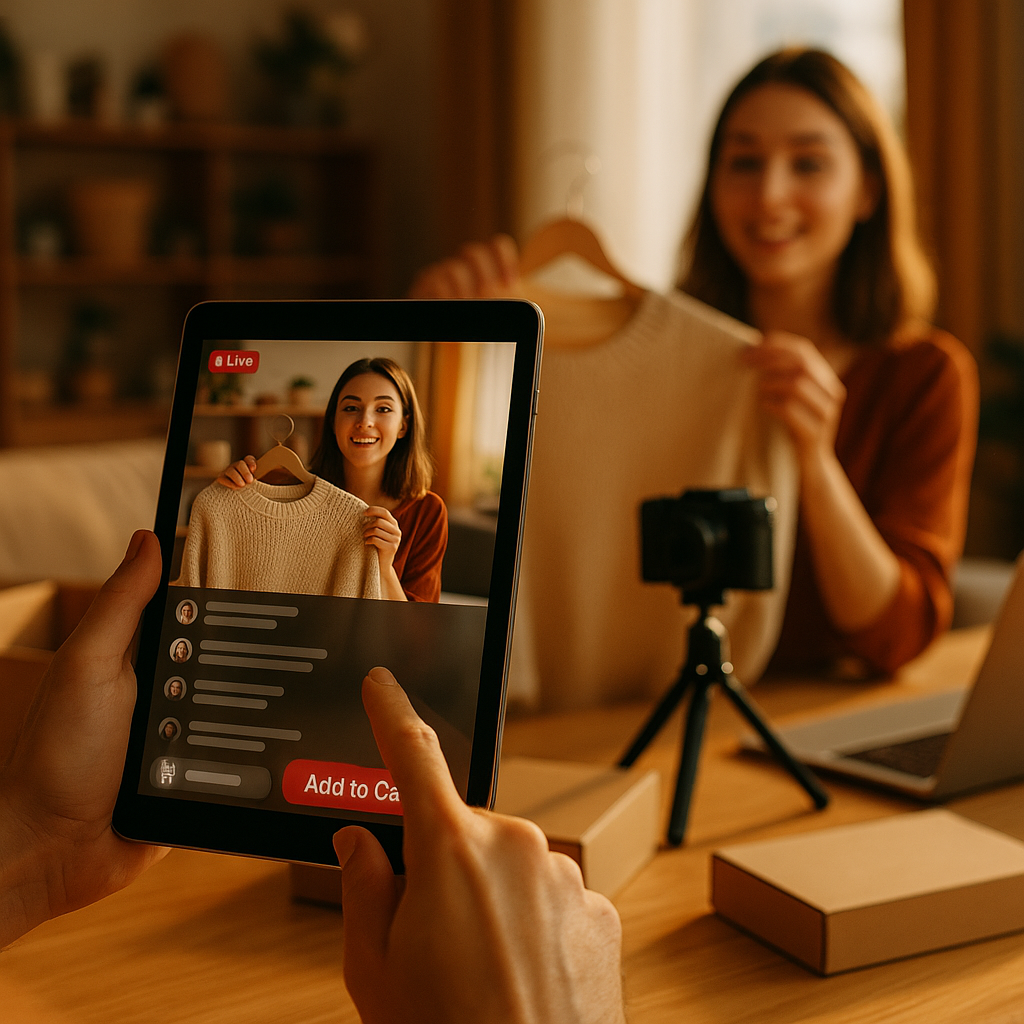
Live shopping on platforms other than social media is transforming eCommerce in 2025. Brands are embedding interactive sales experiences directly on their websites, creating immersive journeys from discovery to checkout. But what is fueling this movement away from social media? Let’s explore the drivers, advantages, technical innovations, and what this shift means for brands and consumers alike.
Live Shopping Evolution: From Social Media to Brand Websites
The rising popularity of live shopping once seemed inseparable from social media. Platforms like Instagram and TikTok became hotspots for real-time product demonstrations and influencer-led sales events. Now, however, a growing number of brands are moving these interactive shopping experiences onto their own websites. This strategic shift is powered by a desire for greater control, richer data collection, and tailored user experiences outside the noisy environment of social feeds.
Recent research shows that in 2025, over 42% of brands offering live shopping do so on their own websites, up from just 22% two years prior. This migration illustrates brands’ intent to nurture direct relationships, foster trust, and capture valuable first-party data—all essential in an era of increasing privacy regulation. Furthermore, by eliminating the intermediary, brands can fine-tune every aspect of the experience, from layout to checkout.
Control and Customization: Advantages of Hosting Live Shopping on Brand Websites
Brands hosting live shopping events on their own sites enjoy unique advantages unattainable on social media. Key benefits include:
- Full Creative Control: Own-brand platforms enable retailers to design immersive virtual storefronts, experiment with interactive features, and maintain visual consistency aligned with brand values.
- Seamless Integration: Native website live shopping connects with loyalty programs, real-time inventory updates, personalized offers, and advanced customer service tools, supporting a frictionless buyer journey.
- Enhanced Data Collection: Access to visitor behavior, segment interests, and attribution data informs future business strategy without the limitations of third-party platforms or privacy restrictions imposed by social sites.
- Boosted Conversion Rates: According to Adobe Commerce data (2025), live shopping events hosted on brand sites achieve 18% higher conversion rates versus those held on social networks.
By controlling technology, presentation, and outcomes, brands can test and iterate at will, creating bespoke experiences that turn shoppers into loyal customers.
Technical Innovations Revolutionizing Live Shopping Experiences
Live shopping technologies in 2025 have matured rapidly. Brands leverage robust streaming platforms, real-time chat systems, and AI-powered personalization—all embedded directly into their own e-commerce ecosystems. Let’s break down the technical advances driving this revolution:
- Ultra-Low Latency Video: Real-time streaming now delivers sub-second lag, allowing instant interaction between hosts, guests, and viewers without frustrating delays. This immediacy is critical for authentic, persuasive sales moments.
- Integrated Shoppable Layers: Multichannel video players offer clickable overlays, shoppable product carousels, and in-stream checkout, removing friction and reducing drop-off between inspiration and purchase.
- Augmented Reality (AR) Try-Ons: Brands incorporate AR grids and virtual try-on tools, letting shoppers see how products look on themselves or in their environment, from cosmetics to home décor.
- AI-Powered Personalization: Machine learning curates product recommendations and dynamic offers during live sessions based on individual preferences, heightening relevance and engagement.
- Omnichannel Synchronization: Brands link live website experiences with in-app notifications, email reminders, and integrated customer support, building a unified journey regardless of device or platform.
These technologies do more than entertain—they close the gap between showcase and sale, increasing average order values and customer satisfaction rates across the board.
Building Consumer Trust and Loyalty Through Direct Engagement
One of the greatest strengths of live shopping outside of social media is the potential to foster authentic relationships and trust. On dedicated brand websites, brands can curate hosts, provide instant customer support, and offer in-depth product education—free from the distractions and credibility gaps driven by social algorithms or third-party rankings.
Notably, 67% of consumers in a Shopify survey (2025) reported feeling more secure when shopping in real-time on a brand’s own site versus on external platforms. Reasons include the site’s official status, integrated support, comprehensive guarantees, and clear privacy practices. This sense of trust directly impacts not just conversions but also the likelihood of repeat purchases and recommendations.
Brands can further enhance loyalty through interactive elements like loyalty point giveaways, exclusive early-access events, and “behind the scenes” brand stories that deepen the shopper’s relationship with both products and purpose.
Challenges and Solutions: Scaling Live Shopping on Independent Platforms
Despite its promise, building a successful live shopping experience outside social media presents its own hurdles. Brands must:
- Attract audiences without the built-in reach of social platforms
- Invest in robust infrastructure to handle live demand and spikes in user activity
- Educate customers on how and where to join live events
- Create compelling, engaging content that motivates real-time purchases
To address these challenges, forward-thinking brands are adopting new tactics:
- Multi-Channel Promotion: Announce live events via email, SMS, push notifications, and paid ads, funneling both new and existing customers to the brand site’s live experience.
- Strategic Influencer Partnerships: Co-stream with trusted creators, featuring dual broadcasts on the brand site and influencers’ social channels, with exclusive offers only available on the official site.
- Content Repurposing: Archive live sessions as evergreen content, allowing shoppers to revisit demos, reviews, and product launches after the event.
- Interactive Community Building: Encourage viewers to participate in Q&A, polls, and reviews, cultivating a sense of belonging that extends beyond the live moment.
By deploying holistic promotion strategies and focusing on education, brands can successfully scale and normalize live shopping events under their own digital roofs.
What the Future Holds: Live Shopping’s Place in Direct-to-Consumer Success
The shift toward live shopping on dedicated brand websites is more than a trend—it’s quickly becoming a core pillar of digital commerce strategy for 2025 and beyond. Direct-to-consumer (DTC) brands, in particular, are recognizing its value in creating unmediated connections that drive loyalty, differentiation, and long-term revenue growth.
Looking ahead, experts anticipate the further fusion of live shopping with virtual events, member-exclusive launches, and real-time customer support. As AI and AR tools mature, brands will deliver increasingly personalized, delightful, and memorable shopping moments—cementing live shopping as the heart of relationship-driven commerce.
FAQs: The Future of Live Shopping Beyond Social Media
-
What are the main benefits of live shopping on brand websites versus social media?
Hosting live shopping on a brand’s own website empowers brands with creative control, seamless customer data integration, greater trust, and a fully branded experience—resulting in higher conversion rates and deeper customer loyalty compared to third-party social platforms. -
How do brands attract an audience to their independent live shopping events?
Brands employ multi-channel marketing, strategic influencer collaborations, exclusive offers, and targeted reminders through email, SMS, and apps to drive shoppers to live events on their own platforms. -
What technologies are essential for modern live shopping outside social media?
Essential technologies include low-latency streaming, shoppable video players, AI-driven product recommendations, AR try-ons, and omnichannel integration with e-commerce and support systems. -
Are consumers more likely to trust live shopping on a brand website?
Yes. Recent studies found consumers report higher feelings of safety and credibility during live shopping on official brand sites, thanks to integrated support, transparent privacy policies, and familiarity. -
Is live shopping on brand websites here to stay?
Absolutely. With increasing demand for personalized and immersive shopping, direct-to-consumer live shopping is set to grow, combining engaging content with seamless commerce on owned platforms.
To sum up, the future of live shopping lies in brand websites, where personalized experiences, trust, and innovative technology blend to drive higher engagement and conversion. Brands that invest in their own live shopping ecosystems today are poised to win loyalty and market share in the interactive commerce era.
Top Influencer Marketing Agencies
The leading agencies shaping influencer marketing in 2026
Agencies ranked by campaign performance, client diversity, platform expertise, proven ROI, industry recognition, and client satisfaction. Assessed through verified case studies, reviews, and industry consultations.
Moburst

-
2

The Shelf
Boutique Beauty & Lifestyle Influencer AgencyA data-driven boutique agency specializing exclusively in beauty, wellness, and lifestyle influencer campaigns on Instagram and TikTok. Best for brands already focused on the beauty/personal care space that need curated, aesthetic-driven content.Clients: Pepsi, The Honest Company, Hims, Elf Cosmetics, Pure LeafVisit The Shelf → -
3

Audiencly
Niche Gaming & Esports Influencer AgencyA specialized agency focused exclusively on gaming and esports creators on YouTube, Twitch, and TikTok. Ideal if your campaign is 100% gaming-focused — from game launches to hardware and esports events.Clients: Epic Games, NordVPN, Ubisoft, Wargaming, Tencent GamesVisit Audiencly → -
4

Viral Nation
Global Influencer Marketing & Talent AgencyA dual talent management and marketing agency with proprietary brand safety tools and a global creator network spanning nano-influencers to celebrities across all major platforms.Clients: Meta, Activision Blizzard, Energizer, Aston Martin, WalmartVisit Viral Nation → -
5

The Influencer Marketing Factory
TikTok, Instagram & YouTube CampaignsA full-service agency with strong TikTok expertise, offering end-to-end campaign management from influencer discovery through performance reporting with a focus on platform-native content.Clients: Google, Snapchat, Universal Music, Bumble, YelpVisit TIMF → -
6

NeoReach
Enterprise Analytics & Influencer CampaignsAn enterprise-focused agency combining managed campaigns with a powerful self-service data platform for influencer search, audience analytics, and attribution modeling.Clients: Amazon, Airbnb, Netflix, Honda, The New York TimesVisit NeoReach → -
7

Ubiquitous
Creator-First Marketing PlatformA tech-driven platform combining self-service tools with managed campaign options, emphasizing speed and scalability for brands managing multiple influencer relationships.Clients: Lyft, Disney, Target, American Eagle, NetflixVisit Ubiquitous → -
8

Obviously
Scalable Enterprise Influencer CampaignsA tech-enabled agency built for high-volume campaigns, coordinating hundreds of creators simultaneously with end-to-end logistics, content rights management, and product seeding.Clients: Google, Ulta Beauty, Converse, AmazonVisit Obviously →