


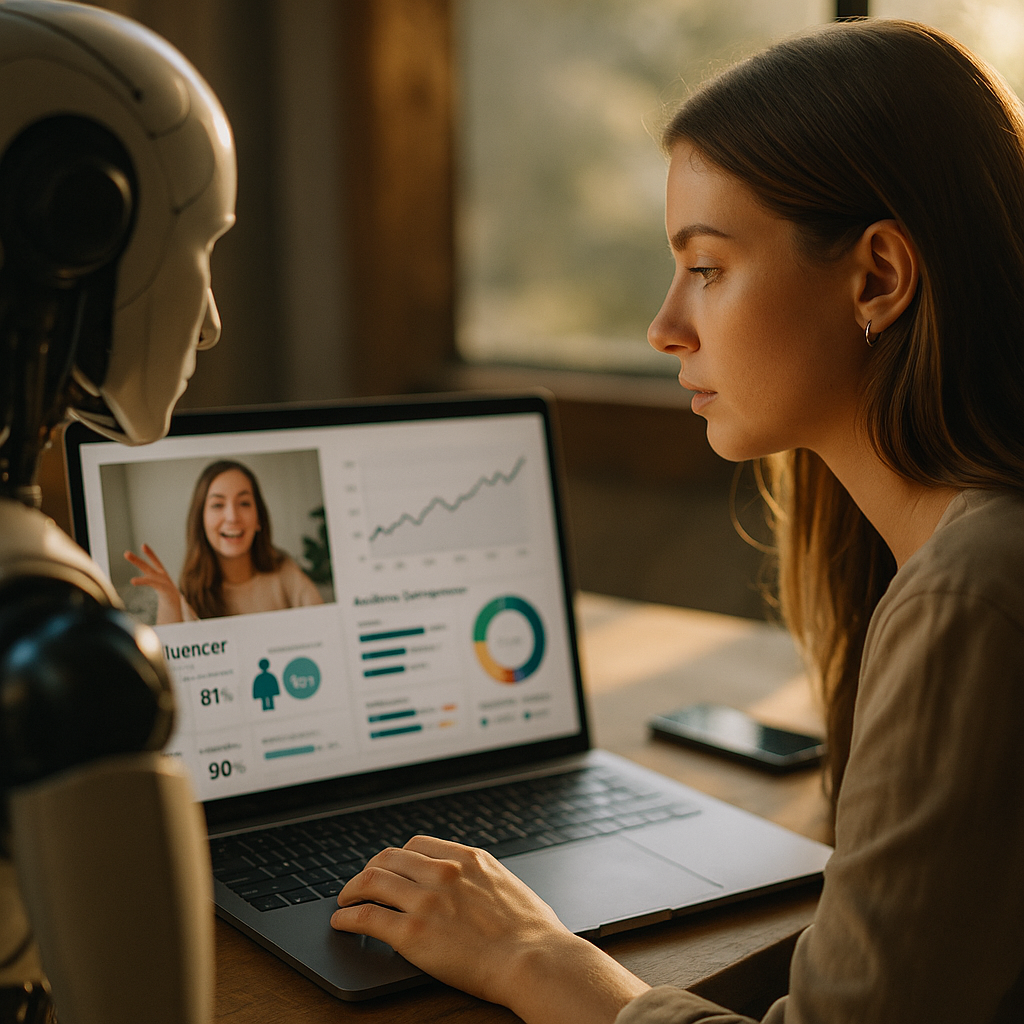
Machine learning applications in influencer audience analysis are transforming how brands understand and connect with social media followers. By leveraging advanced algorithms, businesses uncover detailed insights about influencer audiences, fueling more strategic partnerships. Ready to discover how machine learning is driving smarter influencer campaigns in 2025?
Understanding Influencer Audience Analysis with Advanced Data Mining
In 2025, influencer marketing spends are at an all-time high, making audience analysis more critical than ever. Machine learning enables precise data mining by processing massive quantities of social and behavioral data from platforms like Instagram, TikTok, and YouTube. Algorithms parse demographics, interests, engagement rates, and psychographics, delivering granular understanding that goes far beyond traditional surface-level statistics. Thanks to machine learning, brands can identify not just who follows influencers, but who actively engages and shares similar brand affinities.
Crucially, advanced data mining exposes fake followers, bots, and inflated engagement rates with high accuracy. Machine learning models flag anomalous patterns—such as sudden spikes in follower growth or suspicious engagement ratios—ensuring brands invest only in influencers with genuine, relevant audiences.
Predictive Modeling for Targeted Campaigns
Predictive analytics is a cornerstone secondary keyword in the conversation around machine learning and influencer marketing. Machine learning algorithms use historical data to forecast audience behaviors, predicting which influencer partnerships will deliver the highest ROI.
- Lookalike Audience Analysis: Models identify new influencers whose audience matches a brand’s ideal customer profile, increasing campaign relevance.
- Engagement Forecasting: Predictive models estimate the future performance of influencer posts, helping brands allocate budgets more efficiently.
- Churn Prediction: Machine learning estimates which audience segments are at risk of disengaging, allowing for proactive interventions or campaign pivoting.
This predictive approach reduces guesswork, as brands can assess the potential impact of influencer partnerships before committing resources, ensuring campaigns are more data-driven and outcome-focused.
The Power of Natural Language Processing in Content Resonance
Natural Language Processing (NLP) is redefining how marketers analyze audience sentiment and content resonance. By processing vast volumes of comments, captions, and messages, NLP identifies sentiment trends—positive, negative, or neutral—around an influencer’s posts. This enables brands to align with influencers whose audiences express attitudes and language patterns that resonate with their brand voice.
Some machine learning-driven NLP techniques include:
- Contextual Sentiment Analysis: Determining emotional tone of comments and interactions with greater contextualization than basic keyword scans.
- Topic Clustering: Grouping conversations to reveal which topics drive engagement and loyalty within an influencer’s audience.
- Trend Detection: Surfacing emerging vocabulary, hashtags, and memes that are gaining momentum among niche followers.
This allows brands to craft highly tailored campaigns, speak the language of the community, and anticipate shifting audience moods in real time.
Audience Segmentation & Persona Discovery with Clustering Techniques
Clustering algorithms, a sophisticated machine learning method, categorize influencer audiences into segments based on behaviors, preferences, and interests. Not all of an influencer’s followers are equally valuable; effective segmentation uncovers high-value micro-communities within broader audiences.
- Demographic Segmentation: Separate clusters based on factors like age, location, and gender.
- Behavioral Segmentation: Grouping by engagement patterns—such as frequent commenters or content sharers.
- Psycho-graphic Profiling: Machine learning identifies personality traits, goals, and lifestyle attributes common among segments.
These audience personas help brands personalize messaging, select the optimal influencers for niche campaigns, and maximize marketing spend efficiency. In a privacy-conscious world, algorithms use anonymized data and differential privacy practices to comply with evolving data regulations, preserving trust while delivering actionable insights.
Data Transparency and Ethical Considerations in Machine Learning
As machine learning applications proliferate across influencer audience analysis, data transparency and ethics are in sharp focus. Modern platforms and analytics providers must clarify their data collection processes, ensure consent, and allow both influencers and brands to review how audience analysis results are compiled.
Ethical machine learning also means actively identifying and mitigating bias in audience segmentation or sentiment analysis. When algorithms use diverse, representative datasets and undergo regular bias audits, the resulting insights remain fair and actionable.
In 2025, the most trusted analytics tools offer explainable AI, showing clear decision paths for recommendations, and let brands calibrate models to reflect their unique values and goals. This fosters stronger relationships between influencers, brands, and audiences—rooted in transparency and mutual benefit.
Real-World Impact: Case Studies in Data-Driven Influencer Selection
Brands that leverage machine learning for influencer audience analysis are seeing dynamic results in 2025. For example, a consumer tech company used clustering and sentiment analysis to discover that an influencer with moderate follower counts delivered higher conversion rates than macro-influencers, due to hyper-engaged micro-communities.
Another case involved an apparel brand utilizing predictive modeling to optimize campaign timing. By analyzing engagement patterns, the brand identified peak posting windows for maximum impact, resulting in a 36% boost in click-through rates versus prior manual campaign management. These success stories illustrate that machine learning-driven audience analysis is more than theory—it is powering more profitable, scalable influencer strategies in the real world.
Conclusion: Machine Learning Unlocks the True Potential of Influencer Marketing
Machine learning applications in influencer audience analysis empower brands to uncover real audience value, anticipate trends, and create campaigns with unprecedented precision. The result? Smarter investments, greater authenticity, and superior ROI. Brands that harness these data-driven insights will outpace competitors in the fast-evolving landscape of influencer marketing.
FAQs: Machine Learning in Influencer Audience Analysis
-
How does machine learning improve influencer selection?
Machine learning analyzes audience authenticity, engagement trends, and brand fit at scale, identifying influencers with real, relevant followers and higher conversion potential.
-
Can machine learning detect fake followers?
Yes. It flags suspicious follower patterns, such as bots or inauthentic spikes in growth, ensuring brands connect with influencers who have genuine audience engagement.
-
What role does sentiment analysis play?
Sentiment analysis, powered by machine learning, helps brands understand the feelings and attitudes of an influencer’s audience, ensuring campaigns align with the audience’s mood and interests.
-
Is audience data collection ethical and private?
Reputable platforms use anonymized and consent-based data, following strict privacy guidelines and offering transparency about analytical methods to maintain trust and compliance.
-
What results can brands expect from using these tools in 2025?
Brands leveraging machine learning in influencer audience analysis typically see increased collaboration efficiency, reduced marketing waste, improved ROI, and stronger brand-audience relationships.
Top Influencer Marketing Agencies
The leading agencies shaping influencer marketing in 2026
Agencies ranked by campaign performance, client diversity, platform expertise, proven ROI, industry recognition, and client satisfaction. Assessed through verified case studies, reviews, and industry consultations.
Moburst

-
2

The Shelf
Boutique Beauty & Lifestyle Influencer AgencyA data-driven boutique agency specializing exclusively in beauty, wellness, and lifestyle influencer campaigns on Instagram and TikTok. Best for brands already focused on the beauty/personal care space that need curated, aesthetic-driven content.Clients: Pepsi, The Honest Company, Hims, Elf Cosmetics, Pure LeafVisit The Shelf → -
3

Audiencly
Niche Gaming & Esports Influencer AgencyA specialized agency focused exclusively on gaming and esports creators on YouTube, Twitch, and TikTok. Ideal if your campaign is 100% gaming-focused — from game launches to hardware and esports events.Clients: Epic Games, NordVPN, Ubisoft, Wargaming, Tencent GamesVisit Audiencly → -
4

Viral Nation
Global Influencer Marketing & Talent AgencyA dual talent management and marketing agency with proprietary brand safety tools and a global creator network spanning nano-influencers to celebrities across all major platforms.Clients: Meta, Activision Blizzard, Energizer, Aston Martin, WalmartVisit Viral Nation → -
5

The Influencer Marketing Factory
TikTok, Instagram & YouTube CampaignsA full-service agency with strong TikTok expertise, offering end-to-end campaign management from influencer discovery through performance reporting with a focus on platform-native content.Clients: Google, Snapchat, Universal Music, Bumble, YelpVisit TIMF → -
6

NeoReach
Enterprise Analytics & Influencer CampaignsAn enterprise-focused agency combining managed campaigns with a powerful self-service data platform for influencer search, audience analytics, and attribution modeling.Clients: Amazon, Airbnb, Netflix, Honda, The New York TimesVisit NeoReach → -
7

Ubiquitous
Creator-First Marketing PlatformA tech-driven platform combining self-service tools with managed campaign options, emphasizing speed and scalability for brands managing multiple influencer relationships.Clients: Lyft, Disney, Target, American Eagle, NetflixVisit Ubiquitous → -
8

Obviously
Scalable Enterprise Influencer CampaignsA tech-enabled agency built for high-volume campaigns, coordinating hundreds of creators simultaneously with end-to-end logistics, content rights management, and product seeding.Clients: Google, Ulta Beauty, Converse, AmazonVisit Obviously →