


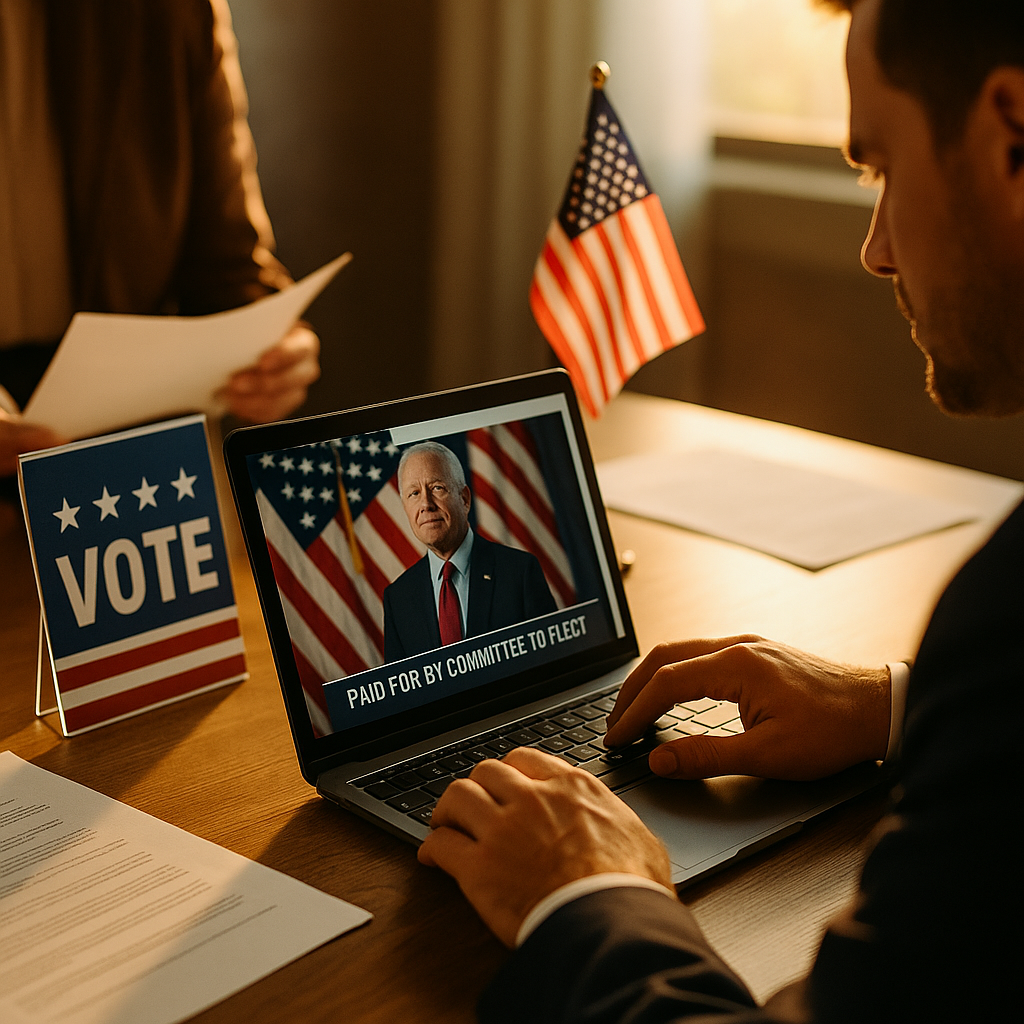
Understanding how to comply with political advertising disclosure laws is crucial for candidates, advocacy groups, and advertisers aiming to build trust with voters in 2025. Failing to navigate these regulations can lead to fines and damaged reputations. Are you prepared to meet today’s stringent disclosure requirements and campaign with transparency and legal confidence?
Understanding Political Advertising Laws: What You Must Know
Political advertising laws in 2025 are designed to ensure transparency, protect democratic processes, and inform the public about the origins and funding of political messages. These regulations apply to all forms of political ads, including online, print, TV, and radio. Compliance involves more than just identifying who paid for an ad; it also includes the timely filing of reports, specific disclosures within the ad, and often even documentation about targeted audiences.
Each country—and often jurisdictions within them—have unique requirements. For example, in the United States, the Federal Election Commission (FEC) regulates federal elections, while state and local campaigns often must meet additional local requirements. The European Union, Australia, and other democracies have introduced new digital ad disclosure expectations. If you’re unclear on which laws apply, an initial legal consultation is strongly advised.
Disclosure Requirements for Political Advertisers
Every party involved in the creation and distribution of political advertisements must ensure clear and prominent disclosures. These typically include:
- Identification of Sponsor: Clearly state the individual or organization paying for the ad, such as “Paid for by Citizens for Clean Energy.”
- Contact Information: In some countries, advertisers must provide a physical mailing address or website.
- Legal Language: Certain jurisdictions mandate specific disclosure language; double-check official guidelines.
- Timing and Placement: Disclosures must appear where audiences will notice—such as at the top or bottom of the ad, or via an audible statement for broadcast ads.
- Platform-Specific Rules: Top social networks like Meta (Facebook/Instagram), Google, and X (Twitter) have additional transparency policies and ad libraries. Failure to follow them can result in ad rejection or platform bans.
Remember: leaving out or hiding a required disclosure is a serious violation and can result in penalties—even if unintentional.
Record-Keeping and Reporting Political Ad Data
Beyond in-ad disclosures, robust record-keeping is essential. Laws increasingly require advertisers to maintain documents related to:
- Ad Content and Placements: Keep copies of each unique ad and where it ran.
- Sponsor and Funding Details: Document anyone who contributed finances or authorized expenditures.
- Audience Targeting Data: Retain information on targeted demographics or geographic areas for each ad.
- Expenditure Receipts: Store receipts or contracts associated with all political ad spending.
- Reporting Schedules: Meet all required filing deadlines for campaign finance disclosures, which can vary between weekly, monthly, and special periods (like pre-election windows).
According to the FEC, candidates failing to maintain accessible records have faced fines and public scrutiny. Many jurisdictions require records to be kept for at least two to five years after the election cycle ends.
Digital Political Ads: Recent Changes and New Challenges
Since 2023, regulators have imposed new requirements on digital political ads to address concerns about misinformation and foreign influence. In 2025, most major platforms require:
- Verification of advertiser identity and physical location
- Submission of disclosure language before ad approval
- Participation in public ad transparency libraries, where users can see who paid for each political ad and how much was spent
Additionally, some platforms mandate that digital ad buyers maintain additional privacy controls and consent systems when collecting user data. Staying current with platform policies—and integrating new compliance technologies—will reduce risk and prevent campaign delays.
Avoiding Common Pitfalls in Political Ad Compliance
Despite best intentions, political advertisers often overlook important compliance steps. Key pitfalls to avoid include:
- Vague Sponsorship Attribution: Disclosures must use the legal name of your committee, not an abbreviation or nickname.
- Inconsistent Messaging: Every version of your ad (video, print, digital) must display required disclosure messages, even if space is limited.
- Missing Cross-Border Rules: If your campaign targets multiple jurisdictions, review local disclosure requirements for each region or platform.
- Ignoring Platform-Specific Policies: Platforms routinely update requirements, especially in election years. Designate a compliance officer to monitor ongoing changes.
Conduct regular audits throughout the campaign to catch and fix errors before regulators or journlists do. Proactive compliance demonstrates integrity and builds trust with the public.
Ensuring Complete Compliance: Best Practices for 2025 Campaigns
To establish a robust compliance culture in your organization, consider the following best practices recommended by campaign law experts in 2025:
- Hire or consult with an election law attorney familiar with jurisdiction-specific rules.
- Develop internal checklists and workflows for every ad campaign, covering disclosures, approvals, and documentation needs.
- Train all digital strategists, creative teams, and media buyers regularly on the current legal landscape.
- Invest in automated tools to track spending, schedule reports, and archive ad versions according to compliance best practices.
- Review and update privacy and data-handling procedures to ensure they meet the highest standards expected by regulators and the public.
Implementing these measures not only minimizes legal exposure, but positions campaigns as transparent, trustworthy participants in the democratic process.
Staying informed and diligent is the key to mastering political advertising disclosure laws in 2025. Proactive compliance safeguards your campaign, earns voter trust, and keeps democracy strong—make it your competitive advantage.
FAQs: Complying with Political Advertising Disclosure Laws
- Who is required to comply with political advertising disclosure laws?
All individuals, organizations, and third-party advertisers involved in producing or distributing political ads must follow applicable disclosure rules, regardless of campaign size. - What must a political ad disclosure include in 2025?
Typically, it must state the true sponsor/funder, contact information, and any jurisdiction-specific legal wording clearly and prominently, including any additional platform-specific statements for digital ads. - How often do disclosure requirements change?
Requirements are frequently updated, particularly before major elections. Review federal, state, and platform policies at the start and throughout every campaign. - Can noncompliance result in legal penalties?
Yes. Violations may lead to hefty fines, ad takedowns, or restricted access to advertising platforms, and may negatively impact campaign credibility. - Where can I find details about my specific jurisdiction?
Always consult your local election authority’s website and seek legal counsel who specializes in political law to confirm all current requirements.
Top Influencer Marketing Agencies
The leading agencies shaping influencer marketing in 2026
Agencies ranked by campaign performance, client diversity, platform expertise, proven ROI, industry recognition, and client satisfaction. Assessed through verified case studies, reviews, and industry consultations.
Moburst

-
2

The Shelf
Boutique Beauty & Lifestyle Influencer AgencyA data-driven boutique agency specializing exclusively in beauty, wellness, and lifestyle influencer campaigns on Instagram and TikTok. Best for brands already focused on the beauty/personal care space that need curated, aesthetic-driven content.Clients: Pepsi, The Honest Company, Hims, Elf Cosmetics, Pure LeafVisit The Shelf → -
3

Audiencly
Niche Gaming & Esports Influencer AgencyA specialized agency focused exclusively on gaming and esports creators on YouTube, Twitch, and TikTok. Ideal if your campaign is 100% gaming-focused — from game launches to hardware and esports events.Clients: Epic Games, NordVPN, Ubisoft, Wargaming, Tencent GamesVisit Audiencly → -
4

Viral Nation
Global Influencer Marketing & Talent AgencyA dual talent management and marketing agency with proprietary brand safety tools and a global creator network spanning nano-influencers to celebrities across all major platforms.Clients: Meta, Activision Blizzard, Energizer, Aston Martin, WalmartVisit Viral Nation → -
5

The Influencer Marketing Factory
TikTok, Instagram & YouTube CampaignsA full-service agency with strong TikTok expertise, offering end-to-end campaign management from influencer discovery through performance reporting with a focus on platform-native content.Clients: Google, Snapchat, Universal Music, Bumble, YelpVisit TIMF → -
6

NeoReach
Enterprise Analytics & Influencer CampaignsAn enterprise-focused agency combining managed campaigns with a powerful self-service data platform for influencer search, audience analytics, and attribution modeling.Clients: Amazon, Airbnb, Netflix, Honda, The New York TimesVisit NeoReach → -
7

Ubiquitous
Creator-First Marketing PlatformA tech-driven platform combining self-service tools with managed campaign options, emphasizing speed and scalability for brands managing multiple influencer relationships.Clients: Lyft, Disney, Target, American Eagle, NetflixVisit Ubiquitous → -
8

Obviously
Scalable Enterprise Influencer CampaignsA tech-enabled agency built for high-volume campaigns, coordinating hundreds of creators simultaneously with end-to-end logistics, content rights management, and product seeding.Clients: Google, Ulta Beauty, Converse, AmazonVisit Obviously →