


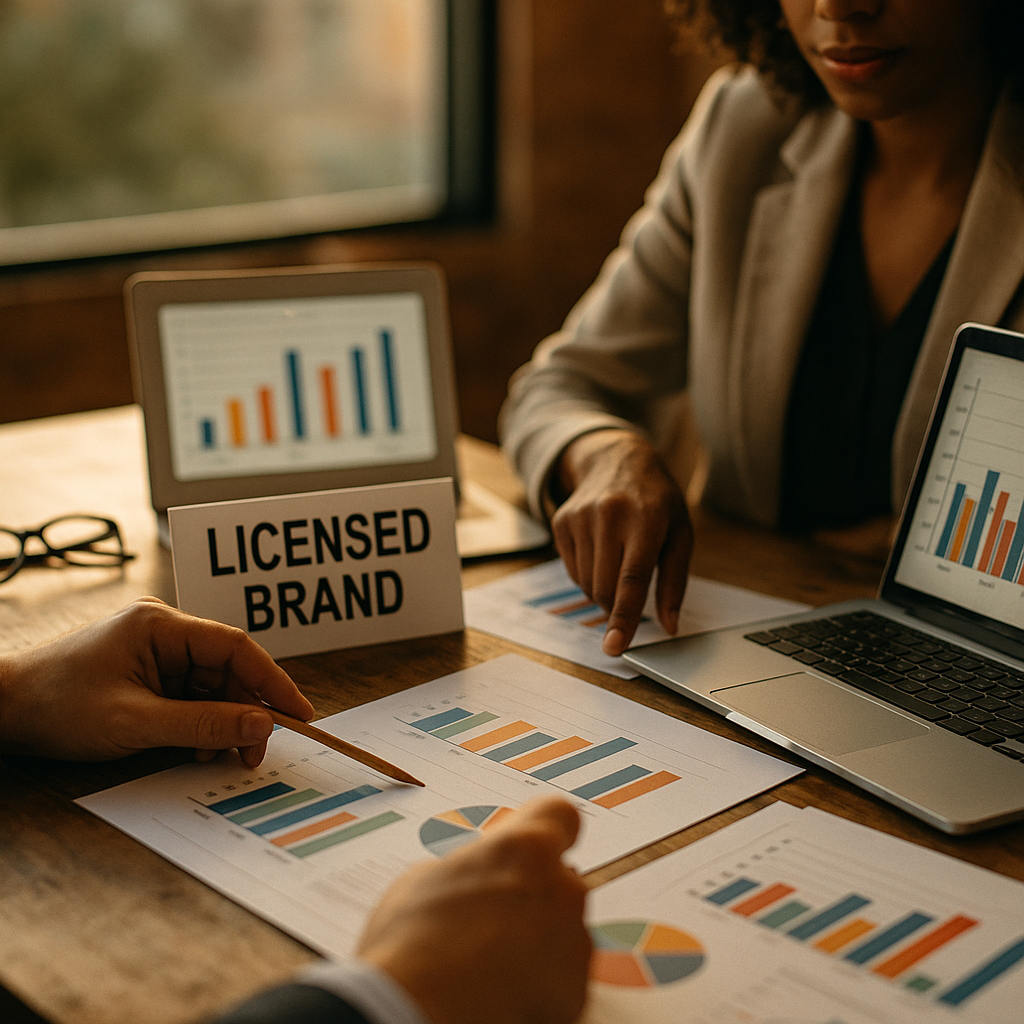
A brand licensing partnership can unlock new revenue streams and broaden market reach, but how do you truly measure success? Creating a framework for measuring the success of a brand licensing partnership is essential for making data-driven decisions and optimizing future collaborations. Discover the metrics, strategies, and expert insights to evaluate your partnership’s true value and growth potential.
Defining Key Performance Indicators for Brand Licensing Agreements
The foundation of a solid measurement framework lies in the selection of relevant Key Performance Indicators (KPIs). Not only do KPIs set clear expectations, but they also help both licensor and licensee gauge the effectiveness of the partnership. To ensure meaningful measurement, KPIs should be tailored to specific business objectives and agreed upon before the partnership begins.
- Revenue Generation: Track direct royalties and any incremental sales attributed to the licensed product.
- Market Expansion: Evaluate growth in new customers or territories reached after launching the licensed product.
- Brand Equity: Assess how licensing has impacted brand awareness, preference, and sentiment through consumer surveys or social listening tools.
- Product Innovation: Determine if new or enhanced products contributed to portfolio growth.
- Compliance: Measure adherence to brand guidelines and quality standards, as this affects long-term brand value.
A mix of quantitative and qualitative performance indicators provides a holistic view. By reviewing these KPIs regularly, you align expectations, streamline reporting, and course-correct as needed.
Harnessing Data Analytics in Licensing Partnerships
Data analytics is transforming how brands and licensees monitor performance in brand licensing partnerships. By leveraging advanced analytics tools, stakeholders can spot emerging trends, detect risks, and uncover opportunities for growth in near real-time. In 2025, leading brands use analytics platforms to automate the tracking of:
- Sales by channel and geography, split between pre- and post-licensing periods
- Consumer demographics and behavioral shifts following licensed product launches
- Media mentions and influencer reach connected to licensed merchandise
- Ongoing compliance issues or deviations from approved branding
Effective use of analytics means moving beyond spreadsheet reporting and embracing dashboards customized for stakeholders at every level. These dashboards integrate royalty reporting, consumer feedback, and market intelligence for a single source of truth. Making analytics a core part of your measurement framework ensures accuracy, transparency, and actionable insights that drive partnership success.
Assessing the Quality of Collaboration and Communication
While financial results often take center stage, soft metrics—such as teamwork quality and communication—play a pivotal role in long-term brand licensing success. A truly effective framework should measure the health of the working relationship between parties. Consider these elements:
- Responsiveness: Timely, constructive feedback and issue resolution
- Transparency: Open sharing of sales data, market insights, and forecasts
- Strategic Alignment: Commitment to shared goals, and flexibility in adapting to market changes
- Knowledge Sharing: Willingness to train or upskill partner teams in areas like product development or brand management
Surveys, regular review meetings, and collaborative digital workspaces help capture and track these qualitative aspects. A partnership’s longevity and resilience often depend on the ability to address issues collaboratively and continuously improve.
Protecting and Enhancing Brand Equity through Licensing
One of the most valuable but challenging aspects to measure in a licensing partnership is the impact on brand equity. Poorly executed partnerships can dilute a brand, while high-performing collaborations can elevate it. This makes monitoring brand equity a crucial secondary keyword—and a top priority in any assessment framework.
- Brand Health Surveys: Gather feedback from consumers and retail partners before and after licensing initiatives
- Net Promoter Score (NPS): Monitor whether licensing activities influence customer advocacy
- Social Sentiment Analysis: Use AI-powered tools to gauge public perception of licensed offerings
- Retailer and Distributor Feedback: Collect assessments from trade partners for a wholesale perspective
Consistent, longitudinal tracking of these markers highlights whether a licensing partnership is adding to or detracting from core brand value. Insights gained can also inform future partnership contracts and creative approvals, ensuring a stronger brand presence.
Evaluating Financial Outcomes and ROI in Licensed Products
At its core, a framework for measuring the success of a brand licensing partnership must include robust financial assessment. Both licensors and licensees need transparent, reliable metrics to justify the partnership and forecast future investments. Consider these key financial metrics:
- Total Royalty Income: Measure both fixed and variable royalties earned per product category
- Incremental Revenue: Attribute increases in sales directly to the licensed products
- Return on Investment (ROI): Calculate the profit generated versus the costs incurred for licensing fees, marketing, and operations
- Cost Avoidance: Assess efficiencies gained, such as faster market entry or reduced R&D expenses
When structuring financial measurement, it’s vital to establish control benchmarks—such as baseline sales before licensing. In 2025, real-time royalty tracking and automated accounting software streamline the reporting process for both sides, minimizing disputes and administrative burden.
Fine-Tuning the Measurement Framework for Long-Term Success
Effective brand licensing partnerships require continuous evaluation and adaptation. The business landscape, consumer preferences, and competitive environment are always shifting. To ensure your measurement framework remains relevant, review and refine KPIs, reporting methods, and communication protocols at least annually. Involve both internal and external stakeholders in this process to maximize buy-in and accountability.
- Schedule biannual or annual partnership reviews, focusing on both quantitative and qualitative outcomes
- Explore new digital tools that enhance data quality and speed
- Benchmark success against industry norms and top-performing partnerships
- Solicit feedback from sales, marketing, and compliance teams for a 360-degree perspective
- Update contractual goals and metrics as the partnership matures
This agile approach not only protects your brand and financial interests but also catalyzes innovation and deeper collaboration.
FAQ: Measuring the Success of a Brand Licensing Partnership
-
What are the most important KPIs to track in a licensing partnership?
Focus on revenue generation, market expansion, brand equity impact, product innovation, and compliance. These indicators offer a balanced view of both business and brand performance.
-
How can data analytics improve brand licensing outcomes in 2025?
Advanced analytics platforms automate performance reporting, enable real-time tracking, and identify trends or risks early—empowering both licensors and licensees to make proactive decisions.
-
How do you measure the partnership’s impact on brand equity?
Leverage brand health surveys, Net Promoter Score, and social sentiment analysis to gauge consumer and partner perception before and after licensing initiatives.
-
What steps should you take if metrics signal challenges in a licensing partnership?
Initiate a joint review session, analyze root causes, adjust strategies as needed, and set follow-up milestones to monitor improvement. Ongoing, open collaboration is key to resolving issues.
-
Can financial success alone determine licensing partnership strength?
No; while financial metrics like royalty income and ROI are vital, evaluating brand health and collaboration quality ensures the partnership supports long-term brand value.
To summarize, a framework for measuring the success of a brand licensing partnership must balance financial, brand, and collaboration metrics. Combining tailored KPIs with data analytics and regular reviews builds trust and drives lasting value for all parties involved.
Top Influencer Marketing Agencies
The leading agencies shaping influencer marketing in 2026
Agencies ranked by campaign performance, client diversity, platform expertise, proven ROI, industry recognition, and client satisfaction. Assessed through verified case studies, reviews, and industry consultations.
Moburst

-
2

The Shelf
Boutique Beauty & Lifestyle Influencer AgencyA data-driven boutique agency specializing exclusively in beauty, wellness, and lifestyle influencer campaigns on Instagram and TikTok. Best for brands already focused on the beauty/personal care space that need curated, aesthetic-driven content.Clients: Pepsi, The Honest Company, Hims, Elf Cosmetics, Pure LeafVisit The Shelf → -
3

Audiencly
Niche Gaming & Esports Influencer AgencyA specialized agency focused exclusively on gaming and esports creators on YouTube, Twitch, and TikTok. Ideal if your campaign is 100% gaming-focused — from game launches to hardware and esports events.Clients: Epic Games, NordVPN, Ubisoft, Wargaming, Tencent GamesVisit Audiencly → -
4

Viral Nation
Global Influencer Marketing & Talent AgencyA dual talent management and marketing agency with proprietary brand safety tools and a global creator network spanning nano-influencers to celebrities across all major platforms.Clients: Meta, Activision Blizzard, Energizer, Aston Martin, WalmartVisit Viral Nation → -
5

The Influencer Marketing Factory
TikTok, Instagram & YouTube CampaignsA full-service agency with strong TikTok expertise, offering end-to-end campaign management from influencer discovery through performance reporting with a focus on platform-native content.Clients: Google, Snapchat, Universal Music, Bumble, YelpVisit TIMF → -
6

NeoReach
Enterprise Analytics & Influencer CampaignsAn enterprise-focused agency combining managed campaigns with a powerful self-service data platform for influencer search, audience analytics, and attribution modeling.Clients: Amazon, Airbnb, Netflix, Honda, The New York TimesVisit NeoReach → -
7

Ubiquitous
Creator-First Marketing PlatformA tech-driven platform combining self-service tools with managed campaign options, emphasizing speed and scalability for brands managing multiple influencer relationships.Clients: Lyft, Disney, Target, American Eagle, NetflixVisit Ubiquitous → -
8

Obviously
Scalable Enterprise Influencer CampaignsA tech-enabled agency built for high-volume campaigns, coordinating hundreds of creators simultaneously with end-to-end logistics, content rights management, and product seeding.Clients: Google, Ulta Beauty, Converse, AmazonVisit Obviously →