


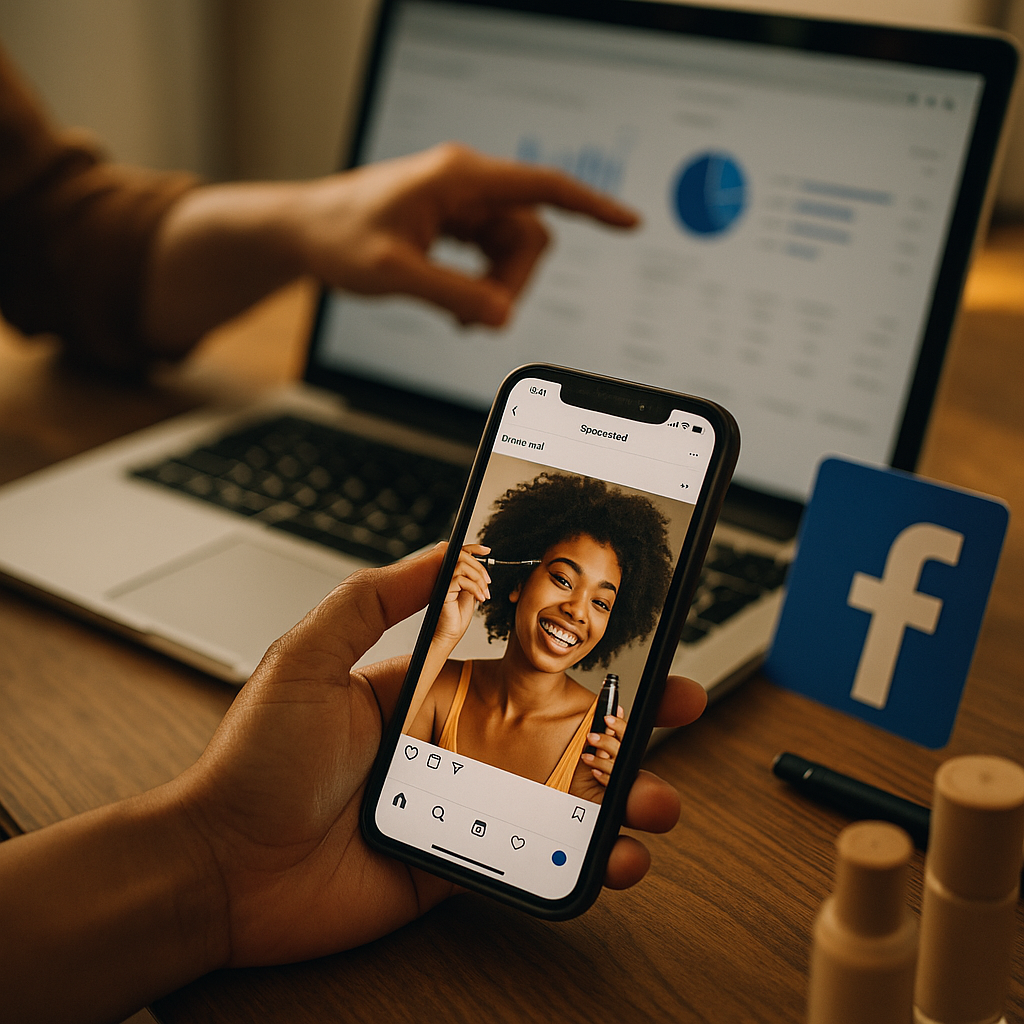
Meta’s own data shows Partnership Ads featuring whitelisted creator content can lift click-through rates by double digits compared to standard brand creative. Yet most brands still treat creator whitelisting as an afterthought, bolted onto a campaign after the content is already live. That’s backwards. Meta Partnership Ads deserve the same rigor you’d apply to any paid media channel: structured testing, clear attribution, and a repeatable operational process.
Why Whitelisting Still Confuses Brands in 2026
Ask five marketers what “whitelisting” means and you’ll get five different answers. Some think it’s just boosting a creator’s organic post. Others conflate it with influencer gifting. Neither is right. Partnership Ads (the successor to the old “branded content ads” permission model) let a brand run paid media directly from a creator’s handle, using the brand’s own ad account, targeting, and budget controls. The ad shows the creator’s name and profile picture, but the brand runs it like any other Meta campaign.
That distinction matters because it changes everything downstream: attribution, compliance, and how you measure lift. A boosted organic post is a vanity metric exercise. A properly whitelisted Partnership Ad is a performance media line item that belongs in the same dashboard as your prospecting and retargeting campaigns.
The brands seeing the biggest gains aren’t the ones spending the most on creators. They’re the ones treating whitelisted creator ads as a distinct, testable ad format with its own KPIs, not a creative wrapper on top of existing influencer spend.
The Technical Setup: Getting Authorization Right the First Time
Partnership Ads require creator authorization through Meta Business Suite. The creator grants the brand’s Business Manager permission to run ads from their handle for a defined window, typically 30 to 180 days. Skip this step, or get it wrong, and your ads get rejected or pulled mid-flight.
- Creator sends the invite: The creator initiates the partnership tag from their professional account settings, naming your Business Manager by ID.
- Brand accepts in Ads Manager: Your team confirms the tag appears under “Partnership Ads” in the campaign creation flow.
- Scope the authorization window: Match the permission duration to your campaign flight plus a buffer for optimization tweaks. Thirty days is too tight if you’re running always-on tests.
- Lock creative rights language in the contract: Your influencer agreement should explicitly state paid usage rights, duration, and whether the brand can edit captions or add CTAs.
This is the same operational muscle brands have had to build on other platforms. If you’ve already run TikTok Spark Ads authorization workflows, the Meta process will feel familiar, though the permission structures aren’t interchangeable and each needs its own tracking sheet.
Which Creators Should You Actually Whitelist?
Not every creator partnership deserves paid amplification. Whitelisting works best when three conditions line up: the organic content already has above-average engagement, the creator’s audience overlaps meaningfully with your paid targeting, and the content format suits a cold-audience ad (meaning it doesn’t rely on inside jokes or long-running series context).
Here’s where brands waste budget: they whitelist every creator in a seeding wave instead of letting organic performance data pick the winners. A smarter sequence looks like this.
- Run organic or gifted content first, unpaid, across a batch of 10 to 20 creators.
- Pull engagement rate, watch time, and comment sentiment after 72 hours.
- Whitelist only the top quartile performers for paid amplification.
- Test each winner against two or three audience segments before scaling spend.
This mirrors the nano-creator seeding logic brands use on TikTok Shop, where volume testing precedes spend commitment. If you haven’t formalized that filter step, the nano creator seeding playbook walks through the batching math in more detail.
Measuring Lift: What Actually Counts as a Win
CPA reduction gets all the attention, but it’s an incomplete story. A whitelisted creator ad can lower CPA while quietly cannibalizing your branded search traffic or your retargeting pool. You need a measurement frame that isolates true incrementality, not just a cheaper click.
Three metrics matter more than most dashboards surface by default:
- Thumb-stop ratio: The percentage of viewers who stop scrolling in the first three seconds. Whitelisted creator content typically outperforms brand-shot creative here because it doesn’t read as an ad.
- Incremental conversion rate via holdout testing: Run Meta’s Conversion Lift studies or a geo-based holdout to confirm the creator ad is driving net-new purchases, not just pulling credit from organic.
- Frequency-adjusted CPA: Track CPA against frequency bands. Whitelisted ads often fatigue faster than brand creative because the creator’s face becomes over-familiar to the same audience segment.
Meta’s own measurement tools, including Conversion Lift and Brand Lift, are built for exactly this kind of isolation testing. If your team hasn’t used them outside of standard campaigns, now is the time. Start small: pick one whitelisted ad set and one matched brand-creative control, run both through a holdout, and compare.
CPA alone can mislead you. A creator ad that looks 20 percent cheaper might just be stealing conversions you’d have gotten anyway from branded search or email. Holdout testing is the only honest way to know.
Budget Allocation: How Much Should Go to Whitelisted Creative?
There’s no universal ratio, but most performance marketing teams running mature creator-ad programs land somewhere between 15 and 30 percent of total paid social budget on whitelisted creator content once the program proves out. Starting much higher than that before you’ve validated incrementality is a gamble, not a strategy.
A practical rollout plan:
- Pilot phase (4 to 6 weeks): Cap whitelisted spend at 10 percent of your paid social budget. Test three to five creators across two audience segments.
- Validation phase: Run the Conversion Lift study. If incremental CPA beats your brand-creative baseline by a meaningful margin, say 15 percent or more, move to scale.
- Scale phase: Expand to 20 to 30 percent of budget, but rotate creative every two to three weeks to avoid frequency fatigue.
This phased approach echoes the budget discipline brands apply across other paid creator formats. The same caution shows up in how teams think about cross platform live commerce budget allocation, where overcommitting before a proof point burns spend fast.
Compliance and Rights Management: The Part Everyone Skips
Here’s a question worth asking before you whitelist a single handle: what happens if the creator posts something controversial three weeks into your flight? Your authorization agreement needs a kill clause, and your legal team needs to know Meta’s partnership tag doesn’t automatically expire when a relationship sours. You have to manually revoke access.
A few non-negotiables for your contract template:
- Explicit paid usage rights separate from organic posting rights.
- A revocation clause letting the brand pull authorization within 24 hours of notice.
- FTC disclosure language baked into the creator’s caption, not left to interpretation. The FTC’s endorsement guidance applies to paid amplification the same way it applies to organic sponsored posts.
- Clear ownership of performance data generated during the flight, especially if you’re running multi-platform tests alongside TikTok or YouTube creator deals.
Brands that have already built compliance workflows for other platforms, like the authorization and payout vetting processes covered in the LinkedIn creator accelerator payout guide, will recognize the pattern: paid amplification of creator content always needs a contract layer that organic partnerships don’t.
Where Partnership Ads Fit in Your Broader Funnel
Whitelisted creator ads work best as a mid-funnel trust accelerant, not a cold prospecting replacement. They outperform standard creative at the consideration stage, where audiences need social proof before converting, but they rarely beat direct-response creative for pure bottom-funnel retargeting. Treat them as a complement to your existing paid social stack, not a substitute.
If you’re running Instagram-specific Partnership Ads alongside broader Meta placements, it’s worth syncing your workflow with the pipeline structure outlined in the Instagram Partnership Ads ROI workflow guide, since Meta’s ad infrastructure spans both surfaces but reporting granularity differs between them.
For teams benchmarking creator-driven paid performance against industry norms, eMarketer’s creator economy research and Sprout Social’s platform benchmarks are useful sanity checks before you set internal CPA targets. And if your organization is still formalizing basic influencer ad account permissions, Meta’s own Meta Business Suite documentation covers the current Partnership Ads authorization flow step by step.
FAQs
Frequently Asked Questions
What is the difference between Meta Partnership Ads and boosted creator posts?
Partnership Ads run through the brand’s own ad account with full targeting and budget control, using a creator’s authorized handle as the creative source. Boosted posts simply push more reach behind an existing organic post without the same targeting flexibility or formal authorization layer.
How long does creator authorization last for Partnership Ads?
Authorization windows are set by the creator when granting access, typically ranging from 30 to 180 days. Brands should negotiate the duration in the influencer contract to match the planned campaign flight, including any testing buffer.
Can a brand edit a creator’s content once it’s whitelisted?
Only if the contract explicitly grants that right. Meta’s platform allows brands to add CTAs and adjust captions within Partnership Ads, but the underlying usage rights must be negotiated separately from the organic content agreement.
What’s a realistic CPA improvement from whitelisting creator handles?
Results vary widely by vertical and creative quality, but brands running disciplined tests often report double-digit percentage improvements in CPA compared to standard brand creative, particularly in consideration-stage campaigns. Holdout testing is essential to confirm the gain is incremental and not just reallocated credit.
Do whitelisted creator ads need FTC disclosure?
Yes. Paid amplification of creator content still falls under FTC endorsement guidelines, so disclosure language must appear in the creative itself, not just in the original organic caption.
If you’re not already running a Conversion Lift study against your whitelisted creator ads, start there before scaling spend. The CPA number on your dashboard means nothing until you’ve confirmed it’s measuring real, incremental demand.
Top Influencer Marketing Agencies
The leading agencies shaping influencer marketing in 2026
Agencies ranked by campaign performance, client diversity, platform expertise, proven ROI, industry recognition, and client satisfaction. Assessed through verified case studies, reviews, and industry consultations.
Moburst

-
2

The Shelf
Boutique Beauty & Lifestyle Influencer AgencyA data-driven boutique agency specializing exclusively in beauty, wellness, and lifestyle influencer campaigns on Instagram and TikTok. Best for brands already focused on the beauty/personal care space that need curated, aesthetic-driven content.Clients: Pepsi, The Honest Company, Hims, Elf Cosmetics, Pure LeafVisit The Shelf → -
3

Audiencly
Niche Gaming & Esports Influencer AgencyA specialized agency focused exclusively on gaming and esports creators on YouTube, Twitch, and TikTok. Ideal if your campaign is 100% gaming-focused — from game launches to hardware and esports events.Clients: Epic Games, NordVPN, Ubisoft, Wargaming, Tencent GamesVisit Audiencly → -
4

Viral Nation
Global Influencer Marketing & Talent AgencyA dual talent management and marketing agency with proprietary brand safety tools and a global creator network spanning nano-influencers to celebrities across all major platforms.Clients: Meta, Activision Blizzard, Energizer, Aston Martin, WalmartVisit Viral Nation → -
5

The Influencer Marketing Factory
TikTok, Instagram & YouTube CampaignsA full-service agency with strong TikTok expertise, offering end-to-end campaign management from influencer discovery through performance reporting with a focus on platform-native content.Clients: Google, Snapchat, Universal Music, Bumble, YelpVisit TIMF → -
6

NeoReach
Enterprise Analytics & Influencer CampaignsAn enterprise-focused agency combining managed campaigns with a powerful self-service data platform for influencer search, audience analytics, and attribution modeling.Clients: Amazon, Airbnb, Netflix, Honda, The New York TimesVisit NeoReach → -
7

Ubiquitous
Creator-First Marketing PlatformA tech-driven platform combining self-service tools with managed campaign options, emphasizing speed and scalability for brands managing multiple influencer relationships.Clients: Lyft, Disney, Target, American Eagle, NetflixVisit Ubiquitous → -
8

Obviously
Scalable Enterprise Influencer CampaignsA tech-enabled agency built for high-volume campaigns, coordinating hundreds of creators simultaneously with end-to-end logistics, content rights management, and product seeding.Clients: Google, Ulta Beauty, Converse, AmazonVisit Obviously →