


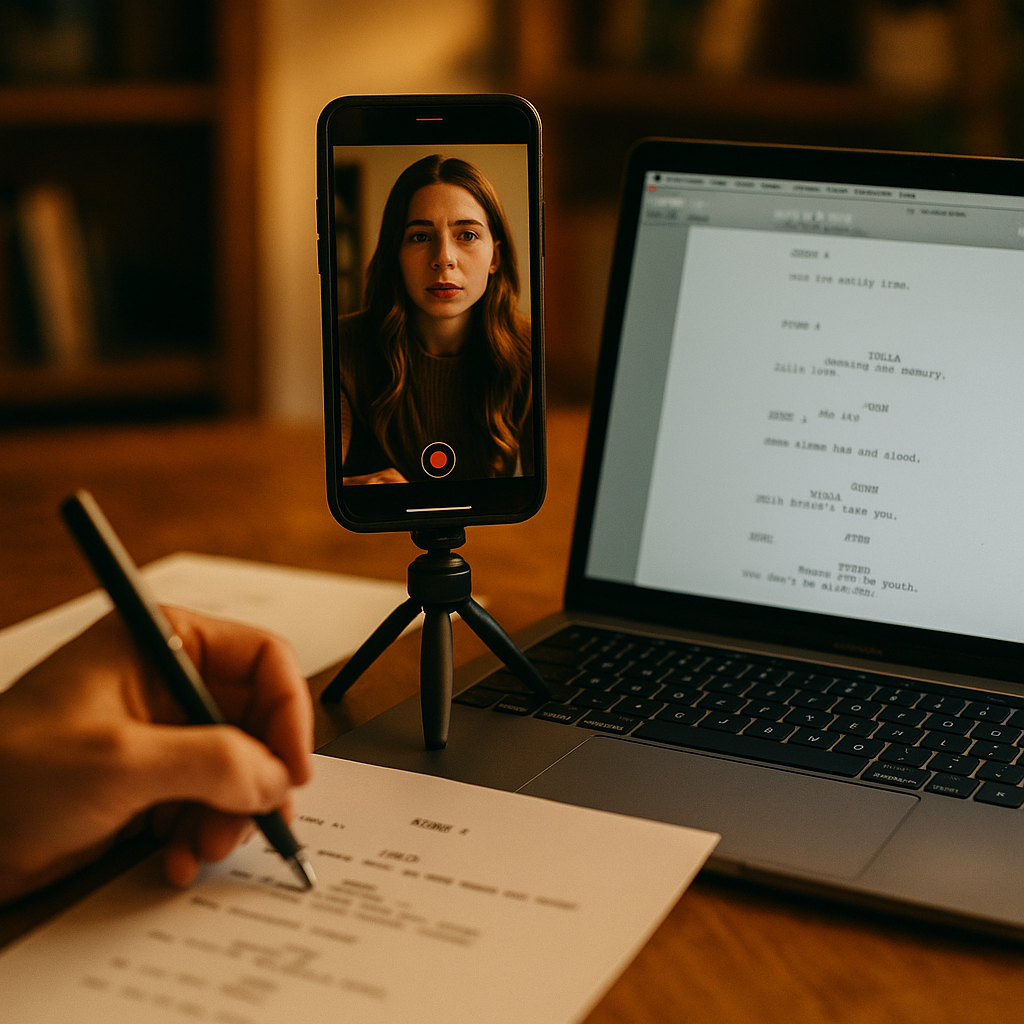
Vertical micro dramas now pull in more daily watch time on some apps than Netflix mobile sessions, according to eMarketer estimates on short form video consumption. That is not a niche trend anymore. It is a distribution channel brands are starting to buy into directly, scripting their own 60 to 90 second cliffhanger episodes instead of running one off ads. The micro drama branded series is the next evolution of vertical storytelling, and most brand teams have no idea how to produce one correctly.
What Exactly Is a Micro Drama Branded Series?
Think soap opera pacing compressed into TikTok runtime. A micro drama is a serialized fiction format, usually eight to forty episodes, each running under two minutes, built around a hook, a conflict, and a cliffhanger that forces the next tap. Apps like ReelShort and DramaBox popularized the genre with melodrama (secret billionaires, revenge plots, forbidden romance), and now brands are licensing the format for their own owned channels.
The branded version swaps pure entertainment for product integration. A skincare brand might run a five episode “office rival” storyline where the product shows up at a pivotal plot turn. It is native advertising with a plot, not a pitch.
Why Brands Are Buying Into the Format
Three reasons keep coming up in client briefs we review. First, attention spans on vertical feeds reward serialized hooks better than single ads, because a cliffhanger creates a reason to return tomorrow instead of scrolling past today. Second, production costs per minute of content are dropping as creator talent pools expand and phone-shot production becomes acceptable quality for the format. Third, series content builds a recurring touchpoint that a single UGC ad cannot replicate.
A well structured micro drama series does not need Hollywood production value. It needs a hook in the first three seconds of every episode and a reason to come back for the next one. Everything else is secondary.
This is the same discipline that makes recurring shoppable episodes work on TikTok Shop. Habit formation beats one off virality for lifetime value.
Anatomy of a Branded Episode: The Beat Sheet
Most successful branded micro dramas follow a loose but repeatable structure. Skip this and you get a boring commercial pretending to be fiction, which audiences spot in under five seconds.
- Cold open hook (0 to 3 seconds): a line of dialogue or visual conflict that raises a question. No brand logo, no intro music. Just tension.
- Setup (3 to 20 seconds): establish who wants what and what is in the way. Keep dialogue tight, this is not a short film.
- Escalation (20 to 50 seconds): the product or service enters organically, tied to the plot’s stakes, not bolted on.
- Cliffhanger (final 5 to 10 seconds): a reveal, a threat, or an unresolved question that only the next episode answers.
This pacing borrows heavily from techniques covered in our breakdown of narrative hooks that lower ad CPA. The difference with micro drama is you are stretching that hook logic across a series arc instead of a single 30 second spot.
Casting the Hybrid Creator Actor
Here is where most brand teams stumble. A micro drama needs performers who can act, not just influencers who can talk to camera. The best approach we have seen is a hybrid model: cast one recognizable creator as the lead for reach, then surround them with trained actors or drama school talent for supporting roles.
Script quality matters more than production polish. A flat line reading kills a cliffhanger faster than a shaky handheld shot ever will. Build in a table read before filming, even if it is just a video call. It is cheap insurance against wasted shoot days.
Scripting flaws also build trust when handled right. The same principle behind expectation versus reality skits applies here: audiences forgive an imperfect character faster than a perfect one.
Where to Distribute: Platform Selection Matters
Not every platform rewards serialized vertical fiction the same way. TikTok’s algorithm favors episodic hashtag chains and series playlists, which makes it strong for discovery but weak for retention beyond the app. Instagram Reels and YouTube Shorts give better series organization tools (playlists, series tabs) but slower organic discovery. Standalone micro drama apps offer built-in binge behavior but require a licensing or revenue share deal, and brand control over the narrative shrinks.
Most brands running their first series should stay on owned channels (TikTok and Instagram) before testing third party drama apps. Review TikTok’s ad platform documentation on series and playlist features before committing a production calendar, since format support changes often.
Budget Reality Check
A full micro drama series (eight episodes, hybrid cast, basic location work) typically runs in the mid five figures for a mid-tier brand, not the six figure territory a traditional branded content series would demand. The savings come from compressed runtimes, smaller crews, and reusable sets across episodes.
Treat the pilot episode as a test, not a commitment. If the hook does not hold attention past the three second mark in testing, no amount of plot in episode four will save the series.
Lock your scope before anyone picks up a camera. The teams that overspend are almost always the ones who started shooting without a finished episode map. Our piece on locking scope before the shoot covers the same discipline applied to branded documentary work, and it transfers directly to drama production.
Test Hooks Before You Script the Whole Arc
Do not write all eight episodes before testing the premise. Shoot three or four alternate cold opens for episode one, run them as separate test posts, and let engagement data tell you which conflict actually lands before you commit production budget to the full arc. This is the same multi hook logic described in multi hook testing, just applied to fiction instead of product demos.
Building a repeatable system around this testing phase pays off fast. Brands running quarterly series should set up a hook taxonomy system so writers are not reinventing cold opens from scratch every production cycle.
Disclosure and Compliance: Fiction Does Not Exempt You
This is the section legal teams will ask about, so get ahead of it. A scripted storyline with a product integration is still a paid endorsement under FTC guidance on material connections. “It’s just a show” is not a defense if the brand funded production and the product appears as part of a commercial message. Disclose clearly in the caption and, where the platform supports it, on screen at the point the product appears.
The same rules that govern a single sponsored post apply across every episode of a series. Treat each episode as its own disclosure checkpoint, not a one time disclaimer buried in episode one’s caption that nobody reads by episode six.
Measuring Success Beyond View Count
Views are a vanity metric for micro drama unless paired with completion rate and episode to episode retention. A series that drops 60% of viewers between episode one and two has a scripting problem, not a distribution problem. Track:
- Episode completion rate (not just total views)
- Series retention curve across the full arc
- Click through or shop action tied to specific episodes
- Comment sentiment on plot versus product mentions
If finance is asking for harder numbers before greenlighting a second season, apply the same framework laid out in product explainer KPIs. Narrative content needs the same accountability as a direct response ad, just measured on a longer curve.
Start small: script a three episode pilot arc, test two cold opens, and greenlight the full season only after the completion rate clears your retention benchmark. That discipline is what separates a branded micro drama that builds an audience from one that burns a production budget on episode one.
Frequently Asked Questions
What is a micro drama branded series?
It is a serialized vertical video format, typically eight to forty episodes under two minutes each, where a brand funds and scripts a fictional storyline with product integration built into the plot rather than presented as a standalone ad.
How much does a micro drama series cost to produce?
A basic eight episode series with hybrid creator and actor casting typically costs in the mid five figures for a mid-tier brand, far below traditional branded content series budgets, largely due to compressed runtimes and reusable locations.
Which platform works best for distributing a branded micro drama?
TikTok and Instagram Reels work well for owned channel discovery and series organization. Standalone micro drama apps offer stronger binge behavior but usually require a licensing or revenue share arrangement that reduces brand control.
Do branded micro dramas need FTC disclosure?
Yes. A scripted storyline funded by a brand with product integration is still a paid endorsement under FTC guidance, and each episode where the product appears should carry clear disclosure.
What metrics matter most for a micro drama series?
Episode completion rate and retention curve across the series matter more than raw view count. A steep drop between early episodes usually signals a scripting or pacing problem rather than a distribution issue.
Visible FAQ (duplicate for schema)
Top Influencer Marketing Agencies
The leading agencies shaping influencer marketing in 2026
Agencies ranked by campaign performance, client diversity, platform expertise, proven ROI, industry recognition, and client satisfaction. Assessed through verified case studies, reviews, and industry consultations.
Moburst

-
2

The Shelf
Boutique Beauty & Lifestyle Influencer AgencyA data-driven boutique agency specializing exclusively in beauty, wellness, and lifestyle influencer campaigns on Instagram and TikTok. Best for brands already focused on the beauty/personal care space that need curated, aesthetic-driven content.Clients: Pepsi, The Honest Company, Hims, Elf Cosmetics, Pure LeafVisit The Shelf → -
3

Audiencly
Niche Gaming & Esports Influencer AgencyA specialized agency focused exclusively on gaming and esports creators on YouTube, Twitch, and TikTok. Ideal if your campaign is 100% gaming-focused — from game launches to hardware and esports events.Clients: Epic Games, NordVPN, Ubisoft, Wargaming, Tencent GamesVisit Audiencly → -
4

Viral Nation
Global Influencer Marketing & Talent AgencyA dual talent management and marketing agency with proprietary brand safety tools and a global creator network spanning nano-influencers to celebrities across all major platforms.Clients: Meta, Activision Blizzard, Energizer, Aston Martin, WalmartVisit Viral Nation → -
5

The Influencer Marketing Factory
TikTok, Instagram & YouTube CampaignsA full-service agency with strong TikTok expertise, offering end-to-end campaign management from influencer discovery through performance reporting with a focus on platform-native content.Clients: Google, Snapchat, Universal Music, Bumble, YelpVisit TIMF → -
6

NeoReach
Enterprise Analytics & Influencer CampaignsAn enterprise-focused agency combining managed campaigns with a powerful self-service data platform for influencer search, audience analytics, and attribution modeling.Clients: Amazon, Airbnb, Netflix, Honda, The New York TimesVisit NeoReach → -
7

Ubiquitous
Creator-First Marketing PlatformA tech-driven platform combining self-service tools with managed campaign options, emphasizing speed and scalability for brands managing multiple influencer relationships.Clients: Lyft, Disney, Target, American Eagle, NetflixVisit Ubiquitous → -
8

Obviously
Scalable Enterprise Influencer CampaignsA tech-enabled agency built for high-volume campaigns, coordinating hundreds of creators simultaneously with end-to-end logistics, content rights management, and product seeding.Clients: Google, Ulta Beauty, Converse, AmazonVisit Obviously →