


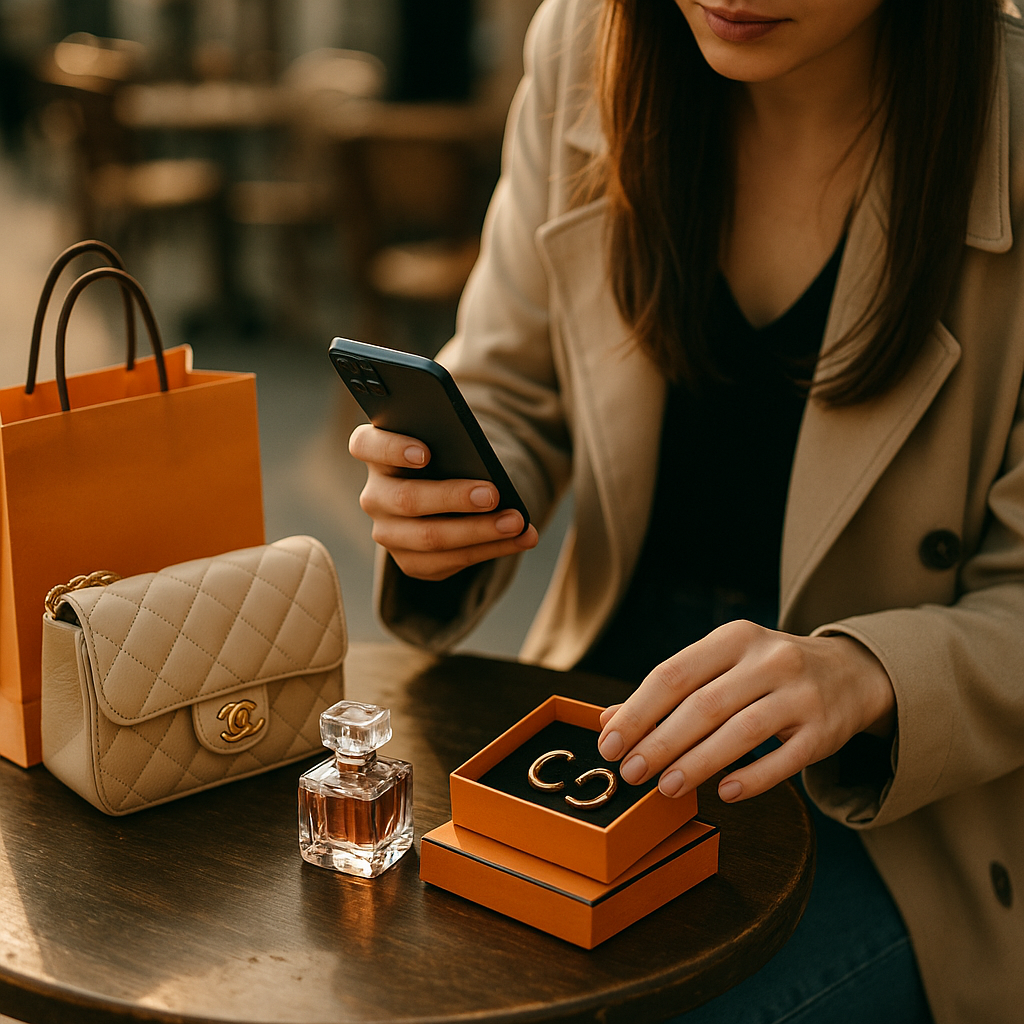
The rise of treatonomics is reshaping how people spend, save, and justify purchases in 2025. Instead of splurging on big-ticket luxuries, consumers increasingly choose small, frequent indulgences that feel manageable and emotionally rewarding. From premium coffee to mini skincare upgrades, these “little treats” are becoming a behavioral pattern, not a fad. What’s driving it—and how should brands respond?
Little treat culture explained: why small indulgences feel essential
Little treat culture describes a mindset where consumers reward themselves with affordable, often routine purchases that deliver quick satisfaction. The key is not the price tag; it’s the emotional payoff and perceived control. A $6 latte, a travel-size fragrance, or a limited-edition snack can feel like a personal win in a week filled with stress, uncertainty, and constant demands.
These purchases often sit in the “permission zone”—items that don’t require lengthy comparison shopping or long-term financial commitment. Consumers can justify them as harmless, practical, or even self-care. In 2025, that justification matters more because many households still feel cost pressure in essentials like housing, utilities, and groceries. When major goals feel delayed, small pleasures become a way to reclaim momentum.
This culture thrives in social environments that normalize small rewards. Short-form content and “a little treat” rituals turn everyday spending into a shareable identity: a tiny celebration after a meeting, a micro-upgrade after a tough commute, or a small snack on the way home. The behavior is not purely impulsive; it’s often planned as a coping strategy and a mood-management tool.
What readers usually ask next is whether this is simply “impulse buying.” It overlaps, but it isn’t identical. Impulse buying is unplanned and often followed by regret. Little treats can be budgeted, anticipated, and repeated with minimal guilt—especially when brands frame them as attainable, limited, or “worth it.”
Treatonomics in consumer behavior: the psychology behind micro-luxury spending
Treatonomics in consumer behavior explains why consumers lean into small indulgences during times of perceived constraint. Several psychological mechanisms show up consistently in research and market observation:
- Affordable control: When large financial goals feel out of reach, consumers seek purchases that restore a sense of agency.
- Reward substitution: If big experiences (travel, home upgrades) are delayed, smaller rewards step in to fill the emotional gap.
- Present bias: People naturally overvalue immediate benefits. A quick mood lift can outweigh abstract future savings.
- Stress relief loops: A predictable “treat ritual” can reduce perceived stress, even if the effect is temporary.
- Identity signaling: Tiny luxuries can communicate taste and belonging without a luxury price point.
Importantly, treatonomics isn’t just “people spending more.” It’s a reallocation. Consumers often trade down in one area to trade up in another. For example, someone may reduce restaurant dinners but buy higher-quality snacks, coffee, or skincare. That shift is why brands can misread the market: topline spending may look stable while category-level behavior changes dramatically.
A practical implication: consumers become more sensitive to “value shape,” not just price. They want sensory payoff (taste, texture, design), immediate usefulness, and a story they can repeat to themselves: “This is my one thing.” If a product lacks that narrative, it loses to something that feels more emotionally efficient.
Affordable luxury trends 2025: where little treats show up most
Affordable luxury trends 2025 show consumers concentrating treat spending in categories that deliver fast gratification, visible results, or a ritualized experience. In many markets, the strongest “little treat” areas share three traits: low barrier to entry, frequent replenishment, and a premium tier that feels meaningfully better.
Food and beverage remains the clearest example. Premium coffee, functional drinks, specialty chocolates, and globally inspired snacks offer immediate sensory reward and are easy to justify as “just a few dollars.” Limited drops and seasonal flavors intensify urgency without requiring a major commitment.
Beauty and personal care continues to benefit from micro-luxury logic. Mini sizes, travel kits, and “skin reset” products position results as quick and visible. Consumers also treat beauty as a controlled environment: you can’t control the news cycle, but you can control your routine.
Small fashion accessories (socks, caps, jewelry, hair accessories) allow style expression at manageable prices. Consumers who postpone large wardrobe updates often buy one standout item to refresh how they feel.
Home comfort purchases—candles, bedding upgrades, small decor—fit the 2025 reality of more time spent at home for work or recovery. These items convert money into atmosphere, which is a powerful emotional value.
Digital micro-indulgences also matter: a paid subscription upgrade, a premium template, or an in-app feature that reduces friction. Consumers increasingly treat “less hassle” as a luxury.
Readers often wonder: does this mean premium brands should only go smaller and cheaper? Not exactly. The winning move is to create a coherent ladder—entry items that feel premium, mid-tier bundles that deepen habit, and “hero” products that validate the brand’s quality. Little treats are an on-ramp, not a downgrade.
Emotional spending triggers: how stress, social media, and rituals shape purchases
Emotional spending triggers fuel treatonomics, but they are not random. They cluster around predictable moments and contexts, which makes them measurable and addressable for both consumers and businesses.
Stress and fatigue push consumers toward quick rewards. When cognitive load is high, people rely on shortcuts: familiar brands, simple decisions, and products with immediate sensory payoff. That’s why the best “treat” products often have clear cues—flavor notes, visible benefits, or a recognizable packaging ritual.
Social media amplifies these behaviors by turning consumption into content. “Small joys” videos, haul culture, and routine content can normalize frequent indulgences. The mechanism is less about direct persuasion and more about repeated exposure to treat rituals as a lifestyle default. In 2025, the most effective content doesn’t scream “buy this”; it shows a moment: opening, sipping, applying, unboxing, relaxing.
Ritual design is a major driver. People don’t just buy products; they buy transitions: the commute coffee, the post-work snack, the Sunday reset mask. Brands that map to these transitions become habit anchors.
Scarcity and novelty also act as triggers. Limited editions and seasonal releases can be ethical if they’re transparent and not manipulative. Consumers respond because novelty signals a fresh reward without requiring a major decision.
If you’re thinking, “Isn’t this encouraging unhealthy coping?” it can, if brands exploit anxiety or encourage excessive frequency. Responsible brands focus on positive reinforcement—comfort, creativity, taste, convenience—without implying that a purchase is the only path to wellbeing.
Brand strategy for little treats: pricing, product design, and trust-building
Brand strategy for little treats succeeds when it respects consumer intelligence and delivers consistent value at small price points. In 2025, treatonomics rewards brands that make the “yes” decision easy and the post-purchase feeling even better.
1) Build an entry-level premium that doesn’t feel like a compromise
Consumers can spot “shrinkflation vibes” instantly. If an item is smaller, it must be better in another way: a more intense flavor, a more effective formula, a better experience, or a collectible design. Entry products should signal the brand’s quality, not dilute it.
2) Price for frequency, not extraction
Little treats are repeat purchases. A short-term margin grab can kill long-term habit. Smart pricing keeps the “permission zone” intact while reserving premium upgrades for truly superior features.
3) Design for ritual and shareability
Packaging that opens smoothly, a scent that blooms instantly, a texture that feels premium, or a “first sip” moment—these details matter. Make the experience easy to film and easy to describe without forcing social sharing.
4) Use bundling to reduce decision fatigue
Curated bundles (a trio of flavors, a mini routine kit) help consumers feel like they made a smart choice. Bundles also create a “treat arc”: not one hit of dopamine, but a series of small moments.
5) Win with transparency and evidence
EEAT best practices matter most in categories where claims are easy to exaggerate—beauty, wellness, functional foods, and supplements. Use plain-language ingredients, clear sourcing, and honest benefit statements. If you cite performance, tie it to verifiable testing methods and avoid implying medical outcomes unless legitimately supported.
6) Support consumer self-control rather than undermining it
Offer smaller sizes, subscription pause options, and clear return policies. Respectful choice architecture builds trust, and trust is a competitive advantage when consumers are buying frequently.
Consumers also want to know: how can I enjoy little treats without financial drift? Brands can help by offering transparent unit pricing, budgeting-friendly multipacks, and loyalty programs that reward consistency rather than pushing higher and higher spend.
Responsible treatonomics: balancing joy, budgets, and long-term loyalty
Responsible treatonomics acknowledges a central truth: little treats can be healthy and sustainable when consumers feel in control. They become harmful when they replace fundamentals—savings, essentials, or mental health support—or when marketing pressures people into buying to “fix” insecurity.
For consumers, the most effective approach is to treat little treats as a line item, not a loophole. A simple rule works: choose a monthly “joy budget,” pick a few high-satisfaction treats, and avoid mindless stacking (coffee plus snack plus delivery fees plus add-ons). The goal is not deprivation; it’s intentionality.
For brands, responsibility is not a moral accessory—it is loyalty insurance. In 2025, consumers reward companies that feel steady and truthful. They don’t need perfection; they want clarity. If a product is indulgent, say so. If it’s functional, define what “functional” means and where the limits are.
Responsible practices also include accessible customer service, clear ingredient disclosures, durable packaging choices where feasible, and community engagement that isn’t performative. When consumers buy small items frequently, trust compounds quickly—either positively or negatively.
FAQs about treatonomics and little treat culture
What is treatonomics?
Treatonomics is a consumer behavior pattern where people prioritize small, frequent indulgences—often affordable “micro-luxuries”—especially when larger discretionary spending feels constrained. It reflects a shift in how consumers seek comfort, control, and reward.
How is little treat culture different from impulse buying?
Impulse buying is typically unplanned and can lead to regret. Little treat culture often involves repeatable rituals and deliberate “permission” purchases that consumers justify as manageable and mood-boosting.
Why is treatonomics rising in 2025?
Consumers face ongoing pressure in essential expenses and uncertainty about big milestones. Small indulgences deliver immediate emotional value with limited commitment, making them feel rational and sustainable compared with major splurges.
Which industries benefit most from little treat behavior?
Food and beverage, beauty/personal care, small accessories, home comfort items, and digital upgrades tend to benefit because they offer quick payoff, low friction to purchase, and easy repeatability.
How can brands market little treats ethically?
Focus on honest value, transparent claims, and products that genuinely deliver delight or utility. Avoid fear-based messaging, unrealistic outcomes, or manipulative scarcity. Support consumer control with clear pricing, flexible subscriptions, and straightforward policies.
How can consumers enjoy little treats without overspending?
Create a monthly budget for discretionary treats, pick a few high-satisfaction favorites, and watch “stacking” costs like delivery fees and add-ons. Treat purchases as intentional rewards, not automatic defaults.
Treatonomics and little treat culture will continue to shape spending in 2025 because they fit modern life: tight budgets, high stress, and a desire for small moments of control. Consumers aren’t abandoning value—they’re redefining it as fast, repeatable satisfaction. Brands that deliver real quality, transparent claims, and ritual-friendly experiences will earn repeat loyalty. The takeaway: make treats intentional, trustworthy, and worth repeating.
Top Influencer Marketing Agencies
The leading agencies shaping influencer marketing in 2026
Agencies ranked by campaign performance, client diversity, platform expertise, proven ROI, industry recognition, and client satisfaction. Assessed through verified case studies, reviews, and industry consultations.
Moburst

-
2

The Shelf
Boutique Beauty & Lifestyle Influencer AgencyA data-driven boutique agency specializing exclusively in beauty, wellness, and lifestyle influencer campaigns on Instagram and TikTok. Best for brands already focused on the beauty/personal care space that need curated, aesthetic-driven content.Clients: Pepsi, The Honest Company, Hims, Elf Cosmetics, Pure LeafVisit The Shelf → -
3

Audiencly
Niche Gaming & Esports Influencer AgencyA specialized agency focused exclusively on gaming and esports creators on YouTube, Twitch, and TikTok. Ideal if your campaign is 100% gaming-focused — from game launches to hardware and esports events.Clients: Epic Games, NordVPN, Ubisoft, Wargaming, Tencent GamesVisit Audiencly → -
4

Viral Nation
Global Influencer Marketing & Talent AgencyA dual talent management and marketing agency with proprietary brand safety tools and a global creator network spanning nano-influencers to celebrities across all major platforms.Clients: Meta, Activision Blizzard, Energizer, Aston Martin, WalmartVisit Viral Nation → -
5

The Influencer Marketing Factory
TikTok, Instagram & YouTube CampaignsA full-service agency with strong TikTok expertise, offering end-to-end campaign management from influencer discovery through performance reporting with a focus on platform-native content.Clients: Google, Snapchat, Universal Music, Bumble, YelpVisit TIMF → -
6

NeoReach
Enterprise Analytics & Influencer CampaignsAn enterprise-focused agency combining managed campaigns with a powerful self-service data platform for influencer search, audience analytics, and attribution modeling.Clients: Amazon, Airbnb, Netflix, Honda, The New York TimesVisit NeoReach → -
7

Ubiquitous
Creator-First Marketing PlatformA tech-driven platform combining self-service tools with managed campaign options, emphasizing speed and scalability for brands managing multiple influencer relationships.Clients: Lyft, Disney, Target, American Eagle, NetflixVisit Ubiquitous → -
8

Obviously
Scalable Enterprise Influencer CampaignsA tech-enabled agency built for high-volume campaigns, coordinating hundreds of creators simultaneously with end-to-end logistics, content rights management, and product seeding.Clients: Google, Ulta Beauty, Converse, AmazonVisit Obviously →