


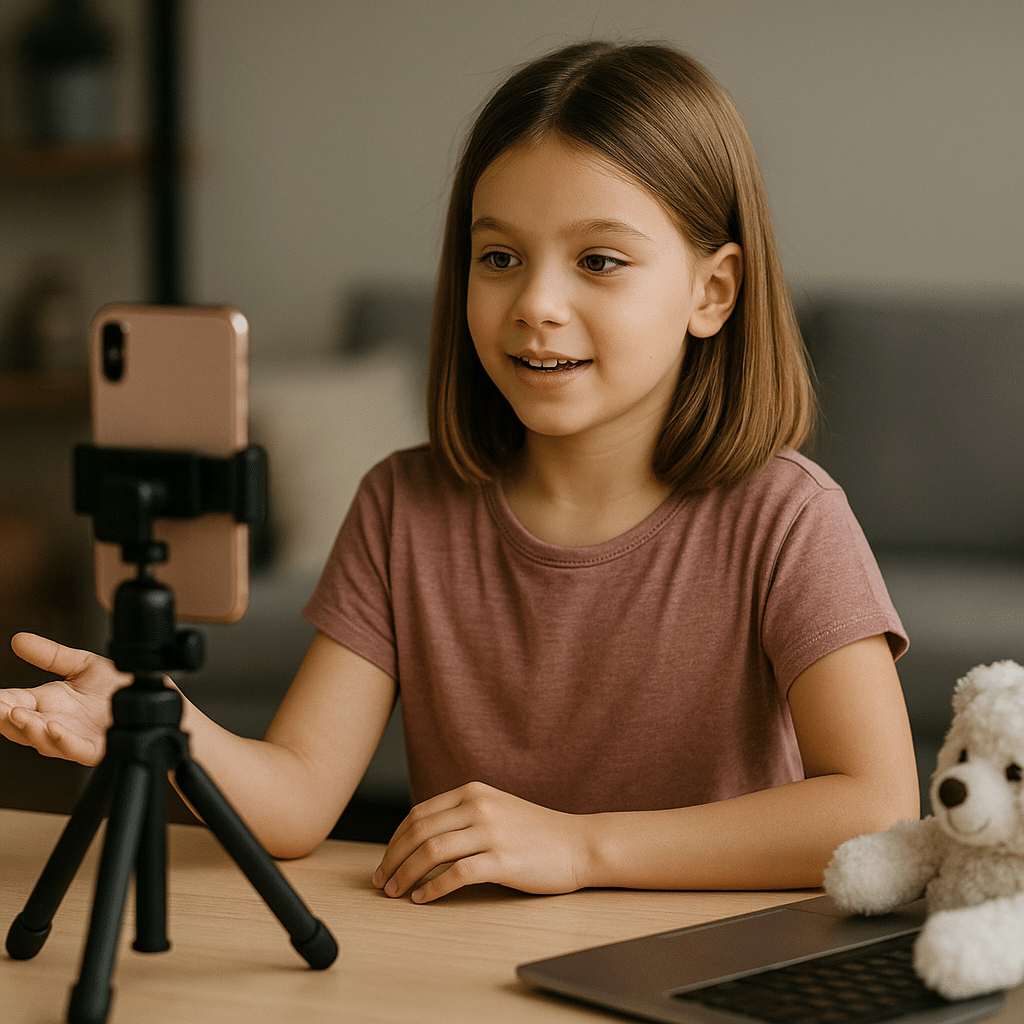
Child influencers have become a dominant force in digital marketing, sparking both opportunity and concern for brands. As regulations shift in 2025, understanding the legal and ethical guidelines for brands working with child influencers is essential. In this rapidly changing landscape, what do responsible partnerships require and how can brands navigate this terrain effectively?
Understanding Child Influencers in the 2025 Digital Landscape
Child influencers—minors creating and sharing content on platforms like YouTube, TikTok, and Instagram—now command significant audiences and revenues. According to recent industry surveys, over 30% of brands included child influencers in campaigns last quarter alone. This prevalence, combined with evolving technology and tighter scrutiny, means brands must adapt their strategies to remain both effective and compliant.
The distinction between child influencers and traditional child actors lies in ownership, control, and content creation. Many young creators now operate their own channels or have family-run enterprises, blurring lines between work and play. This unique environment requires nuanced understanding from brands seeking ethical collaborations.
Navigating Legal Obligations: The Child Influencer Legislation
In 2025, legislation governing child influencers has tightened across major markets. The introduction of “child digital labor” statutes in markets such as the United States, EU, and Australia mandates:
- Work permits and hours: Children working as influencers must now have formal permits, with enforced limits on daily work and filming hours.
- Mandatory earnings protection: A minimum of 30% of a child influencer’s income must be set aside in protected accounts, inaccessible until the child reaches legal age.
- Disclosure requirements: All advertisements and branded content must be clearly labeled, with child creators and their guardians required to signal sponsored videos or posts explicitly.
- Guardian oversight: Parents or legal guardians must co-sign agreements and participate in all contract negotiations.
For brands, this means meticulous vetting of contracts and employment terms for any minor, partnering exclusively with influencer families and agencies that demonstrate compliance. Neglecting these legal steps can result in hefty penalties and severe reputational damage.
Ethical Considerations for Brands Collaborating with Minors
Legal compliance is just the baseline for sustainable influencer marketing. Ethical guidelines are equally critical for brands seeking to build trust and avoid backlash. Here are key ethical standards:
- Prioritize wellbeing: Brands are expected to assess every campaign’s impact on a child’s mental and physical health, avoiding excessive workloads and intrusive requirements.
- Age-appropriate content: All collaborations must align with what is healthy and suitable for a child’s age. Brands should not pressure minors into content or products outside their maturity level.
- Respect privacy: Brands should never request or incentivize disclosure of private family moments or personal data beyond what is shared voluntarily and safeguarded by guardians.
- Inclusion and diversity: Ethical partnerships reflect genuine inclusion, steering clear of stereotypes and tokenism commonly seen in influencer campaigns.
Transparency remains the cornerstone. Successful brands draft clear, accessible partnership policies that inform audiences, guardians, and industry partners alike of their ethical commitments. This approach separates leaders from opportunists in 2025’s competitive landscape.
Best Practices for Brand Partnerships with Child Influencers
Brands looking to excel with child influencer marketing should adhere to proven best practices that go beyond simple compliance:
- Due diligence: Research each influencer’s track record and their family’s approach to online safety, finance, and wellbeing. Collaborate only with those who demonstrate robust, proactive guardianship.
- Transparent agreements: Contracts must be written in clear, accessible language, outlining all rights, obligations, and restrictions for both parties. All deliverables and compensation must be age-appropriate.
- Third-party oversight: Work with registered talent agencies or child advocacy consultants who monitor the minor’s workload, content, and online exposure.
- Feedback and recourse: Provide clear avenues for influencers and their guardians to offer feedback or withdraw from partnerships if they feel uncomfortable at any stage.
- Continuous review: Regularly assess all partnerships to align with evolving legal standards and best practices. This protects both the brand’s interests and the child’s rights.
Implementing these steps fosters trust, reduces risk, and ensures a sustainable, positive influencer relationship that stands up to both legal scrutiny and public expectations.
The Impact of Emerging Technology on Child Influencer Marketing
Technology is reshaping every aspect of how brands interact with child influencers. Real-time analytics, AI-driven audience segmentation, and smart contract management are now commonplace. These tools can help brands:
- Monitor workloads: Automated tools track posting frequency, hours logged, and exposure risk, alerting brands and guardians if red flags emerge.
- Enhance disclosure: Built-in ad labels on short-form videos and livestreams ensure that even micro-ads are compliant with child advertising statutes.
- Protect privacy: AI filters can detect and mask sensitive personal information shared by minors before publication.
- Optimize content: Real-time audience data helps brands tailor content to be both effective and age-appropriate without crossing ethical boundaries.
While these innovations create opportunities for efficiency and safety, they also demand vigilance. Brands must regularly audit their technological tools for bias, privacy, and compliance gaps—especially as regulations continue to adapt to new threats and challenges in 2025.
Building Trust with Audiences: Reputation Management in the Age of Child Influencers
In 2025, audience trust is both the highest currency and the greatest risk in influencer marketing. Public awareness of child protection issues has never been sharper. Brands that misstep can face immediate backlash via viral social campaigns and sustained media scrutiny.
To proactively build and safeguard brand reputation, companies should:
- Champion transparency: Share policies and practices publicly, including how children’s earnings and privacy are protected.
- Support advocacy: Partner with independent child safety organizations and fund industry-wide initiatives to improve standards.
- Respond swiftly: Should issues arise, immediately address concerns and communicate corrective steps to both the audience and affected influencers.
- Center authentic voices: Lift up the perspectives of young creators and their guardians in campaigns rather than exert corporate control.
Authenticity, clarity, and real action are what set apart trusted brands. In working with child influencers, reputation is built not only in what a brand says, but in how consistently it acts on its ethical and legal promises.
Conclusion: Responsible Child Influencer Partnerships in 2025
Brands navigating the world of child influencers in 2025 face high stakes and higher expectations. By rigorously following legal requirements and placing child welfare and ethical transparency at the core, companies can create impactful, reputable partnerships while safeguarding young creators’ futures.
FAQs: Brands and Child Influencer Guidelines in 2025
-
Q: Are brands liable for breaches of child labor laws by influencer families?
A: Yes. Brands can face financial and reputational penalties if due diligence is not exercised, even if violations originate with an influencer’s guardian or agency.
-
Q: How can brands confirm a child influencer’s work hours and earning protection compliance?
A: Require documented work permits, time logs, and proof of protected earnings accounts during contract negotiations and campaign reporting.
-
Q: What if guardians push back against brand disclosure requirements?
A: All parties are legally obligated to clearly mark sponsored posts and advertisements. Brands should make compliance a non-negotiable term in all contracts.
-
Q: Are there global standards for child influencer marketing in 2025?
A: While many regions share core guidelines—such as earning protections and disclosure—requirements can vary. Brands must adapt practices based on each campaign’s geographic reach.
-
Q: How can brands support the wellbeing of the child influencer beyond legal minimums?
A: Implement rigorous ethical reviews, reduce campaign demands, fund wellness programs, and ensure independent advocacy oversight in all collaborations.
Top Influencer Marketing Agencies
The leading agencies shaping influencer marketing in 2026
Agencies ranked by campaign performance, client diversity, platform expertise, proven ROI, industry recognition, and client satisfaction. Assessed through verified case studies, reviews, and industry consultations.
Moburst

-
2

The Shelf
Boutique Beauty & Lifestyle Influencer AgencyA data-driven boutique agency specializing exclusively in beauty, wellness, and lifestyle influencer campaigns on Instagram and TikTok. Best for brands already focused on the beauty/personal care space that need curated, aesthetic-driven content.Clients: Pepsi, The Honest Company, Hims, Elf Cosmetics, Pure LeafVisit The Shelf → -
3

Audiencly
Niche Gaming & Esports Influencer AgencyA specialized agency focused exclusively on gaming and esports creators on YouTube, Twitch, and TikTok. Ideal if your campaign is 100% gaming-focused — from game launches to hardware and esports events.Clients: Epic Games, NordVPN, Ubisoft, Wargaming, Tencent GamesVisit Audiencly → -
4

Viral Nation
Global Influencer Marketing & Talent AgencyA dual talent management and marketing agency with proprietary brand safety tools and a global creator network spanning nano-influencers to celebrities across all major platforms.Clients: Meta, Activision Blizzard, Energizer, Aston Martin, WalmartVisit Viral Nation → -
5

The Influencer Marketing Factory
TikTok, Instagram & YouTube CampaignsA full-service agency with strong TikTok expertise, offering end-to-end campaign management from influencer discovery through performance reporting with a focus on platform-native content.Clients: Google, Snapchat, Universal Music, Bumble, YelpVisit TIMF → -
6

NeoReach
Enterprise Analytics & Influencer CampaignsAn enterprise-focused agency combining managed campaigns with a powerful self-service data platform for influencer search, audience analytics, and attribution modeling.Clients: Amazon, Airbnb, Netflix, Honda, The New York TimesVisit NeoReach → -
7

Ubiquitous
Creator-First Marketing PlatformA tech-driven platform combining self-service tools with managed campaign options, emphasizing speed and scalability for brands managing multiple influencer relationships.Clients: Lyft, Disney, Target, American Eagle, NetflixVisit Ubiquitous → -
8

Obviously
Scalable Enterprise Influencer CampaignsA tech-enabled agency built for high-volume campaigns, coordinating hundreds of creators simultaneously with end-to-end logistics, content rights management, and product seeding.Clients: Google, Ulta Beauty, Converse, AmazonVisit Obviously →