


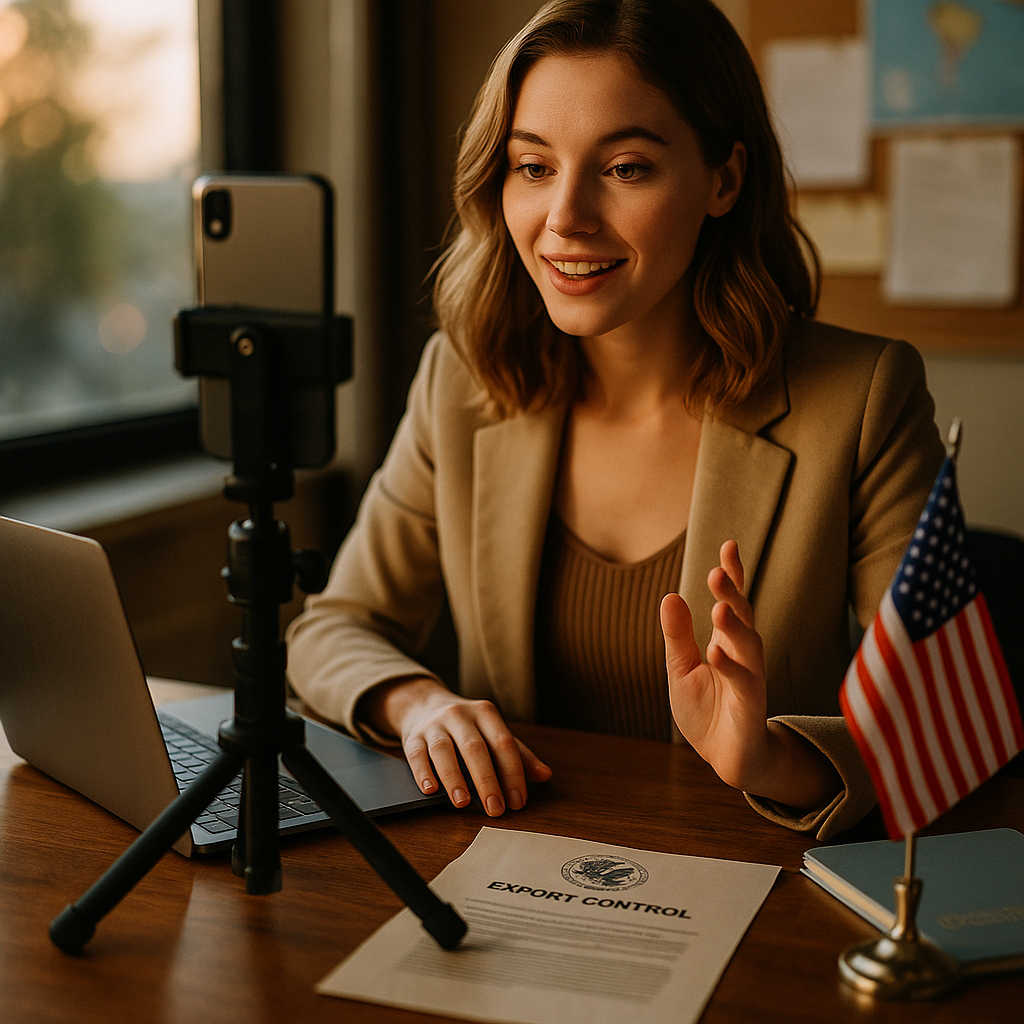
Export control laws shape how businesses and individuals share sensitive goods, technology, and information globally. For brands orchestrating international influencer campaigns in 2025, compliance is both vital and complex. Failing to follow these regulations can devastate reputations and finances. So, how can you maximize cross-border influence—while staying firmly on the right side of the law?
Understanding Export Control Laws: The Foundation of Cross-Border Marketing
Export control laws regulate the transfer, sharing, or export of goods, services, technology, and information that could impact national security or foreign policy. In 2025, these rules now cover not only traditional products like weapons or software, but also data, know-how, and digital assets that flow across platforms in international influencer campaigns.
Key authorities such as the United States’ Bureau of Industry and Security (BIS), the European Union, and jurisdictions like the United Kingdom have all expanded the scope of export controls. They monitor:
- Physical goods (hardware, electronics, consumer products)
- Software (including cloud-based tools and apps)
- Technical data or know-how (designs, source code, proprietary business information)
In influencer marketing, digital content creation often involves software tools, technical consultation, or targeted knowledge-sharing. The key question: Does your campaign, content, or collaboration involve regulated technology, data, or know-how being shared with influencers or audiences in other countries?
International Influencer Campaigns and Dual-Use Risks
The line between harmless lifestyle content and regulated exports is not always clear-cut. Dual-use items—products, software, or information with both commercial and military applications—are strictly controlled in 2025. With influencer campaigns, risks include:
- Sharing software demos or design files for products subject to export controls
- Revealing technical specifications through influencer-led reviews
- Broadcasting proprietary information during webinars or virtual events targeting foreign markets
Even if the aim is simple brand promotion, sharing certain information with influencers outside your home country can unintentionally trigger export control laws. This is especially true for industries like electronics, cybersecurity, aerospace, biotech, and automotive technology—all frequent collaborators with global digital talent.
Authorities are increasingly scrutinizing digital content, influencer collaborations, and campaign strategies for potential breaches. A 2024 survey by Gartner suggested 61% of multinational marketing departments had conducted a compliance review for export-controlled materials in digital campaigns—a sharp rise over previous years.
Compliance Processes: Protecting Your Brand and Campaign
Smart brands in 2025 integrate export control compliance into every stage of their international influencer programs. Here’s how you can do the same:
- Identify regulated content: Work with your legal team to flag any materials, software tools, or technical data subject to export laws. Ask: Will any influencer access or share restricted information?
- Assess influencer locations: Understand not only where talent is based, but also where their content will be distributed. Export rules apply to both direct and indirect communications with regulated countries or parties.
- Secure the right authorizations: Obtain licenses for exports of controlled material when campaign content, briefings, or demos involve restricted goods or know-how. Don’t rely on verbal permissions—document everything.
- Communicate compliance obligations: Educate influencer partners about dos and don’ts regarding sensitive products, language, or disclosures.
- Monitor and audit: Routinely check published content and campaign activities for ongoing compliance. Tools that track digital distribution and flag potential violations are a must.
By embedding these steps into campaign workflows, your brand avoids unintentional violations—and builds trust with partners and consumers alike.
Navigating Jurisdictional Complexities in 2025
With influencer marketing, a single post could be created in France, scheduled on a U.S. platform, and reach viewers in China. Export control laws can apply based on:
- Origin of the regulated item or data
- Location of influencer or content creator
- Destination audience’s location
In 2025, the extraterritorial reach of U.S., UK, and EU export laws means your campaign may need to comply with multiple legal systems. Some jurisdictions enforce “catch-all” provisions, covering a broad range of activities and requiring due diligence to avoid distribution to prohibited nations or blacklisted entities.
Work with export compliance experts to map out these overlapping rules before launching a transnational influencer campaign. Failing to do so risks criminal charges, blocked campaigns, or reputational harm for both brand and influencer.
Technology’s Role: Automation and Risk Mitigation
Leading brands are harnessing advanced technology to automate and streamline export control compliance in influencer marketing. Here’s what 2025’s landscape looks like:
- AI-powered screening: Automated tools vet campaign content, influencer partners, and distribution lists against sanction and watchlists in real-time.
- Digital asset management: Platforms maintain clear records of campaign content, versions, licensing status, and access logs for auditability.
- Geo-fencing tools: Analytics block content from being accessed in blacklisted countries, minimizing unnecessary exposure.
- Compliance dashboards: Centralize oversight for legal teams, allowing proactive monitoring and intervention when risks arise.
Investment in these technologies is surging. According to a 2025 Deloitte report, 74% of brands running influencer campaigns in regulated sectors utilize at least one AI-based compliance tool—reflecting the increasing importance of digital due diligence.
Building a Culture of Compliance Among Influencers
Even the best legal processes and tech tools are only as strong as the people behind them. Cultivating a compliance-first mindset among influencer partners is crucial:
- Transparent collaboration: Share clear guidelines about what can and cannot be disclosed within sponsored content or live sessions.
- Regular training: Offer briefings and resources tailored for influencers who cover technical, scientific, or B2B topics subject to export laws.
- Feedback mechanisms: Encourage influencers to flag concerns or uncertainties about campaign material before publication.
- Incentivize best practices: Recognize and reward those who demonstrate strong compliance, reinforcing positive behavior across your network.
Ultimately, export control compliance should empower—not hinder—influencer creativity and reach. When influencers are confident in what’s permissible, campaigns are both compelling and secure by design.
Conclusion: Achieving Impact Without Risk in Global Influencer Campaigns
Export control laws and international influencer campaigns are deeply intertwined in 2025. By understanding legal boundaries, utilizing smart technology, and engaging influencers as compliance allies, you can create boundary-pushing global campaigns—without crossing any legal lines. The brands that thrive will be those who lead with both creativity and a relentless commitment to compliant innovation.
FAQs: Export Control Laws and International Influencer Campaigns
-
What are export control laws in the context of influencer marketing?
They are regulations that govern the sharing or distribution of goods, software, and technical information—particularly sensitive or dual-use items—across national borders, including via digital and influencer-led content.
-
Which industries are most at risk for export control violations in influencer campaigns?
Industries like technology, cybersecurity, aerospace, defense, biotech, and advanced manufacturing are most vulnerable, especially those involving regulated technologies or proprietary data in their influencer content.
-
How can brands ensure compliance when working with international influencers?
Evaluate campaign materials and channels for controlled content, assess influencer and audience locations, secure necessary licenses, educate partners, and deploy compliance technologies for monitoring and audit trails.
-
Can an influencer inadvertently trigger an export control violation?
Yes. Simply sharing detailed technical data or restricted software in public posts, webinars, or collaborations with audiences in embargoed countries may constitute a violation, even if unintentional.
-
What are the potential penalties for export control breaches?
Breach of export control laws—especially in highly regulated sectors—can lead to severe financial penalties, loss of business licenses, criminal prosecution, and lasting damage to brand reputation.
Top Influencer Marketing Agencies
The leading agencies shaping influencer marketing in 2026
Agencies ranked by campaign performance, client diversity, platform expertise, proven ROI, industry recognition, and client satisfaction. Assessed through verified case studies, reviews, and industry consultations.
Moburst

-
2

The Shelf
Boutique Beauty & Lifestyle Influencer AgencyA data-driven boutique agency specializing exclusively in beauty, wellness, and lifestyle influencer campaigns on Instagram and TikTok. Best for brands already focused on the beauty/personal care space that need curated, aesthetic-driven content.Clients: Pepsi, The Honest Company, Hims, Elf Cosmetics, Pure LeafVisit The Shelf → -
3

Audiencly
Niche Gaming & Esports Influencer AgencyA specialized agency focused exclusively on gaming and esports creators on YouTube, Twitch, and TikTok. Ideal if your campaign is 100% gaming-focused — from game launches to hardware and esports events.Clients: Epic Games, NordVPN, Ubisoft, Wargaming, Tencent GamesVisit Audiencly → -
4

Viral Nation
Global Influencer Marketing & Talent AgencyA dual talent management and marketing agency with proprietary brand safety tools and a global creator network spanning nano-influencers to celebrities across all major platforms.Clients: Meta, Activision Blizzard, Energizer, Aston Martin, WalmartVisit Viral Nation → -
5

The Influencer Marketing Factory
TikTok, Instagram & YouTube CampaignsA full-service agency with strong TikTok expertise, offering end-to-end campaign management from influencer discovery through performance reporting with a focus on platform-native content.Clients: Google, Snapchat, Universal Music, Bumble, YelpVisit TIMF → -
6

NeoReach
Enterprise Analytics & Influencer CampaignsAn enterprise-focused agency combining managed campaigns with a powerful self-service data platform for influencer search, audience analytics, and attribution modeling.Clients: Amazon, Airbnb, Netflix, Honda, The New York TimesVisit NeoReach → -
7

Ubiquitous
Creator-First Marketing PlatformA tech-driven platform combining self-service tools with managed campaign options, emphasizing speed and scalability for brands managing multiple influencer relationships.Clients: Lyft, Disney, Target, American Eagle, NetflixVisit Ubiquitous → -
8

Obviously
Scalable Enterprise Influencer CampaignsA tech-enabled agency built for high-volume campaigns, coordinating hundreds of creators simultaneously with end-to-end logistics, content rights management, and product seeding.Clients: Google, Ulta Beauty, Converse, AmazonVisit Obviously →