


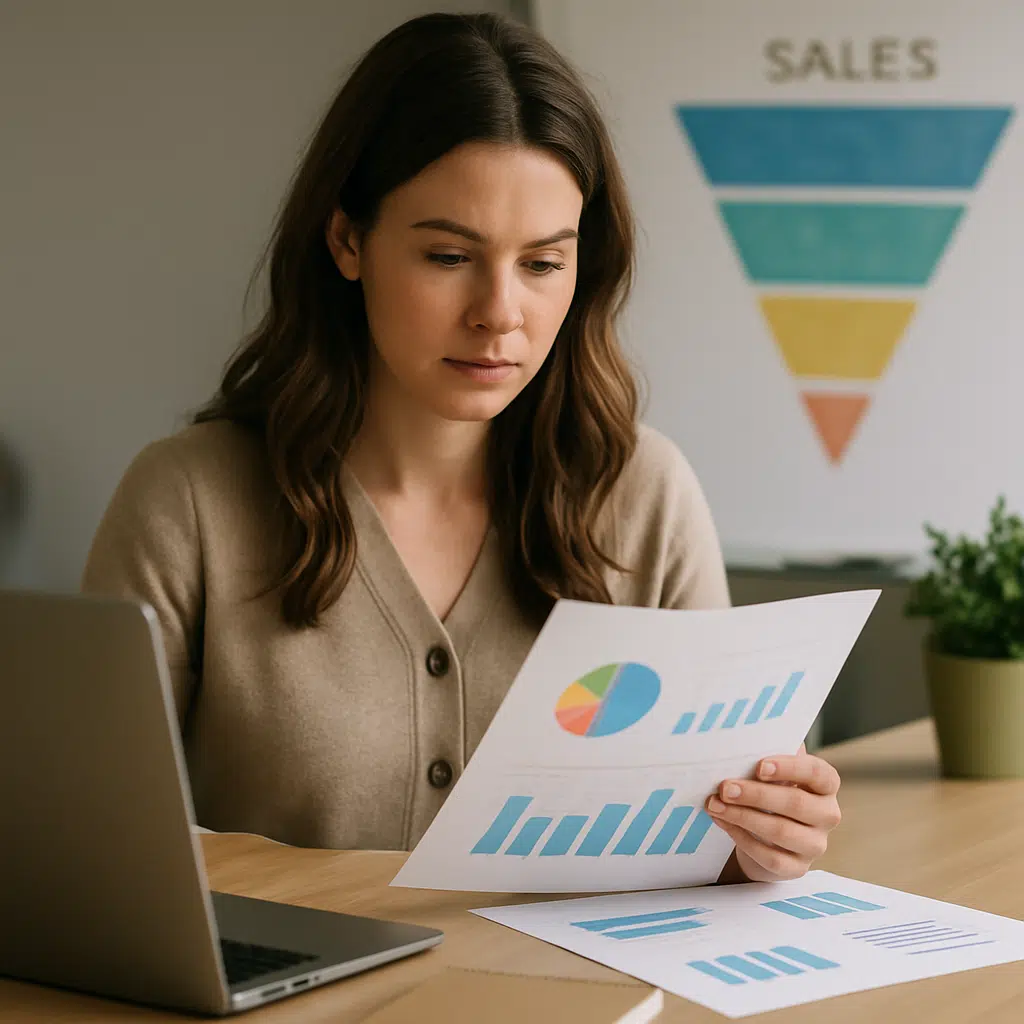
In the dynamic world of digital marketing, budgets by funnel stage are crucial for maximizing the impact of influencer collaborations in 2025. Understanding how to allocate influencer dollars effectively is vital for driving conversion and brand awareness. This article will explore strategies and best practices to optimize influencer spending across different stages of the customer journey. Let’s dive into the details.
Understanding the Modern Influencer Landscape
The influencer landscape has evolved significantly, with influencers playing a pivotal role in diverse marketing strategies. From micro to mega influencers, the options are plentiful, but selecting the right type at each funnel stage is essential. With authenticity becoming key, brands focus on partners whose values align with theirs, ensuring campaigns resonate with desired audiences.
Top-of-Funnel Strategies with Influencers
At the top-of-funnel (TOFU), building awareness and reaching new audiences are primary objectives. Engage influencers with a broad reach to introduce your brand to potential customers. Leverage platforms like Instagram and TikTok where visual content thrives. Allocate about 40% of your influencer budget here, allowing for maximum visibility and engagement in your target market.
Mid-Funnel Engagement: Nurturing Your Audience
For mid-funnel (MOFU) efforts, the goal shifts to nurturing and engaging your audience. Strengthen relationships using content that addresses consumer pain points and inquiries. Collaborate with influencers to produce tutorials, reviews, or educational content. Allocate 30% of your influencer budget to MOFU activities, fostering trust and consideration among prospective buyers.
Bottom-of-Funnel Conversion Tactics
Bottom-of-funnel (BOFU) stages are all about conversion. Utilize influencer partnerships to offer promotions, discounts, or exclusive drops that drive purchases. Effective storytelling and testimonials from credible influencers can convince hesitant consumers. Designate 20% of your influencer budget to initiatives aimed at sealing the deal, ensuring a strong return on investment.
Measuring Return on Influencer Investment
Analyzing the effectiveness of influencer campaigns is critical for optimizing strategy and spending. Use metrics such as impressions, engagement rates, and conversion data to assess performance. Implement trackable links and promo codes to attribute sales accurately. By reviewing these metrics, you can make informed decisions on future influencer allocations and fine-tune your approach.
Future Trends in Influencer Marketing
2025 promises further changes in influencer marketing, driven by emerging technologies like AI and augmented reality. Brands should watch out for hyper-personalized influencer content, virtual influencers, and innovative engagement tools. Staying ahead of these trends can give your brand a competitive edge and enhance the effectiveness of each funnel stage allocation.
Influencer marketing remains a powerful tool when budgeted correctly across the funnel. In 2025, aligning influencer strategies with funnel stages ensures efficient spending and stronger brand resonance. By understanding and adapting to the evolving landscape, your brand can achieve significant growth through targeted influencer collaborations. Embrace this strategic approach to transform your marketing efforts effectively.
Frequently Asked Questions
- Why is it crucial to allocate influencer budgets by funnel stage?
Allocating budgets by funnel stage ensures targeted engagement, optimizing ROI by aligning influencer capabilities to specific marketing goals and audience relationships. - What role do micro-influencers play in the funnel?
Micro-influencers often have higher engagement rates and can establish authentic connections, making them effective in mid and bottom-of-funnel stages. - How can brands measure influencer campaign success?
Brands should track key performance indicators like engagement, conversion rates, and reach using analytics tools and trackable links. - What are the emerging trends influencing influencer marketing in 2025?
AI, augmented reality, and virtual influencers are emerging trends. These technologies enable more immersive and personalized influencer experiences.
Top Influencer Marketing Agencies
The leading agencies shaping influencer marketing in 2026
Agencies ranked by campaign performance, client diversity, platform expertise, proven ROI, industry recognition, and client satisfaction. Assessed through verified case studies, reviews, and industry consultations.
Moburst

-
2

The Shelf
Boutique Beauty & Lifestyle Influencer AgencyA data-driven boutique agency specializing exclusively in beauty, wellness, and lifestyle influencer campaigns on Instagram and TikTok. Best for brands already focused on the beauty/personal care space that need curated, aesthetic-driven content.Clients: Pepsi, The Honest Company, Hims, Elf Cosmetics, Pure LeafVisit The Shelf → -
3

Audiencly
Niche Gaming & Esports Influencer AgencyA specialized agency focused exclusively on gaming and esports creators on YouTube, Twitch, and TikTok. Ideal if your campaign is 100% gaming-focused — from game launches to hardware and esports events.Clients: Epic Games, NordVPN, Ubisoft, Wargaming, Tencent GamesVisit Audiencly → -
4

Viral Nation
Global Influencer Marketing & Talent AgencyA dual talent management and marketing agency with proprietary brand safety tools and a global creator network spanning nano-influencers to celebrities across all major platforms.Clients: Meta, Activision Blizzard, Energizer, Aston Martin, WalmartVisit Viral Nation → -
5

The Influencer Marketing Factory
TikTok, Instagram & YouTube CampaignsA full-service agency with strong TikTok expertise, offering end-to-end campaign management from influencer discovery through performance reporting with a focus on platform-native content.Clients: Google, Snapchat, Universal Music, Bumble, YelpVisit TIMF → -
6

NeoReach
Enterprise Analytics & Influencer CampaignsAn enterprise-focused agency combining managed campaigns with a powerful self-service data platform for influencer search, audience analytics, and attribution modeling.Clients: Amazon, Airbnb, Netflix, Honda, The New York TimesVisit NeoReach → -
7

Ubiquitous
Creator-First Marketing PlatformA tech-driven platform combining self-service tools with managed campaign options, emphasizing speed and scalability for brands managing multiple influencer relationships.Clients: Lyft, Disney, Target, American Eagle, NetflixVisit Ubiquitous → -
8

Obviously
Scalable Enterprise Influencer CampaignsA tech-enabled agency built for high-volume campaigns, coordinating hundreds of creators simultaneously with end-to-end logistics, content rights management, and product seeding.Clients: Google, Ulta Beauty, Converse, AmazonVisit Obviously →