


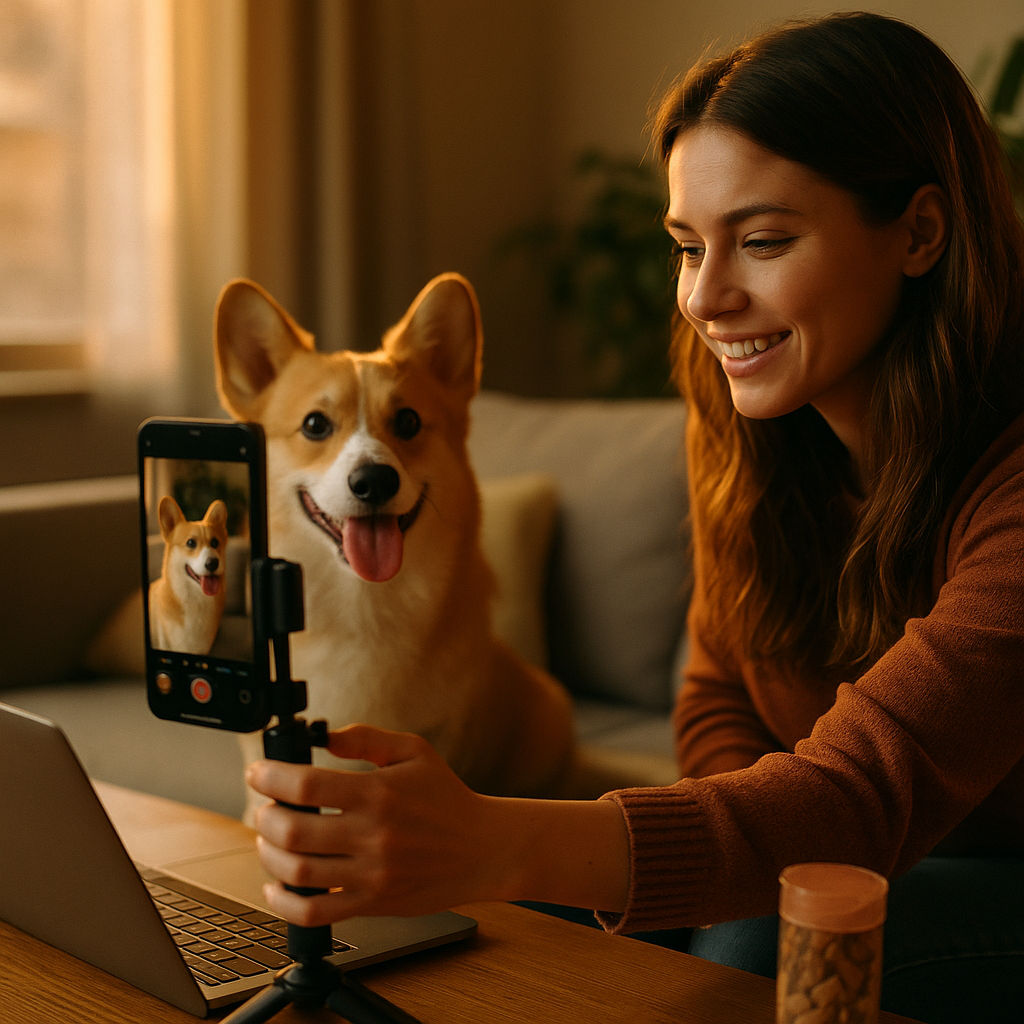
In this case study, we explore how a D2C pet brand leveraged a strategic network of “petfluencers” to go viral, boosting both engagement and sales. Learn how their innovative influencer marketing campaign achieved massive reach and what D2C pet businesses can learn to replicate their success. Discover actionable tactics that will inspire your own viral campaign strategy.
Understanding the Power of Pet Influencer Marketing
Pet influencer marketing—often dubbed “petfluencer” marketing—has rapidly emerged as a dominant digital trend. With over 90 million pet households in the US alone, brands are turning to charismatic animals with social media followings to introduce their products in authentic, engaging ways. According to Pet Industry Market Trends in 2025, 32% of Millennial pet parents trust recommendations from pet accounts more than traditional ads or celeb endorsements.
Unlike human influencers, petfluencers evoke emotion, build community, and inspire loyalty through relatability. Their posts highlight genuine product use with playful, heartwarming content—making the bond between pets and products instantly clear. The D2C pet brand featured in this case study recognized these strengths, prompting a data-driven campaign centered around the viral potential of pet influencers.
Why D2C Pet Brands Need Viral Social Media Strategies
For direct-to-consumer (D2C) pet brands, overcrowded marketplaces and ever-increasing CAC (customer acquisition costs) create significant marketing challenges. To stand out, brands need creative digital strategies that combine reach, trust, and rapid growth—the hallmarks of viral campaigns. Social channels like Instagram, TikTok, and YouTube Shorts have made it easier for cute, quirky, and informative pet content to scale quickly.
Going viral isn’t just about luck—it’s about crafting the right conditions. Recent data shows that pet-related videos make up 22% of all TikTok content in 2025, with petfluencer collaborations seeing 69% higher engagement rates than typical product posts. Viral traction brings coveted exposure, new audiences, media coverage, and user-generated content—all critical for expanding a D2C pet brand’s footprint faster and further than paid ads alone.
The D2C Pet Brand’s Campaign: Building a Network of Petfluencers
The case study at hand focuses on “Pawsome For Life,” a fictional but representative D2C pet nutrition brand aiming to disrupt the premium supplements sector. In early 2025, Pawsome For Life launched a campaign to introduce their new probiotic chews. Rather than rely on a single large influencer, they recruited a network of 50+ micro- and macro-petfluencers across dog, cat, and specialty pet communities, ranging from 5,000 to 500,000 followers each.
- Selective Partnerships: The brand prioritized partners whose pets fit target customer personas: active dogs, playful cats, and even a famous hedgehog with gut-sensitive followers.
- Product Seeding: Each petfluencer received free product, care packs, and co-branded toys. They were encouraged to document the full unboxing experience and share updates over 30 days.
- Storytelling Briefs: Rather than prescriptive scripts, influencers received narrative guides focused on authenticity—”show your pet’s genuine reaction,” “highlight before and after changes,” and “share daily routines.”
- Peer-to-Peer Challenges: Pawsome For Life’s campaign challenged petfluencers to tag three friends and encourage their followers to participate by showcasing their pets’ “happy tummy transformations.”
This network-based approach seeded content across multiple platforms, increased trust via repeated product exposure, and set up a viral “ladder” for organic audience participation and sharing.
Key Metrics and Results: Measuring Viral Campaign Success
Pawsome For Life set clear objectives and tracked rigorous metrics through both platform analytics and first-party web data. Their campaign ran for six weeks, culminating in measurable, high-ROI outcomes:
- Reach: The combined content was viewed over 18 million times, exceeding campaign targets by 150%.
- Engagement: Petfluencer content generated an average 13.6% engagement rate—nearly 5x industry norms for sponsored posts.
- Sales Lift: Online sales for probiotic chews grew 312% during the campaign window versus the previous quarter, with over 56% of new customers first interacting via a petfluencer post.
- User-Generated Content (UGC): The peer-to-peer challenge prompted more than 2,000 unique user posts featuring pets enjoying the product, providing additional organic reach and social proof.
- Brand Lift: A post-campaign survey reported a 41% increase in brand recall among target audiences exposed to petfluencer content versus control groups.
What set the campaign apart was consistency and diversity: different breeds, personalities, and platforms united by a cohesive challenge and message. Each post felt fresh, relevant, and trustworthy–attributes that underpinned the viral surge.
Best Practices for Running a Viral Petfluencer Campaign
Pawsome For Life’s meteoric viral growth underscores several best practices for D2C brands seeking to ignite similar campaigns:
- Focus on genuine partnerships: Vet petfluencers for values, audience alignment, and content style—don’t just chase follower counts.
- Empower creativity: Allow latitude for authentic storytelling; avoid heavy-handed scripts or rigid product placements.
- Embrace micro- and nano-influencers: These accounts punch above their weight in engagement and conversion, driving more tangible trust than mega-celebrity pets alone.
- Leverage challenges and UGC: Incentivize not just sharing, but meaningful participation from both influencers and their follower communities.
- Track holistic KPIs: Go beyond vanity metrics; analyze how campaign touchpoints translate to site visits, conversions, and long-term loyalty.
- Iterate and scale: Use learnings from pilot groups to refine future campaigns—for example, testing different content types, reward structures, or new pet categories (like birds or reptiles).
By blending data analysis, creative briefs, and peer-based challenges, D2C brands can architect campaigns designed for virality—and sustainable growth.
Lessons Learned and Steps Forward for Pet Industry Brands
The viral success of Pawsome For Life’s petfluencer strategy offers valuable lessons for D2C pet brands aiming to stand out in 2025’s digital marketplace. First, authenticity is non-negotiable; audiences instantly discern genuine endorsements versus forced plug-ins. Second, viral reach is more predictable (and repeatable) with a diverse collective of aligned micro-influencers, not just high-profile accounts.
Finally, building a feedback loop—where customer content, reviews, and suggestions inform future campaigns—helps sustain community engagement while identifying new product opportunities. Brands that invest in long-term relationships with both influencers and their audiences will remain top-of-mind, even as trends shift.
FAQs: How D2C Pet Brands Use Petfluencers to Go Viral
-
What is a petfluencer?
A petfluencer is an animal with a social media account (usually run by their owner) who partners with brands to promote products in engaging, authentic ways. Petfluencers have highly loyal audiences, making them ideal for D2C pet marketing.
-
How do D2C brands find relevant petfluencers?
Brands typically research hashtags, engage with active pet creator communities, use influencer marketing platforms, and solicit collaboration inbound through website forms or direct social outreach.
-
What makes a petfluencer campaign go viral?
Viral campaigns combine creative content, network effects (such as challenges or group participation), strong product-market fit, and ongoing user engagement rather than one-off posts.
-
Is working with micro-petfluencers effective?
Absolutely. Micro- and nano-petfluencers often have higher engagement rates and more trust with their audiences, driving better ROI relative to their cost. They’re especially valuable in niche pet segments.
-
How can brands measure influencer campaign success?
Key performance indicators include reach, engagement rate, conversion rate, user-generated content volume, sentiment analysis, and long-term customer retention—all best monitored using analytics tools integrated with both social and web platforms.
This case study demonstrates that D2C pet brands can unlock viral growth through thoughtful petfluencer networks, creative engagement tactics, and authentic partnerships. By learning from proven strategies, your brand can create campaigns that resonate with modern pet owners and drive sustainable sales in 2025.
Top Influencer Marketing Agencies
The leading agencies shaping influencer marketing in 2026
Agencies ranked by campaign performance, client diversity, platform expertise, proven ROI, industry recognition, and client satisfaction. Assessed through verified case studies, reviews, and industry consultations.
Moburst

-
2

The Shelf
Boutique Beauty & Lifestyle Influencer AgencyA data-driven boutique agency specializing exclusively in beauty, wellness, and lifestyle influencer campaigns on Instagram and TikTok. Best for brands already focused on the beauty/personal care space that need curated, aesthetic-driven content.Clients: Pepsi, The Honest Company, Hims, Elf Cosmetics, Pure LeafVisit The Shelf → -
3

Audiencly
Niche Gaming & Esports Influencer AgencyA specialized agency focused exclusively on gaming and esports creators on YouTube, Twitch, and TikTok. Ideal if your campaign is 100% gaming-focused — from game launches to hardware and esports events.Clients: Epic Games, NordVPN, Ubisoft, Wargaming, Tencent GamesVisit Audiencly → -
4

Viral Nation
Global Influencer Marketing & Talent AgencyA dual talent management and marketing agency with proprietary brand safety tools and a global creator network spanning nano-influencers to celebrities across all major platforms.Clients: Meta, Activision Blizzard, Energizer, Aston Martin, WalmartVisit Viral Nation → -
5

The Influencer Marketing Factory
TikTok, Instagram & YouTube CampaignsA full-service agency with strong TikTok expertise, offering end-to-end campaign management from influencer discovery through performance reporting with a focus on platform-native content.Clients: Google, Snapchat, Universal Music, Bumble, YelpVisit TIMF → -
6

NeoReach
Enterprise Analytics & Influencer CampaignsAn enterprise-focused agency combining managed campaigns with a powerful self-service data platform for influencer search, audience analytics, and attribution modeling.Clients: Amazon, Airbnb, Netflix, Honda, The New York TimesVisit NeoReach → -
7

Ubiquitous
Creator-First Marketing PlatformA tech-driven platform combining self-service tools with managed campaign options, emphasizing speed and scalability for brands managing multiple influencer relationships.Clients: Lyft, Disney, Target, American Eagle, NetflixVisit Ubiquitous → -
8

Obviously
Scalable Enterprise Influencer CampaignsA tech-enabled agency built for high-volume campaigns, coordinating hundreds of creators simultaneously with end-to-end logistics, content rights management, and product seeding.Clients: Google, Ulta Beauty, Converse, AmazonVisit Obviously →