


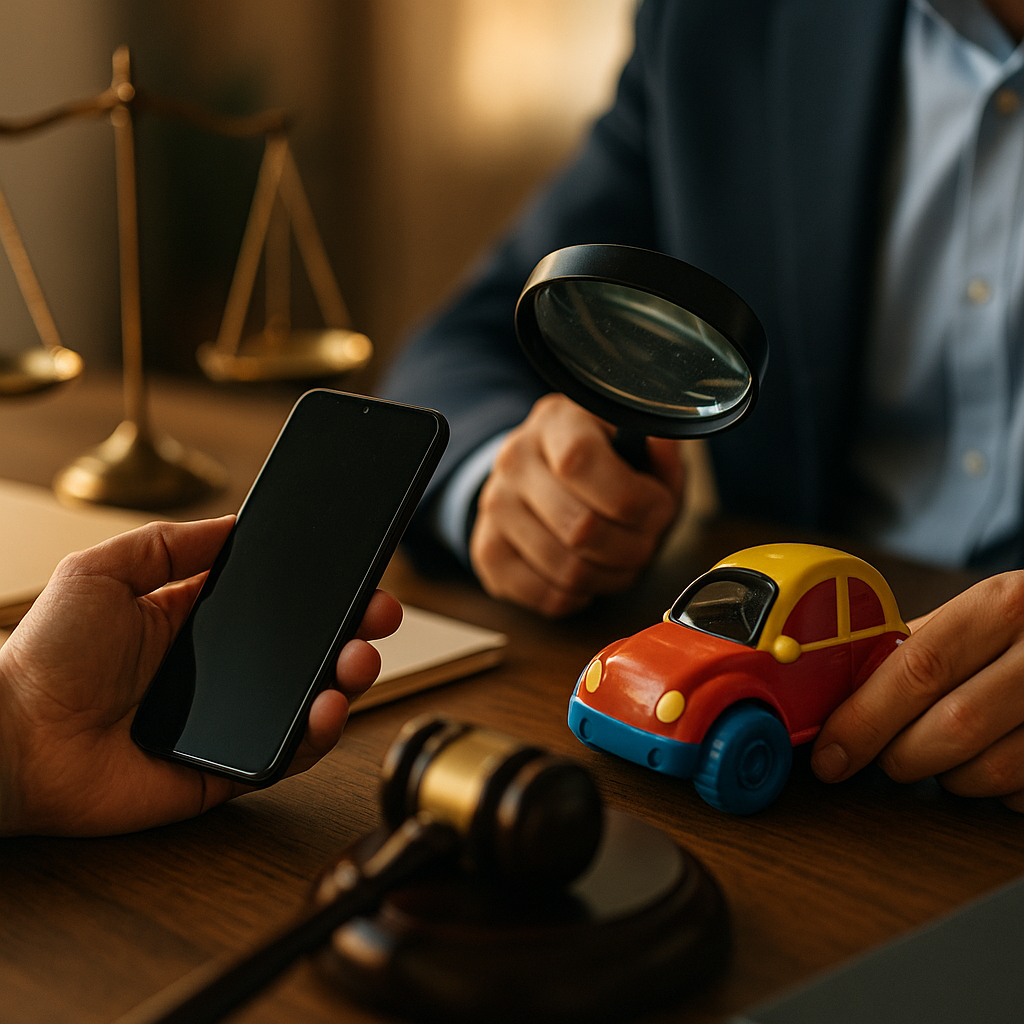
Understanding product liability and safety laws is crucial for brands aiming to thrive in competitive markets. These regulations shape how products are made, marketed, and sold—and non-compliance can have serious consequences. This guide breaks down key aspects of product liability, helping brands minimize risk and build consumer trust in 2025 and beyond.
What Is Product Liability? Defining Business Responsibilities
Product liability is the legal responsibility that manufacturers, distributors, suppliers, and retailers have for the safety of the products they sell. This obligation covers the entire supply chain—from concept and design to sale and post-sale surveillance. If a faulty product causes harm, all entities in the chain can be held liable, making comprehensive vigilance essential.
Three main types of product defects can trigger liability:
- Design defects: Flaws in the product’s concept make it inherently unsafe.
- Manufacturing defects: Errors during production cause individual items to be dangerous.
- Marketing defects: Inadequate instructions, labeling, or warnings fail to alert users to potential risks.
Understanding these categories allows brands to proactively spot and fix issues before products reach consumers, preventing costly recalls and lawsuits.
Product Safety Laws: Key Regulations Affecting Brands
Product safety laws set clear benchmarks for brands, ensuring items entering the market are safe for use. These laws vary by region but are unified by a commitment to consumer protection. In major markets like the U.S., EU, and Asia-Pacific, regulatory requirements are becoming more stringent, especially with increasing e-commerce activity in 2025.
Some critical areas brands must address include:
- Material compliance: Restrictions on hazardous substances such as lead or phthalates.
- Mandatory labelling: Truthful, clear, and accurate information about product features and safety precautions.
- Traceability: Tracking product components for quick recalls and regulatory audits.
- Mandatory reporting: Immediate disclosure of known safety risks to authorities and consumers.
Staying current with these evolving regulations is vital, especially as governments update guidelines to address emerging digital and AI-powered products.
Risk Management Strategies for Brands: Minimizing Liability
Brands must take proactive measures to reduce the likelihood of product liability claims and regulatory violations. Effective risk management is more than compliance—it’s about building a trustworthy reputation and ensuring customer safety at every stage.
- Robust Product Testing: Conduct regular, rigorous safety assessments tailored to regional standards and consumer use cases.
- Supply Chain Audits: Evaluate every supplier and vendor, insisting on documented compliance for all components.
- Clear Documentation: Maintain detailed records of product designs, modifications, and test results to quickly address any emerging claims.
- Staff Training: Educate employees on regulatory updates and best safety practices.
- Incident Response Plan: Develop clear procedures for addressing complaints and executing rapid product recalls if necessary.
These processes help brands identify potential hazards early and respond efficiently if a problem arises, reducing the likelihood and impact of liability claims.
Consumer Rights and Product Recalls: Navigating Compliance
Consumers today expect robust protection when purchasing goods. Consumer rights laws empower buyers to seek compensation for defective products, spurring transparency and care among brands. Brands must respect these rights by:
- Honoring refunds, repairs, or replacements for goods that are unsafe or not as described.
- Providing accessible information about product risks and recall actions.
- Cooperating fully with authorities and following prescribed recall processes if safety threats emerge.
In 2025, digital technologies like AI-powered product traceability and instant email alerts are making recalls faster and more effective than ever. Brands leveraging such tools can demonstrate a commitment to safety, further building consumer trust and loyalty.
Emerging Trends: AI, IoT, and the Future of Product Safety
The digital revolution is reshaping product safety regulations. Devices connected via the Internet of Things (IoT), AI-driven functionality, and cross-border e-commerce platforms introduce new risks—and new compliance obligations. Standards bodies are responding with updated frameworks governing:
- Secure data handling in smart products to prevent privacy breaches and physical harm.
- Algorithm transparency, ensuring AI-powered features do not create unforeseen hazards.
- International harmonization efforts to simplify compliance for brands operating globally.
Brands should monitor developments from organizations like ISO and borrow from best-in-class compliance frameworks, integrating cybersecurity audits and AI ethics protocols into product development cycles. This proactive approach not only limits legal exposure but also meets rising consumer expectations for technology-enabled safety.
Building Brand Value Through Compliance and Transparency
Compliance with product liability and safety laws can be a competitive advantage if embraced as a pillar of brand culture. Leading brands publicly share information on quality controls, supply chain audits, and recall histories, inviting consumer feedback. This openness supports:
- Stronger customer relationships based on honesty and accountability.
- Greater resilience in crisis situations, with consumers more likely to forgive rare, well-managed incidents.
- Enhanced appeal to B2B partners and investors seeking risk-aware collaborators.
By treating product safety as a brand value—not just an obligation—companies can foster lasting trust and position themselves for sustainable growth in increasingly regulated markets.
Conclusion: Product Liability Laws Are an Opportunity, Not a Burden
Compliance with product liability and safety laws is a powerful foundation for long-term brand reputation and success. By prioritizing transparency, adopting new technology, and actively managing risk, brands can turn legal obligations into meaningful consumer trust and sustainable growth in 2025’s dynamic marketplace.
FAQs: Product Liability and Safety Laws for Brands
- What triggers product liability claims?
Claims typically arise from defects in design, manufacture, or inadequate instructions and warnings. Injury or loss must be linked to the product’s defect. - How do product safety laws differ by region?
Regulations differ, but most regions demand clear labeling, hazardous substance controls, and traceability. Key differences often relate to mandatory recalls and reporting timelines. - What are the penalties for non-compliance?
Penalties may include financial fines, mandatory recalls, business license suspensions, and damage to brand reputation—sometimes amounting to millions of dollars, depending on the severity and jurisdiction. - Do online retailers have product liability exposure?
Yes; in many cases, online marketplaces, dropshippers, and digital sellers can be held jointly liable if they sell unsafe or non-compliant products to consumers. - Can technology help with compliance?
Absolutely. AI-driven analytics, supply chain management software, and automated recall notifications can streamline compliance, ensure faster responses, and improve overall product safety monitoring.
Top Influencer Marketing Agencies
The leading agencies shaping influencer marketing in 2026
Agencies ranked by campaign performance, client diversity, platform expertise, proven ROI, industry recognition, and client satisfaction. Assessed through verified case studies, reviews, and industry consultations.
Moburst

-
2

The Shelf
Boutique Beauty & Lifestyle Influencer AgencyA data-driven boutique agency specializing exclusively in beauty, wellness, and lifestyle influencer campaigns on Instagram and TikTok. Best for brands already focused on the beauty/personal care space that need curated, aesthetic-driven content.Clients: Pepsi, The Honest Company, Hims, Elf Cosmetics, Pure LeafVisit The Shelf → -
3

Audiencly
Niche Gaming & Esports Influencer AgencyA specialized agency focused exclusively on gaming and esports creators on YouTube, Twitch, and TikTok. Ideal if your campaign is 100% gaming-focused — from game launches to hardware and esports events.Clients: Epic Games, NordVPN, Ubisoft, Wargaming, Tencent GamesVisit Audiencly → -
4

Viral Nation
Global Influencer Marketing & Talent AgencyA dual talent management and marketing agency with proprietary brand safety tools and a global creator network spanning nano-influencers to celebrities across all major platforms.Clients: Meta, Activision Blizzard, Energizer, Aston Martin, WalmartVisit Viral Nation → -
5

The Influencer Marketing Factory
TikTok, Instagram & YouTube CampaignsA full-service agency with strong TikTok expertise, offering end-to-end campaign management from influencer discovery through performance reporting with a focus on platform-native content.Clients: Google, Snapchat, Universal Music, Bumble, YelpVisit TIMF → -
6

NeoReach
Enterprise Analytics & Influencer CampaignsAn enterprise-focused agency combining managed campaigns with a powerful self-service data platform for influencer search, audience analytics, and attribution modeling.Clients: Amazon, Airbnb, Netflix, Honda, The New York TimesVisit NeoReach → -
7

Ubiquitous
Creator-First Marketing PlatformA tech-driven platform combining self-service tools with managed campaign options, emphasizing speed and scalability for brands managing multiple influencer relationships.Clients: Lyft, Disney, Target, American Eagle, NetflixVisit Ubiquitous → -
8

Obviously
Scalable Enterprise Influencer CampaignsA tech-enabled agency built for high-volume campaigns, coordinating hundreds of creators simultaneously with end-to-end logistics, content rights management, and product seeding.Clients: Google, Ulta Beauty, Converse, AmazonVisit Obviously →