


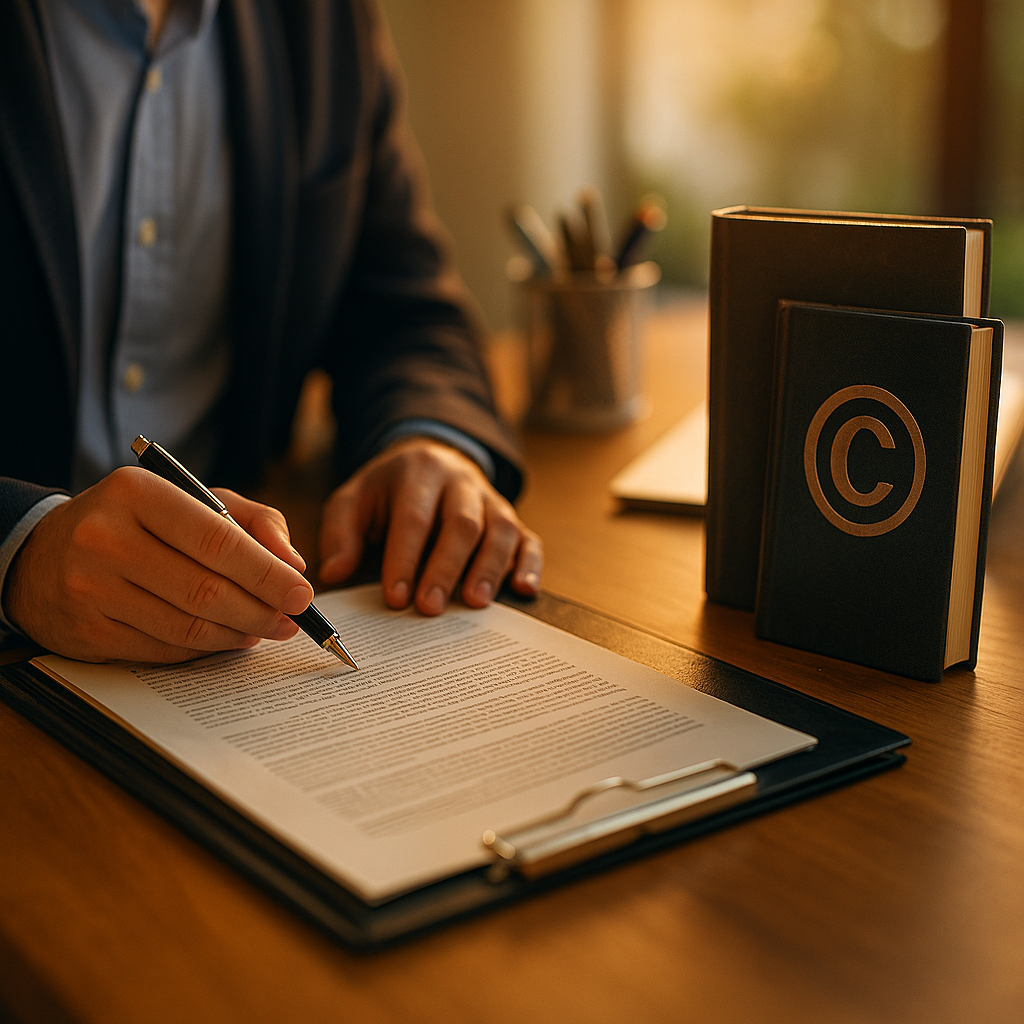
Understanding trademark and copyright law for startups is crucial for protecting your brand, products, and original creations in today’s highly competitive marketplace. Without clear knowledge and strategy, new businesses risk costly legal disputes and brand confusion. This guide explains what you must know—and act on—to secure your startup’s valuable intellectual property.
What Startups Need to Know: Intellectual Property Fundamentals
At its core, intellectual property (IP) law grants legal rights to original creations and distinctive business identifiers. Startup founders often mix up trademarks (which protect brand identity) with copyrights (which protect creative works). Recognizing the differences is the first step:
- Trademarks: Words, logos, symbols, or designs that identify and distinguish your products or services from others. Trademarks prevent confusion and unauthorized brand use.
- Copyrights: Original works of authorship such as code, written content, graphics, or music. Copyright’s aim is to promote creativity by granting exclusive rights to creators.
While both offer protection, the methods for obtaining, enforcing, and leveraging them differ. For effective startup growth, mapping out an IP strategy early prevents loss of brand value or costly infringement lawsuits down the road. According to a 2024 report by the United States Patent and Trademark Office, startups with registered IP are up to 60% more likely to secure funding and partnerships.
Choosing and Registering Trademarks for Your Startup Brand
The process of choosing a trademark is both strategic and legal. A strong trademark is unique, memorable, and legally protectable. Here are steps startups should follow when adopting a new trademark:
- Conduct a search: Use official databases to check for existing trademarks similar to your proposed name or logo. Overlooking this can result in infringement claims and forced rebranding.
- Choose distinctive marks: Coined or arbitrary terms garner the strongest legal protection—think “Google” or “Apple” (for technology, not fruit sales). Descriptive marks are harder to defend.
- Register your trademark: While common law may offer limited rights, official registration with the USPTO (or local authority) provides nationwide coverage, a legal presumption of ownership, and greater enforcement options.
- Use your trademark: Consistent, proper use in your marketing and goods is essential to maintain your rights and avoid genericide (when a trademark becomes generic, like “aspirin” in the U.S.).
Avoid costly legal battles by consulting a trademark attorney to ensure the mark is clear for use and registration. Did you know? In 2025, digital-first startups are targeted by over 40% of all new trademark infringement actions, up from less than 30% in 2020. Proactive protection pays off.
Copyright Law Essentials for Startup Creations
Copyright law automatically protects any original work as soon as it is fixed in a tangible form—no formal registration required. However, for startups, registration adds crucial advantages:
- Legal evidence: Registered works establish a public record of your exclusive rights, which is invaluable during disputes.
- Lawsuit eligibility: Without copyright registration, you generally cannot file an infringement lawsuit in federal court.
- Greater damages: Early registration allows you to claim statutory damages and legal fees, increasing your leverage against infringers.
Common startup assets protected by copyright include:
- Website content, code, and apps
- Marketing visuals, pitch decks, and graphics
- Instructional materials, blog content, and videos
Startups should implement internal policies to ensure that all creative works are attributed and registered promptly—especially when collaborating with freelancers or agencies. A “work made for hire” agreement is vital to retain copyright ownership over commissioned content.
Avoiding Infringement: Startup Risks and How to Mitigate Them
With many startups focused on speed, it’s easy to overlook boundaries and land in legal trouble. The common pitfalls are:
- Accidental infringement: Using stock images or code snippets without proper licensing or attribution.
- Brand confusion: Launching with a name or logo similar to established brands, even unintentionally.
- Employee and contractor IP: Assuming that hired creators automatically transfer rights; without written agreements, the startup may not own the IP.
Mitigate these risks by conducting ongoing IP audits, using only licensed content, and having robust contracts that clarify ownership and usage of all creative output. If your business receives an IP infringement notice, seek specialized legal advice before responding or altering your services—the wrong move can escalate costs and damage your reputation.
According to Statista’s 2024 Intellectual Property Litigation Review, over 70% of IP suits involving startups arise from unclear IP ownership or poor due diligence. Prevention is always more affordable than legal remedy.
International Trademark and Copyright Strategies for Startups
In the digital era, startups often reach overseas markets much earlier than planned. Trademark and copyright laws are territorial—they protect you only within the countries where you register. As you grow, consider an international IP strategy:
- International trademark registration: Use the Madrid Protocol system to file trademarks in multiple countries efficiently.
- Global copyright conventions: Most nations recognize foreign copyrights through treaties like the Berne Convention, but local registration often strengthens enforcement.
- Monitor global infringements: Use online tools and brand-protection services to watch for overseas misuse of your brand or content.
Prioritize markets where your brand and products are likely to expand. Startups with international ambitions should budget for multi-jurisdictional protection early, as worldwide recovery from brand theft or piracy can be complex and costly.
Building Value: Using IP to Attract Investors and Partners
A robust portfolio of registered trademarks and copyrights does more than prevent theft—it signals professionalism and growth potential to investors, acquirers, and partners. In venture capital due diligence, evidence of secure IP rights can accelerate funding rounds, licensing deals, or acquisitions.
Make IP an integral part of your data room. Document:
- All registered trademarks and domains
- All registered and unregistered but valuable copyrights
- Clear evidence of ownership, especially for hired work and collaborations
- Correspondence and contracts concerning IP rights
In 2025, a Crunchbase survey found that two-thirds of seed investors now require evidence of proactive IP registration before term sheet discussions. Don’t let overlooked formalities become obstacles to growth.
FAQs: Trademark and Copyright Law for Startups
-
Do I need to register my trademark to have legal protection?
No, you gain some protection through use (“common law” rights), but registration offers far stronger rights, broader coverage, and easier enforcement—essential for scaling startups.
-
What is the cost of registering a trademark or copyright in 2025?
As of 2025, USPTO trademark applications typically cost $250–$350 per class of goods/services. Copyright registration for most works costs $65. Attorney fees and international filings are additional.
-
Can I copyright my startup’s name or slogan?
No. Names, short phrases, and slogans are protected under trademark law. Copyright covers original creative content, not brand identifiers.
-
Who owns copyright if I hire a freelancer?
By default, the creator owns the copyright unless a written “work made for hire” or assignment agreement transfers rights to your startup. Always clarify this in contracts.
-
What should I do if I receive a cease and desist letter for IP infringement?
Do not ignore the notice. Seek legal counsel immediately to evaluate your risks and options. Quick, informed action can resolve disputes and minimize damage.
Launch your startup with confidence: understanding trademark and copyright law safeguards your brand, fuels creativity, and opens doors with investors. Invest early in the right protections and contracts to build a foundation for sustainable growth in 2025’s fast-moving startup landscape.
Top Influencer Marketing Agencies
The leading agencies shaping influencer marketing in 2026
Agencies ranked by campaign performance, client diversity, platform expertise, proven ROI, industry recognition, and client satisfaction. Assessed through verified case studies, reviews, and industry consultations.
Moburst

-
2

The Shelf
Boutique Beauty & Lifestyle Influencer AgencyA data-driven boutique agency specializing exclusively in beauty, wellness, and lifestyle influencer campaigns on Instagram and TikTok. Best for brands already focused on the beauty/personal care space that need curated, aesthetic-driven content.Clients: Pepsi, The Honest Company, Hims, Elf Cosmetics, Pure LeafVisit The Shelf → -
3

Audiencly
Niche Gaming & Esports Influencer AgencyA specialized agency focused exclusively on gaming and esports creators on YouTube, Twitch, and TikTok. Ideal if your campaign is 100% gaming-focused — from game launches to hardware and esports events.Clients: Epic Games, NordVPN, Ubisoft, Wargaming, Tencent GamesVisit Audiencly → -
4

Viral Nation
Global Influencer Marketing & Talent AgencyA dual talent management and marketing agency with proprietary brand safety tools and a global creator network spanning nano-influencers to celebrities across all major platforms.Clients: Meta, Activision Blizzard, Energizer, Aston Martin, WalmartVisit Viral Nation → -
5

The Influencer Marketing Factory
TikTok, Instagram & YouTube CampaignsA full-service agency with strong TikTok expertise, offering end-to-end campaign management from influencer discovery through performance reporting with a focus on platform-native content.Clients: Google, Snapchat, Universal Music, Bumble, YelpVisit TIMF → -
6

NeoReach
Enterprise Analytics & Influencer CampaignsAn enterprise-focused agency combining managed campaigns with a powerful self-service data platform for influencer search, audience analytics, and attribution modeling.Clients: Amazon, Airbnb, Netflix, Honda, The New York TimesVisit NeoReach → -
7

Ubiquitous
Creator-First Marketing PlatformA tech-driven platform combining self-service tools with managed campaign options, emphasizing speed and scalability for brands managing multiple influencer relationships.Clients: Lyft, Disney, Target, American Eagle, NetflixVisit Ubiquitous → -
8

Obviously
Scalable Enterprise Influencer CampaignsA tech-enabled agency built for high-volume campaigns, coordinating hundreds of creators simultaneously with end-to-end logistics, content rights management, and product seeding.Clients: Google, Ulta Beauty, Converse, AmazonVisit Obviously →