


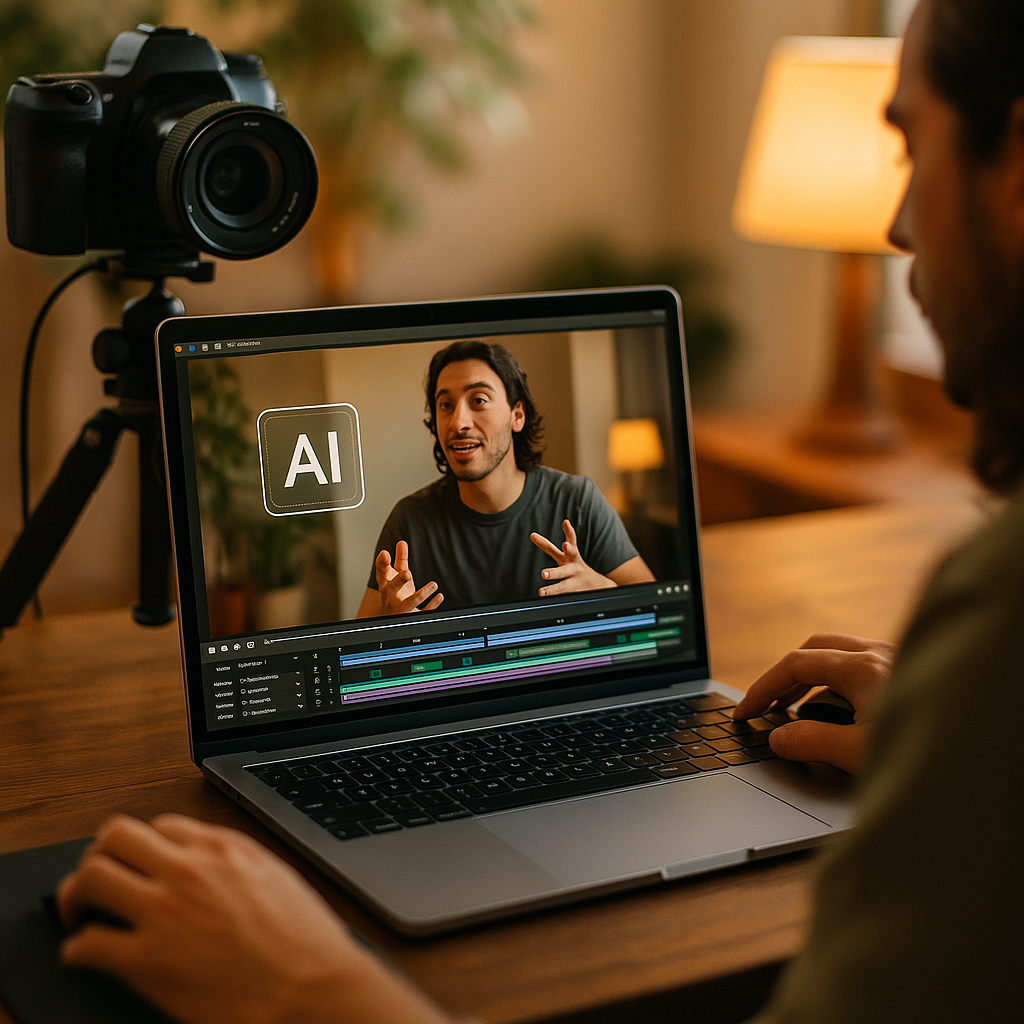
A campaign that underperforms for 72 hours before anyone notices has already wasted a third of its media budget. That’s the math behind real time AI content optimization, a shift that’s forcing brands to rethink how creator video gets tested, edited, and scaled while it’s still live. Algorithms now watch watch time, drop off points, and comment sentiment as they happen, then push edits or reallocate spend before a human strategist even opens the dashboard.
This isn’t A/B testing with a longer leash. It’s a live feedback loop that treats a creator video less like a finished asset and more like a draft in permanent revision.
What Real Time AI Content Optimization Actually Means
Strip away the buzzwords and the concept is simple. Platforms ingest performance signals (watch time curves, thumb stop rate, save and share behavior, sentiment in comments) and use that data to trigger changes to a live creator campaign within hours, sometimes minutes, instead of waiting for a post campaign report.
The “adjustment” can take several forms:
- Swapping which cut of a creator video gets served to which audience segment
- Reordering the hook, trimming the first three seconds if drop off spikes
- Shifting paid spend away from underperforming creator assets toward ones showing early lift
- Auto generating caption or CTA variants for the same base footage
- Flagging a creator’s video for pause if sentiment turns negative before it reaches full distribution
Tools like Meta’s Advantage+ creative and TikTok’s Smart Performance campaigns already do rough versions of this at the ad level. What’s new is applying the same logic specifically to creator generated content, where the raw footage, tone, and talent variables are far messier than a brand produced ad unit.
According to eMarketer, video ad spend continues to outpace overall digital ad growth, which means the cost of a slow, stale creative decision compounds faster every quarter. Real time adjustment isn’t a nice to have anymore, it’s a budget protection mechanism.
Why Mid Campaign Adjustment Beats Post Campaign Analysis
Here’s the uncomfortable truth most brand teams don’t want to say out loud: by the time a standard campaign report lands, the money is already spent. Post campaign analysis tells you what happened. It rarely lets you fix what’s happening.
Real time optimization flips that sequence. Instead of a creator video running its full flight and getting graded afterward, the system checks performance against a benchmark within the first few hours of live distribution. If a video underperforms its cohort average by a meaningful margin, say 20% lower average watch time, the algorithm can throttle spend, request a recut, or route budget toward a stronger performing variant automatically.
This matters most in whitelisting and paid amplification setups, where brands are running creator content as paid media through platforms like Meta and TikTok. A creator’s organic post might do fine, but the paid version needs to earn its spend within the platform’s own attention economy. Waiting a week to notice a weak hook is a week of wasted impressions.
The Data Signals That Trigger Changes
Not every metric deserves equal weight, and this is where a lot of teams get it wrong by chasing vanity numbers. The signals that actually predict downstream conversion tend to be:
- Three second and fifteen second retention: the earliest, most reliable predictor of whether a hook is working
- Watch time completion rate: tells you whether the middle of the video is losing people
- Comment sentiment and velocity: a spike in negative or confused comments early on is a leading indicator, not a lagging one
- Click through on embedded links or shoppable tags: the closest proxy to purchase intent available mid flight
- Share and save rate: a stronger predictor of organic amplification than likes ever were
Systems built for purchase intent scoring increasingly fold these mid flight signals into the same models used to rank creators before a campaign even launches, which means the optimization loop doesn’t stop at content edits. It feeds back into which creators get rebooked next quarter.
How the Algorithms Actually Adjust the Video
There’s a common misconception that “AI optimizes the video” means some generative model is rewriting a creator’s performance on the fly. Mostly, it doesn’t work that way, at least not yet. What’s actually happening is closer to intelligent variant management.
Brands and agencies typically supply multiple cuts of the same creator asset before launch: different hooks, different pacing, sometimes different CTAs recorded in the same session. The optimization engine then does the heavy lifting of deciding which cut goes where, and when to pull one from rotation.
More advanced setups go further, using AI to:
- Auto trim the video based on the exact second where audience drop off crosses a threshold
- Generate new caption overlays or on screen text without touching the underlying footage
- Re sequence a multi scene creator video so the strongest scene, identified by retention data, moves earlier
- Localize pacing or subtitle timing for different regional audiences without a full reshoot
That last point connects directly to the localization challenges brands face when scaling a single creator asset globally. Tools built for AI localization and dubbing are starting to plug into the same real time pipelines, though voice consent and rights clearance still lag behind the technology’s speed, a gap legal teams should not ignore.
The ROI Case, and Where It Breaks Down
The pitch to finance is straightforward. If you can identify a losing creative variant in hour six instead of day six, you save five days of wasted spend on every underperforming asset. Multiply that across a multi creator campaign with a dozen concurrent assets and the savings add up fast.
But there’s a catch that vendors rarely lead with. Real time optimization needs volume to work. A campaign running three creators and a modest budget doesn’t generate enough statistical signal in six hours to make a confident call. Cut a video too early based on thin data and you might kill a slow burn asset that would have outperformed everything else by day three. Speed without sufficient sample size is just a fancier way of guessing.
A campaign needs enough concurrent spend and audience volume to reach statistical confidence within hours, not days. Below that threshold, real time optimization is closer to noise reduction than genuine intelligence.
There’s also a creative integrity question. Creators sign off on a video expecting it to run as approved. If an algorithm is trimming, resequencing, or swapping captions without a human checking that the edit still matches brand voice and creator intent, you’re one bad automated decision away from a usage rights dispute or a public complaint from a creator who feels their work got mangled. This is exactly the kind of gap that contract redlining tools are starting to address, by flagging usage and edit rights clauses before a campaign goes live, not after a creator sees a version of their video they never approved.
Where This Fits Into the Broader Creator Tech Stack
Real time content optimization doesn’t operate in isolation. It’s usually one module inside a larger orchestration layer that also handles creator discovery, contracting, and performance scoring. The agentic matchmaking systems now used to source creators are increasingly built to feed straight into the same optimization pipeline, so the creator selected in week one is already being scored against the same retention and sentiment benchmarks the video will face in week three.
That continuity is the real promise here, not the flashy “AI edits your video” headline. It’s a closed loop where discovery, contracting, and mid flight optimization all draw from the same data model instead of living in three disconnected tools. Platforms consolidating these functions are worth scrutinizing carefully, and the single dashboard platform checklist is a useful gut check before signing a multi year contract on the promise of unified optimization.
Dynamic creative testing sits right next to this trend too. Teams running dynamic creative optimization at the hook level are essentially doing a lighter version of the same thing this article describes, just applied earlier in the funnel before a creator video ever reaches paid distribution.
Governance Questions Brands Need to Answer First
Before turning on any real time optimization feature, a marketing team should be able to answer these questions without hedging:
- Who signs off on automated edits that alter a creator’s original cut, even minor ones like caption timing?
- What’s the minimum spend or audience threshold before the system is allowed to act autonomously?
- Does the creator’s contract explicitly grant rights to algorithmic editing, or does it only cover the approved final cut?
- Is there a human review step before a video gets pulled from rotation entirely, or does the algorithm act unilaterally?
- How is sentiment data being interpreted, and could a small but vocal negative reaction trigger an overcorrection?
None of these are hypothetical. The FTC has made clear that disclosure and endorsement rules apply regardless of how a piece of content gets edited or distributed after the fact, so a real time swap that changes a claim or CTA still needs to meet the same compliance bar as the original approved asset. Brands operating in the UK should apply the same caution under ICO guidance on automated decision making, particularly where personal data drives the targeting logic behind which audience sees which variant.
Data from Statista shows influencer marketing budgets have kept climbing even as overall marketing spend growth flattens, which tells you brands are betting more, not less, on creator video performing efficiently. That bet only pays off if the optimization layer sitting on top of it is governed as carefully as the creative itself.
Getting Started Without Breaking the Creator Relationship
Teams new to this shouldn’t flip every optimization switch on day one. Start with reallocation of ad spend across pre approved creative variants, that’s the lowest risk entry point and doesn’t touch the creator’s actual footage. Save auto trimming, resequencing, and caption generation for a second phase, once legal has reviewed usage rights language and creators have explicitly agreed to it in their contracts.
Run a pilot on one campaign with a clear volume threshold before scaling. Track not just the performance lift but the number of creator complaints or edit disputes it generates. If that number is anything above zero, tighten the governance model before expanding further.
Next step: audit your current creator contracts for edit and usage rights language before adopting any real time optimization tool, then pilot spend reallocation only (not content edits) on your next multi creator campaign to measure lift without touching creative integrity.
Frequently Asked Questions
What is real time AI content optimization in influencer marketing?
It’s the use of algorithms to monitor creator video performance while a campaign is live and make adjustments, such as reallocating ad spend or swapping creative variants, within hours instead of waiting for a post campaign report.
Does real time optimization change the actual creator video?
Sometimes. Basic implementations only shift which pre approved variant gets distribution or spend. More advanced systems can trim footage, adjust captions, or resequence scenes, which raises usage rights questions that should be addressed in the creator contract beforehand.
How much campaign volume is needed for real time optimization to work well?
There’s no universal number, but a campaign needs enough concurrent spend and audience reach to hit statistical confidence within hours. Small budget, single creator campaigns often don’t generate enough signal for the algorithm to make a reliable call.
Can real time content edits create compliance risk?
Yes. If an automated edit changes a claim, CTA, or disclosure in a way that no longer matches the originally approved and disclosed content, it can create FTC compliance exposure. Legal review of edit rights and disclosure language should happen before automation is enabled.
What metrics should brands prioritize when setting optimization triggers?
Early retention (three and fifteen second watch rates), completion rate, comment sentiment velocity, and click through on embedded links tend to be the most reliable early predictors of downstream performance.
Top Influencer Marketing Agencies
The leading agencies shaping influencer marketing in 2026
Agencies ranked by campaign performance, client diversity, platform expertise, proven ROI, industry recognition, and client satisfaction. Assessed through verified case studies, reviews, and industry consultations.
Moburst

-
2

The Shelf
Boutique Beauty & Lifestyle Influencer AgencyA data-driven boutique agency specializing exclusively in beauty, wellness, and lifestyle influencer campaigns on Instagram and TikTok. Best for brands already focused on the beauty/personal care space that need curated, aesthetic-driven content.Clients: Pepsi, The Honest Company, Hims, Elf Cosmetics, Pure LeafVisit The Shelf → -
3

Audiencly
Niche Gaming & Esports Influencer AgencyA specialized agency focused exclusively on gaming and esports creators on YouTube, Twitch, and TikTok. Ideal if your campaign is 100% gaming-focused — from game launches to hardware and esports events.Clients: Epic Games, NordVPN, Ubisoft, Wargaming, Tencent GamesVisit Audiencly → -
4

Viral Nation
Global Influencer Marketing & Talent AgencyA dual talent management and marketing agency with proprietary brand safety tools and a global creator network spanning nano-influencers to celebrities across all major platforms.Clients: Meta, Activision Blizzard, Energizer, Aston Martin, WalmartVisit Viral Nation → -
5

The Influencer Marketing Factory
TikTok, Instagram & YouTube CampaignsA full-service agency with strong TikTok expertise, offering end-to-end campaign management from influencer discovery through performance reporting with a focus on platform-native content.Clients: Google, Snapchat, Universal Music, Bumble, YelpVisit TIMF → -
6

NeoReach
Enterprise Analytics & Influencer CampaignsAn enterprise-focused agency combining managed campaigns with a powerful self-service data platform for influencer search, audience analytics, and attribution modeling.Clients: Amazon, Airbnb, Netflix, Honda, The New York TimesVisit NeoReach → -
7

Ubiquitous
Creator-First Marketing PlatformA tech-driven platform combining self-service tools with managed campaign options, emphasizing speed and scalability for brands managing multiple influencer relationships.Clients: Lyft, Disney, Target, American Eagle, NetflixVisit Ubiquitous → -
8

Obviously
Scalable Enterprise Influencer CampaignsA tech-enabled agency built for high-volume campaigns, coordinating hundreds of creators simultaneously with end-to-end logistics, content rights management, and product seeding.Clients: Google, Ulta Beauty, Converse, AmazonVisit Obviously →