


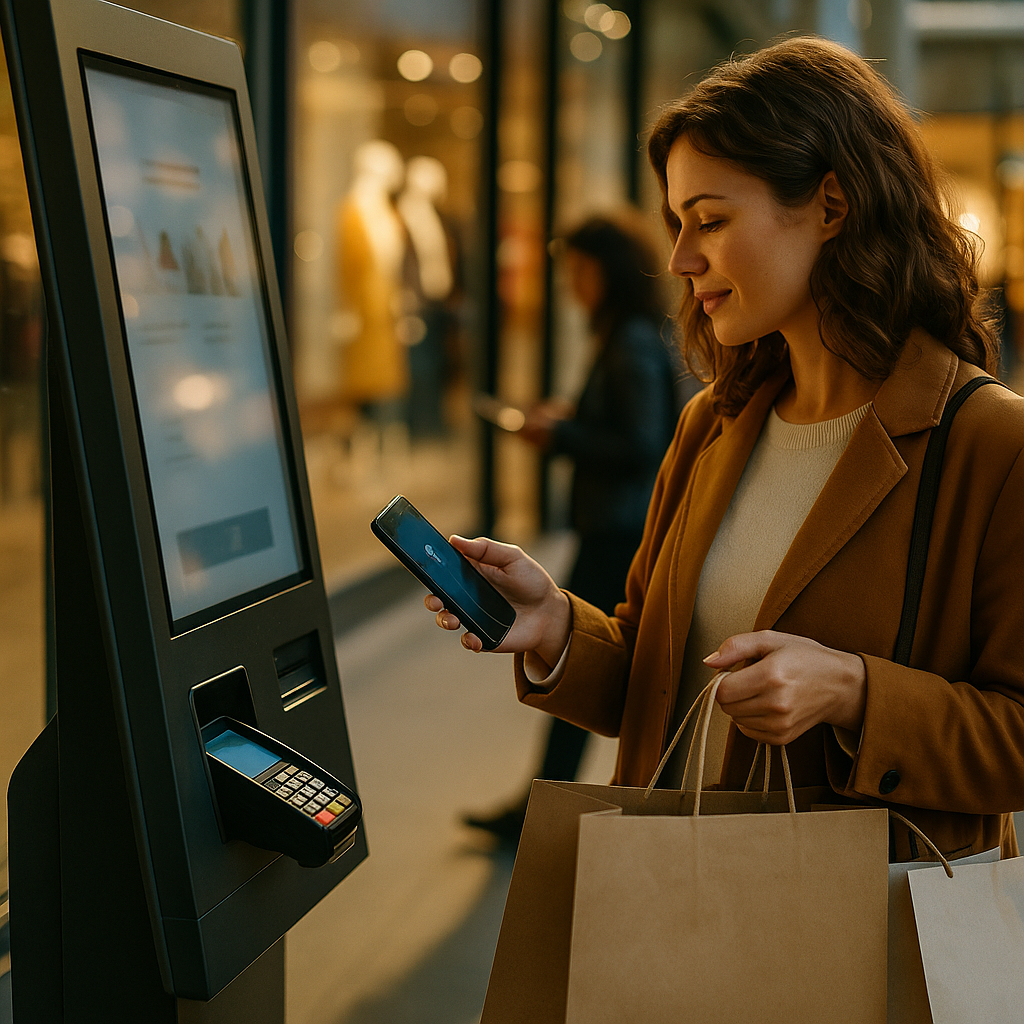
The future of physical and digital retail convergence is now transforming how consumers shop, blending the best of both worlds for seamless experiences. Retailers are redefining strategies, leveraging technology and human touch. How will businesses, brands, and shoppers thrive in this rapidly evolving landscape? Let’s explore the key trends and future opportunities shaping this new era of retail.
Unified Omnichannel Strategies: The Key to Seamless Customer Experience
Today in 2025, successful retailers understand that customers no longer distinguish between online and offline shopping. A unified omnichannel strategy merges physical stores, websites, mobile apps, social media, and even emerging channels like virtual reality. By integrating these touchpoints, retailers provide a seamless customer experience where shoppers can research, purchase, and return items anywhere, anytime.
According to a recent Retail Dive report, over 70% of consumers expect consistent product information and service across all purchasing channels. Leading brands accomplish this by:
- Synchronizing inventory, pricing, and promotions across platforms
- Offering flexible fulfillment options, such as buy-online-pickup-in-store (BOPIS) and ship-from-store
- Enabling universal customer accounts and loyalty programs independent of purchase channel
With unified data and processes, businesses build trust, minimize friction, and empower shoppers to choose their preferred paths to purchase.
Technological Innovations Accelerating Retail Integration
Technological advancement underpins the convergence of physical and digital retail. Artificial intelligence (AI) and machine learning personalize recommendations both online and in-store. Advanced analytics reveal deeper insights into customer behaviors, driving tailored marketing and inventory decisions.
Key innovations in 2025 include:
- Smart stores: Sensor-equipped shelves, AI-powered cameras, and frictionless payments (including cashierless checkouts) create efficient, immersive store environments.
- Augmented reality (AR) and virtual reality (VR): AR guides shoppers through physical aisles with product info overlays; VR allows customers to browse virtual showrooms from home.
- Mobile integration: Smartphone apps bridge online research and in-store purchases, enabling barcode scanning, instant reviews, and push notifications for deals.
These innovations not only improve the shopping journey but help retailers adapt to evolving expectations and remain competitive amid shifting consumer habits.
Enhancing Customer Engagement in Digital-Physical Retail
Customer engagement is at the heart of successful retail convergence. In 2025, high-performing retailers extend personalized service and engagement across both physical and digital touchpoints. Store associates are empowered through digital tools, such as tablets providing real-time inventory and customer preferences, enabling them to offer tailored advice and support.
Brands also utilize online communities, live video shopping events, and social media to foster deeper connections. For instance:
- Interactive kiosks in-store facilitate product discovery and brand story immersion.
- Gamified mobile apps reward visits, purchases, and sharing, increasing brand stickiness.
- Post-purchase engagement is sustained with AI-driven follow-ups and loyalty offers.
With every touchpoint, retailers build more meaningful, enduring relationships that convert curious shoppers into loyal advocates.
Data Security and Ethical Considerations
The convergence of digital and physical retail brings vast data collection possibilities—yet also obligations for privacy and ethical stewardship. In 2025, customers demand transparency in how their data is used and expect robust protection from unauthorized access or misuse.
Best-in-class retailers and brands proactively address data concerns by:
- Implementing transparent privacy policies and giving customers control over data sharing
- Adopting cutting-edge security measures such as real-time threat detection and encryption
- Focusing on compliance with local and global regulations
Building trust in data handling not only safeguards against reputational risk but also encourages customers to share insights that power more personal, relevant retail experiences. Retailers who demonstrate commitment to ethics and privacy gain competitive advantage.
The Evolving Physical Store: Experience and Human Connection
Rather than being phased out, physical stores in 2025 are thriving as hubs for immersive experiences, human interaction, and community engagement. The most dynamic retailers rethink store layouts and roles, transforming traditional locations into destinations offering more than just transactions.
Key trends include:
- Hosting exclusive events, workshops, and in-store demonstrations that can’t be replicated online
- Introducing service-oriented concepts, such as product personalization, repairs, or consultations
- Installing technology for rapid checkout and seamless integration with online platforms
Customers increasingly visit stores to touch, try, and interact with products and staff. By prioritizing authentic experience and meaningful connection, retailers transform brick-and-mortar locations into valuable complements to digital channels.
Navigating the Future: Opportunities and Challenges for Retailers
The future promises continued convergence, but success requires constant adaptation. Major opportunities include reaching wider audiences, gathering richer data, and innovating service delivery. However, challenges remain—such as technology investment risks, integration complexity, and shifting consumer preferences.
Retail leaders should prioritize agility, invest in scalable infrastructure, and relentlessly focus on customer-centricity. Regularly monitoring trends and consumer feedback enables retailers to pivot quickly—turning disruption into sustainable growth. Partners, whether technology providers or logistics experts, play a crucial role in maintaining operational harmony across both physical and digital landscapes.
In sum, the future of physical and digital retail convergence is bright for those willing to innovate, personalize, and place the customer at the center of every transformation.
FAQs about The Future of Physical and Digital Retail Convergence
-
What does retail convergence mean?
Retail convergence refers to the merging of physical and digital retail channels to create a seamless, unified shopping experience, allowing customers to transition smoothly between online and offline interactions with brands.
-
Why is omnichannel important in 2025?
Omnichannel is essential because customers expect consistent service and flexible purchasing options across all touchpoints. It helps retailers meet consumer demands, increase loyalty, and stay competitive in a rapidly changing landscape.
-
How are physical stores evolving alongside digital platforms?
Physical stores are becoming experience-driven spaces with interactive services, technology integration, and community events. They complement digital platforms by enabling customers to try, touch, and interact with products before purchasing.
-
What technologies are shaping retail convergence?
Key technologies include AI-driven personalization, smart stores with automation, AR/VR experiences, robust mobile apps, and advanced data analytics—all working together to bridge the online and offline customer journey.
-
How can retailers ensure data privacy in converged retail?
Retailers safeguard data by implementing transparent privacy policies, robust security measures, compliance with regulations, and empowering customers with control over their personal information.
In conclusion, physical and digital retail convergence is redefining shopping and business success in 2025. Embracing unified platforms, innovative technologies, and customer-centric engagement will empower retailers to thrive amidst the ongoing transformation and ever-evolving consumer expectations.
Top Influencer Marketing Agencies
The leading agencies shaping influencer marketing in 2026
Agencies ranked by campaign performance, client diversity, platform expertise, proven ROI, industry recognition, and client satisfaction. Assessed through verified case studies, reviews, and industry consultations.
Moburst

-
2

The Shelf
Boutique Beauty & Lifestyle Influencer AgencyA data-driven boutique agency specializing exclusively in beauty, wellness, and lifestyle influencer campaigns on Instagram and TikTok. Best for brands already focused on the beauty/personal care space that need curated, aesthetic-driven content.Clients: Pepsi, The Honest Company, Hims, Elf Cosmetics, Pure LeafVisit The Shelf → -
3

Audiencly
Niche Gaming & Esports Influencer AgencyA specialized agency focused exclusively on gaming and esports creators on YouTube, Twitch, and TikTok. Ideal if your campaign is 100% gaming-focused — from game launches to hardware and esports events.Clients: Epic Games, NordVPN, Ubisoft, Wargaming, Tencent GamesVisit Audiencly → -
4

Viral Nation
Global Influencer Marketing & Talent AgencyA dual talent management and marketing agency with proprietary brand safety tools and a global creator network spanning nano-influencers to celebrities across all major platforms.Clients: Meta, Activision Blizzard, Energizer, Aston Martin, WalmartVisit Viral Nation → -
5

The Influencer Marketing Factory
TikTok, Instagram & YouTube CampaignsA full-service agency with strong TikTok expertise, offering end-to-end campaign management from influencer discovery through performance reporting with a focus on platform-native content.Clients: Google, Snapchat, Universal Music, Bumble, YelpVisit TIMF → -
6

NeoReach
Enterprise Analytics & Influencer CampaignsAn enterprise-focused agency combining managed campaigns with a powerful self-service data platform for influencer search, audience analytics, and attribution modeling.Clients: Amazon, Airbnb, Netflix, Honda, The New York TimesVisit NeoReach → -
7

Ubiquitous
Creator-First Marketing PlatformA tech-driven platform combining self-service tools with managed campaign options, emphasizing speed and scalability for brands managing multiple influencer relationships.Clients: Lyft, Disney, Target, American Eagle, NetflixVisit Ubiquitous → -
8

Obviously
Scalable Enterprise Influencer CampaignsA tech-enabled agency built for high-volume campaigns, coordinating hundreds of creators simultaneously with end-to-end logistics, content rights management, and product seeding.Clients: Google, Ulta Beauty, Converse, AmazonVisit Obviously →