


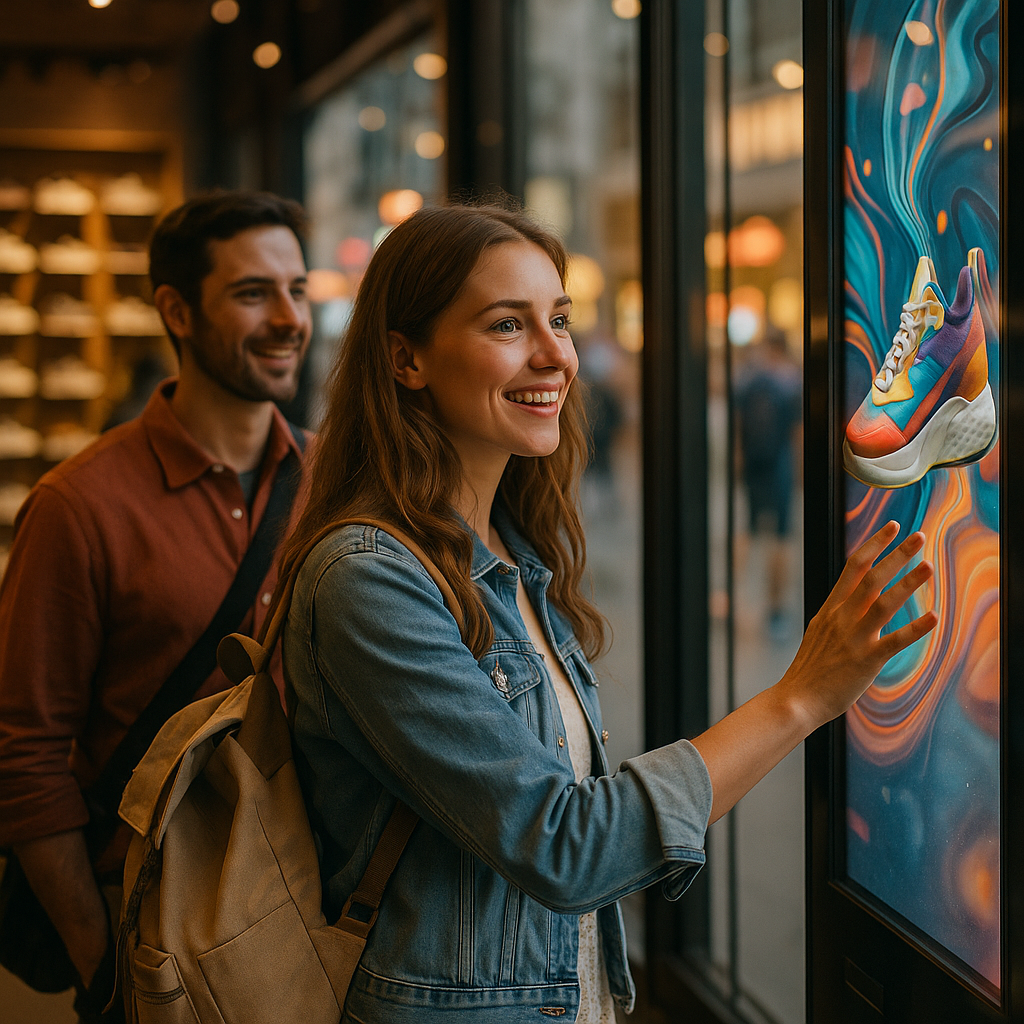
Retail tourism is reshaping how people plan weekends, city breaks, and even international trips. In 2025, shoppers don’t just “go to stores” to buy products; they go to be entertained, learn something, meet creators, and bring home a story. Brands are responding with destinations that feel more like galleries, studios, and clubs than aisles. What makes a store truly travel-worthy?
Retail tourism trends: why shoppers travel for stores
Retail has become part of the itinerary because it now delivers value beyond transactions. Travelers want immersion, convenience, and moments that translate into memories and shareable content. At the same time, brands want deeper relationships, more first-party data, and higher lifetime value than a one-off sale can provide.
Several forces are pushing these retail tourism trends forward:
- Experience over ownership: Consumers increasingly justify spending when it includes learning, entertainment, or personal meaning.
- Social discovery: Short-form video and creator recommendations turn “a cool store” into a must-visit attraction within days.
- Hybrid shopping habits: People research online, then travel to try, taste, personalize, or attend an event in person.
- Urban revitalization: Districts and landlords favor experiential tenants that increase footfall and dwell time for neighboring businesses.
- Brand differentiation: With product parity rising, the in-person environment becomes a competitive moat.
If you’re wondering whether this is only about flagship stores in global capitals, it isn’t. Smaller cities and tourist towns are seeing boutiques, markets, and pop-ups become anchors for local culture. For travelers, the appeal is practical too: you can test products properly, get expert help, and avoid shipping delays by buying on the spot.
Experiential retail: what makes a store a destination
Experiential retail works when it delivers a coherent, high-quality experience that feels difficult to replicate online. The best destinations don’t rely on gimmicks; they design an end-to-end journey with clear reasons to visit, stay, and return.
Core elements that consistently turn stores into experiential destinations include:
- Participatory moments: Workshops, tastings, styling sessions, maker demos, and hands-on trials. Visitors remember what they do, not just what they see.
- Personalization on-site: Monogramming, custom fitting, engraving, patch bars, fragrance blending, or shade matching. This also reduces returns by improving fit and satisfaction.
- Story-led design: The space explains what the brand stands for and why it matters, using materials, lighting, sound, and signage that support the narrative.
- Service expertise: Staff act like hosts and specialists, not cashiers. They guide, educate, and recommend based on need.
- Limited availability: Store-only products, time-bound collaborations, or location-specific items that give travelers a reason to go out of their way.
- Seamless convenience: Mobile checkout, appointment booking, multilingual support, tax-free guidance where relevant, and reliable pickup/shipping options.
A useful test: would someone who already owns the product still visit? Destination stores earn the “yes” by offering classes, community events, or behind-the-scenes access that stays valuable even after the purchase.
Retail tourism also thrives when stores connect to the surrounding area. A food brand can map its ingredients to local farms; an outdoor retailer can run guided hikes; a beauty store can partner with nearby spas. These partnerships help travelers plan a day, not just a stop.
Brand activations and pop-up shops: turning visits into memories
Brand activations and pop-up shops are accelerating retail tourism because they create urgency and novelty. A well-executed pop-up gives travelers a clear “go now” reason and often becomes an event in itself. In 2025, the strongest activations feel less like advertising and more like cultural programming.
What separates a high-performing activation from a forgettable one:
- A single, clear promise: “Get fitted by experts,” “learn to cook this cuisine,” or “build your own kit.” Visitors should understand the value within seconds.
- Scheduled programming: Talks, creator meetups, live demos, DJ sets, tastings, or limited drops. Timetables create repeat footfall and easier travel planning.
- Queue design and capacity planning: Timed entry, reservations, and thoughtful waiting areas prevent negative reviews and lost sales.
- Merchandise tied to the experience: Products should reinforce what happened in the space, such as a “class bundle” or “event-only” item.
- Post-visit continuation: QR-enabled receipts, digital care guides, membership perks, and email/SMS follow-ups that extend the relationship.
Pop-ups also answer a question many travelers have: “Will I be able to buy it later?” Smart brands set expectations clearly. If items are limited, they say so. If customers can order online after trying in-store, they provide a frictionless path. This transparency builds trust and reduces disappointment-driven returns.
For destinations and tourism boards, pop-ups can be a strategic tool. Seasonal installations can strengthen shoulder periods, diversify attractions, and encourage visitors to explore beyond the usual landmarks.
Destination shopping: how cities and retailers benefit
Destination shopping isn’t only a consumer trend; it’s an economic lever. When stores become attractions, they increase dwell time, expand spending beyond retail into food and entertainment, and improve the perceived vitality of neighborhoods.
Key benefits for cities, districts, and landlords:
- More predictable footfall: Events and experiences generate planned visits rather than purely incidental traffic.
- Stronger local business ecosystems: Visitors who come for a flagship often dine nearby and visit complementary venues.
- Placemaking: Experiential anchors help districts develop identity and repeat visitation.
- Job creation with skill development: Hosting, education, and service roles can be more specialized than traditional retail staffing.
Key benefits for brands:
- Higher conversion and lower returns: When customers try, fit, taste, or consult with specialists, they buy with confidence.
- First-party insights: Appointments, workshops, loyalty programs, and feedback capture valuable preferences with consent.
- Longer customer relationships: A memorable visit can convert a casual buyer into a community member.
Travelers also win. Destination shopping can reduce decision fatigue because curated assortments and expert guidance simplify choices. It can also improve accessibility through services like language support, appointment booking, or product education that helps customers find the right option quickly.
For readers thinking, “Isn’t this just expensive branding?” the answer depends on execution. The model works when experiences are tied to measurable outcomes: incremental sales, repeat visits, membership growth, or brand preference. When the experience is disconnected from product value, it becomes a cost center rather than a destination engine.
In-store experiences: design, service, and technology that drive loyalty
In-store experiences become travel-worthy when they feel premium, intuitive, and human. Technology should remove friction, not dominate attention. The most effective stores use digital tools quietly in the background while staff deliver the warmth and expertise that travelers can’t get from a product page.
Practical design and operations principles that drive loyalty:
- Hospitality-led service: Greet visitors like guests, offer clear navigation help, and staff key stations with trained specialists. Travelers often have limited time, so speed and clarity matter.
- Local relevance: Incorporate regional materials, artist collaborations, or neighborhood references. This turns a chain location into a place with identity.
- Flexible spaces: Modular fixtures support daily retail and evening events without making the store feel like a venue first and a shop second.
- Accessible experiences: Provide seating, clear signage, quiet options, and inclusive fitting or testing spaces. Accessibility also protects reputation.
- Smart fulfillment: Offer ship-to-home for travelers, hotel delivery where feasible, and easy returns across channels.
- Respectful data practices: Explain what you collect, why, and how customers can control it. Consent-driven personalization builds trust.
Consumers increasingly expect stores to “remember” them across channels. A strong approach is simple: let customers opt into a profile that stores preferences (sizes, allergies, favorite notes, past purchases) and then use it to improve service during appointments or repeat visits.
Safety and authenticity matter too. If a store offers wellness services, cosmetics testing, or food experiences, it should communicate hygiene standards clearly and train staff accordingly. These details influence reviews, which heavily shape travel decisions.
Retail tourism marketing: how to plan, measure, and scale
Retail tourism marketing succeeds when it treats the store as a destination with programming, partnerships, and performance metrics. In 2025, visibility alone is not enough; travelers need confidence that the visit will be worth their time.
Strategies that consistently drive qualified visits:
- Search-ready destination pages: Publish clear hours, reservation options, accessibility notes, event calendars, and “what to expect” details. Travelers search for specifics.
- Local SEO and maps accuracy: Keep categories, photos, attributes, and updates current. Many trips begin with map-based discovery.
- Creator and community partnerships: Work with local experts and credible creators who can demonstrate the experience, not just show the storefront.
- Itinerary integration: Collaborate with hotels, tour operators, museums, and restaurants to bundle experiences and simplify planning.
- Membership and appointment engines: Encourage booking for fittings, consultations, and classes. Appointments increase conversion and satisfaction.
Measurement is where many programs underperform. Track outcomes tied to both retail and tourism behavior:
- Footfall and dwell time: How many visitors arrive, and how long do they stay?
- Event attendance and repeat visits: Do visitors return for programming?
- Conversion and average transaction value: Does the experience lead to purchases that justify cost?
- Cross-channel lift: Do online sales rise in regions where visitors traveled from after they return home?
- Sentiment and review quality: Are people describing the store as a “must-see” and recommending it to travelers?
Scaling requires consistency without sameness. A brand can standardize service training, booking tools, and data practices while tailoring design, partnerships, and programming to each location. That balance keeps stores distinctive enough to travel for.
FAQs: retail tourism and experiential destinations
What is retail tourism?
Retail tourism is travel motivated partly by shopping experiences, such as visiting flagship stores, pop-ups, markets, and brand destinations that offer more than purchasing, including events, personalization, and cultural programming.
Why are stores becoming experiential destinations in 2025?
Because consumers expect value beyond products, and brands need differentiation. Stores now provide hands-on trials, expert service, limited items, and events that create memories and build loyalty.
What types of retailers benefit most from experiential retail?
Categories where trying, tasting, fitting, or learning matters perform well: beauty, fashion, footwear, outdoor, home, specialty food and beverage, electronics, and collectibles. Any brand can benefit if the experience is authentic and useful.
How do pop-up shops drive retail tourism?
Pop-ups create urgency through limited timeframes, exclusive products, and scheduled programming. They also generate social buzz and can be placed strategically in tourist districts or event corridors.
How can travelers tell if a destination store is worth visiting?
Look for clear programming (classes, demos), specialist services (fittings, consultations), store-only products, transparent reservation details, and recent reviews that describe the experience, not just the decor.
How should brands measure success for retail tourism initiatives?
Measure footfall, dwell time, event attendance, conversion, average transaction value, repeat visits, review sentiment, and cross-channel lift after visitors return home. Tie experiences to outcomes rather than impressions alone.
Do experiential stores replace e-commerce?
No. They complement it. Destination stores often increase online sales by building trust, reducing uncertainty, and giving customers the confidence to reorder digitally after they travel.
Retail tourism is turning stores into places people plan around, not places they drop into. The winning destinations in 2025 combine participatory experiences, expert hospitality, and seamless convenience, then amplify it with search-ready content and partnerships that fit real itineraries. For brands, the takeaway is simple: design visits that earn travel time, measure what matters, and let the store become a reason to go.
Top Influencer Marketing Agencies
The leading agencies shaping influencer marketing in 2026
Agencies ranked by campaign performance, client diversity, platform expertise, proven ROI, industry recognition, and client satisfaction. Assessed through verified case studies, reviews, and industry consultations.
Moburst

-
2

The Shelf
Boutique Beauty & Lifestyle Influencer AgencyA data-driven boutique agency specializing exclusively in beauty, wellness, and lifestyle influencer campaigns on Instagram and TikTok. Best for brands already focused on the beauty/personal care space that need curated, aesthetic-driven content.Clients: Pepsi, The Honest Company, Hims, Elf Cosmetics, Pure LeafVisit The Shelf → -
3

Audiencly
Niche Gaming & Esports Influencer AgencyA specialized agency focused exclusively on gaming and esports creators on YouTube, Twitch, and TikTok. Ideal if your campaign is 100% gaming-focused — from game launches to hardware and esports events.Clients: Epic Games, NordVPN, Ubisoft, Wargaming, Tencent GamesVisit Audiencly → -
4

Viral Nation
Global Influencer Marketing & Talent AgencyA dual talent management and marketing agency with proprietary brand safety tools and a global creator network spanning nano-influencers to celebrities across all major platforms.Clients: Meta, Activision Blizzard, Energizer, Aston Martin, WalmartVisit Viral Nation → -
5

The Influencer Marketing Factory
TikTok, Instagram & YouTube CampaignsA full-service agency with strong TikTok expertise, offering end-to-end campaign management from influencer discovery through performance reporting with a focus on platform-native content.Clients: Google, Snapchat, Universal Music, Bumble, YelpVisit TIMF → -
6

NeoReach
Enterprise Analytics & Influencer CampaignsAn enterprise-focused agency combining managed campaigns with a powerful self-service data platform for influencer search, audience analytics, and attribution modeling.Clients: Amazon, Airbnb, Netflix, Honda, The New York TimesVisit NeoReach → -
7

Ubiquitous
Creator-First Marketing PlatformA tech-driven platform combining self-service tools with managed campaign options, emphasizing speed and scalability for brands managing multiple influencer relationships.Clients: Lyft, Disney, Target, American Eagle, NetflixVisit Ubiquitous → -
8

Obviously
Scalable Enterprise Influencer CampaignsA tech-enabled agency built for high-volume campaigns, coordinating hundreds of creators simultaneously with end-to-end logistics, content rights management, and product seeding.Clients: Google, Ulta Beauty, Converse, AmazonVisit Obviously →