


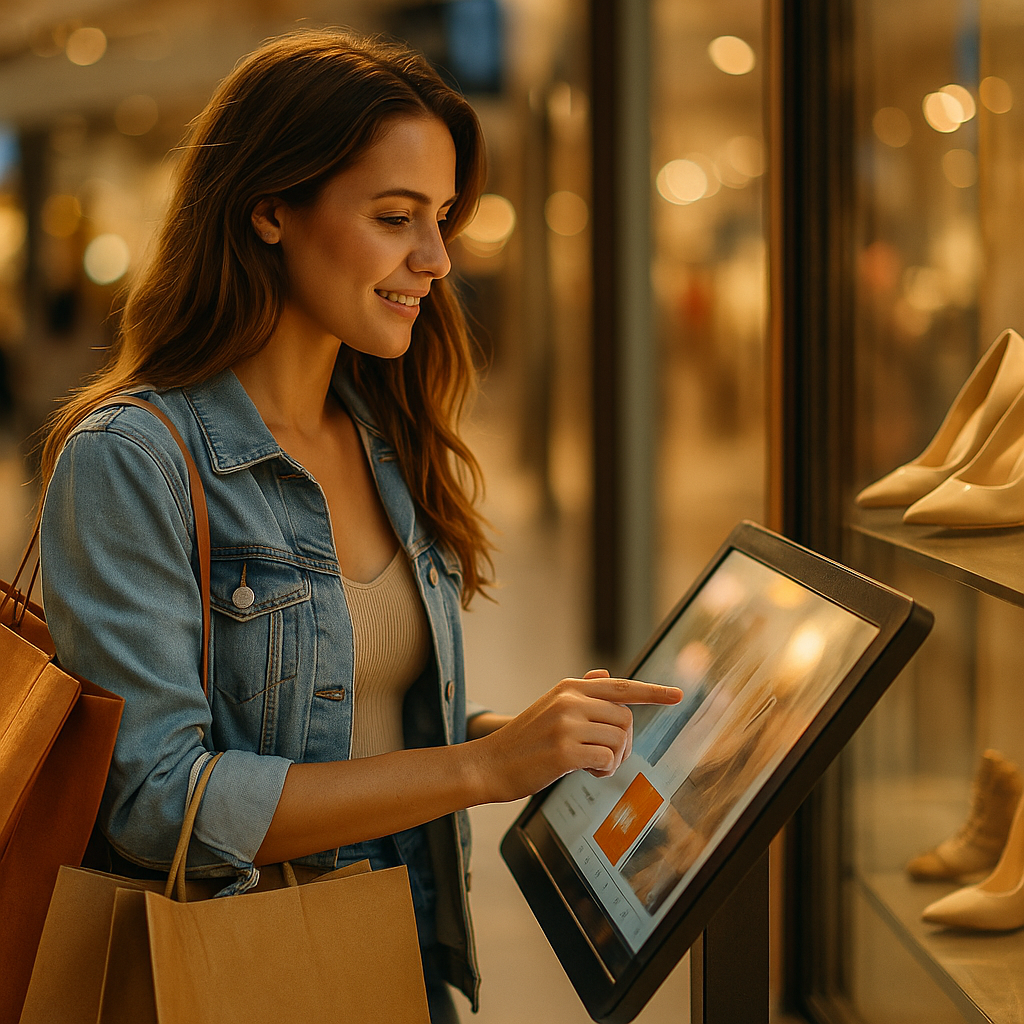
Retail tourism is reshaping how people shop in 2025, turning ordinary errands into mini getaways built around discovery, entertainment, and shareable moments. From immersive brand installations to neighborhood shopping trails, stores are competing with attractions, not just other retailers. The question is no longer “What do you sell?” but “What do visitors experience—and remember?”
Retail tourism definition: why shopping is becoming a destination
Retail tourism sits at the intersection of commerce and travel behavior. It happens when people choose where to shop based on the experience of the place—whether that means visiting a flagship store in another city, building a weekend around a market district, or planning a day trip to a mall because it offers events, food, and social energy. The purchase matters, but it is not the only goal.
This shift is not accidental. Consumers now have near-infinite product choice online, so physical retail wins when it offers advantages the internet cannot replicate: sensory discovery, human interaction, cultural context, and “I was there” moments. For many shoppers, the store becomes a venue—part gallery, part playground, part community hub.
Retail tourism also aligns with how people travel in 2025. Travelers often seek hyper-local experiences, want to spend time in walkable areas, and value activities that fit into a flexible schedule. A great store experience is easy to slot between lunch, a museum visit, and an evening event. When retail feels like an attraction, it earns a place on the itinerary.
Experiential retail trends: the store as a playground
Stores are becoming playgrounds because experience drives attention, attention drives footfall, and footfall drives both sales and brand preference. Several experiential retail trends stand out in 2025:
- Immersive design that rewards exploration: Instead of linear aisles, retailers use zones, hidden corners, and curated “paths” that encourage browsing like a museum. The goal is to create a sense of discovery and make time in-store feel valuable.
- Interactive product testing: Beauty bars, kitchen demo stations, sneaker treadmills, listening rooms, and gaming lounges turn products into activities. When visitors can try before they buy—without pressure—conversion improves naturally.
- Programming that changes weekly: Workshops, launches, limited-time pop-ups, artist collaborations, and seasonal installations bring “newness” that gives people a reason to return. Frequent refresh cycles matter because tourism behavior depends on novelty.
- Social-first moments: Photo-friendly lighting, striking displays, and playful features (mirrors, AR overlays, personalization stations) support content creation without making visitors feel like they are in a set. The best “Instagrammable” retail doesn’t demand posting; it simply looks worth remembering.
- Hospitality cues: Lounges, beverages, concierge-style help, and comfortable seating keep groups together longer. Retailers increasingly design for the whole party—shoppers and non-shoppers—so the trip feels inclusive.
These experiences work because they answer follow-up questions shoppers have in real time: “Will this fit my life?” “Can I trust the quality?” “How does it compare?” A playground-store lets visitors learn with their hands, not just their eyes.
In-store experiences and consumer behavior: what’s driving the shift
Retail tourism grows when consumer motivations shift from acquisition to meaning. Three forces are especially influential in 2025:
1) Experience beats convenience for certain categories. When products are emotional, tactile, or identity-linked—fashion, beauty, home, hobbies—people want confirmation. Touch, fit, scent, and sound can’t be fully digitized. The in-store experience reduces uncertainty and buyer’s remorse.
2) People seek third places with purpose. Many consumers want locations that are neither home nor work where they can browse, meet friends, and feel part of something. A store that hosts events, supports local creators, or builds community rituals can become a dependable social anchor.
3) Trust is built through transparency. Shoppers ask sharper questions: Where was this made? How long will it last? Can I repair it? Stores that make those answers visible—through materials libraries, repair counters, sourcing stories, and trained associates—earn credibility. That credibility often matters more than promotions.
These drivers also explain why “playground” retail does not mean shallow entertainment. The strongest experiences teach. They help visitors make better decisions, whether that means choosing the right running shoe, understanding skincare ingredients, or learning how to style a space.
Omnichannel retail strategy: why physical stores still matter in 2025
An omnichannel retail strategy is no longer about “online versus offline.” It is about one continuous journey—search, discovery, trial, purchase, delivery, returns, loyalty, and advocacy—designed as a single system. Retail tourism thrives when stores act as the most vivid touchpoint in that system.
Here’s how leading retailers connect the dots without adding friction:
- Reserve online, try in store: Visitors book fitting rooms, product demos, or curated bundles, making the trip feel intentional rather than risky.
- Mobile-first assistance: QR codes and apps can provide deep product details, reviews, and how-to guides, but the best implementations keep humans central. Digital tools support associates instead of replacing them.
- Fast fulfillment options: Buy in store and ship home removes luggage hassles for travelers. Buy online and pick up in store turns the visit into an experience, not a transaction.
- Seamless returns and exchanges: Easy returns reduce hesitation and encourage visitors to buy during the trip, even if they are unsure about sizing or color.
- Loyalty that rewards participation: Points for attending events, trying services, or completing educational experiences build a relationship beyond discounts.
For readers wondering, “Does this really increase sales?”—the mechanism is straightforward. Experience increases dwell time and confidence; confidence increases conversion and reduces returns; social sharing expands reach at low cost. Stores become marketing channels you can walk into.
Destination retail and flagship stores: what makes people travel for shopping
Not every store needs to be a tourist attraction. But destination retail follows patterns that can be replicated at different scales, from a global flagship to a local boutique cluster.
Distinctiveness is the first requirement. People travel for what they can’t get at home: limited editions, local collaborations, exclusive services, or a signature environment. A flagship store works when it feels like the “home” of the brand—where the fullest story is told.
Services create the itinerary. Styling appointments, custom fitting, personalization, repair, classes, tastings, and consultations turn a store into a scheduled activity. That matters for tourism because travelers plan in blocks of time. A service makes the visit feel worth the trip.
Local relevance increases credibility. Retail tourism grows when stores reflect their neighborhood—local materials, community partnerships, area-specific merchandise, or rotating exhibits from nearby artists. Visitors often want proof they are somewhere real, not inside a copy-paste concept.
Food and culture extend the stay. Co-located cafés, bookable tastings, and collaborations with cultural institutions stretch dwell time and make the experience group-friendly. Retail becomes part of a broader day out rather than a single stop.
If you’re a consumer planning a retail trip, look for clear signals: bookable services, limited items, and programming calendars. If you’re a retailer, the lesson is equally clear: make the store visit feel like a “chapter” in a larger city story.
Retail events and pop-up shops: the engine behind repeat visits
Retail tourism depends on momentum. One great store visit can be memorable, but repeat visits—and word-of-mouth—usually come from programming. Retail events and pop-up shops are effective because they create urgency and community at the same time.
Pop-ups lower the risk of experimentation. Brands can test neighborhoods, concepts, and partnerships without committing to long leases. For shoppers, pop-ups feel like “now or never,” which increases foot traffic and sharing.
Events turn shoppers into participants. Workshops, meet-the-maker nights, repair clinics, product launches, and local tastings give visitors a role. Participation is the “play” in playground retail: you do something, learn something, and leave with a story.
Calendars build habit. Monthly drops or weekly classes teach customers when to come back. This is a practical answer to a common retailer question: “How do we keep footfall consistent?” A predictable rhythm is more durable than occasional spectacle.
To execute well—and meet EEAT expectations—events should be professionally run, safe, and genuinely useful. Clear details (time, capacity, accessibility, pricing, refund policy) reduce friction. Staff should be trained to educate, not just sell, and to respect visitor boundaries. When events feel manipulative, trust collapses quickly.
FAQs
What is retail tourism?
Retail tourism is when people travel—or plan leisure time—specifically to shop in places that offer a distinctive experience, such as flagship stores, shopping districts, markets, or event-driven retail venues.
Why are stores becoming “playgrounds”?
Because products are easy to buy online, physical stores compete by offering what screens can’t: hands-on discovery, social energy, services, and memorable experiences that build trust and loyalty.
Does experiential retail actually increase revenue?
It can, when experiences improve product confidence and reduce purchase friction. Strong experiences typically increase dwell time, raise conversion for considered purchases, and generate organic marketing through word-of-mouth and social sharing.
What types of retailers benefit most from retail tourism?
Brands with tactile or identity-driven categories—fashion, beauty, sports, home, specialty foods, and hobbies—often benefit most, especially when they add services like fitting, customization, classes, or repairs.
How can a small store use retail tourism without a flagship budget?
Focus on programming and partnerships: host workshops, collaborate with local makers, offer personalization, create a small “try-it” station, and publish a simple monthly events calendar. Consistency and authenticity matter more than expensive builds.
What should shoppers look for when planning a retail-focused trip?
Check for bookable services, limited editions, event calendars, and nearby complementary experiences (food, galleries, markets). Also confirm return policies and shipping options if you’re traveling light.
How does omnichannel support retail tourism?
Omnichannel tools make the trip smoother: reserving items, booking appointments, seeing local inventory, shipping purchases home, and handling easy returns. When these pieces work together, the store becomes a high-impact moment in a larger journey.
Are pop-up shops worth visiting?
Yes, if you enjoy novelty and limited-time collaborations. Pop-ups often offer exclusives, meet-the-founder moments, and experimental concepts that won’t appear in permanent stores.
What’s the biggest risk of “playground retail” for brands?
Prioritizing spectacle over usefulness. If the experience feels like a gimmick, shoppers may engage briefly but won’t trust the brand. The best playgrounds teach, help, and respect the visitor’s time.
Conclusion: Retail tourism is rising in 2025 because stores now compete on meaning, not just merchandise. The most successful retailers build playful, educational environments that reduce uncertainty, reward curiosity, and connect seamlessly to digital tools. For shoppers, the takeaway is simple: plan store visits like attractions. For brands, make every visit worth traveling for—and worth repeating.