


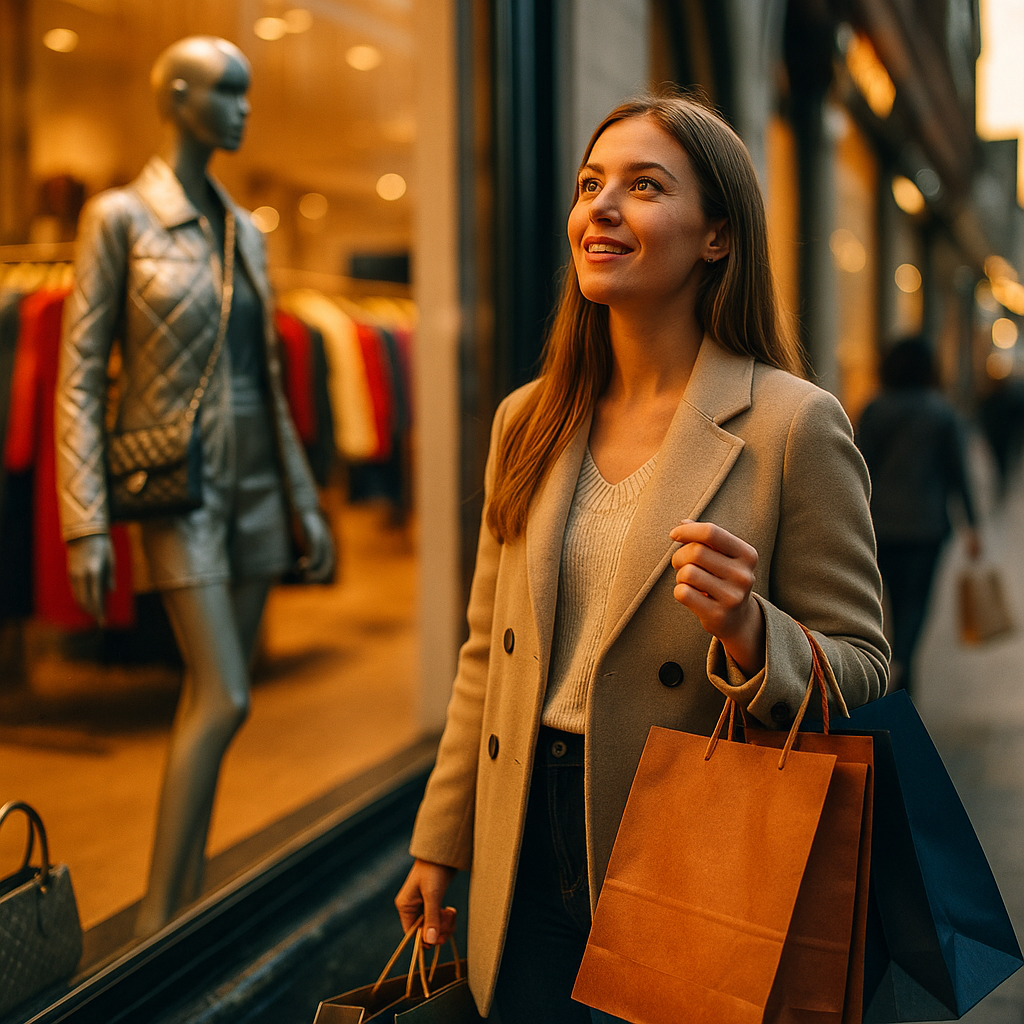
Retail tourism is reshaping shopping in 2026 as stores become destinations, not just points of sale. Consumers now visit physical retail for discovery, entertainment, community, and personalized service that screens cannot fully replicate. For brands, this shift raises a critical question: how do you design spaces people actively want to visit, share, and return to?
What Retail Tourism Means for experiential retail
Retail tourism describes the growing practice of traveling locally, regionally, or internationally to visit stores, districts, flagships, and branded spaces that offer more than merchandise. It sits at the intersection of shopping, leisure, culture, dining, and social media. In practical terms, consumers are treating stores like attractions.
This matters because physical retail no longer competes only on convenience. E-commerce owns speed, endless aisle, and price transparency. Stores win when they offer what digital channels cannot: texture, human interaction, real-time discovery, expert guidance, and emotional immersion. That is why experiential retail has moved from a nice extra to a strategic necessity.
In 2026, the strongest concepts share a few traits:
- They create a reason to visit now, such as limited drops, events, installations, or exclusive services.
- They encourage dwell time through hospitality, workshops, testing zones, cafés, or lounges.
- They are easy to share without feeling built only for photos.
- They connect physical and digital journeys through apps, memberships, clienteling, and seamless checkout.
- They reflect local culture so the store feels rooted in place instead of copied from a template.
For shoppers, retail tourism answers a basic desire: spend time well. For brands, it turns a store from a cost center into a media channel, community hub, and customer acquisition engine.
Why consumers want immersive shopping experiences
The rise of immersive shopping experiences is not driven by novelty alone. It reflects a broader change in consumer expectations. People have become selective about where they spend time outside the home. If they commute, park, and visit a location in person, they want more than a transaction.
Several forces are driving this behavior in 2026:
- Experience value: Consumers increasingly measure purchases by the memory and meaning attached to them, not only the item itself.
- Sensory confidence: In categories like beauty, fashion, home, electronics, and wellness, shoppers still want to touch, try, compare, and ask questions.
- Social participation: Shopping is once again becoming a group activity, especially when tied to food, events, and entertainment.
- Digital fatigue: Constant screen-based discovery can feel repetitive. Physical spaces offer relief and surprise.
- Trust and expertise: Face-to-face service remains powerful when products are technical, premium, or personal.
These motivations explain why stores designed as high-touch playgrounds perform differently from static sales floors. Product interaction increases confidence. Guided demos reduce hesitation. Personalization deepens relevance. Events create urgency. Small hospitality touches make people stay longer.
Importantly, not every concept needs a large budget. A store can feel immersive through thoughtful details: smart lighting, staffed trial stations, community tables, maker demos, localized merchandising, or easy booking for one-on-one consultations. The key is coherence. The physical environment, service model, and brand message must work together.
Brands often ask whether this approach only works for luxury. The answer is no. Premium brands may have more room for spectacle, but mainstream and value retailers can also create memorable store visits by making utility more human. Fast alterations, easy repairs, product education, customization bars, and live workshops can be just as compelling as dramatic installations.
How store design trends turn locations into destination retail
Destination retail depends on design, but not design for design’s sake. The best store design trends in 2026 support behavior: they make it easier for visitors to explore, participate, learn, and buy. A beautiful store that confuses traffic flow or hides service points will underperform.
Successful high-touch playgrounds usually combine the following design principles:
- Zoned experiences: Clear areas for discovery, testing, consultation, community, and checkout. This helps different shopper types navigate without friction.
- Flexible fixtures: Modular layouts allow stores to refresh often for seasonal storytelling, partnerships, and events.
- Interactive moments: Sampling stations, trial mirrors, customization counters, scent tables, gaming elements, or maker workshops invite participation.
- Visible expertise: Repair benches, demo kitchens, styling desks, lab-inspired counters, or consult rooms make service tangible.
- Comfort and hospitality: Seating, water, charging points, family-friendly touches, and intuitive wayfinding reduce fatigue and increase dwell time.
- Local relevance: Neighborhood products, cultural references, local artists, and city-specific events make the visit feel special.
A common mistake is to overinvest in spectacle while underinvesting in staff. Retail tourism succeeds when the environment and people reinforce each other. If a space invites interaction but associates are undertrained, unavailable, or unable to personalize service, the concept falls flat.
Another question brands ask is how frequently to refresh. The answer depends on traffic and category, but a useful rule is to create a layered cadence. Keep the core environment consistent, then rotate installations, events, limited products, and local activations often enough to give people a reason to come back. Return visits are the fuel of destination retail.
Accessibility also deserves attention. High-touch should not mean high-friction. Wide pathways, clear signage, inclusive fitting areas, multilingual support where relevant, and options for sensory-sensitive visitors all improve the experience while expanding the potential audience.
Why omnichannel retail strategy matters inside high-touch stores
Retail tourism does not replace digital commerce. It works best as part of an omnichannel retail strategy where every touchpoint supports the next. The customer may discover a store on social media, reserve a product in an app, visit for a consultation, buy in person, and reorder later online. If those steps feel disconnected, the magic disappears.
High-performing retailers now treat the store as both a sales channel and a data-rich engagement platform. That means connecting:
- Inventory visibility so customers know what is available before visiting.
- Appointment booking for stylists, consultations, repairs, classes, or private shopping.
- Loyalty and membership to unlock in-store perks, event access, or personalized recommendations.
- Clienteling tools that let associates view preferences, past purchases, and wish lists with proper privacy controls.
- Mobile checkout and self-service options to reduce queue frustration.
- Post-visit follow-up through relevant content, reorder prompts, care tips, or invitations to upcoming events.
This is where many brands gain an edge. A physical visit generates signals that are difficult to capture online: what a shopper tested, what questions they asked, how long they engaged, and which service they used. When handled responsibly, those signals can improve future recommendations and service quality.
Shoppers also expect convenience features to coexist with high touch. They do not want to choose between warmth and efficiency. They want both. For example, they may enjoy a guided product demo but still prefer app-based payment and digital receipts. They may attend an in-store event, then expect home delivery for larger items. Omnichannel execution makes those transitions feel natural.
For leadership teams, this means store KPIs should extend beyond same-day sales. Metrics such as dwell time, repeat visitation, appointment conversion, event attendance, loyalty sign-ups, assisted sales, social sharing, and online reorder rates offer a more accurate view of store value.
Using customer experience in retail to build loyalty and measurable growth
The strongest argument for stores as high-touch playgrounds is not aesthetic. It is commercial. Great customer experience in retail can lower acquisition costs, raise conversion, increase basket size, strengthen loyalty, and generate organic attention.
Still, results depend on disciplined execution. Brands should focus on a few operating priorities:
- Define the store’s role clearly. Is it built for acquisition, premium storytelling, community, service, or a mix? A store cannot optimize everything equally.
- Train staff as hosts and experts. Associates need product mastery, emotional intelligence, and clear service playbooks.
- Program the calendar. Events, launches, classes, partnerships, and seasonal moments create recurring reasons to visit.
- Measure beyond transactions. Track behaviors that predict long-term value, not just immediate sales.
- Listen continuously. Gather feedback from staff and customers, then adjust layout, assortment, staffing, and programming quickly.
Brands should also be realistic about economics. Not every location should become a flagship. The better model is often a portfolio approach:
- Flagships for maximum storytelling and tourism pull
- Neighborhood stores for convenience and relationship-building
- Pop-ups for testing markets, collaborations, and short-term buzz
- Event-led formats for mobile or seasonal activation
This layered strategy helps brands match investment to market opportunity. It also spreads learnings. A pop-up can test an interactive service before it scales to permanent stores. A flagship can pilot a membership experience that later rolls out to smaller locations.
There is also a reputational benefit. In a crowded market, a distinctive in-store experience gives people a story to tell. Word of mouth remains one of the most trusted forms of marketing, and retail tourism naturally feeds it when the experience is genuinely useful, exciting, or emotionally resonant.
That said, the biggest risk is gimmickry. If the experience looks impressive but does not help customers solve problems, discover relevant products, or enjoy better service, repeat traffic will fade. Sustainable growth comes from substance wrapped in memorable execution.
The future of retail trends shaping retail destinations in 2026
The most important future of retail trends point in one direction: stores will keep evolving into retail destinations that blend commerce with service, culture, and participation. This does not mean every shop becomes an entertainment venue. It means physical retail will justify itself through relevance and depth.
Expect several developments to define the next phase:
- Smarter personalization based on consented data, appointments, and associate tools that make service feel informed rather than intrusive.
- More service-led retail including repairs, refills, tailoring, wellness consultations, and education.
- Localized curation as brands give regional teams more freedom to reflect neighborhood demand and culture.
- Hybrid event programming that links in-store experiences with livestreams, creator content, and community platforms.
- Sustainability with visibility through resale, recycling, traceability, and product care services customers can see and use.
- Technology that disappears into the background instead of dominating the experience.
The winning store in 2026 is not the one with the most screens. It is the one that best understands human motivation. People want to feel welcomed, inspired, informed, and confident in what they buy. They want spaces that respect their time and reward their attention.
For operators, the strategic takeaway is direct. Treat the store as a living platform. Build for flexibility. Invest in staff. Connect digital systems. Program reasons to return. And measure impact with a wider lens than sales per square foot alone. Retail tourism is not a passing buzzword. It is a response to how consumers now define value in the physical world.
FAQs about retail tourism and high-touch stores
What is retail tourism?
Retail tourism is the practice of visiting stores or shopping districts as destinations for leisure, discovery, and experience, not just for transactions. It often combines shopping with dining, culture, events, and social activity.
Why are stores becoming high-touch playgrounds?
Because physical retail must offer something digital cannot fully replicate. High-touch stores provide sensory engagement, expert service, community, and memorable experiences that increase traffic, loyalty, and conversion.
Which industries benefit most from retail tourism?
Beauty, fashion, luxury, home, wellness, sports, food, consumer electronics, and lifestyle categories often benefit most. Any sector where testing, personalization, education, or community matters can use this model effectively.
Does retail tourism only work for big flagship stores?
No. Flagships can amplify the concept, but smaller stores can succeed with strong service, local relevance, rotating events, and useful hands-on experiences. The idea is to create a reason to visit, not simply to build a large space.
How can retailers measure the success of experiential stores?
They should look beyond direct sales and track dwell time, repeat visits, appointment bookings, event participation, loyalty growth, assisted conversion, average order value, customer satisfaction, and online purchases influenced by store visits.
What are the biggest mistakes brands make with experiential retail?
Common mistakes include prioritizing spectacle over service, failing to train staff, not connecting digital and in-store systems, refreshing too slowly, and measuring success only by immediate in-store revenue.
How important is technology in high-touch retail?
Technology is important, but it should support the human experience, not dominate it. The best tools reduce friction, improve personalization, and help staff serve customers better without making the visit feel mechanical.
Can retail tourism improve customer loyalty?
Yes. When a store offers value through expertise, comfort, events, or personalized service, customers are more likely to return, recommend the brand, and buy across channels over time.
Retail tourism is changing the purpose of physical stores in 2026. The most successful spaces combine experience, service, and convenience so customers feel compelled to visit instead of merely choosing to. Brands that treat stores as flexible, high-touch destinations, supported by strong staff and connected digital systems, will earn more traffic, loyalty, and long-term growth.
Top Influencer Marketing Agencies
The leading agencies shaping influencer marketing in 2026
Agencies ranked by campaign performance, client diversity, platform expertise, proven ROI, industry recognition, and client satisfaction. Assessed through verified case studies, reviews, and industry consultations.
Moburst

-
2

The Shelf
Boutique Beauty & Lifestyle Influencer AgencyA data-driven boutique agency specializing exclusively in beauty, wellness, and lifestyle influencer campaigns on Instagram and TikTok. Best for brands already focused on the beauty/personal care space that need curated, aesthetic-driven content.Clients: Pepsi, The Honest Company, Hims, Elf Cosmetics, Pure LeafVisit The Shelf → -
3

Audiencly
Niche Gaming & Esports Influencer AgencyA specialized agency focused exclusively on gaming and esports creators on YouTube, Twitch, and TikTok. Ideal if your campaign is 100% gaming-focused — from game launches to hardware and esports events.Clients: Epic Games, NordVPN, Ubisoft, Wargaming, Tencent GamesVisit Audiencly → -
4

Viral Nation
Global Influencer Marketing & Talent AgencyA dual talent management and marketing agency with proprietary brand safety tools and a global creator network spanning nano-influencers to celebrities across all major platforms.Clients: Meta, Activision Blizzard, Energizer, Aston Martin, WalmartVisit Viral Nation → -
5

The Influencer Marketing Factory
TikTok, Instagram & YouTube CampaignsA full-service agency with strong TikTok expertise, offering end-to-end campaign management from influencer discovery through performance reporting with a focus on platform-native content.Clients: Google, Snapchat, Universal Music, Bumble, YelpVisit TIMF → -
6

NeoReach
Enterprise Analytics & Influencer CampaignsAn enterprise-focused agency combining managed campaigns with a powerful self-service data platform for influencer search, audience analytics, and attribution modeling.Clients: Amazon, Airbnb, Netflix, Honda, The New York TimesVisit NeoReach → -
7

Ubiquitous
Creator-First Marketing PlatformA tech-driven platform combining self-service tools with managed campaign options, emphasizing speed and scalability for brands managing multiple influencer relationships.Clients: Lyft, Disney, Target, American Eagle, NetflixVisit Ubiquitous → -
8

Obviously
Scalable Enterprise Influencer CampaignsA tech-enabled agency built for high-volume campaigns, coordinating hundreds of creators simultaneously with end-to-end logistics, content rights management, and product seeding.Clients: Google, Ulta Beauty, Converse, AmazonVisit Obviously →