


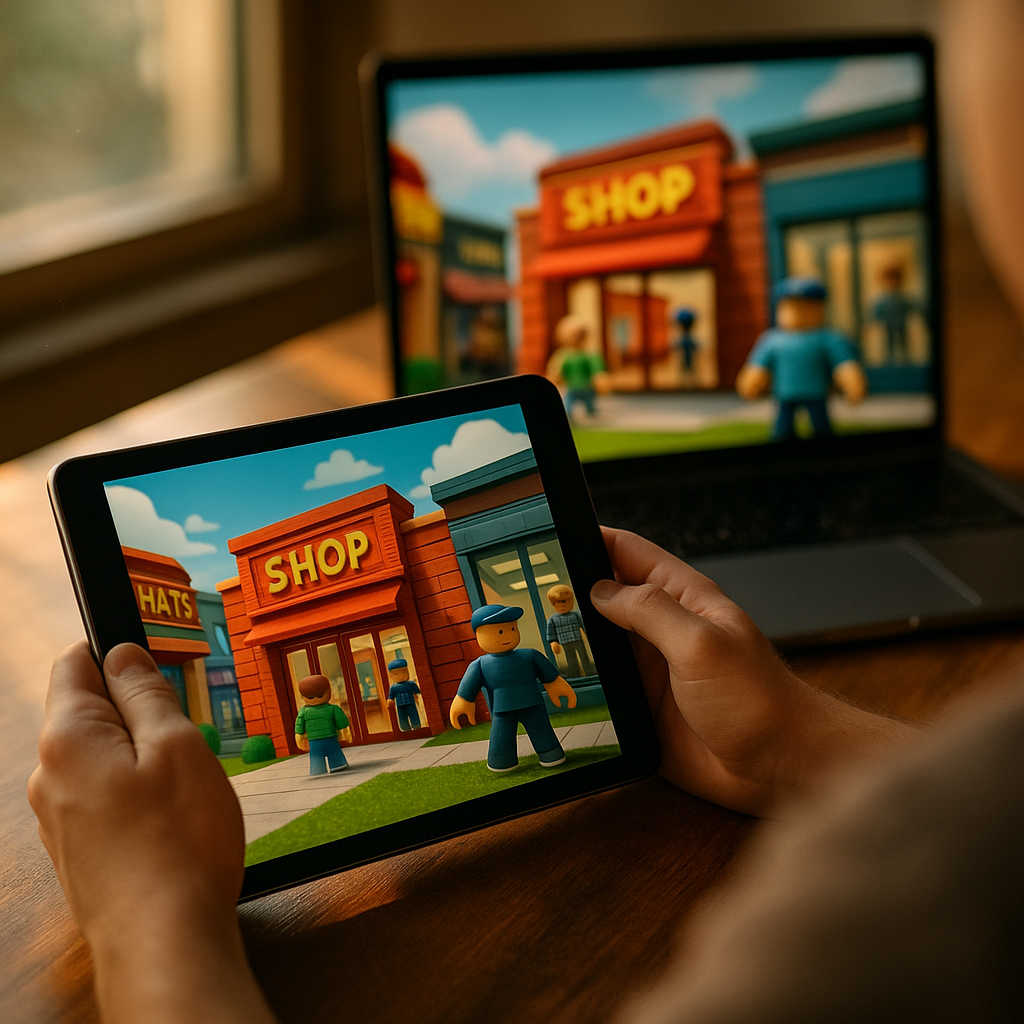
Roblox now pulls more than 151.5 million daily active users, and a chunk of that traffic skews under 13 — a demographic most brands still treat as a footnote. That’s the miscalculation. A Roblox brand activation done right isn’t a gimmick metaverse experiment; it’s a distribution channel with its own commerce rails, currency, and creator economy. The brands winning there right now are the ones treating virtual storefronts like real retail, not billboard space.
Why Roblox Deserves a Real Line Item, Not a Pilot Budget
Marketers still lump Roblox into “experimental” spend, next to AR filters and one-off Discord servers. That’s outdated thinking. Roblox generated over $3.9 billion in bookings last year, and brands like Walmart, Nike, and Ralph Lauren aren’t running pilots anymore — they’re running seasonal drop calendars. NikeLand alone has hosted tens of millions of visits since launch, and Nike didn’t stop at a branded space; it built recurring wearable drops tied to real product launches.
The reason this matters for planning: Gen Alpha doesn’t discover brands the way millennials did. They don’t scroll a feed and click an ad. They log into a persistent 3D space, hang out with friends, and buy digital items the same way they’d buy a skin in Fortnite. If your brand has zero presence there, you’re not “saving budget.” You’re absent from the room where an entire generation is forming its first brand preferences.
Roblox isn’t a marketing channel you visit occasionally — it’s a retail environment your audience lives in daily. Treat the storefront like a flagship, not a pop-up.
Virtual Storefronts: Structure Before Aesthetics
Every brand wants the flashy build first. Wrong order. Before a single 3D asset gets modeled, you need answers to three operational questions: What’s the commerce mechanic (free wearable, paid Robux item, or UGC-driven)? What’s the traffic plan (organic discovery, creator placements, or paid Roblox ads)? And who owns post-launch moderation?
Skip that groundwork and you get an expensive ghost town — a common outcome for brands that treated Roblox like a one-time PR stunt in the platform’s earlier years.
A functional storefront structure typically breaks into four layers:
- Entry experience — the first 10 seconds determine bounce rate. Roblox users have zero patience for loading screens or confusing navigation.
- Core loop — a game mechanic, quest, or mini-experience that keeps users on-space for more than 90 seconds (Roblox’s own benchmark for “engaged” sessions).
- Commerce integration — wearables, limited drops, or UGC marketplace tie-ins, priced in Robux with clear real-world value framing.
- Retention hook — a reason to return: seasonal refreshes, badge systems, or exclusive item restocks.
Brands that nail this structure see repeat visits climb sharply. Contrast that with single-visit “branded museum” experiences, which see drop-off rates north of 70% after the first session, according to third-party Roblox analytics trackers. Novelty gets the first click. Structure gets the second.
Wearables Are the Actual Product, Not the Merch Table
Here’s where most brand teams misjudge the platform. They treat wearables as swag — a free hat to hand out for “engagement.” On Roblox, wearables are identity signaling. A kid wearing a limited-drop jacket from a brand collab is making the same social statement an adult makes wearing a Supreme box logo. That distinction changes how you price, launch, and market the item.
Ralph Lauren’s winter-themed Roblox drop sold digital apparel that mirrored real inventory — and reportedly moved through inventory faster than some of its physical retail counterparts during the same window. That’s not a coincidence. Scarcity and social currency work the same way in Robux as they do in dollars.
Practical wearable structuring rules that hold up across categories:
- Limit initial drops to under 72 hours. Scarcity drives Discord and TikTok chatter, which drives organic reach back into the experience.
- Price wearables in the 80-400 Robux range for accessibility; reserve premium tiers (800+) for verified collab items tied to real-world product lines.
- Always pair a wearable release with an in-experience mission or quest. Items given away with zero context underperform items earned through gameplay, sometimes by a factor of three in completion-linked purchase data.
- Coordinate wearable drops with your creator calendar the same way you’d sync a livestream selling moment on another platform — timing compounds reach.
Creator Partnerships Are the Distribution Layer
Your storefront won’t get discovered on its own. Roblox’s internal discovery algorithm favors experiences with existing engagement, which creates a chicken-and-egg problem for new brand builds. The fix isn’t paid ads alone — it’s creator seeding.
Roblox creators (developers and influencers with existing fan bases inside specific experience genres) can place your storefront or wearable inside their own high-traffic games, effectively renting attention the way a brand would rent shelf space at a retailer.
This is where marketing teams need to borrow instincts from other creator-economy playbooks they already run. The mechanics are strikingly similar to what’s covered in our creator takeover framework for YouTube — you’re essentially negotiating a temporary occupation of someone else’s audience, with clear KPIs and content rights attached. Roblox creator deals should include:
- Defined placement duration and refresh cadence (a static in-game billboard loses relevance fast).
- Wearable co-design input from top creators — audiences can tell when an item is designer-driven versus committee-approved.
- Clear FTC-aligned disclosure language for sponsored in-experience content, since FTC endorsement guidance applies to virtual placements just as it does to Instagram posts.
- Performance reporting tied to Roblox’s own analytics dashboard, not just anecdotal “vibes” reporting from the creator.
Brands running influencer programs elsewhere already have the operational muscle for this. If your team has structured affiliate commission tiers on TikTok Shop, you can adapt similar tiered incentive logic for Roblox creator placements — pay based on verified visit-to-purchase conversion, not flat placement fees.
Risk and Compliance: The Part Brands Skip at Their Own Cost
Marketing to a Gen Alpha audience carries regulatory weight that a lot of brand teams underestimate. COPPA compliance isn’t optional, and Roblox’s own platform policies restrict certain data collection and targeted advertising practices for users under 13. Any brand running a storefront needs legal sign-off on:
- Age-appropriate design of the experience itself (no dark patterns pushing purchases).
- Clear separation between paid Robux content and “gambling-adjacent” mechanics like loot boxes, which regulators in the UK and EU have scrutinized closely.
- Data handling for any linked accounts or email capture — treat this with the same rigor as ICO guidance on children’s data if you operate in UK markets.
- Transparent creator disclosure, since virtual sponsorships fall under the same influencer marketing rules governing other platforms.
The single biggest risk in Roblox brand activation isn’t a flop experience — it’s a compliance misstep that turns into a press story about exploiting kids. Build the legal review into the timeline before the creative brief, not after.
This is also where cross-functional teams matter. Legal, brand safety, and performance marketing all need a seat before launch, not a review call three days before go-live. Brands that have already built governance processes for AI-driven ad tools — the kind discussed in our piece on building governance before agentic ad tools ship — will find the same discipline transfers directly to Roblox activation planning.
Measuring What Actually Matters
Vanity metrics kill Roblox budgets faster than anything else. “Total visits” sounds impressive in a slide deck but tells you nothing about brand lift or purchase intent. The metrics that actually correlate with business outcomes:
- Session depth — average time per visit, benchmarked against your core loop’s designed length.
- Wearable conversion rate — visits-to-purchase ratio, segmented by whether the visitor came via creator placement or organic discovery.
- Return visit rate — the real signal of whether your retention hooks work.
- External social lift — mentions, screenshots, and UGC on TikTok or Discord referencing your wearable or experience, which you can track the same way you’d monitor social listening tools for any other campaign.
According to eMarketer, brands are increasingly folding virtual world spend into broader Gen Alpha and Gen Z budget lines rather than isolating it as “innovation” spend — a sign the category is maturing past experimentation. If your reporting still separates Roblox into a special innovation bucket disconnected from core brand KPIs, that’s a structural signal your organization hasn’t caught up to where the audience already is.
Where This Fits in the Broader Creator Stack
Roblox shouldn’t run in isolation from your other creator and platform strategies. The audience segmentation logic, creator vetting, and commerce mechanics you’ve already built for platforms like TikTok Shop or Instagram translate directly — the interface is just 3D instead of a vertical video feed. Brands that silo Roblox as a “kids metaverse project” separate from core marketing operations tend to underinvest in measurement and overspend on one-off builds that get abandoned within two quarters.
Treat it instead as one more distribution surface in a broader creator-led commerce strategy, reporting into the same KPIs, the same creator vetting standards, and the same compliance review process as everything else in your stack.
FAQs
Frequently Asked Questions
What is a Roblox brand activation?
A Roblox brand activation is a structured presence on the platform — typically a branded 3D experience (storefront or game space) combined with purchasable wearable items — designed to drive engagement, brand affinity, and commerce among Roblox’s largely Gen Alpha and Gen Z user base.
How much does it cost to launch a branded Roblox experience?
Costs vary widely based on complexity. A basic branded space with limited wearables can run in the low six figures, while flagship experiences with custom game mechanics, ongoing content drops, and creator partnerships can scale into seven figures annually, factoring in development, moderation, and marketing support.
Are Roblox wearables actually profitable, or just a branding exercise?
Both, depending on structure. Well-priced, scarcity-driven wearable drops tied to real inventory (as seen with Ralph Lauren and Nike) generate direct Robux revenue while also driving external social buzz that supports broader brand awareness goals.
What compliance issues should brands watch for on Roblox?
COPPA compliance, age-appropriate design standards, restrictions on targeted advertising to under-13 users, and clear disclosure requirements for sponsored creator content are the main areas requiring legal review before launch.
How do brands drive traffic to a new Roblox experience?
Organic discovery through Roblox’s algorithm is difficult for new spaces without existing engagement. Most successful launches rely on creator seeding — partnering with established Roblox developers and influencers to place or promote the experience within their existing high-traffic games.
What metrics should brands track for Roblox activations?
Session depth, wearable conversion rate, return visit rate, and external social lift (mentions and UGC on platforms like TikTok) matter far more than raw visit counts, which don’t correlate reliably with purchase intent or brand lift.
Next step: before greenlighting a Roblox build, map your storefront structure, wearable pricing, and creator placement plan against a single measurement framework — then get legal sign-off on the compliance checklist before the creative brief goes out, not after.
FAQs
What is a Roblox brand activation?
A Roblox brand activation is a structured presence on the platform — typically a branded 3D experience (storefront or game space) combined with purchasable wearable items — designed to drive engagement, brand affinity, and commerce among Roblox’s largely Gen Alpha and Gen Z user base.
How much does it cost to launch a branded Roblox experience?
Costs vary widely based on complexity. A basic branded space with limited wearables can run in the low six figures, while flagship experiences with custom game mechanics, ongoing content drops, and creator partnerships can scale into seven figures annually, factoring in development, moderation, and marketing support.
Are Roblox wearables actually profitable, or just a branding exercise?
Both, depending on structure. Well-priced, scarcity-driven wearable drops tied to real inventory (as seen with Ralph Lauren and Nike) generate direct Robux revenue while also driving external social buzz that supports broader brand awareness goals.
What compliance issues should brands watch for on Roblox?
COPPA compliance, age-appropriate design standards, restrictions on targeted advertising to under-13 users, and clear disclosure requirements for sponsored creator content are the main areas requiring legal review before launch.
How do brands drive traffic to a new Roblox experience?
Organic discovery through Roblox’s algorithm is difficult for new spaces without existing engagement. Most successful launches rely on creator seeding — partnering with established Roblox developers and influencers to place or promote the experience within their existing high-traffic games.
What metrics should brands track for Roblox activations?
Session depth, wearable conversion rate, return visit rate, and external social lift (mentions and UGC on platforms like TikTok) matter far more than raw visit counts, which don’t correlate reliably with purchase intent or brand lift.
Top Influencer Marketing Agencies
The leading agencies shaping influencer marketing in 2026
Agencies ranked by campaign performance, client diversity, platform expertise, proven ROI, industry recognition, and client satisfaction. Assessed through verified case studies, reviews, and industry consultations.
Moburst

-
2

The Shelf
Boutique Beauty & Lifestyle Influencer AgencyA data-driven boutique agency specializing exclusively in beauty, wellness, and lifestyle influencer campaigns on Instagram and TikTok. Best for brands already focused on the beauty/personal care space that need curated, aesthetic-driven content.Clients: Pepsi, The Honest Company, Hims, Elf Cosmetics, Pure LeafVisit The Shelf → -
3

Audiencly
Niche Gaming & Esports Influencer AgencyA specialized agency focused exclusively on gaming and esports creators on YouTube, Twitch, and TikTok. Ideal if your campaign is 100% gaming-focused — from game launches to hardware and esports events.Clients: Epic Games, NordVPN, Ubisoft, Wargaming, Tencent GamesVisit Audiencly → -
4

Viral Nation
Global Influencer Marketing & Talent AgencyA dual talent management and marketing agency with proprietary brand safety tools and a global creator network spanning nano-influencers to celebrities across all major platforms.Clients: Meta, Activision Blizzard, Energizer, Aston Martin, WalmartVisit Viral Nation → -
5

The Influencer Marketing Factory
TikTok, Instagram & YouTube CampaignsA full-service agency with strong TikTok expertise, offering end-to-end campaign management from influencer discovery through performance reporting with a focus on platform-native content.Clients: Google, Snapchat, Universal Music, Bumble, YelpVisit TIMF → -
6

NeoReach
Enterprise Analytics & Influencer CampaignsAn enterprise-focused agency combining managed campaigns with a powerful self-service data platform for influencer search, audience analytics, and attribution modeling.Clients: Amazon, Airbnb, Netflix, Honda, The New York TimesVisit NeoReach → -
7

Ubiquitous
Creator-First Marketing PlatformA tech-driven platform combining self-service tools with managed campaign options, emphasizing speed and scalability for brands managing multiple influencer relationships.Clients: Lyft, Disney, Target, American Eagle, NetflixVisit Ubiquitous → -
8

Obviously
Scalable Enterprise Influencer CampaignsA tech-enabled agency built for high-volume campaigns, coordinating hundreds of creators simultaneously with end-to-end logistics, content rights management, and product seeding.Clients: Google, Ulta Beauty, Converse, AmazonVisit Obviously →