


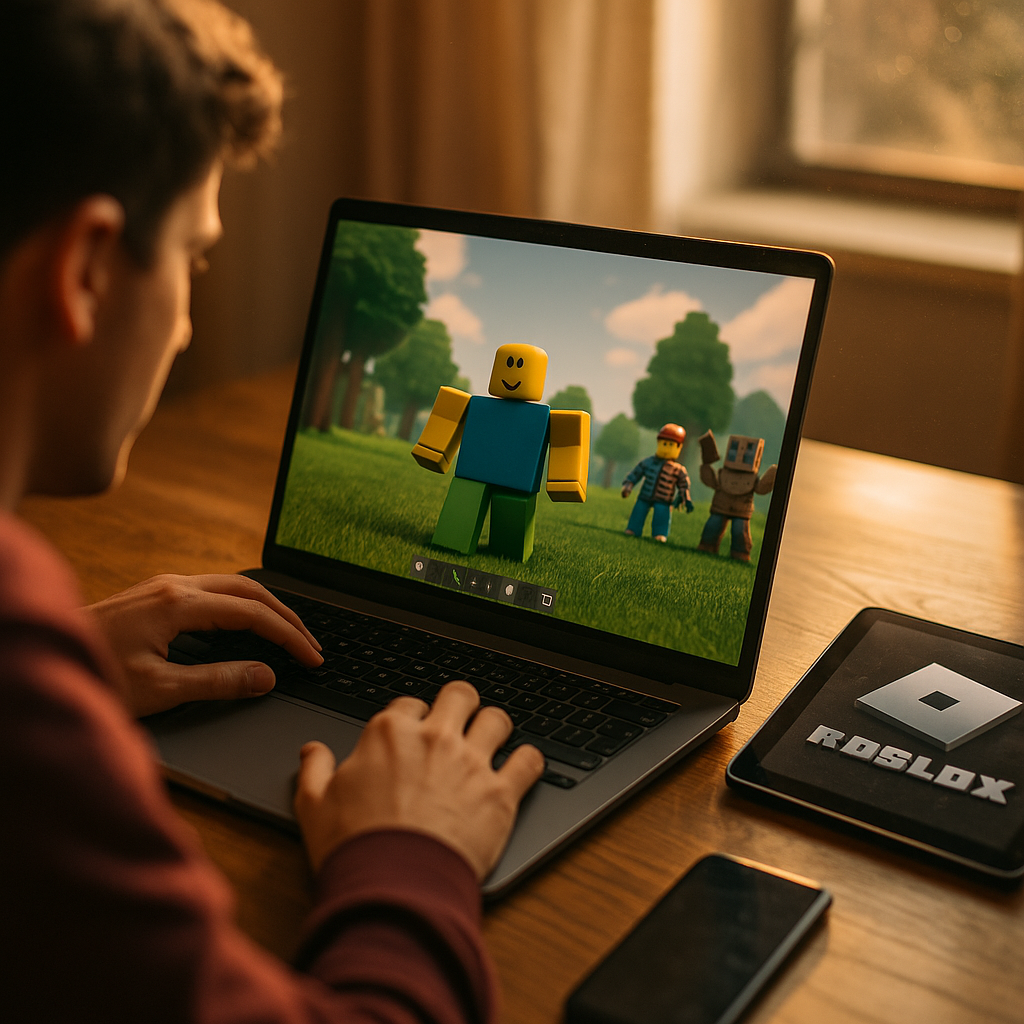
More than 80 million people log into Roblox every single day, and the average session runs longer than most brands’ entire app dwell time. So why do so many marketers still treat Roblox like a novelty stunt instead of a serious media channel? This Roblox brand playbook breaks down how to build immersive creator experiences that actually scale, convert, and survive a legal review.
The Numbers Nobody in the Boardroom Wants to Ignore
Roblox isn’t a kids’ app anymore, or at least not exclusively. The platform’s own investor disclosures show a rapidly aging user base, with the over-17 segment growing faster than any other cohort. That shift matters because it changes the entire calculus for CPG, apparel, entertainment, and even automotive brands weighing whether to build a presence there.
Here’s the uncomfortable part: most brand experiences on Roblox still get built like one-off marketing stunts. A launch week, a press release, then silence. Traffic craters within a month because there was never a retention plan, only an activation plan. If you’re going to invest five or six figures in a build, you need a system, not a splash.
Brands that treat Roblox as owned media, not a paid placement, see dramatically longer experience lifespans and lower cost per engaged user over time.
What “Immersive” Actually Means for a Brand Team
Immersive gets thrown around loosely. In practice, it means three things working together: a world players want to return to, mechanics that reward repeat visits, and a creator ecosystem that keeps generating fresh content inside your space without your team lifting a finger every week.
That last part is the piece most brands underinvest in. You can commission the best studio in the world to build your flagship experience, but if there’s no creator layer, no UGC incentive, no reason for a mid-tier Roblox creator to make a video about your world, engagement flatlines. Compare this to how brands approach creator led world building, where the community itself becomes the distribution engine.
Picking Creator Partners: Reach Is Not the Same as Fit
The instinct is to chase the biggest Roblox creator names available. Resist it. A creator with 40 million subscribers who makes obstacle course content isn’t automatically the right fit for a beauty brand launching a virtual try-on experience. Audience overlap, content format, and existing brand affinity matter more than raw subscriber count.
- Format alignment: Does the creator’s content style match how you want your experience discovered (gameplay walkthroughs, challenge videos, trend participation)?
- Audience overlap: Pull demographic data before signing anything. A mismatch here wastes budget fast.
- Track record with brands: Has this creator delivered measurable lift for other partners, or just impressions?
- Platform tenure: Longtime Roblox creators understand the platform’s discovery algorithm far better than crossover talent from other platforms.
Vetting this properly takes real operational discipline, which is exactly where a lot of programs stumble. For a deeper breakdown of how to structure these partnerships without burning your entire quarter’s budget, see this creator partnership framework.
Budget Realities: What Scale Actually Costs
Let’s talk numbers, because vague budget guidance helps nobody. A basic branded experience with limited interactivity can run in the low six figures. A flagship world with custom mechanics, seasonal content drops, and ongoing creator activation typically lands in the mid to high six figures for year one, with meaningful savings in renewal years once the core build exists.
Where budgets actually go wrong is post-launch. Teams pour 80% of spend into the build and treat the remaining 20% as an afterthought for creator activation and content refreshes. Flip that ratio. A modest world with strong, continuous creator support will outperform a flashy world that goes stale after week three.
According to eMarketer research on gaming ad spend trends, brands are increasingly shifting budget from one time activations toward always on presence models across immersive platforms. That’s the direction Roblox rewards too. If you need a starting framework for allocation, this budget and compliance guide lays out realistic splits by experience tier.
Compliance Isn’t Optional, and It’s Getting Stricter
Roblox’s user base skews younger than most marketers are used to, which means COPPA and broader children’s privacy rules apply directly to how you collect data, run promotions, and structure any purchase mechanics inside your world. The FTC has been increasingly active on enforcement around data collection from minors, and Roblox itself has tightened its own developer policies around advertising to younger audiences.
Practical steps that keep legal off your back: avoid direct data collection from users under 13, disclose sponsored content clearly within the experience, and never gate core gameplay behind a purchase in a way that could read as manipulative to a young audience. If your compliance team hasn’t reviewed your Roblox experience with the same rigor as a TV ad, that’s a gap worth closing now.
Measuring What Matters (Not Just What’s Easy to Pull)
Visits and average session time are the vanity metrics everyone reports because Roblox makes them easy to grab. They’re not useless, but they’re not the whole story either. What actually correlates with business outcomes: return visit rate, creator generated content volume, and downstream conversion when you can tie in-world actions to real purchase or sign-up behavior.
- Return visit rate: Are people coming back without a new marketing push, or did the spike die the moment paid promotion stopped?
- UGC volume and sentiment: How many creators are making unprompted content about your world, and is it positive?
- Cross-platform spillover: Are Roblox visitors showing up on your other owned channels afterward?
- Cost per engaged session: Total spend divided by sessions longer than a defined threshold (say, 90 seconds), not just raw visit count.
Tools like Sprout Social and HubSpot can help you connect social listening and CRM data back to campaign performance, even though neither integrates natively with Roblox analytics yet. That gap means most brands are still stitching together spreadsheets manually, which is tedious but necessary until the platform’s own measurement tools mature. For a full walkthrough on connecting these dots, this ROI measurement guide is worth bookmarking.
How Long Before You See Results?
Set expectations early with stakeholders. Most well built Roblox experiences take eight to twelve weeks post-launch before organic discovery and creator content really compound. If your leadership expects a hockey stick in week two, manage that conversation now, not after launch when the pressure hits.
Statista’s ongoing tracking of gaming and virtual world engagement data consistently shows that immersive platform experiences reward patience over instant virality. Brands that pull the plug too early leave the actual payoff on the table.
Building a Repeatable Process, Not a One-Off Bet
The brands winning on Roblox right now aren’t the ones with the biggest single build budget. They’re the ones who treat it like any other owned channel: a roadmap, a content calendar, a creator relationship strategy, and a compliance checklist that gets reused every quarter instead of reinvented from scratch. Build that operational muscle once, and every future experience gets faster and cheaper to launch.
Next step: Before greenlighting your next build, audit your last Roblox activation against three questions: did creators keep making content after week one, did return visits hold above 20%, and did legal sign off on the data handling before launch, not after? If any answer is no, fix that process before you spend another dollar on the next world.
FAQs
How much does a branded Roblox experience typically cost?
Basic experiences start in the low six figures, while flagship builds with custom mechanics and ongoing creator support often reach mid to high six figures in the first year, with lower costs on renewal.
What compliance rules apply to brand experiences on Roblox?
COPPA and related children’s privacy regulations apply directly, especially around data collection from users under 13. Clear sponsored content disclosure and non-manipulative purchase mechanics are also required under FTC guidance.
How do I choose the right Roblox creators to partner with?
Prioritize audience overlap, content format alignment, and proven track record with brand campaigns over raw subscriber count. A smaller creator with the right audience fit often outperforms a mega influencer with mismatched content style.
What metrics actually predict ROI on Roblox?
Return visit rate, volume of unprompted creator generated content, and cost per engaged session matter far more than total visits or average session time alone.
How long does it take to see results from a Roblox brand experience?
Most experiences need eight to twelve weeks post-launch before organic discovery and creator content compound into measurable engagement and conversion lift.
Top Influencer Marketing Agencies
The leading agencies shaping influencer marketing in 2026
Agencies ranked by campaign performance, client diversity, platform expertise, proven ROI, industry recognition, and client satisfaction. Assessed through verified case studies, reviews, and industry consultations.
Moburst

-
2

The Shelf
Boutique Beauty & Lifestyle Influencer AgencyA data-driven boutique agency specializing exclusively in beauty, wellness, and lifestyle influencer campaigns on Instagram and TikTok. Best for brands already focused on the beauty/personal care space that need curated, aesthetic-driven content.Clients: Pepsi, The Honest Company, Hims, Elf Cosmetics, Pure LeafVisit The Shelf → -
3

Audiencly
Niche Gaming & Esports Influencer AgencyA specialized agency focused exclusively on gaming and esports creators on YouTube, Twitch, and TikTok. Ideal if your campaign is 100% gaming-focused — from game launches to hardware and esports events.Clients: Epic Games, NordVPN, Ubisoft, Wargaming, Tencent GamesVisit Audiencly → -
4

Viral Nation
Global Influencer Marketing & Talent AgencyA dual talent management and marketing agency with proprietary brand safety tools and a global creator network spanning nano-influencers to celebrities across all major platforms.Clients: Meta, Activision Blizzard, Energizer, Aston Martin, WalmartVisit Viral Nation → -
5

The Influencer Marketing Factory
TikTok, Instagram & YouTube CampaignsA full-service agency with strong TikTok expertise, offering end-to-end campaign management from influencer discovery through performance reporting with a focus on platform-native content.Clients: Google, Snapchat, Universal Music, Bumble, YelpVisit TIMF → -
6

NeoReach
Enterprise Analytics & Influencer CampaignsAn enterprise-focused agency combining managed campaigns with a powerful self-service data platform for influencer search, audience analytics, and attribution modeling.Clients: Amazon, Airbnb, Netflix, Honda, The New York TimesVisit NeoReach → -
7

Ubiquitous
Creator-First Marketing PlatformA tech-driven platform combining self-service tools with managed campaign options, emphasizing speed and scalability for brands managing multiple influencer relationships.Clients: Lyft, Disney, Target, American Eagle, NetflixVisit Ubiquitous → -
8

Obviously
Scalable Enterprise Influencer CampaignsA tech-enabled agency built for high-volume campaigns, coordinating hundreds of creators simultaneously with end-to-end logistics, content rights management, and product seeding.Clients: Google, Ulta Beauty, Converse, AmazonVisit Obviously →