


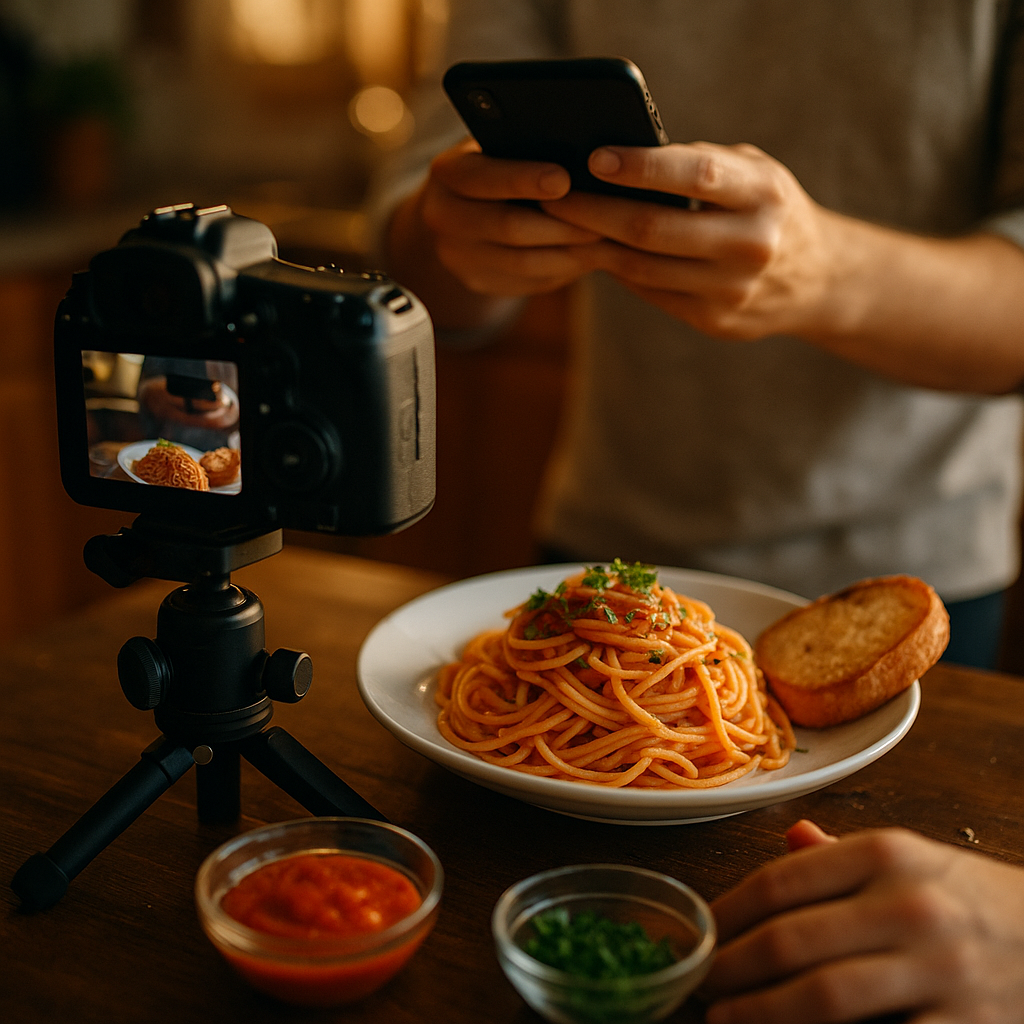
Case studies in food and beverage viral recipes reveal how innovative kitchen creations capture the world’s attention and drive business growth. By analyzing what makes certain dishes explode in popularity online, businesses and creators gain actionable insights. Explore the critical elements behind viral recipes and how you can apply these lessons to your brand.
The Rise of Viral Recipes: Social Media’s Power in Food and Beverage Trends
Social media platforms are the engine behind modern food and beverage trends. Platforms like TikTok, Instagram, and YouTube allow recipes to spread rapidly, reaching millions within days. According to recent data from analytics firm DataMonitor, food-related content was among the top five most-shared categories globally in 2025. This rapid sharing accelerates trend cycles, making it crucial for brands and creators to monitor and adapt to viral phenomena.
Viral recipes like Dalgona coffee or baked feta pasta exemplify how visual appeal and ease of preparation ignite mass participation. These trends thrive on interactive content—users replicate, modify, and share their results, fueling further visibility. Understanding this cycle is essential for anyone wishing to launch a recipe or product that resonates widely.
Case Study Insights: What Makes a Recipe Go Viral in 2025?
A deep dive into recent case studies reveals several factors driving viral success in the food and beverage space:
- Visual Simplicity: Stunning, easy-to-replicate visuals garner more engagement. A colorful, organized dish photographed in good lighting consistently outperforms cluttered images.
- Unique Twist: Recipes with a surprising element—such as a novel use of ingredients or an unexpected texture—tend to generate more shares and conversation.
- Clear Instructions: Step-by-step videos or carousel posts with clear guidance reduce perceived effort, making users more likely to try the recipe themselves.
- Community Involvement: Prompting challenges or hashtags invites public participation. For example, the “#pastaHack” tag generated over 8 billion views in early 2025 alone.
Brands can apply these insights by simplifying recipes, highlighting unique selling points, and encouraging user-generated content.
Leveraging Influencers for Food and Beverage Viral Recipes
Influencer marketing remains critical in propelling recipes into the viral stratosphere. Micro- and macro-influencers bridge brands with engaged food-loving communities. In 2025, partnership data shows that 76% of successful viral recipe campaigns involved at least one influencer with over 100,000 followers.
Effective collaboration goes beyond a single post. Brands partner with creators for long-term campaigns, co-developing recipes or launching branded hashtags. Authenticity is paramount: influencers with genuine enthusiasm for their partnerships drive higher conversion and share rates. Consider engaging creators who regularly explore trending ingredients or post easy, approachable recipes.
Case Study: Brands That Captured Viral Recipe Success
Analyzing specific brand case studies offers concrete lessons:
- Beverage Brand Launch: A sparkling water company partnered with a vegan chef to create unique mocktails, leveraging Instagram Reels. The #SpritzFizzChallenge generated 3.5 million uses and boosted the brand’s recognition by 28% within two months.
- QSR Innovators: A quick-service restaurant introduced a “DIY Taco Wrap” kit via TikTok. By inviting customers to share their own wrap designs, they achieved a month-long 31% increase in online orders and significant upticks in engagement metrics.
These successes underline the importance of timing, social engagement, and accessible creativity. Brands that act nimbly and offer hands-on participation foster lasting awareness and loyalty.
Measuring Impact: Analytics in Viral Recipe Campaigns
Robust analytics are essential for tracking the success of food and beverage viral recipes. Popular key performance indicators (KPIs) in 2025 include:
- Engagement Rate: Likes, shares, comments, and reposts measured across all channels.
- Hashtag Usage: Volume and growth of branded or campaign-specific hashtags.
- Video Completion Rates: Especially relevant for recipe walkthroughs or cooking demos.
- Sales Uplift: Direct or indirect increases in product sales following a campaign launch.
Real-time tools such as Brandwatch and Sprout Social empower teams to refine content, address emerging questions promptly, and maximize the reach of viral recipes. Brands should establish baseline metrics before a campaign to track incremental progress and optimize future strategies.
Sustaining Success: Keeping Viral Momentum Alive
Achieving virality is only half the battle; sustaining momentum ensures longer-term growth. Smart brands keep the conversation fresh by:
- Seasonal Adaptation: Reimagining popular viral recipes for holidays or regional tastes maintains relevance and offers fresh angles for coverage.
- Community Recognition: Featuring top user creations on brand pages or offering prizes for the most inventive twists builds deeper loyalty and recurring engagement.
- Continuous Learning: Regularly analyzing which recipe formats, lengths, and platforms perform best allows creators and brands to adjust future campaigns proactively.
Such tactics transform one-off hits into ongoing engagement and strong brand affinity, fostering a culture of innovation and inclusivity.
FAQs About Case Studies in Food and Beverage Viral Recipes
-
What defines a food and beverage recipe as “viral”?
A recipe is considered viral when it is rapidly shared across multiple platforms, resulting in widespread replication, trending hashtags, and significant increases in engagement or sales.
-
Which platforms are best for launching viral recipes in 2025?
TikTok, Instagram Reels, and YouTube Shorts are the top platforms for rapid food trend dissemination, driven by their short-form video features and active recipe communities.
-
How can smaller brands capitalize on viral trends?
Smaller brands benefit by partnering with micro-influencers, simplifying their recipes for broad appeal, and participating in trending challenges or hashtags to increase their reach organically.
-
What’s the most important metric for viral recipe ROI?
Engagement rate is crucial, but tracking direct sales uplift and hashtag usage provides a comprehensive view of campaign ROI for food and beverage brands in 2025.
-
How can brands maintain momentum after a recipe goes viral?
Brands should keep their content fresh by encouraging user-generated variations, adapting recipes for new seasons or occasions, and consistently recognizing and rewarding community participation.
Food and beverage viral recipes offer powerful marketing opportunities for brands and creators in 2025. By embracing digital trends, analyzing campaign data, and fostering continuous engagement, businesses can turn fleeting moments of virality into long-lasting success and brand loyalty.
Top Influencer Marketing Agencies
The leading agencies shaping influencer marketing in 2026
Agencies ranked by campaign performance, client diversity, platform expertise, proven ROI, industry recognition, and client satisfaction. Assessed through verified case studies, reviews, and industry consultations.
Moburst

-
2

The Shelf
Boutique Beauty & Lifestyle Influencer AgencyA data-driven boutique agency specializing exclusively in beauty, wellness, and lifestyle influencer campaigns on Instagram and TikTok. Best for brands already focused on the beauty/personal care space that need curated, aesthetic-driven content.Clients: Pepsi, The Honest Company, Hims, Elf Cosmetics, Pure LeafVisit The Shelf → -
3

Audiencly
Niche Gaming & Esports Influencer AgencyA specialized agency focused exclusively on gaming and esports creators on YouTube, Twitch, and TikTok. Ideal if your campaign is 100% gaming-focused — from game launches to hardware and esports events.Clients: Epic Games, NordVPN, Ubisoft, Wargaming, Tencent GamesVisit Audiencly → -
4

Viral Nation
Global Influencer Marketing & Talent AgencyA dual talent management and marketing agency with proprietary brand safety tools and a global creator network spanning nano-influencers to celebrities across all major platforms.Clients: Meta, Activision Blizzard, Energizer, Aston Martin, WalmartVisit Viral Nation → -
5

The Influencer Marketing Factory
TikTok, Instagram & YouTube CampaignsA full-service agency with strong TikTok expertise, offering end-to-end campaign management from influencer discovery through performance reporting with a focus on platform-native content.Clients: Google, Snapchat, Universal Music, Bumble, YelpVisit TIMF → -
6

NeoReach
Enterprise Analytics & Influencer CampaignsAn enterprise-focused agency combining managed campaigns with a powerful self-service data platform for influencer search, audience analytics, and attribution modeling.Clients: Amazon, Airbnb, Netflix, Honda, The New York TimesVisit NeoReach → -
7

Ubiquitous
Creator-First Marketing PlatformA tech-driven platform combining self-service tools with managed campaign options, emphasizing speed and scalability for brands managing multiple influencer relationships.Clients: Lyft, Disney, Target, American Eagle, NetflixVisit Ubiquitous → -
8

Obviously
Scalable Enterprise Influencer CampaignsA tech-enabled agency built for high-volume campaigns, coordinating hundreds of creators simultaneously with end-to-end logistics, content rights management, and product seeding.Clients: Google, Ulta Beauty, Converse, AmazonVisit Obviously →