


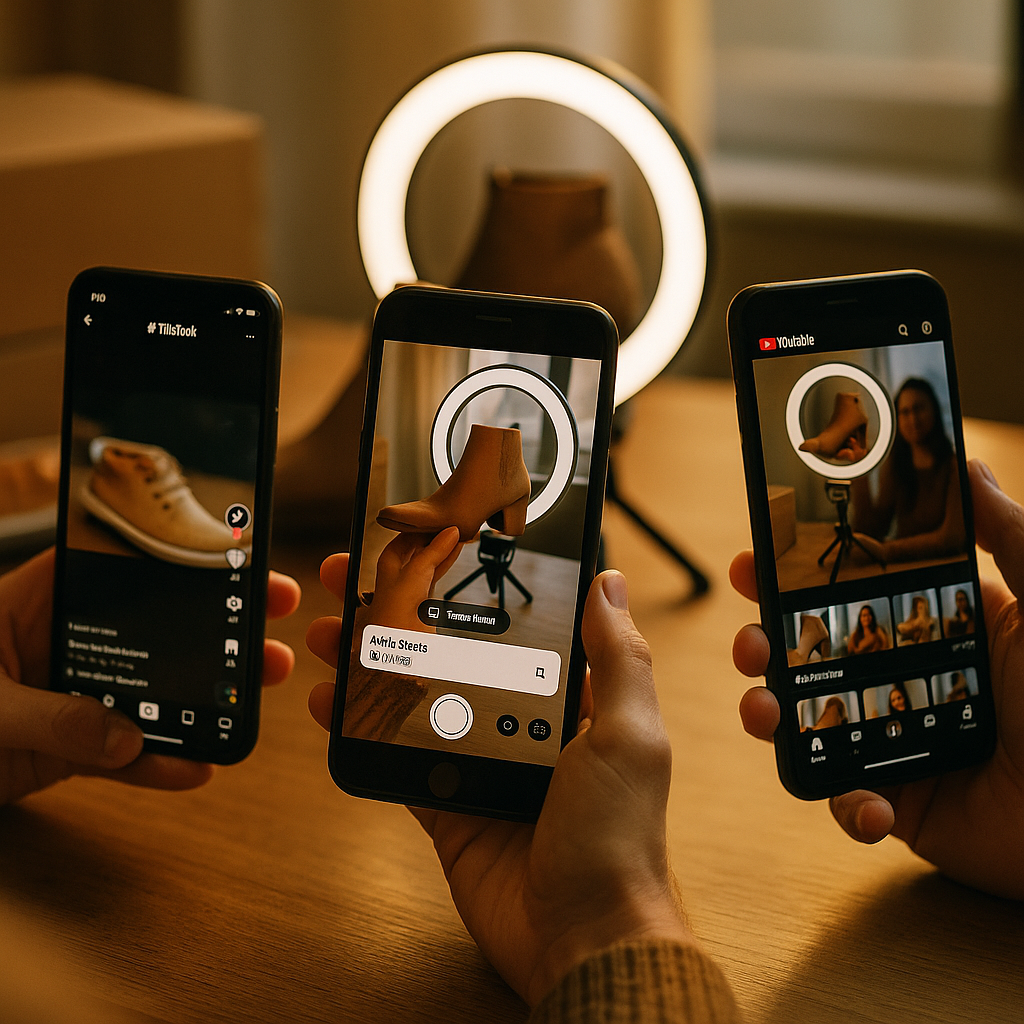
73% of marketers now say they’ve launched shoppable content on at least two platforms simultaneously, and most of them regret it. Running parallel launches sounds efficient. In practice it splinters your ops team, confuses attribution, and forces your best creators to learn three checkout flows at once. A deliberate multi platform commerce plan that sequences TikTok Shop, Instagram, and YouTube Shopping instead of stacking them wins on both speed and margin.
Why Sequencing Beats Simultaneous Launch
Every platform has a different commerce stack, a different creator pool, and a different risk profile. TikTok Shop runs on affiliate commissions and live selling velocity. Instagram Shopping leans on existing follower trust and Meta’s catalog infrastructure. YouTube Shopping rewards long-form product education and search intent. Trying to onboard all three in the same quarter means your team builds three sets of creator briefs, three commission structures, and three compliance reviews with no time to learn from any of them.
Sequencing lets you bank learnings from platform one before you spend on platform two. It also protects cash flow. Commerce launches are notoriously front-loaded: seeding costs, sample product, platform ad support, and creator bonuses all hit before revenue normalizes. A staggered rollout smooths that spend curve instead of triple-loading it into a single quarter.
The brands winning at multi platform commerce aren’t the ones with the biggest budgets. They’re the ones who treat each platform launch as a controlled experiment before scaling spend.
Start With TikTok Shop: Speed Wins the First Mover Advantage
TikTok Shop remains the fastest path to proving commerce viability for most consumer brands. Its affiliate marketplace lowers the barrier for creators to start selling within days, not weeks, and its live shopping format generates real-time sales data that’s hard to get anywhere else. Launching here first gives your team a low-friction environment to test commission tiers, product bundling, and creator vetting workflows before higher-stakes platforms enter the mix.
Practical sequencing tip: run TikTok Shop for a full 90-day cycle before touching Instagram or YouTube. That’s enough time to see which creator tiers convert, which product categories move fastest in live sessions, and where your fulfillment process breaks. Use this window to build your creator vetting cadence so nano and micro creators aren’t slipping through without basic compliance checks.
Commission structures on TikTok Shop tend to run higher than Instagram or YouTube affiliate programs, largely because the platform is still buying market share from brands. Expect that premium to compress over time, which is exactly why tracking your true program costs from day one matters. Reference our breakdown on platform commission creep to model what your effective take rate will look like a year out, not just this quarter.
What to Measure Before You Move to Phase Two
- Conversion rate by creator tier (nano, micro, mid, macro)
- Live shopping session revenue versus in-feed shoppable video revenue
- Return and refund rate by product category
- Average time from creator application to first live sale
- Actual blended commission cost after platform and creator fees
Instagram Shopping: Layer in Trust and Catalog Depth
Once TikTok Shop data gives you a baseline, Instagram Shopping becomes the trust-building layer. Instagram audiences skew slightly older and more established in their purchase habits than TikTok’s, and Meta’s catalog and Advantage+ shopping tools give you more granular retargeting than TikTok currently offers. This is where you convert the awareness TikTok generated into repeat purchase behavior, especially through Stories, Reels, and creator collab posts tied to your existing product catalog.
The operational lift here is different too. Instagram Shopping setup requires a verified commerce account, a synced product catalog through Meta’s commerce manager, and tighter adherence to shopping ad policies. Build in two to three weeks of technical setup before your first creator goes live, and don’t assume your TikTok creator contracts translate directly. Rate cards, usage rights, and disclosure language often need platform-specific addendums. If you’re managing this transition through an agency, our agency of record cost analysis is a useful gut check on whether to keep this in-house or hybrid.
Don’t underestimate FTC disclosure requirements shifting slightly by platform context. Instagram’s shopping tags create a different disclosure expectation than a TikTok live sale, and your legal team should sign off on updated creator guidelines before launch. The FTC’s endorsement guidance is the baseline every brand should be revisiting anyway, not just at launch but quarterly.
YouTube Shopping: The Slow Burn That Compounds
YouTube Shopping is the platform brands most often launch too early or skip entirely, and both mistakes cost money. Because YouTube commerce is built around long-form content, search discoverability, and evergreen video that keeps converting for months or years after publish, it doesn’t reward the fast-iteration approach that works on TikTok. It rewards patience.
Launch YouTube Shopping last, after you’ve got proven product-market fit signals from the first two platforms. Use your top-converting products and your most trusted creator relationships here, since YouTube’s shopping integration works best with creators who’ve built genuine product authority (think tutorial or review-style content, not quick unboxings). A creator who’s already demonstrated strong TikTok Shop conversion is a safer bet for a YouTube Shopping partnership than an unproven one, because you’ve already validated they can sell, not just entertain.
Google’s own YouTube Shopping setup documentation walks through the affiliate and product tagging requirements, but the bigger strategic question is content format allocation. Longer-form shopping content needs different production resourcing than the short-form assets driving TikTok and Instagram. If your content team isn’t structured to handle that mix, review the staffing model in multi format content pods before you commit a launch date.
Building the Actual Sequencing Timeline
A realistic 12-month sequencing plan for a mid-size consumer brand looks something like this:
- Months 1-3: TikTok Shop launch, creator onboarding, live shopping cadence established
- Months 3-4: Data review, commission audit, creator tier performance ranking
- Months 4-6: Instagram Shopping setup, catalog sync, creator contract adaptation
- Months 6-8: Instagram optimization, retargeting layer, cross-platform creator overlap analysis
- Months 8-10: YouTube Shopping setup, long-form content production ramp
- Months 10-12: Full three-platform attribution review, budget reallocation for the next cycle
This isn’t a rigid template. Brands in fast-moving categories like beauty or fashion might compress the TikTok phase to 60 days because the product cycle demands it. B2B or considered-purchase brands might extend YouTube’s runway since the sales cycle is naturally longer. What shouldn’t change is the discipline of reviewing data before each transition point rather than launching on a fixed calendar regardless of performance.
Attribution Is Where Most Sequencing Plans Fall Apart
Here’s the uncomfortable truth: once you’re live on all three platforms, a customer who saw a TikTok live, clicked an Instagram Reel, and bought through a YouTube shopping tag is going to show up in your reporting as three separate touchpoints unless your measurement stack is built for it. Platform-native analytics will each claim credit. None of them are lying, but none of them are giving you the full picture either.
This is where identity resolution and cross-platform tracking stop being a “nice to have” and become the thing that determines whether your CFO trusts the program enough to fund phase two. Our guide on identity resolution roadmaps covers the CDP infrastructure decisions that matter here, and the broader point in attribution trust over tool count applies directly: adding more dashboards doesn’t fix fragmented attribution, better identity matching does.
Tools like those benchmarked by eMarketer’s commerce research consistently show that brands underestimate cross-platform purchase paths by 20 to 30% when relying solely on last-click, platform-native attribution. Budget your measurement stack accordingly before you’re three platforms deep and can’t reconcile the numbers.
Risk and Compliance Don’t Scale Themselves
Each new platform adds a new layer of FTC disclosure nuance, a new set of platform-specific creator agreement terms, and a new vector for brand safety issues. A creator vetted and approved for TikTok Shop isn’t automatically cleared for Instagram or YouTube commerce work, especially if usage rights or exclusivity clauses weren’t written with multi-platform expansion in mind.
Set up a governance checkpoint at each sequencing phase rather than trying to build a universal compliance framework upfront that may not fit platform-specific realities. The framework in creator governance committees is a solid model for this: a standing review body that signs off before each platform expansion rather than a one-time legal check at program launch.
Also worth flagging: platform concentration risk doesn’t disappear just because you’re running three platforms instead of one. If 70% of your commerce revenue still comes from TikTok Shop even after Instagram and YouTube are live, you’ve got the same concentration exposure you started with. The diversification math in platform risk concentration is worth revisiting quarterly as your sequencing plan matures, not just at the twelve-month mark.
Next Step
Pick your launch platform based on where your creator pool and product category already have proven traction, not on which platform is generating the most industry buzz this quarter. Build your 90-day review checkpoint into the calendar before day one, and don’t greenlight platform two until that checkpoint has real data behind it.
Frequently Asked Questions
Which platform should a brand launch shoppable content on first?
Most consumer brands should start with TikTok Shop because of its lower setup barrier, faster affiliate onboarding, and live shopping format that generates quick performance data. Brands with an established, older audience base or a strong existing Instagram following sometimes start there instead.
How long should a brand wait between platform launches?
A 90-day review cycle between each platform launch is a reasonable baseline. It gives enough time to gather statistically meaningful conversion data without letting momentum stall.
Do creator contracts need to be rewritten for each platform?
Yes, in most cases. Usage rights, disclosure language, commission structures, and exclusivity terms differ enough across TikTok Shop, Instagram Shopping, and YouTube Shopping that a single universal contract usually creates gaps in compliance or rights coverage.
What’s the biggest attribution mistake brands make with multi platform commerce?
Relying solely on each platform’s native, last-click attribution. This overstates each platform’s individual contribution and understates the cross-platform customer journey, which typically leads to misallocated budget in the next planning cycle.
Is YouTube Shopping worth the setup effort for smaller brands?
It can be, but usually only after a brand has proven product-market fit on faster platforms. YouTube rewards long-form, authority-driven content, which takes longer to produce and longer to pay off, so it’s better suited to brands with an established creator relationship and a durable product catalog.
FAQs
Which platform should a brand launch shoppable content on first?
Most consumer brands should start with TikTok Shop because of its lower setup barrier, faster affiliate onboarding, and live shopping format that generates quick performance data. Brands with an established, older audience base or a strong existing Instagram following sometimes start there instead.
How long should a brand wait between platform launches?
A 90-day review cycle between each platform launch is a reasonable baseline. It gives enough time to gather statistically meaningful conversion data without letting momentum stall.
Do creator contracts need to be rewritten for each platform?
Yes, in most cases. Usage rights, disclosure language, commission structures, and exclusivity terms differ enough across TikTok Shop, Instagram Shopping, and YouTube Shopping that a single universal contract usually creates gaps in compliance or rights coverage.
What’s the biggest attribution mistake brands make with multi platform commerce?
Relying solely on each platform’s native, last-click attribution. This overstates each platform’s individual contribution and understates the cross-platform customer journey, which typically leads to misallocated budget in the next planning cycle.
Is YouTube Shopping worth the setup effort for smaller brands?
It can be, but usually only after a brand has proven product-market fit on faster platforms. YouTube rewards long-form, authority-driven content, which takes longer to produce and longer to pay off, so it’s better suited to brands with an established creator relationship and a durable product catalog.
Top Influencer Marketing Agencies
The leading agencies shaping influencer marketing in 2026
Agencies ranked by campaign performance, client diversity, platform expertise, proven ROI, industry recognition, and client satisfaction. Assessed through verified case studies, reviews, and industry consultations.
Moburst

-
2

The Shelf
Boutique Beauty & Lifestyle Influencer AgencyA data-driven boutique agency specializing exclusively in beauty, wellness, and lifestyle influencer campaigns on Instagram and TikTok. Best for brands already focused on the beauty/personal care space that need curated, aesthetic-driven content.Clients: Pepsi, The Honest Company, Hims, Elf Cosmetics, Pure LeafVisit The Shelf → -
3

Audiencly
Niche Gaming & Esports Influencer AgencyA specialized agency focused exclusively on gaming and esports creators on YouTube, Twitch, and TikTok. Ideal if your campaign is 100% gaming-focused — from game launches to hardware and esports events.Clients: Epic Games, NordVPN, Ubisoft, Wargaming, Tencent GamesVisit Audiencly → -
4

Viral Nation
Global Influencer Marketing & Talent AgencyA dual talent management and marketing agency with proprietary brand safety tools and a global creator network spanning nano-influencers to celebrities across all major platforms.Clients: Meta, Activision Blizzard, Energizer, Aston Martin, WalmartVisit Viral Nation → -
5

The Influencer Marketing Factory
TikTok, Instagram & YouTube CampaignsA full-service agency with strong TikTok expertise, offering end-to-end campaign management from influencer discovery through performance reporting with a focus on platform-native content.Clients: Google, Snapchat, Universal Music, Bumble, YelpVisit TIMF → -
6

NeoReach
Enterprise Analytics & Influencer CampaignsAn enterprise-focused agency combining managed campaigns with a powerful self-service data platform for influencer search, audience analytics, and attribution modeling.Clients: Amazon, Airbnb, Netflix, Honda, The New York TimesVisit NeoReach → -
7

Ubiquitous
Creator-First Marketing PlatformA tech-driven platform combining self-service tools with managed campaign options, emphasizing speed and scalability for brands managing multiple influencer relationships.Clients: Lyft, Disney, Target, American Eagle, NetflixVisit Ubiquitous → -
8

Obviously
Scalable Enterprise Influencer CampaignsA tech-enabled agency built for high-volume campaigns, coordinating hundreds of creators simultaneously with end-to-end logistics, content rights management, and product seeding.Clients: Google, Ulta Beauty, Converse, AmazonVisit Obviously →