


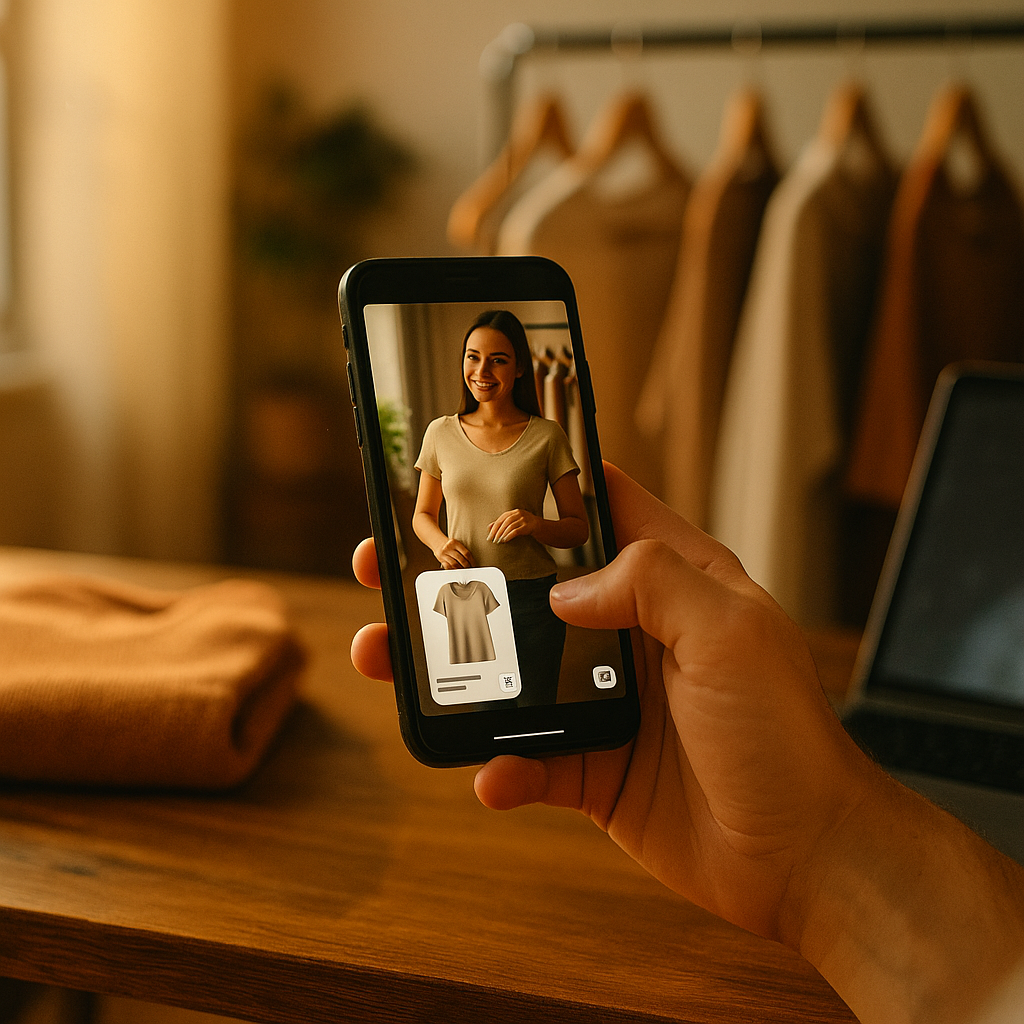
Seventy three percent of TikTok users say they’ve bought something after seeing it in-feed, according to eMarketer research on social commerce behavior. Yet most brands still bolt a checkout link onto a video like an afterthought. That gap between viewing and buying is exactly what shoppable short form video templates are built to close, and getting the template architecture right is now the difference between a content calendar and a revenue channel.
Why the Template Matters More Than the Creator
Everyone obsesses over creator selection. Fair enough, trust drives clicks. But once a viewer taps “shop now,” the video template itself takes over as the conversion engine. A poorly paced product reveal or a CTA buried at second 22 of a 30 second clip will tank conversion no matter how likable the creator is.
Native checkout, the kind embedded directly in TikTok Shop, Instagram Checkout, or YouTube Shopping, removes the redirect step that used to bleed 60 to 80 percent of interested shoppers. That’s a huge unlock. But it also raises the stakes on template design, because there’s no second chance page to recover a confused shopper. The video has to do the selling and the closing in one continuous motion.
When checkout lives inside the video experience, every second of pacing, framing, and CTA placement becomes a direct lever on revenue, not just engagement.
The Anatomy of a Conversion-Ready Template
Strip away the creative flourishes and every high-performing shoppable short follows a similar structural skeleton. It’s not glamorous, but it works.
- Hook (0 to 3 seconds): A visual or verbal pattern interrupt that stops the scroll. No brand logo, no slow zoom. Just the problem or payoff, stated fast.
- Proof or demo (3 to 15 seconds): The product in use, ideally hands-on. This is where silent demo formats often outperform voiceover-heavy scripts because captions carry the weight and sound-off viewers still convert.
- Tag or overlay window (appears by second 8, stays visible): The shoppable tag needs to render early and persist, not flash once and disappear. Platforms like TikTok Shop and Instagram now support persistent product stickers for this exact reason.
- CTA close (last 3 to 5 seconds): A direct, specific ask. “Tap the tag to get 20 percent off today” beats “check it out” every time.
Templates that skip the demo and jump straight from hook to CTA tend to spike click-through but tank at the actual purchase step. Shoppers tap out of curiosity, hit a product page with no context, and bounce. Pacing discipline matters as much as creative flair.
Placement of the Shoppable Tag Isn’t Cosmetic
This sounds like a UX detail. It’s actually a conversion lever. Tags placed in the lower third can obscure captions on mobile, which kills accessibility for the sound-off crowd, who make up a majority of mobile viewers per Sprout Social engagement data. Best practice right now: keep the tag in the upper third or a floating side position, and never let it overlap with burned-in captions.
Brands running high-volume programs should build this into the creative brief itself, not leave it to the editor’s discretion. The teams referenced in our shoppable video overlay checklist treat tag placement as a non-negotiable QA gate before any asset ships.
Template Types Worth Building Into Your Library
Not every product category converts the same way. A skincare serum needs a different rhythm than a kitchen gadget. Here’s what’s actually working across categories right now.
- The transformation cut: Before and after framing, heavy on visual proof, light on narration. Popular in beauty and wellness, and it pairs well with the FTC-conscious approach outlined in our before and after skincare guidance.
- The unboxing sprint: Compressed unboxing under 15 seconds, tag appears the moment the product is visible. Works well for gadgets and subscription boxes.
- The recipe or use case walkthrough: Slower burn, higher intent. Borrows heavily from the structure covered in CPG recipe video briefs, where repeat purchase behavior matters more than one-time impulse buys.
- The reaction-led pick: Creator reacts to a product claim or comparison, tag drops mid-reaction. Similar mechanics to the poll and reaction overlay format, just with checkout embedded instead of a poll sticker.
Building three or four of these as reusable templates, with clear timing marks and tag placement rules, lets creative teams scale output without reinventing structure every campaign cycle. That’s the operational efficiency piece brand leads actually care about when they’re greenlighting a program.
What About Retention, Not Just First-Tap Conversion?
Here’s a mistake I see often: teams optimize purely for the first purchase and ignore whether the shoppable format builds any repeat behavior. Single-video conversion is a vanity win if the customer never comes back.
Pairing shoppable templates with a broader narrative structure helps. Programs using season-long ambassador arcs or cliffhanger series formats see higher lifetime value per shopper because the checkout moment becomes part of an ongoing relationship, not a one-off impulse tap. The template still needs to convert on its own, but it performs better when it’s a chapter, not a standalone.
Measuring What Actually Matters
Views and click-through rate are vanity metrics if you’re not tracking completion-to-checkout ratio. That’s the number that tells you whether your template pacing is actually working.
Track these four metrics per template variant:
- Video completion rate (are people watching past the demo section?)
- Tag tap rate (are they engaging with the shoppable element at all?)
- Checkout initiation rate (tap to cart)
- Checkout completion rate (cart to purchase, the true native conversion metric)
A template can look great on completion rate and still underperform on checkout completion if the CTA is vague or the tag placement is fumbling. Run these as A/B pairs, same product, same creator, different pacing structure. The data will tell you which template family to scale.
Completion rate tells you if people watched. Checkout completion rate tells you if the template actually sold anything, and that’s the number that should drive budget decisions.
For teams working across multiple formats simultaneously, the three layer video stack framework offers a useful way to segment top-of-funnel reach content from mid-funnel proof content from bottom-funnel shoppable closers, so you’re not asking one template to do every job at once.
Compliance and Trust Still Apply
Native checkout doesn’t exempt anyone from disclosure rules. The FTC’s endorsement guidance still applies whether the purchase happens on a landing page or inside a TikTok Shop tag. Brands running high-volume shoppable programs should bake disclosure language into the template brief itself, not leave it as a caption afterthought creators forget half the time.
This matters more as platforms tighten enforcement. TikTok’s advertising policies and Meta’s commerce guidelines both require clear disclosure for paid partnerships, and non-compliant content risks getting throttled or pulled entirely, which kills conversion data before it even has a chance to accumulate.
Building the Library, Not Just the Video
The brands winning at this right now aren’t producing one-off shoppable videos. They’re building a template library with documented pacing, tag placement rules, and CTA language, then briefing creators against that library the way a media buyer briefs against an ad spec sheet. That discipline shows up directly in the dark post creative specs many performance teams already use for paid social, and it translates cleanly to organic shoppable content too.
Start with two or three templates, test them against your top SKUs, and let checkout completion data decide which ones earn a permanent spot in your brief.
Frequently Asked Questions
What makes a video template “shoppable” versus just having a link in the caption?
A truly shoppable template embeds the product tag directly in the video frame using platform-native tools, like TikTok Shop tags or Instagram product stickers, so viewers can purchase without leaving the app. A caption link requires a redirect, which adds friction and drop-off.
How long should a shoppable short form video be?
Most high-converting templates run between 15 and 30 seconds. Longer format works for complex products like skincare regimens or tech gadgets, but the core structure (hook, proof, tag, CTA) should stay tight regardless of total length.
Do shoppable templates work the same across TikTok, Instagram, and YouTube Shorts?
The core structure translates, but tag placement and native checkout capability differ by platform. TikTok Shop has the most mature in-video checkout flow, while Instagram and YouTube Shopping still route some traffic through product detail pages. Always test platform-specific variants rather than assuming one template performs identically everywhere.
What’s the biggest mistake brands make with shoppable video templates?
Treating the shoppable tag as decoration instead of a core structural element. Teams that add the tag after the video is edited, rather than designing pacing around it from the first cut, consistently see lower checkout completion rates.
How do I know if my template is actually driving revenue versus just clicks?
Track checkout completion rate, not just tap rate or click-through. A template can generate high engagement and still underperform on actual purchases if the CTA is weak or the product page experience is disjointed from the video’s promise.
Top Influencer Marketing Agencies
The leading agencies shaping influencer marketing in 2026
Agencies ranked by campaign performance, client diversity, platform expertise, proven ROI, industry recognition, and client satisfaction. Assessed through verified case studies, reviews, and industry consultations.
Moburst

-
2

The Shelf
Boutique Beauty & Lifestyle Influencer AgencyA data-driven boutique agency specializing exclusively in beauty, wellness, and lifestyle influencer campaigns on Instagram and TikTok. Best for brands already focused on the beauty/personal care space that need curated, aesthetic-driven content.Clients: Pepsi, The Honest Company, Hims, Elf Cosmetics, Pure LeafVisit The Shelf → -
3

Audiencly
Niche Gaming & Esports Influencer AgencyA specialized agency focused exclusively on gaming and esports creators on YouTube, Twitch, and TikTok. Ideal if your campaign is 100% gaming-focused — from game launches to hardware and esports events.Clients: Epic Games, NordVPN, Ubisoft, Wargaming, Tencent GamesVisit Audiencly → -
4

Viral Nation
Global Influencer Marketing & Talent AgencyA dual talent management and marketing agency with proprietary brand safety tools and a global creator network spanning nano-influencers to celebrities across all major platforms.Clients: Meta, Activision Blizzard, Energizer, Aston Martin, WalmartVisit Viral Nation → -
5

The Influencer Marketing Factory
TikTok, Instagram & YouTube CampaignsA full-service agency with strong TikTok expertise, offering end-to-end campaign management from influencer discovery through performance reporting with a focus on platform-native content.Clients: Google, Snapchat, Universal Music, Bumble, YelpVisit TIMF → -
6

NeoReach
Enterprise Analytics & Influencer CampaignsAn enterprise-focused agency combining managed campaigns with a powerful self-service data platform for influencer search, audience analytics, and attribution modeling.Clients: Amazon, Airbnb, Netflix, Honda, The New York TimesVisit NeoReach → -
7

Ubiquitous
Creator-First Marketing PlatformA tech-driven platform combining self-service tools with managed campaign options, emphasizing speed and scalability for brands managing multiple influencer relationships.Clients: Lyft, Disney, Target, American Eagle, NetflixVisit Ubiquitous → -
8

Obviously
Scalable Enterprise Influencer CampaignsA tech-enabled agency built for high-volume campaigns, coordinating hundreds of creators simultaneously with end-to-end logistics, content rights management, and product seeding.Clients: Google, Ulta Beauty, Converse, AmazonVisit Obviously →