


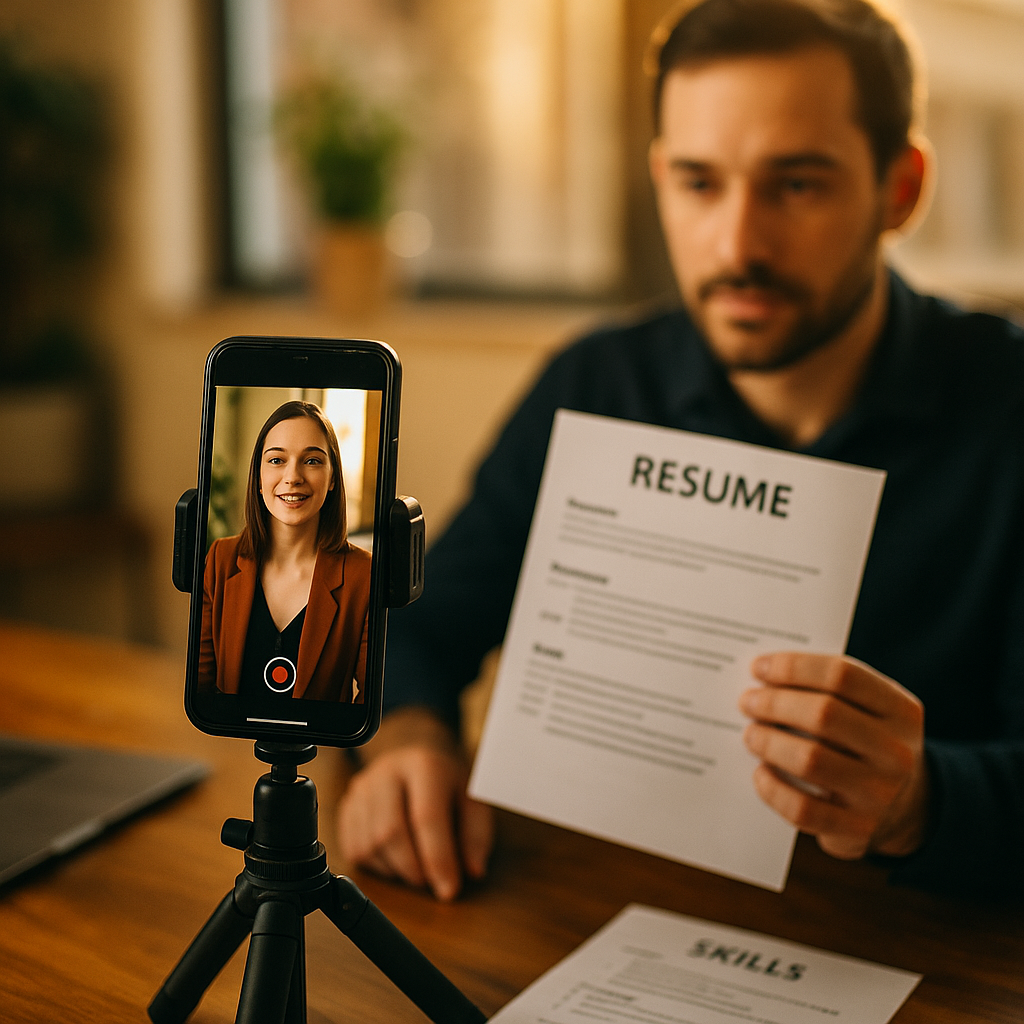
Seventy percent of marketers say short form video delivers the best ROI of any content format, yet most brands still hire for the role using a job description written for 2019. If your posting says “must be comfortable on camera” and nothing else, you’re filtering for confidence, not competence. Hiring for short form video skills in 2026 requires a completely different template, one built around editing fluency, platform literacy, and speed.
Why the Old UGC Job Description Doesn’t Work Anymore
The role of “UGC creator” used to mean one thing: a person who filmed testimonial-style clips on a phone and sent raw footage to a brand. That job barely exists anymore. Today’s internal UGC hire or contracted creator is expected to shoot, edit, caption, hook-write, and often manage a content calendar across three platforms simultaneously. The skill floor has risen dramatically, but most job descriptions haven’t caught up.
Brands that keep hiring against outdated criteria end up with a revolving door of creators who look good on a portfolio but can’t hit turnaround times or adapt to platform-specific formatting. That’s an expensive mistake when you’re paying retainers or building an in-house content pod. If you’re scaling a team beyond one hire, it’s worth reviewing how multi format content pods structure short, long, and live roles differently, because a short form specialist should not be doing the same job as a livestream host.
A short form video hire who can shoot but can’t edit in-app is only doing half the job. In 2026, editing fluency inside CapCut, TikTok’s native editor, or Adobe Premiere Rush is not a nice-to-have, it’s the baseline.
The Core Competencies to Screen For
Forget vague adjectives like “creative” and “self-starter.” Those tell you nothing. Instead, build your job description around measurable, demonstrable skills. Here’s what actually predicts performance in a short form video role:
- Hook writing. Can the candidate write three different scroll-stopping opening lines for the same product in under ten minutes?
- Native editing speed. Timed test: turn raw footage into a finished, captioned 30-second vertical video in under 45 minutes using CapCut or a comparable tool.
- Platform-specific formatting knowledge. Does the candidate understand why a TikTok cut differs from a Reels cut differs from a YouTube Shorts upload, beyond just aspect ratio?
- Trend fluency without chasing noise. Can they identify a trending audio or format and adapt it to brand voice within 24 hours?
- Batch production discipline. Can they shoot a week’s worth of content in a single session without quality dropping off by video seven?
- Basic performance literacy. Do they know the difference between watch time, completion rate, and shares, and can they explain why each matters?
Notice what’s missing from that list: follower count. A creator with 200,000 followers who can’t hit a brief on time is worth less to your program than a 5,000-follower hire who delivers clean, on-brand cuts every single week. This is a hiring decision, not an influencer partnership, and the two require completely different evaluation criteria.
The 2026 Job Description Template
Here’s a structure you can adapt directly. Copy it, adjust the specifics, and post it.
Title: Short Form Video Creator, Brand Content (in-house or contract, specify which)
Summary: We’re hiring a short form video specialist to produce daily or weekly vertical content across TikTok, Instagram Reels, and YouTube Shorts. This role owns concept, filming, editing, and captioning end to end, with performance accountability tied to watch time and conversion, not vanity metrics.
Responsibilities:
- Shoot and edit 3 to 5 short form videos per week using native mobile tools
- Write and test multiple hook variations per concept
- Adapt trending formats to brand voice within a 24 to 48 hour turnaround window
- Collaborate with the paid media team to flag top performers for boosting
- Maintain a content calendar and batch-shoot on a defined weekly cadence
- Track and report on watch time, completion rate, and click-through where applicable
Required skills:
- Demonstrated portfolio of short form work with visible performance data (not just follower counts)
- Proficiency in CapCut, Premiere Rush, or equivalent mobile-first editing tools
- Working knowledge of FTC disclosure requirements for sponsored content
- Comfort with rapid iteration and feedback cycles
Nice-to-have: experience with UGC briefs for paid spark ads, basic knowledge of hook-testing frameworks, familiarity with brand safety guidelines.
Notice the required skills section explicitly names disclosure compliance. That’s not filler. Regulators are paying closer attention to sponsored short form content, and the FTC’s endorsement guidelines apply just as much to a 15-second TikTok as they do to a long-form YouTube review. Building compliance literacy into the job description from day one saves you a legal headache later.
Where Do You Even Find These People?
Traditional job boards are a poor fit for this role. You’re better off sourcing from creator marketplaces, agency talent pools, or by reviewing applicants’ existing public content directly. Platforms like TikTok’s creator marketplace and Instagram’s creator tools via Meta Business Suite both offer discovery filters that let you sort by content style and engagement quality rather than just follower size.
If you’re weighing whether to build this capability in-house or lean on a platform-managed UGC pipeline, it’s worth comparing the tradeoffs. Our breakdown of platform UGC versus creator agencies covers the cost-per-asset math in more depth. In short: in-house hires give you more control and brand consistency, while agency or marketplace-sourced UGC gives you volume and speed, but at a premium.
Whichever route you choose, standardizing your brief and contract terms up front reduces friction. Teams that use standardized UGC templates report meaningfully faster negotiation cycles because expectations around usage rights, turnaround, and revisions are set before the first conversation even starts.
Interview Questions That Actually Predict Performance
Skip the generic “tell me about yourself” opener. Instead, run candidates through a practical test. Give them a simple product brief and 60 minutes to submit a rough concept, a shot list, and one written hook variation. This tells you more about their process than any resume ever could.
Ask these during the conversation portion:
- “Walk me through your editing workflow from raw clip to final export.”
- “Show me a video you made that underperformed. What would you change?”
- “How do you decide when to chase a trend versus stick to a planned concept?”
- “What’s your batch-shooting process for a week’s worth of content?”
The underperformance question is the most revealing. Creators who can’t articulate why something flopped usually can’t fix it either. You want someone who treats every post as a small experiment, not a one-off creative flex.
Compensation and Reporting Structure
Short form video hires typically sit under content or brand marketing rather than the influencer partnerships team, since they’re producing owned content rather than managing external creator relationships. That said, org structures vary widely by company size. If you’re mapping out where this role fits, our guide on creator partnerships org design lays out common reporting line patterns for growing teams.
On pay: rates vary by market and experience, but treat this as a specialized production role, not an entry-level social media coordinator position. According to data from eMarketer, brands are increasing dedicated short form video budgets faster than any other content category, which means the talent pool competing for skilled editors is getting tighter every quarter. Underpay this role and you’ll lose your best hires to freelance work within six months.
Finally, build in a review cadence. A 90-day check-in against watch time, completion rate, and content output volume gives you an early read on whether the hire is working out, long before an annual review would catch it. For guidance on how to frame those metrics for leadership, check our piece on board level reporting templates.
Frequently Asked Questions
FAQs
What skills should a short form video job description prioritize in 2026?
Prioritize native mobile editing proficiency, hook writing, platform-specific formatting knowledge, and basic performance literacy over follower count or on-camera charisma alone.
Should short form video creators be hired in-house or contracted?
It depends on volume and control needs. In-house hires offer more brand consistency and lower cost per asset at scale, while contractors or agency-sourced creators offer faster ramp-up and flexible capacity.
How much should brands pay a short form video specialist?
Rates vary by market and experience level, but this should be compensated as a specialized production role rather than an entry-level social coordinator position, given rising demand for editing and hook-writing skills.
What’s the best way to test a candidate’s short form video skills?
Give them a short practical brief with a 60-minute time limit to produce a concept, shot list, and hook variation. This reveals actual workflow and speed far better than a portfolio review alone.
Do short form video creators need to know FTC disclosure rules?
Yes. Anyone producing sponsored short form content, whether in-house or freelance, needs working knowledge of FTC endorsement guidelines to keep the brand compliant.
Stop hiring for charisma and start hiring for craft. Pull the template above, run one candidate through the practical test this week, and see how differently your shortlist looks once editing speed and hook writing carry as much weight as portfolio polish.
Top Influencer Marketing Agencies
The leading agencies shaping influencer marketing in 2026
Agencies ranked by campaign performance, client diversity, platform expertise, proven ROI, industry recognition, and client satisfaction. Assessed through verified case studies, reviews, and industry consultations.
Moburst

-
2

The Shelf
Boutique Beauty & Lifestyle Influencer AgencyA data-driven boutique agency specializing exclusively in beauty, wellness, and lifestyle influencer campaigns on Instagram and TikTok. Best for brands already focused on the beauty/personal care space that need curated, aesthetic-driven content.Clients: Pepsi, The Honest Company, Hims, Elf Cosmetics, Pure LeafVisit The Shelf → -
3

Audiencly
Niche Gaming & Esports Influencer AgencyA specialized agency focused exclusively on gaming and esports creators on YouTube, Twitch, and TikTok. Ideal if your campaign is 100% gaming-focused — from game launches to hardware and esports events.Clients: Epic Games, NordVPN, Ubisoft, Wargaming, Tencent GamesVisit Audiencly → -
4

Viral Nation
Global Influencer Marketing & Talent AgencyA dual talent management and marketing agency with proprietary brand safety tools and a global creator network spanning nano-influencers to celebrities across all major platforms.Clients: Meta, Activision Blizzard, Energizer, Aston Martin, WalmartVisit Viral Nation → -
5

The Influencer Marketing Factory
TikTok, Instagram & YouTube CampaignsA full-service agency with strong TikTok expertise, offering end-to-end campaign management from influencer discovery through performance reporting with a focus on platform-native content.Clients: Google, Snapchat, Universal Music, Bumble, YelpVisit TIMF → -
6

NeoReach
Enterprise Analytics & Influencer CampaignsAn enterprise-focused agency combining managed campaigns with a powerful self-service data platform for influencer search, audience analytics, and attribution modeling.Clients: Amazon, Airbnb, Netflix, Honda, The New York TimesVisit NeoReach → -
7

Ubiquitous
Creator-First Marketing PlatformA tech-driven platform combining self-service tools with managed campaign options, emphasizing speed and scalability for brands managing multiple influencer relationships.Clients: Lyft, Disney, Target, American Eagle, NetflixVisit Ubiquitous → -
8

Obviously
Scalable Enterprise Influencer CampaignsA tech-enabled agency built for high-volume campaigns, coordinating hundreds of creators simultaneously with end-to-end logistics, content rights management, and product seeding.Clients: Google, Ulta Beauty, Converse, AmazonVisit Obviously →