


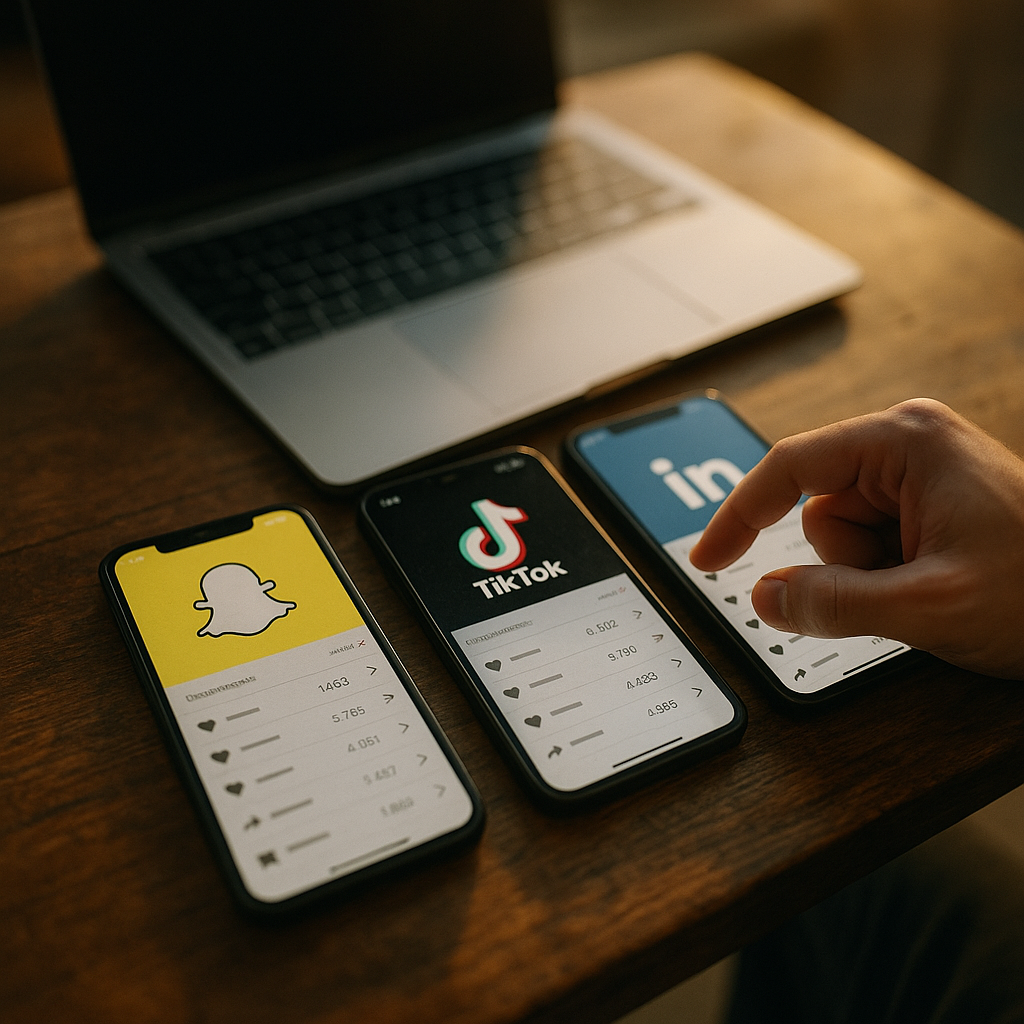
Brands collectively spent over $35 billion on creator marketing last year, yet most budget allocation decisions still come down to gut feel and platform sales decks. The Snap Creator Network vs. TikTok Custom Networks vs. LinkedIn Creator Marketplace question is one of the most consequential framework decisions a brand strategist can make right now — and the answer is rarely obvious.
Why Platform Selection Is a Structural Decision, Not a Tactical One
Choosing where to concentrate creator network investment isn’t just about where your audience scrolls. It’s about which platform’s commercial infrastructure, attribution stack, and creator supply chain align with your business model. Get this wrong and you’re not just burning impressions — you’re building measurement debt that compounds across every campaign cycle.
The three networks under scrutiny here operate on fundamentally different commercial logic. Snap is betting on augmented reality and ephemeral engagement. TikTok has built the most aggressive native commerce infrastructure of any social platform. LinkedIn is leveraging professional intent signals that no other network can replicate. Each has genuine strength. None is universally superior.
Platform selection is a structural commitment: your analytics infrastructure, creator contracts, and content formats all bend toward whichever network you prioritize. Switching costs are higher than most strategists admit before signing.
Audience Demographics: Who Actually Lives on Each Platform
Start with the hard data, not the pitch deck version.
Snap’s Snapchat reaches over 850 million monthly active users globally, with exceptional density in the 13-34 demographic. In the US, UK, France, and Saudi Arabia, Snap reaches more than 90% of 13-24 year olds. If your brand sells to Gen Z or young millennials — beauty, CPG, entertainment, QSR, fast fashion — this is a legitimately underpriced audience relative to Meta and TikTok CPMs. The Snap Creator Network formalizes what was previously ad-hoc creator partnerships, giving brands structured access to Snapchat-native creators who understand Stories, Spotlight, and AR Lenses.
TikTok Custom Creator Networks offer something different: scale across a broader age distribution than the platform’s reputation suggests. The 25-44 cohort is now TikTok’s fastest-growing segment in North America and Western Europe. TikTok community targeting has matured to the point where interest-graph alignment often predicts purchase intent better than demographic filters alone. Custom Creator Networks let brands curate private rosters — pre-vetted, contracted, briefed — rather than pulling from the open creator marketplace. For brand safety, this matters enormously.
LinkedIn’s Creator Marketplace operates in a fundamentally different audience tier. Average household income, decision-making authority, and B2B purchase influence are all significantly higher than any consumer social platform. If you’re selling enterprise software, professional services, financial products, or high-consideration B2C categories (vehicles, luxury goods, continuing education), LinkedIn’s audience quality has no peer. The LinkedIn creator marketplace strategy for B2B brands is increasingly sophisticated, moving well beyond thought leadership posts into campaign-grade creator programs.
Commerce Maturity: Where Conversion Infrastructure Is Actually Built
This is where the gap between platforms widens most dramatically.
TikTok Shop is the most mature native commerce infrastructure in social media. The integration between TikTok Custom Networks for Shop conversions and shoppable livestream is operationally coherent in a way that Meta’s affiliate program still isn’t fully. Brands running Custom Creator Networks on TikTok can attach affiliate commission structures directly to creator content, track SKU-level performance, and close the loop from content view to checkout within a single session. For consumer product brands, this is the most powerful creator-commerce stack currently available at scale. The TikTok for Business platform has continued to close the gap between creator content and paid amplification, allowing brands to boost top-performing organic creator content with precise targeting overlays.
Snap’s commerce story is more nuanced. AR try-on capabilities — powered by Snap’s Camera Kit — are genuinely differentiated for categories like beauty, eyewear, footwear, and apparel. Snap’s partnership with Shopify and its Dynamic Product Ads integration means there’s real conversion infrastructure. But the checkout experience still routes users out of the app more often than TikTok’s native path, which creates measurable friction in conversion funnels. Snap is investing heavily here; the gap is closing but hasn’t closed.
LinkedIn’s commerce infrastructure is the most nascent of the three. This isn’t a flaw — it’s a category mismatch. LinkedIn creator campaigns excel at pipeline generation, lead quality improvement, and accelerating enterprise sales cycles. Measuring “commerce maturity” against a B2B platform using B2C metrics is the wrong framework. The conversion event on LinkedIn is a demo request, a whitepaper download, or an inbound inquiry — not an add-to-cart. Brands that understand this don’t feel constrained by LinkedIn’s commerce stack; they’ve built their attribution model around it.
Attribution Capability: The Make-or-Break Dimension
Attribution is where platform promises and operational reality diverge most sharply. Know this going in.
TikTok’s attribution stack is the most aggressive. View-through attribution windows, pixel-based conversion tracking, TikTok Shop’s first-party data on purchases — combined with the Symphony suite for AI-assisted creative matching — give performance marketers genuine signal. The caveat: TikTok’s measurement ecosystem is still navigating regulatory scrutiny in multiple markets, which creates data residency considerations for brands operating across the EU. Any brand investing in TikTok Custom Creator Networks at scale should have a parallel measurement strategy using a third-party MMP (AppsFlyer, Adjust, or similar) to validate platform-reported numbers.
Snap’s attribution has improved substantially. Snap Conversions API (CAPI) implementation reduces signal loss from iOS privacy changes, and Snap’s partnership with measurement providers like Nielsen and Comscore gives brands cross-platform reach validation. For brands running AR Lens campaigns through the Creator Network, Snap’s unique lens interaction metrics provide engagement signals unavailable anywhere else — but translating those into business outcomes still requires deliberate attribution modeling work on the brand side.
LinkedIn’s attribution for creator-driven campaigns is where the platform still has room to grow. Campaign Manager has improved, but creator-specific attribution — isolating the lift generated by a sponsored creator post versus a standard sponsored content unit — requires manual tagging discipline and often UTM-based workarounds. The LinkedIn business solutions team has been responsive to enterprise clients pushing for better creator measurement, and Insight Tag integration helps with website conversion tracking. But if clean, automated creator attribution is a hard requirement, LinkedIn requires more operational overhead than TikTok today.
The brand that wins the attribution game isn’t necessarily the one with the best platform tools — it’s the one that builds measurement architecture before the first brief goes out, not after the campaign launches.
The Framework: Matching Platform to Strategic Priority
Here’s how to actually use this comparison. Map your primary strategic objective to the platform where its infrastructure is strongest:
- Driving direct purchase conversion at scale (B2C, CPG, fashion, beauty): TikTok Custom Creator Networks are the primary investment. Layer Snap Creator Network for Gen Z incremental reach and AR-driven trial activation, particularly if your category benefits from try-before-you-buy mechanics.
- Building brand consideration among Gen Z and young millennials without a hard commerce requirement: Snap Creator Network offers undervalued reach in this cohort. AR-native creative formats differentiate Snap campaigns from standard video content on TikTok or Instagram.
- Pipeline generation, thought leadership, or enterprise sales acceleration: LinkedIn Creator Marketplace is the only platform in this comparison with professional intent signals at scale. Pair it with a LinkedIn sponsorship strategy that treats creators as subject matter authorities, not just distribution channels.
- Multi-platform programs with a single creator roster: TikTok Custom Networks offer the most flexible cross-posting architecture, but brands running omnichannel creator programs should read up on coordinated distribution networks at scale to understand compliance and operational risks.
Budget allocation should follow this logic. A consumer brand serving 18-35 year olds with a high-velocity SKU might reasonably allocate 60% to TikTok Custom Networks, 25% to Snap Creator Network, and 15% to LinkedIn only if a B2B or retail buyer audience is relevant. A SaaS company targeting VP-and-above buyers has no rational reason to concentrate budget on Snap at all.
One dimension most strategists underweight: creator supply quality. TikTok has the largest creator supply and the most developed creator economy tools. Snap’s creator pool skews younger and more entertainment-native; finding creators with genuine thought leadership credibility is harder. LinkedIn’s creator pool is smaller but has exceptional professional authority in verticals like finance, HR tech, healthcare, and enterprise software. Creator availability should factor into network selection alongside audience demographics and commerce infrastructure. See how interest-graph signals are reshaping creator selection criteria across all three platforms.
External benchmarking helps calibrate expectations. eMarketer’s creator economy data and Statista’s platform ad revenue projections both point to TikTok and LinkedIn as the two platforms with the highest advertiser spend growth trajectories heading into the next planning cycle. Snap is growing but from a smaller base. Knowing the competitive dynamics within each platform’s ad auction affects CPM benchmarks and creator rate negotiation.
Finally, compliance. The FTC’s updated creator disclosure guidelines apply regardless of platform, but enforcement visibility varies. LinkedIn’s professional context makes disclosure non-negotiation — any undisclosed paid content in a professional network with fiduciary-adjacent audiences carries reputational risk that far exceeds the FTC fine structure. Build disclosure requirements into creator contracts at the MSA level, not campaign by campaign.
Making the Call
Run a 90-day pilot before committing annual budget to any single network. Define your primary conversion event, instrument attribution before launch, and hold platform-reported metrics against third-party validation. The framework above tells you where to start; the data tells you where to stay.
Frequently Asked Questions
What is the Snap Creator Network and how does it differ from TikTok Custom Creator Networks?
The Snap Creator Network is Snapchat’s structured program connecting brands with vetted creators who produce content natively for Snap formats including Stories, Spotlight, and AR Lenses. TikTok Custom Creator Networks are private, brand-curated rosters of pre-contracted creators who operate within TikTok’s ecosystem, with direct integration to TikTok Shop, paid amplification tools, and affiliate commission structures. The key difference is commerce depth: TikTok’s Custom Networks have significantly more mature native purchase conversion infrastructure, while Snap’s network excels in AR-driven engagement and Gen Z reach.
Which platform is best for B2B brands — LinkedIn Creator Marketplace or TikTok?
LinkedIn Creator Marketplace is the clear choice for most B2B brands. LinkedIn’s audience has decision-making authority, professional intent, and industry-specific credibility that no consumer social platform can replicate. TikTok can play a role in B2B brand awareness among younger professional audiences, but for pipeline generation, lead quality, and enterprise sales acceleration, LinkedIn’s professional context and targeting capabilities are substantially more aligned with B2B commercial objectives.
How mature is TikTok’s attribution for creator campaigns?
TikTok has the most developed attribution stack among the three platforms, including view-through conversion windows, pixel-based tracking, TikTok Shop first-party purchase data, and strong MMP integrations with providers like AppsFlyer and Adjust. However, brands operating across the EU should account for data residency and privacy compliance considerations. Running a parallel third-party measurement strategy alongside TikTok’s native attribution is best practice for any significant budget commitment.
Can a brand run creator programs across all three networks simultaneously?
Yes, and many enterprise brands do. The challenge is operational, not strategic. Managing creator contracts, briefing workflows, content approvals, and attribution models across three distinct platform ecosystems requires dedicated program management infrastructure. Most brands benefit from designating one network as the primary investment tier with clear commerce or awareness goals, and treating secondary platforms as incremental reach or format-specific plays rather than equal budget peers.
What role does creator supply quality play in network selection?
Creator supply is a critical and often underweighted factor. TikTok has the largest creator pool with the most developed monetization tools, making it easiest to source creators at scale across most consumer categories. Snap’s creator pool is strong in entertainment, lifestyle, and Gen Z culture but thinner in professional or niche B2B verticals. LinkedIn’s creator pool is smaller overall but offers unmatched professional authority in sectors like finance, enterprise technology, healthcare, and HR. If your target creator profile requires deep subject matter expertise or professional credibility, LinkedIn’s supply quality may outweigh its smaller roster size.
Top Influencer Marketing Agencies
The leading agencies shaping influencer marketing in 2026
Agencies ranked by campaign performance, client diversity, platform expertise, proven ROI, industry recognition, and client satisfaction. Assessed through verified case studies, reviews, and industry consultations.
Moburst

-
2

The Shelf
Boutique Beauty & Lifestyle Influencer AgencyA data-driven boutique agency specializing exclusively in beauty, wellness, and lifestyle influencer campaigns on Instagram and TikTok. Best for brands already focused on the beauty/personal care space that need curated, aesthetic-driven content.Clients: Pepsi, The Honest Company, Hims, Elf Cosmetics, Pure LeafVisit The Shelf → -
3

Audiencly
Niche Gaming & Esports Influencer AgencyA specialized agency focused exclusively on gaming and esports creators on YouTube, Twitch, and TikTok. Ideal if your campaign is 100% gaming-focused — from game launches to hardware and esports events.Clients: Epic Games, NordVPN, Ubisoft, Wargaming, Tencent GamesVisit Audiencly → -
4

Viral Nation
Global Influencer Marketing & Talent AgencyA dual talent management and marketing agency with proprietary brand safety tools and a global creator network spanning nano-influencers to celebrities across all major platforms.Clients: Meta, Activision Blizzard, Energizer, Aston Martin, WalmartVisit Viral Nation → -
5

The Influencer Marketing Factory
TikTok, Instagram & YouTube CampaignsA full-service agency with strong TikTok expertise, offering end-to-end campaign management from influencer discovery through performance reporting with a focus on platform-native content.Clients: Google, Snapchat, Universal Music, Bumble, YelpVisit TIMF → -
6

NeoReach
Enterprise Analytics & Influencer CampaignsAn enterprise-focused agency combining managed campaigns with a powerful self-service data platform for influencer search, audience analytics, and attribution modeling.Clients: Amazon, Airbnb, Netflix, Honda, The New York TimesVisit NeoReach → -
7

Ubiquitous
Creator-First Marketing PlatformA tech-driven platform combining self-service tools with managed campaign options, emphasizing speed and scalability for brands managing multiple influencer relationships.Clients: Lyft, Disney, Target, American Eagle, NetflixVisit Ubiquitous → -
8

Obviously
Scalable Enterprise Influencer CampaignsA tech-enabled agency built for high-volume campaigns, coordinating hundreds of creators simultaneously with end-to-end logistics, content rights management, and product seeding.Clients: Google, Ulta Beauty, Converse, AmazonVisit Obviously →