


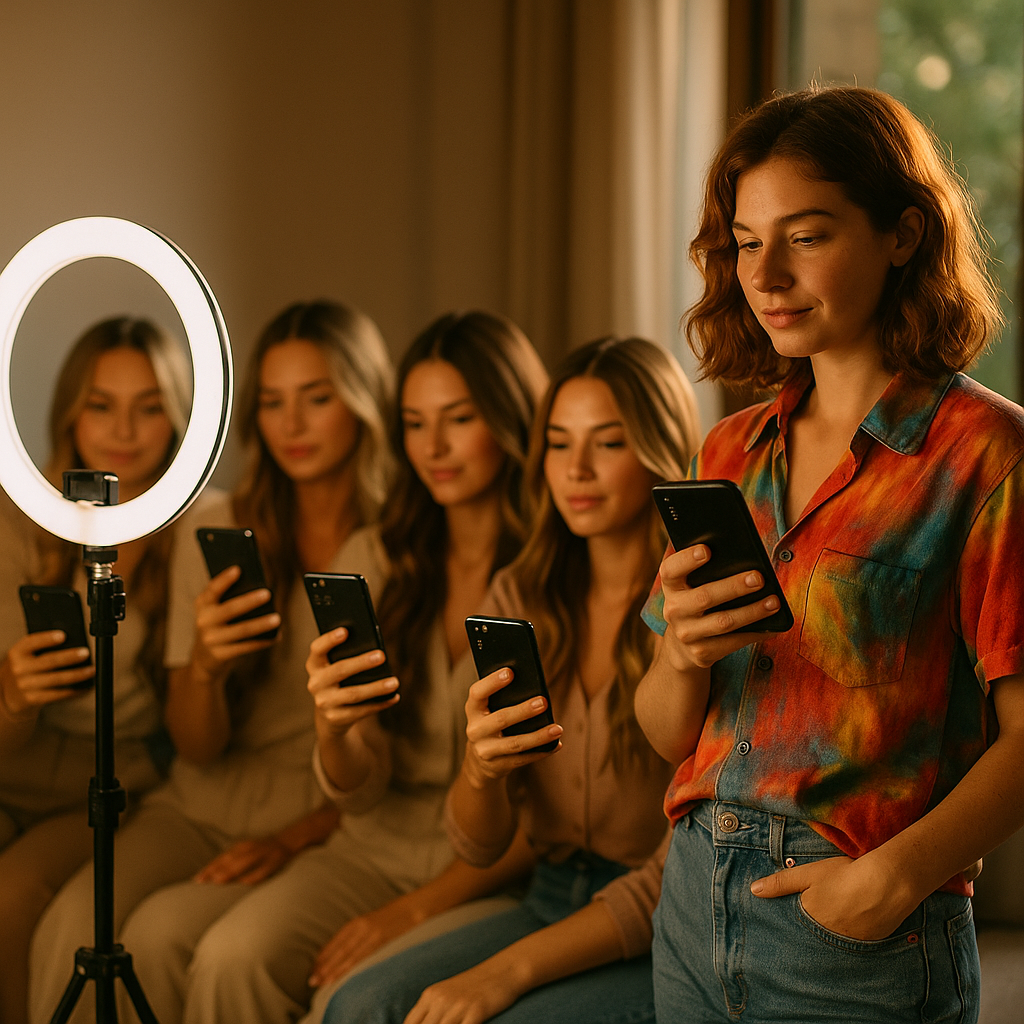
The homogenization of influencer aesthetics dominates social media feeds in 2025, with countless creators echoing the same styles and visuals. For brands, this increasing similarity makes differentiation more challenging yet more critical than ever. Why have influencer looks become so uniform—and how can brands stand out in this crowded digital landscape? Let’s dive deeper into this phenomenon and its solutions.
Understanding the Homogenization of Influencer Aesthetics
The term “homogenization of influencer aesthetics” refers to the trend where influencers’ visual content, style, and branding become nearly indistinguishable. This convergence often features universally appealing tones, clean layouts, neutral palettes, and overused editing presets. A recent Statista report found that 68% of Gen Z users described influencer content as “too similar across platforms.”
This uniformity stems from several factors:
- Algorithmic Favoritism: Social platforms tend to promote content that matches accepted visual trends, encouraging others to imitate what works.
- Template Culture: The popularity of accessible editing tools and templates makes professional-looking content easier to produce but also less unique.
- Brand Partnerships: Brands often provide detailed visual briefs to influencers, further narrowing creativity.
While consistency can build recognition, too much can lead to audience disengagement and erode trust. Understanding the roots of homogenization is the first step toward crafting a distinctive presence.
Why Similarity Hurts Brand Recognition and Trust
Brands invest heavily in influencer marketing, hoping to leverage authenticity and connection. However, as influencer feeds start to blur, their power to create emotional resonance diminishes. According to a HubSpot survey in early 2025, 73% of consumers reported “banner blindness” to repetitive influencer ads.
The risks of homogenized aesthetics for brands include:
- Audience Fatigue: Repetitive visuals prompt users to scroll past sponsored posts, reducing engagement.
- Reduced Credibility: When every influencer looks and sounds alike, audiences question the genuineness of endorsements.
- Poor Recall: Without unique visual cues, brands struggle to stay top-of-mind amid competitors.
In a digital climate saturated with sameness, brands must recognize the urgent need for differentiation to win attention and loyalty.
Strategies for Brands: Standing Out Amidst Sameness
How can brands break free from the aesthetic echo chamber? Standing out requires forward-thinking strategies that balance visual trends with authenticity and creativity:
- Encourage Influencer Autonomy: Instead of tightly controlling influencer output, allow them to interpret brand guidelines in their unique style. This fosters trust and generates content that feels genuine and engaging to the influencer’s audience.
- Co-create, Don’t Dictate: Collaborate on campaigns by brainstorming concepts together before execution. Co-creation results in fresh content that blends brand identity with the influencer’s own aesthetic and voice.
- Diversify Representation: Work with a broad range of creators, including micro-influencers, niche experts, and those from underrepresented communities. This approach introduces varied perspectives and aesthetics, breaking the mold.
- Prioritize Storytelling Over Visuals: Compelling narratives remain memorable, even when packaged in familiar styles. Brands should encourage influencers to share meaningful stories, behind-the-scenes insights, or personal connections to the product.
- Embrace Imperfection: Audiences increasingly seek authenticity. Allow influencers to showcase less-filtered, real-life moments—such as outtakes, process reels, or candid testimonials—which help brands appear more accessible and relatable.
Implementing these strategies enables brands to reclaim originality without alienating audiences accustomed to certain aesthetics.
Leveraging Platform-Specific Aesthetic Trends
Each social platform nurtures distinct visual cultures. By understanding and leveraging these differences, brands can maximize their impact while avoiding one-size-fits-all approaches:
- Instagram: While polished “Instagrammable” content persists, 2025 has seen a shift toward casual “photo dumps” and spontaneous Stories. Brands should mix editorial shots with more relaxed, real-time moments.
- TikTok: Raw, lo-fi videos thrive here. Collaborate with influencers who create trend-driven, unfiltered content, placing humor or tutorials ahead of perfection.
- YouTube: Long-form narratives and in-depth reviews provide a space for personality and deep dives. Encourage unscripted, honest reviews over polished commercial spots.
Matching platform-specific expectations while maintaining brand uniqueness will help campaigns cut through the noise.
The Value of Diversity and Inclusion in Influencer Partnerships
Diversity remains a powerful counterpoint to homogenization. By showcasing a wide array of backgrounds, identities, and perspectives, brands naturally disrupt the monotony of influencer aesthetics. Research from Nielsen in 2025 highlights that campaigns featuring diverse creators outperform standardized campaigns in both engagement and positive sentiment metrics.
Best practices for embracing diversity include:
- Partner with Creators from Different Niches: Go beyond fashion and beauty; collaborate with voices in wellness, sustainability, technology, or activism.
- Champion Underrepresented Voices: Provide platforms for influencers who historically lacked visibility, enhancing both representation and innovation in content.
- Avoid Tokenism: Commit to long-term partnerships and genuine collaboration, rather than surface-level diversity efforts.
Inclusive collaborations not only counter homogenization but also align brand values with evolving consumer expectations for authenticity and social responsibility.
Measuring Success: Metrics Beyond Engagement Rate
Brands sometimes prioritize “likes” and “shares,” but standing out requires a wider lens for success. Here’s what matters in a cluttered influencer landscape:
- Brand Recall and Sentiment: Are people not just interacting, but remembering—and speaking positively about—your campaigns?
- Save and Share Rates: Content that gets saved or shared often signals a deeper level of resonance than casual likes.
- Follower Quality Over Quantity: Look for meaningful audience growth and engagement among targeted demographics, not just raw numbers.
- Authentic Testimonials and UGC: Track organic mentions and user-generated content that leverage your product or service in distinctive ways.
Choosing the right metrics ensures your unique approach delivers real business value, not just superficial engagement.
Conclusion: Actionable Steps to Defeat Influencer Homogenization
Homogenization stifles creativity and makes it harder for brands to stand out in a competitive influencer economy. By prioritizing authentic partnerships, embracing diversity, and focusing on unique storytelling, brands can break free from the cycle of sameness and build deeper audience connections that last.
FAQs: The Homogenization of Influencer Aesthetics
-
Why are influencer aesthetics becoming so similar?
Social algorithms, editing templates, and brand-imposed guidelines push influencers toward proven visual norms, leading to similar content styles and trends across platforms. -
How does aesthetic homogenization affect consumer trust?
When influencer posts feel generic or repetitive, audiences may perceive them as inauthentic, reducing trust and engagement with both the creator and associated brands. -
Can smaller brands break through the monotony?
Absolutely. By working with niche influencers, prioritizing authentic narratives, and customizing their approach to each platform, smaller brands can create memorable experiences that differ from mainstream trends. -
What metrics should brands prioritize in 2025?
Go beyond basic engagement rates by tracking brand recall, sentiment, share and save rates, and organic user-generated content for a fuller picture of campaign success. -
How important is diversity in influencer marketing?
Diversity is crucial: it not only disrupts homogenized aesthetics but also helps brands reach new audiences, drive innovation, and demonstrate genuine commitment to inclusion and representation.
Top Influencer Marketing Agencies
The leading agencies shaping influencer marketing in 2026
Agencies ranked by campaign performance, client diversity, platform expertise, proven ROI, industry recognition, and client satisfaction. Assessed through verified case studies, reviews, and industry consultations.
Moburst

-
2

The Shelf
Boutique Beauty & Lifestyle Influencer AgencyA data-driven boutique agency specializing exclusively in beauty, wellness, and lifestyle influencer campaigns on Instagram and TikTok. Best for brands already focused on the beauty/personal care space that need curated, aesthetic-driven content.Clients: Pepsi, The Honest Company, Hims, Elf Cosmetics, Pure LeafVisit The Shelf → -
3

Audiencly
Niche Gaming & Esports Influencer AgencyA specialized agency focused exclusively on gaming and esports creators on YouTube, Twitch, and TikTok. Ideal if your campaign is 100% gaming-focused — from game launches to hardware and esports events.Clients: Epic Games, NordVPN, Ubisoft, Wargaming, Tencent GamesVisit Audiencly → -
4

Viral Nation
Global Influencer Marketing & Talent AgencyA dual talent management and marketing agency with proprietary brand safety tools and a global creator network spanning nano-influencers to celebrities across all major platforms.Clients: Meta, Activision Blizzard, Energizer, Aston Martin, WalmartVisit Viral Nation → -
5

The Influencer Marketing Factory
TikTok, Instagram & YouTube CampaignsA full-service agency with strong TikTok expertise, offering end-to-end campaign management from influencer discovery through performance reporting with a focus on platform-native content.Clients: Google, Snapchat, Universal Music, Bumble, YelpVisit TIMF → -
6

NeoReach
Enterprise Analytics & Influencer CampaignsAn enterprise-focused agency combining managed campaigns with a powerful self-service data platform for influencer search, audience analytics, and attribution modeling.Clients: Amazon, Airbnb, Netflix, Honda, The New York TimesVisit NeoReach → -
7

Ubiquitous
Creator-First Marketing PlatformA tech-driven platform combining self-service tools with managed campaign options, emphasizing speed and scalability for brands managing multiple influencer relationships.Clients: Lyft, Disney, Target, American Eagle, NetflixVisit Ubiquitous → -
8

Obviously
Scalable Enterprise Influencer CampaignsA tech-enabled agency built for high-volume campaigns, coordinating hundreds of creators simultaneously with end-to-end logistics, content rights management, and product seeding.Clients: Google, Ulta Beauty, Converse, AmazonVisit Obviously →