


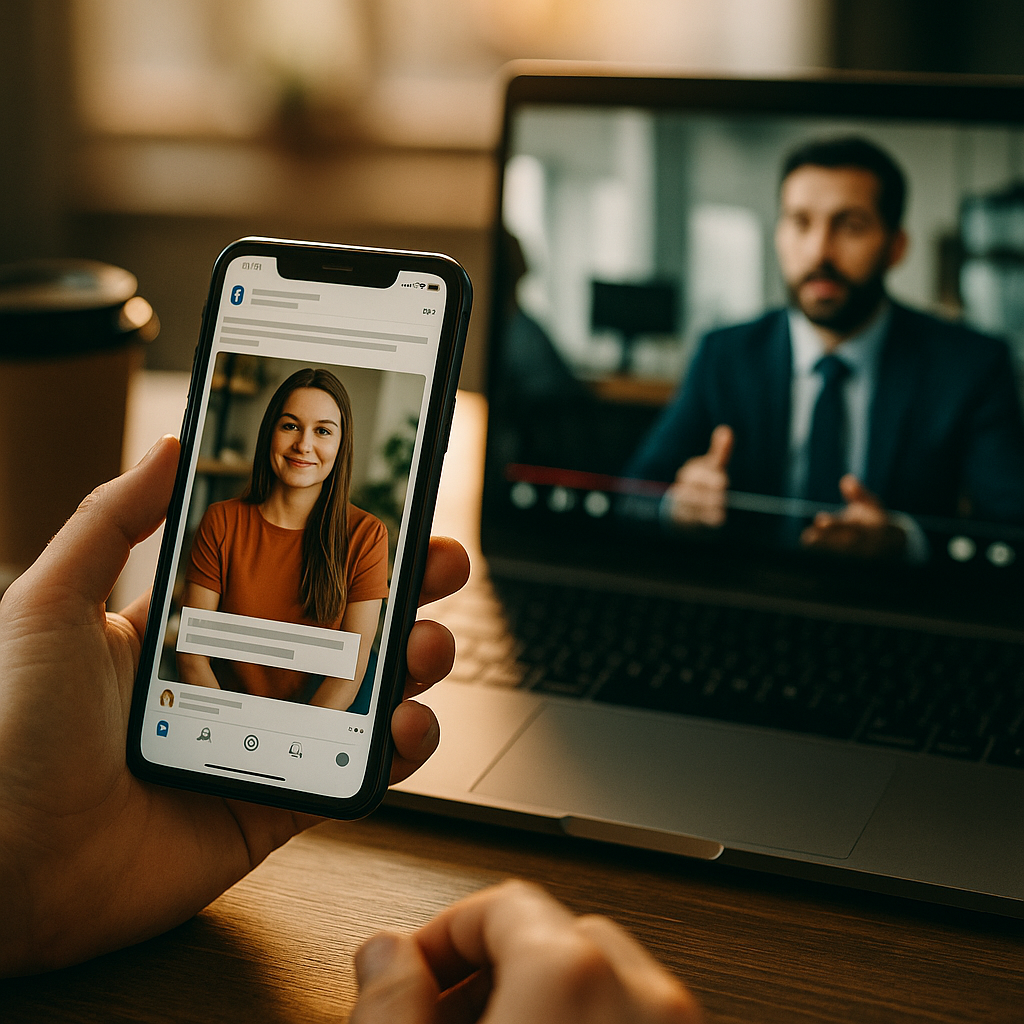
LinkedIn posts with meme-style text overlays are pulling engagement rates two to three times higher than standard corporate video, according to internal benchmarking from several agency partners tracking B2B feeds this year. That is not a fluke. It is a format shift. Text-overlay meme formats have quietly become one of the highest-ROI content types on a platform still allergic to anything that looks like a TikTok trend, and brands that ignore this are leaving reach on the table.
Why does a screenshot with bold white text and a dry caption beat a $40,000 brand video? Because LinkedIn’s algorithm rewards dwell time and comments, and nothing generates a quick reaction like a relatable, slightly self-deprecating meme about Q4 budget meetings or the seventeenth “quick sync” of the week. This piece breaks down how brand and agency teams can build a text-overlay meme program that scales, stays on-brand, and survives legal review.
What Makes This Format Work on a “Professional” Platform
LinkedIn’s audience is still work-brain, but that does not mean humor is off-limits. It means humor has to be earned through specificity. A generic meme template (“This is fine” dog, distracted boyfriend) reads as try-hard on LinkedIn unless it is tied to a hyper-specific pain point: procurement delays, RFP fatigue, the gap between what marketing promises and what sales can close.
The format itself is simple: a single static image, usually a stock photo, screenshot, or plain color background, with bold sans-serif text overlaid in one or two lines. No video production. No editing software beyond Canva or a phone screenshot tool. That simplicity is the point. It signals authenticity in a feed still dominated by glossy thought-leadership carousels.
Static meme posts with text overlays are now generating some of the lowest cost-per-engagement numbers across organic B2B LinkedIn content, largely because production cost approaches zero while relatability drives shares.
Compare this to the broader shift agencies have already documented in performance data: carousel saves over reels as a save-driving format on other platforms. LinkedIn’s meme format follows the same logic. Saves and comments matter more than raw views, and a well-placed punchline drives both.
The Anatomy of a High-Performing LinkedIn Meme Post
- The setup image: stock photo of a stressed office worker, a screenshot of a Slack thread, or a blank background works fine. Avoid anything that looks like a paid creative asset.
- The overlay text: short, punchy, no more than 12 to 15 words. Font should be legible at thumbnail size since most users scroll fast on mobile.
- The caption below the image: this is where you add context, a soft CTA, or a tag inviting comments (“Tell me your worst version of this in the comments”).
- The brand signal: a small logo watermark or consistent color palette so the post is recognizable even without reading the caption.
Notice what is missing from that list: a script, a video editor, a talent release form. This format is cheap to produce and fast to iterate, which is exactly why it fits alongside other lightweight formats brands are already testing, like live stream screenshots repackaged as carousel content.
Building the Brief: What Legal and Brand Teams Actually Need to See
Here is where B2B teams tend to overcomplicate things. Meme content does not require the same disclosure scaffolding as paid creator partnerships, but it does require a clear internal approval path if a creator or employee is posting on the brand’s behalf.
If the meme is posted by an employee or a brand ambassador rather than the corporate page itself, treat it the same way you would treat any sponsored or affiliated content. The FTC’s endorsement guidelines still apply if there is any material connection between the poster and the company, even in a low-stakes meme post. That means a simple #ad or “I work here” disclosure baked into the caption, not buried in a hashtag pile at the bottom.
Brand safety review for meme content should focus on three things: does the joke punch down at a customer segment, does it reference a competitor by name in a way that invites legal exposure, and does it accidentally reveal confidential information through a screenshot. Teams that have already built approval frameworks for reactive content, like the ones described in same day meme jack briefs, can adapt that same fast-turnaround review process here. Speed matters. A meme referencing a trending industry news story loses most of its punch if it takes five business days to clear legal.
Who Should Actually Be Posting These?
Corporate pages can post memes, but engagement data consistently favors individual employee accounts, especially founders, sales leaders, and marketing directors who have built some personal following. This mirrors the broader trend documented in founder as creator videos, where the person, not the logo, drives trust and reach.
The practical implication: build a small roster of internal voices willing to post meme content regularly, give them a lightweight template library, and let their personal tone shape the execution. A meme from the CFO’s account about budget season will always outperform the same joke posted from the company page, because the algorithm and the audience both reward personal accounts over brand accounts on LinkedIn.
Scaling Without Losing the Joke
The biggest failure mode in B2B meme programs is scale killing the humor. Once a format works, the instinct is to template it out across ten variations a week, and by variation four it reads as forced. Sound familiar? It is the same trap brands fall into with any viral format, and it is why teams building AI concept to script pipelines for video content have learned to keep a human in the loop for tone checks before mass production.
A workable cadence: two to three meme posts per week per active employee account, sourced from a shared idea backlog that anyone on the team can contribute to. Rotate the joke categories: internal process pain points, industry jargon parody, “things clients say” screenshots, and seasonal business cycle humor (budget season, conference season, end-of-quarter scrambles). Retire a format the moment engagement starts dipping rather than milking it for another month.
Meme fatigue sets in faster on LinkedIn than on consumer platforms because the audience is smaller and more attentive to repetition. What works twice rarely works a fifth time.
Measuring What Actually Matters
Vanity likes are close to meaningless here. The metrics that matter for B2B meme content are comment volume, comment quality (are people tagging colleagues, sharing their own version of the pain point), and profile visits generated from the post. LinkedIn’s native analytics surface most of this, and tools referenced by teams at Sprout Social and HubSpot can help track downstream pipeline attribution when meme posts include a soft CTA linking to gated content.
For brands running paid amplification on top of organic winners, the same logic applies as in other spark-style boosting strategies: find the meme post that is already overperforming organically before you put budget behind it. The framework used in spark ads amplification translates directly, just swap the video asset for a static meme carousel and target it at a narrower job-title audience.
Common Mistakes That Sink a Meme Program
- Over-designing the asset. A meme that looks like it came from the brand’s design system loses the authenticity that made the format work in the first place.
- Recycling consumer meme templates verbatim. B2B audiences can tell when a format was lifted straight from TikTok without any industry-specific adaptation.
- Skipping the disclosure conversation. Even light humor from an employee account tied to brand messaging can trigger endorsement rules, especially if the employee receives any compensation or incentive for posting.
- Ignoring regional nuance. A joke about “back-to-back Zoom calls” lands differently across markets. Brands running global employee advocacy programs should reference the localization principles in multi language caption overlays even when adapting static meme text rather than video subtitles.
None of these mistakes are fatal on their own, but stacked together they turn a promising format into a liability. The fix is almost always the same: keep the review loop fast, keep the visual design intentionally rough, and keep a human editor checking tone before anything goes live under a real name.
Where This Format Fits in a Broader Content Mix
Text-overlay memes should not replace thought leadership, case studies, or product content on LinkedIn. They function as a top-of-funnel trust builder, the equivalent of a firm handshake before the harder sales conversation starts. Brands that treat memes as the entire strategy burn out their audience fast. Brands that treat memes as one lever among several, alongside founder content, data-backed carousels, and the occasional video demo, tend to see the best compounding effect on follower growth and engagement quality over time.
Worth noting: LinkedIn’s own business platform resources increasingly highlight authentic, low-production content as a growth lever for company pages, a signal that the platform itself is rewarding this shift away from polished corporate video toward rougher, funnier, more human posts.
FAQs
Frequently Asked Questions
Do LinkedIn meme posts need FTC disclosure?
Only if there is a material connection between the poster and the brand, such as an employee posting sponsored content or receiving compensation tied to the post. A standard employee sharing brand-adjacent humor without incentive typically does not trigger formal disclosure requirements, but internal policy should still require transparency about employment.
What tools do brands use to create text-overlay memes?
Most B2B teams use Canva, simple phone screenshot tools, or basic design software rather than professional video editors. The low production barrier is part of what makes the format cost-effective and fast to iterate.
How often should a brand post meme content on LinkedIn?
Two to three posts per week per active employee account tends to sustain engagement without triggering audience fatigue. Rotating joke categories helps avoid repetition burnout.
Should memes be posted from the company page or employee accounts?
Employee and founder accounts consistently outperform company pages for meme-style content because LinkedIn’s algorithm and audience both favor personal voice over brand messaging.
How do you measure success for meme content on LinkedIn?
Track comment volume and quality, profile visits, and downstream link clicks rather than likes alone. These signals correlate more closely with pipeline impact than surface-level engagement.
Start small: pick one internal voice, one recurring pain point, and post two meme variations a week for a month before scaling the program company-wide.
Frequently Asked Questions
Do LinkedIn meme posts need FTC disclosure?
Only if there is a material connection between the poster and the brand, such as an employee posting sponsored content or receiving compensation tied to the post. A standard employee sharing brand-adjacent humor without incentive typically does not trigger formal disclosure requirements, but internal policy should still require transparency about employment.
What tools do brands use to create text-overlay memes?
Most B2B teams use Canva, simple phone screenshot tools, or basic design software rather than professional video editors. The low production barrier is part of what makes the format cost-effective and fast to iterate.
How often should a brand post meme content on LinkedIn?
Two to three posts per week per active employee account tends to sustain engagement without triggering audience fatigue. Rotating joke categories helps avoid repetition burnout.
Should memes be posted from the company page or employee accounts?
Employee and founder accounts consistently outperform company pages for meme-style content because LinkedIn’s algorithm and audience both favor personal voice over brand messaging.
How do you measure success for meme content on LinkedIn?
Track comment volume and quality, profile visits, and downstream link clicks rather than likes alone. These signals correlate more closely with pipeline impact than surface-level engagement.
Top Influencer Marketing Agencies
The leading agencies shaping influencer marketing in 2026
Agencies ranked by campaign performance, client diversity, platform expertise, proven ROI, industry recognition, and client satisfaction. Assessed through verified case studies, reviews, and industry consultations.
Moburst

-
2

The Shelf
Boutique Beauty & Lifestyle Influencer AgencyA data-driven boutique agency specializing exclusively in beauty, wellness, and lifestyle influencer campaigns on Instagram and TikTok. Best for brands already focused on the beauty/personal care space that need curated, aesthetic-driven content.Clients: Pepsi, The Honest Company, Hims, Elf Cosmetics, Pure LeafVisit The Shelf → -
3

Audiencly
Niche Gaming & Esports Influencer AgencyA specialized agency focused exclusively on gaming and esports creators on YouTube, Twitch, and TikTok. Ideal if your campaign is 100% gaming-focused — from game launches to hardware and esports events.Clients: Epic Games, NordVPN, Ubisoft, Wargaming, Tencent GamesVisit Audiencly → -
4

Viral Nation
Global Influencer Marketing & Talent AgencyA dual talent management and marketing agency with proprietary brand safety tools and a global creator network spanning nano-influencers to celebrities across all major platforms.Clients: Meta, Activision Blizzard, Energizer, Aston Martin, WalmartVisit Viral Nation → -
5

The Influencer Marketing Factory
TikTok, Instagram & YouTube CampaignsA full-service agency with strong TikTok expertise, offering end-to-end campaign management from influencer discovery through performance reporting with a focus on platform-native content.Clients: Google, Snapchat, Universal Music, Bumble, YelpVisit TIMF → -
6

NeoReach
Enterprise Analytics & Influencer CampaignsAn enterprise-focused agency combining managed campaigns with a powerful self-service data platform for influencer search, audience analytics, and attribution modeling.Clients: Amazon, Airbnb, Netflix, Honda, The New York TimesVisit NeoReach → -
7

Ubiquitous
Creator-First Marketing PlatformA tech-driven platform combining self-service tools with managed campaign options, emphasizing speed and scalability for brands managing multiple influencer relationships.Clients: Lyft, Disney, Target, American Eagle, NetflixVisit Ubiquitous → -
8

Obviously
Scalable Enterprise Influencer CampaignsA tech-enabled agency built for high-volume campaigns, coordinating hundreds of creators simultaneously with end-to-end logistics, content rights management, and product seeding.Clients: Google, Ulta Beauty, Converse, AmazonVisit Obviously →