


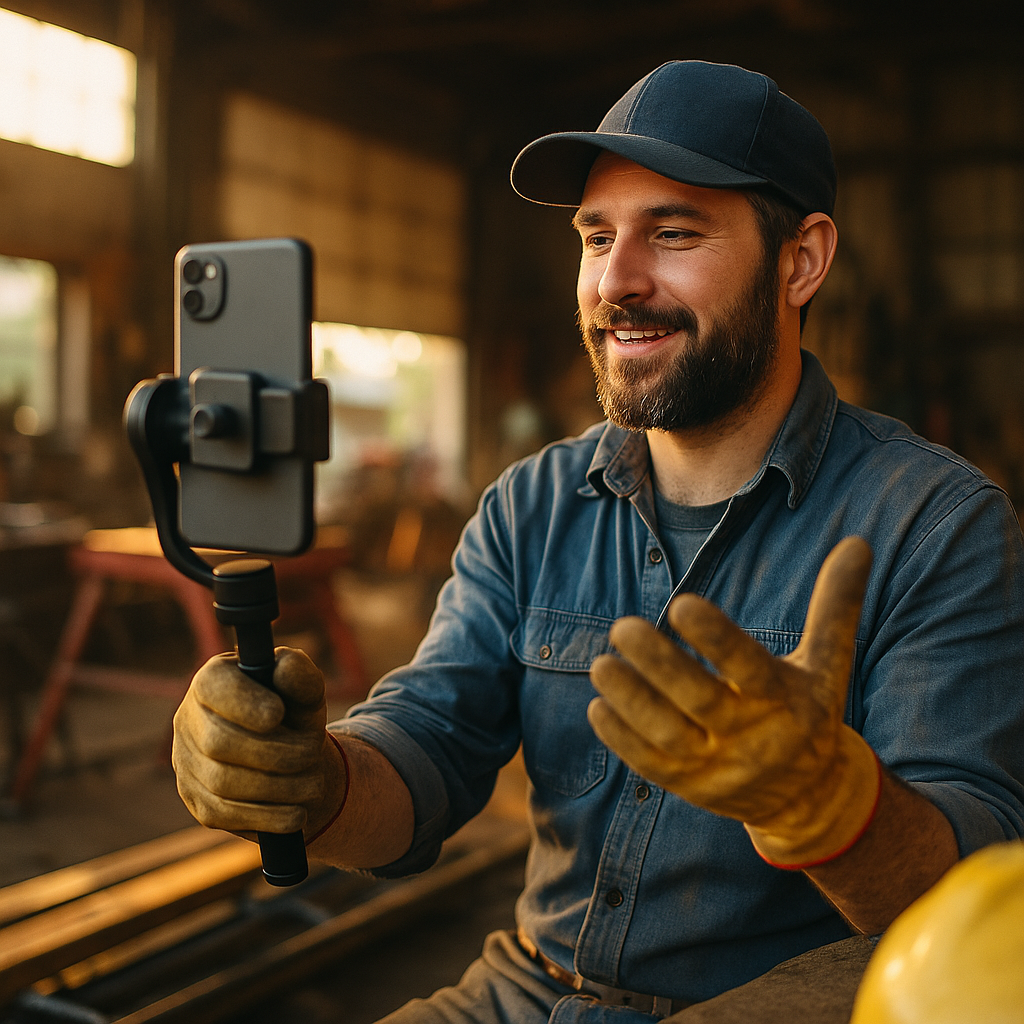
The rise of “blue collar” influencers is reshaping the influencer landscape, as trades and manual labor professionals build large audiences online. These creators have sparked renewed interest in skilled trades and inspiring stories from the job site. Why are millions now following electricians, welders, and carpenters on social media? Let’s dive into this rapidly expanding phenomenon.
What Drives the Popularity of Trades Influencers?
The growing influence of blue collar professionals across platforms like TikTok, Instagram, and YouTube rests on relatability, authenticity, and the value of practical knowledge. As skilled labor shortages persist globally through 2025, more people are seeking insights into real-world careers that offer stability and pride. Blue collar influencers fill this gap by:
- Demystifying Trades: Skilled workers break down complex tasks, reveal industry challenges, and tackle misconceptions.
- Highlighting Diverse Opportunities: Viewers discover lucrative pathways in plumbing, HVAC, welding, and carpentry—often without traditional college debt.
- Sharing Unfiltered Experiences: Followers appreciate content that isn’t staged or overly polished, making tradespeople relatable role models.
- Inspiring Career Changers: Many influencers document their transition into trades, encouraging others to consider similar paths.
This distinctive combination of practical learning and behind-the-scenes storytelling fuels a growing fan base beyond traditional industry circles.
Authenticity and Trust: Social Proof in Skilled Trades
Trust plays a crucial role in the rise of blue collar influencers. Their credibility is built not just on expertise, but on transparency—showing both successes and setbacks. Platforms like TikTok report a 40% increase in do-it-yourself (DIY) and hands-on trades content engagement from 2023 to 2025, showing that audiences crave real stories and tangible skills.
- Showcasing Real Expertise: Influencers often possess years or even decades of professional experience. Their followers value expert opinions, tool reviews, and job site wisdom.
- Promoting Industry Standards: Many blue collar creators use their platforms to promote safety protocols, best practices, and continuing education in the trades.
- Community Building: Comment sections double as advice forums, and live streams routinely involve Q&A sessions to help apprentices or homeowners.
By sharing the realities of manual labor—including the physical demands and the rewards—these influencers foster a sense of community and mutual respect among tradespeople and viewers alike.
Brand Partnerships and Monetization for Manual Labor Influencers
By 2025, brands realize the persuasive power of blue collar content creators. Companies manufacturing tools, workwear, vehicles, and building materials have shifted ad spend to tap into the trust trades influencers command.
- Sponsorships and Endorsements: Leading influencers partner with brands to demo products, host contests, or participate in brand ambassador programs. These collaborations generate more targeted, effective recommendations for industry-specific audiences.
- Educational Partnerships: Trade schools and apprenticeship programs now frequently partner with prominent influencers to promote enrollment and address skilled labor shortages.
- Entrepreneurial Opportunities: Some influencers diversify with online courses, exclusive merchandise, or consulting services for aspiring tradespeople.
This monetization has led to genuine career growth for creators—proving that skilled trades aren’t just necessary, but also an exciting space for innovation and entrepreneurship.
Impact on Industry Recruitment and Perceptions of Skilled Labor
The rise of trades and manual labor influencers is challenging outdated perceptions. According to recent recruitment surveys across North America and Europe, over 60% of Gen Z and Millennial job seekers say they discovered skilled trade jobs through social media exposure. The influencers’ visibility benefits the industry in several ways:
- Reducing Stigma: Blue collar creators show that trades can be financially and personally rewarding, countering stereotypes about manual labor.
- Reaching New Demographics: Women and underrepresented minorities find new entry points into the trades, inspired by relatable role models who share their successes and challenges.
- Bridging Knowledge Gaps: Influencer-led mentorships and online trade communities help newcomers find apprenticeships and navigate licensing requirements.
This shift is crucial at a time when construction, manufacturing, and infrastructure industries face acute workforce shortages. Influencers act as ambassadors, modernizing the trades’ image and drawing a motivated new generation into vital roles.
Challenges and Controversies Faced by Trades Influencers
Despite their success, blue collar influencers encounter unique hurdles:
- Balancing Authenticity with Sponsorships: Maintaining trust while monetizing content can be tricky. Followers quickly detect inauthentic promotions or brand partnerships that conflict with an influencer’s values.
- Industry Backlash: Some veteran tradespeople question the value of “going viral” and worry that online fame overshadows on-the-job skill development.
- Personal Safety and Privacy: Sharing workplace footage may risk employer confidentiality or personal security, so creators must navigate industry regulations carefully.
The most successful trades and manual labor influencers consistently emphasize professionalism and community benefit, ensuring long-term credibility amid evolving digital trends.
The Future of Skilled Labor Content: Trends to Watch
Looking ahead, skilled trades content is poised for further growth and evolution. Key trends for 2025 and beyond include:
- Virtual Reality (VR) and Augmented Reality (AR) Training: Influencers are beginning to integrate immersive tech for instructional content, offering subscribers hands-on practice in virtual environments.
- Collaborative Series: Cross-industry collaborations—such as electricians teaming up with architects or plumbers collaborating with interior designers—expand creative content and attract diverse audiences.
- Global Perspectives: With high-speed mobile internet widely accessible, skilled trades creators from Australia, South Africa, and Latin America are entering global conversations, bringing fresh approaches and regional techniques to new viewers.
- Workforce Advocacy: Influencers increasingly use their platforms to drive discussions on fair wages, safety, access to training, and job site diversity.
Brands, educators, and even government agencies will continue to harness these creators’ reach to tackle skills gaps and elevate the professional reputation of trades and manual labor careers.
Conclusion: Blue Collar Influencers Are Here to Stay
The rise of blue collar influencers signals a new era where skilled labor and manual trades are celebrated both online and off. Their blend of expertise, authenticity, and community focus is reshaping industry perceptions and inspiring the next generation of workers. From YouTube to job sites, trades influencers are making manual labor a movement—one post at a time.
FAQs
-
What are blue collar influencers?
Blue collar influencers are individuals working in skilled trades or manual labor who create social media content about their jobs. They share tutorials, behind-the-scenes footage, and career advice, building large and engaged online communities.
-
Why are trades influencers so popular in 2025?
Trades influencers offer authenticity and teach practical skills, at a time when many people are reconsidering career options post-pandemic. Skilled labor shortages also mean their advice is in higher demand, and their content supports recruitment efforts in these industries.
-
How do blue collar influencers make money?
Many monetize their content through sponsorships, brand partnerships, merchandise, educational courses, affiliate marketing, and even traditional advertising revenue from their social media platforms.
-
Can becoming a trades influencer help with career advancement?
Yes. Building an audience increases professional visibility, attracts job offers, and opens doors for consulting, speaking engagements, or business partnerships—especially in sectors with ongoing workforce shortages.
-
Are there risks involved in being a manual labor influencer?
Yes. These can include maintaining privacy, dealing with sponsorship pressures, and potential scrutiny from employers or industry peers. However, successful influencers emphasize professionalism, safety, and community benefits to mitigate risks.