


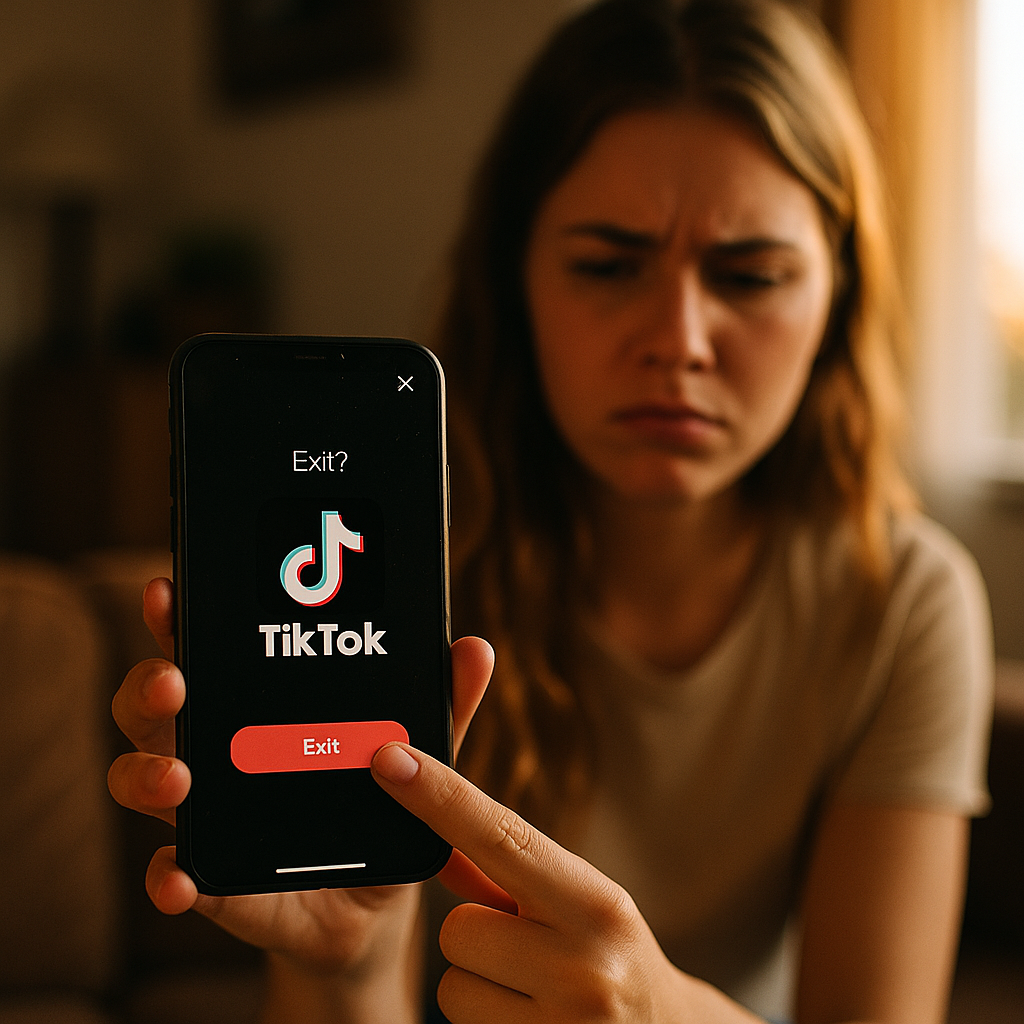
Top-earning creators are exiting TikTok at nearly twice the rate of mid-tier talent, according to platform churn data circulating among agency buyers this quarter. That’s not a rounding error. It’s a signal. If TikTok platform consolidation keeps accelerating, brands building 2027 media plans around single-platform creator strategies are about to get burned.
The Exodus Isn’t Rumor — It’s Showing Up in the Numbers
Creator talent agencies have quietly tracked this for months. Top 1% earners — the creators pulling seven figures annually through brand deals, TikTok Shop commissions, and platform bonuses — are diversifying away from TikTok as their primary home base at roughly double the churn rate of creators earning under $100K a year.
Why does this matter more than the usual “creators are multi-platform now” observation? Because top earners are the ones with leverage. They’re the ones brands actually want. When the creators with the most negotiating power start hedging their bets, it’s not a lifestyle choice. It’s risk management.
Top-earning creators are abandoning TikTok as a primary platform at nearly 2x the rate of mid-tier creators — a signal that platform consolidation is being driven by the talent brands most want to book.
Several forces are converging here. Ongoing regulatory uncertainty around TikTok’s U.S. ownership structure hasn’t fully resolved. Instagram Reels and YouTube Shorts have closed the format gap. And monetization on TikTok, while strong for commerce, still lags Instagram and YouTube for straightforward brand partnership rates. Our earlier coverage of top creators shifting to Instagram flagged this migration pattern before it hit mainstream trade press.
Why Top Earners Move First
Mid-tier and emerging creators can’t afford to leave TikTok. The discovery engine is still unmatched for cold-audience growth, and TikTok Shop remains a meaningful revenue line for creators without brand deal pipelines. Our analysis of the TikTok Shop’s forecasted growth shows the platform is nowhere near irrelevant for commerce-driven creator income.
But top earners already have the audience. They built it. Now they’re optimizing for stability and diversified monetization rather than reach. That’s a fundamentally different calculus.
- Platform risk exposure: Top creators with concentrated TikTok income face existential business risk if the app faces further regulatory action or algorithm shifts that tank distribution overnight.
- Monetization ceiling: Brand deal rates on Instagram and YouTube frequently outpace TikTok for comparable follower counts, especially in long-form and shoppable formats.
- Owned audience control: Email lists, YouTube subscriptions, and Instagram close friends lists give creators durable relationships that don’t evaporate if a platform disappears.
None of this means TikTok is dying. It means the platform’s highest-value talent is building redundancy. Smart brands should be doing the same thing with their media plans.
What This Means for 2027 Media Plans
Here’s the uncomfortable part for brand marketers: many 2027 media plans are still being drafted with TikTok-first creator budgets, locked in because that’s where the historical performance data lives. That’s backward-looking planning applied to a forward-looking problem.
If your highest-value creator partners are hedging away from single-platform dependency, your media plan should mirror that hedge. Concentrating spend with creators who are simultaneously de-prioritizing the platform you’re buying against is a recipe for declining reach and rising costs per booking.
This is the same consolidation logic playing out across the vendor side of the industry. Our coverage of creator economy vendor consolidation found buyers are shrinking their platform and tool stacks in favor of fewer, higher-performing partners. Creator platform loyalty is following the same pattern — talent consolidating around fewer, more durable revenue channels.
The Instagram and YouTube Pull Is Real, But Watch the Details
Instagram remains the default landing spot for creators leaving TikTok as a primary platform, largely because Meta’s ad infrastructure and Reels distribution have matured enough to feel like a credible substitute. YouTube Shorts is the second landing spot, particularly for creators building long-form supplementary content alongside short-form.
But don’t assume this is a clean one-to-one swap. Audience behavior doesn’t transfer perfectly. A creator’s TikTok Shop conversion habits don’t automatically carry over to Instagram Shopping, and social commerce pathways differ meaningfully by platform in terms of checkout friction and discovery mechanics.
Brands chasing creators across platforms need to rebuild attribution models for each destination, not assume performance parity. This is exactly where a lot of media plans are going to underperform in 2027 if teams don’t rebuild measurement frameworks alongside the creator moves.
Risk Mitigation: Build the Plan Around People, Not Platforms
The operational fix here isn’t complicated, but it does require a mindset shift. Stop buying “TikTok creators.” Start buying creators, full stop, and structure contracts that follow them across platforms.
Some practical moves worth building into 2027 contracts and planning cycles:
- Multi-platform usage rights: Negotiate content and posting rights that aren’t locked to a single app, so campaigns survive a creator’s platform pivot.
- Diversified channel testing: Run parallel small-budget tests across TikTok, Instagram, and YouTube for the same creator before committing to a primary channel. This is the testing frequency discipline agencies are being forced to adopt.
- Platform-agnostic KPIs: Measure creator performance on conversion and engagement quality, not platform-specific vanity metrics that won’t translate if the creator moves.
- Contractual flexibility clauses: Build in the ability to shift deliverables to a different platform mid-contract if a creator’s primary channel changes.
Agencies that have already shifted toward conversion-focused platforms over reach-based marketplaces are better positioned here, because they’re already measuring what matters regardless of where the content lives.
The Data Problem Nobody’s Solved Yet
Cross-platform attribution remains the industry’s biggest unsolved headache. Most influencer marketing platforms and CRMs were built assuming creators live primarily on one app. When top talent starts splitting attention three ways, measurement infrastructure breaks.
This is part of a bigger pattern our team has covered extensively: the tooling cracks exposed by scale in the creator economy. Add platform-hopping top talent into that mix, and the reporting gaps widen further.
Brands that haven’t already invested in analyst-level talent to reconcile cross-platform performance are going to feel this acutely in 2027. It’s no coincidence that agencies are hiring data analysts at a faster clip than creative or account staff right now. The skill gap isn’t creative anymore. It’s measurement.
Industry data from eMarketer and Statista continues to show creator marketing spend rising even as platform-specific engagement metrics fragment — a sign that budgets are chasing people, not apps, faster than internal reporting structures can keep up.
What Brands Should Actually Do Right Now
Start by auditing your current creator roster for platform concentration risk. How many of your top-performing partners derive more than 70% of their reach from a single app? That’s your exposure number.
Then rebuild briefs and contracts to be platform-flexible by default, not platform-specific. Use tools like Sprout Social or Meta Business Suite to normalize reporting across channels so a creator’s platform pivot doesn’t blow up your dashboards mid-quarter.
Finally, treat this moment as diagnostic, not catastrophic. TikTok isn’t collapsing. Its highest earners are just refusing to put all their eggs in one basket, and your media plan should extend them the same courtesy.
FAQs
Why are top-earning creators leaving TikTok faster than other creators?
Top earners have more to lose from platform concentration risk. They’re diversifying toward Instagram and YouTube because brand deal rates are often stronger there, and they want protection against regulatory uncertainty or algorithm changes on TikTok.
Does this mean TikTok is losing relevance for brand marketing?
No. TikTok Shop and discovery-driven engagement remain strong, especially for mid-tier and emerging creators. The shift is concentrated among top-tier talent optimizing for income stability, not a platform-wide decline.
How should brands adjust 2027 media plans for this shift?
Build creator contracts with multi-platform usage rights, run parallel tests across platforms before committing budget, and measure performance with platform-agnostic KPIs like conversion quality rather than platform-specific reach metrics.
What’s the biggest operational risk in this platform consolidation trend?
Attribution and measurement. Most influencer marketing tools were built assuming single-platform creator relationships, so brands need analyst-level talent to reconcile performance data as creators split attention across apps.
Which platforms are absorbing creators leaving TikTok?
Instagram Reels is the primary landing spot, followed by YouTube Shorts. Neither platform offers a perfect substitute for TikTok’s discovery engine or shopping conversion behavior, so performance expectations need to be rebuilt per channel.
Next step: Pull your current creator roster and flag anyone with more than 70% of their reach concentrated on one platform — that’s your exposure list for the 2027 planning cycle, and it should shrink before budgets lock.
Top Influencer Marketing Agencies
The leading agencies shaping influencer marketing in 2026
Agencies ranked by campaign performance, client diversity, platform expertise, proven ROI, industry recognition, and client satisfaction. Assessed through verified case studies, reviews, and industry consultations.
Moburst

-
2

The Shelf
Boutique Beauty & Lifestyle Influencer AgencyA data-driven boutique agency specializing exclusively in beauty, wellness, and lifestyle influencer campaigns on Instagram and TikTok. Best for brands already focused on the beauty/personal care space that need curated, aesthetic-driven content.Clients: Pepsi, The Honest Company, Hims, Elf Cosmetics, Pure LeafVisit The Shelf → -
3

Audiencly
Niche Gaming & Esports Influencer AgencyA specialized agency focused exclusively on gaming and esports creators on YouTube, Twitch, and TikTok. Ideal if your campaign is 100% gaming-focused — from game launches to hardware and esports events.Clients: Epic Games, NordVPN, Ubisoft, Wargaming, Tencent GamesVisit Audiencly → -
4

Viral Nation
Global Influencer Marketing & Talent AgencyA dual talent management and marketing agency with proprietary brand safety tools and a global creator network spanning nano-influencers to celebrities across all major platforms.Clients: Meta, Activision Blizzard, Energizer, Aston Martin, WalmartVisit Viral Nation → -
5

The Influencer Marketing Factory
TikTok, Instagram & YouTube CampaignsA full-service agency with strong TikTok expertise, offering end-to-end campaign management from influencer discovery through performance reporting with a focus on platform-native content.Clients: Google, Snapchat, Universal Music, Bumble, YelpVisit TIMF → -
6

NeoReach
Enterprise Analytics & Influencer CampaignsAn enterprise-focused agency combining managed campaigns with a powerful self-service data platform for influencer search, audience analytics, and attribution modeling.Clients: Amazon, Airbnb, Netflix, Honda, The New York TimesVisit NeoReach → -
7

Ubiquitous
Creator-First Marketing PlatformA tech-driven platform combining self-service tools with managed campaign options, emphasizing speed and scalability for brands managing multiple influencer relationships.Clients: Lyft, Disney, Target, American Eagle, NetflixVisit Ubiquitous → -
8

Obviously
Scalable Enterprise Influencer CampaignsA tech-enabled agency built for high-volume campaigns, coordinating hundreds of creators simultaneously with end-to-end logistics, content rights management, and product seeding.Clients: Google, Ulta Beauty, Converse, AmazonVisit Obviously →