


Pre-roll ads average a 95% skip rate on YouTube. So why are some of the most sophisticated brand marketers still anchoring their video budgets there? Toyota Racing’s episodic partnership with comedian and creator Kareem Rahma offers a direct answer, and a sharper model for brands serious about long-form audience equity.
What the Toyota Racing Series Actually Did
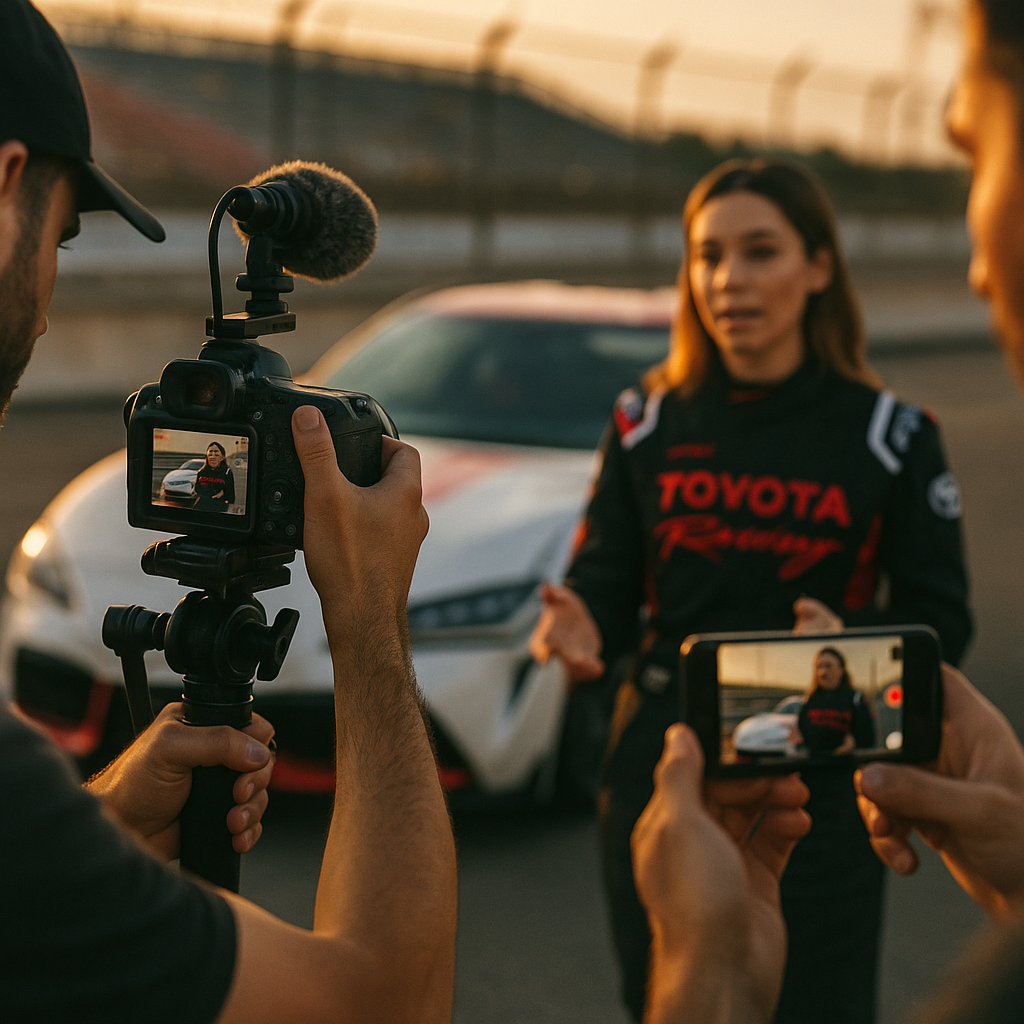
Toyota Racing partnered with Kareem Rahma to produce a branded episodic YouTube series that followed him experiencing motorsport culture firsthand. This wasn’t a 30-second pre-roll slapped onto racing footage. It was a multi-episode narrative arc, built around Rahma’s genuine fish-out-of-water perspective as a non-racing enthusiast dropped into an intensely technical subculture. The brand integration was structural, not decorative.
Each episode ran long-form (typically 10-20 minutes), aired on Rahma’s existing channel (giving it an audience with established trust), and was designed to build viewer investment across weeks. The series attracted viewers who actively chose to watch. No forced impressions. No skip button anxiety.
That distinction matters more than most media plans acknowledge.
Pre-Roll vs. Episodic: Not a Fair Fight
Standard pre-roll buys on YouTube are efficient at scale. You can reach millions of targeted impressions at a low CPM. But efficiency and effectiveness are not the same metric, and conflating them is a budget mistake brands make repeatedly.
Pre-roll delivers:
- High reach, low attention
- Brand recall that decays within days
- No earned audience relationship
- Zero content ownership after the campaign ends
The episodic model inverts nearly every one of those outcomes. Viewers who watch three or more episodes of a branded series develop something closer to a parasocial relationship with both the creator and the brand context. HubSpot’s research on video engagement consistently shows that watch time beyond 50% of a video correlates strongly with downstream brand action, a threshold pre-roll almost never clears.
An audience that chooses your content is worth ten times the audience that tolerates your ad. The Toyota Racing model was built on opt-in attention, and that compounds over time in ways CPM-based media cannot.
The Influencer Sponsorship Standard — and Where It Falls Short
Traditional influencer sponsorships (the kind that power most brand budgets) typically look like this: a creator integrates a brand mention into an existing video, delivers contractual impressions, and the brand gets a performance report two weeks later. It’s transactional. It works for awareness and conversion at the bottom of funnel. It does not build brand equity in any durable sense.
The structural weakness is that the creator’s audience came for the creator’s content. The brand is a passenger. When the campaign ends, the brand leaves with no lasting asset and no deepened audience relationship.
Toyota Racing took the opposite approach. By co-creating the actual content premise with Rahma, the brand became the reason the content existed. That’s a different category of integration entirely. It’s the difference between renting a room and building a house.
For brands thinking through how to brief creators at this structural level, the framework you use matters enormously. A well-constructed cross-platform creator brief that accounts for YouTube’s long-form dynamics, series arc, and audience development is a different document from a standard sponsored post brief. Most brands don’t have that document.
Audience Depth as a Measurable Asset
Here’s the operational question brand strategists should be asking: what does “audience depth” actually look like in measurement terms?
For episodic branded content, the relevant signals include:
- Episode-over-episode retention rate (did viewers return for subsequent episodes?)
- Average view duration as a percentage of total runtime
- Comment sentiment and brand mention frequency in organic comments
- Subscriber growth attributed to series episodes
- Search lift for brand terms during and after series run
Toyota Racing’s series demonstrated retention across episodes, which means the brand earned repeated, voluntary attention from the same individuals over multiple weeks. That’s the mechanism that builds genuine brand preference. Statista’s media consumption data supports the broader pattern: serialized content consistently outperforms one-off videos on completion rate and return viewership.
Standard influencer sponsorships don’t generate any of these signals because they’re not designed to. Pre-roll campaigns generate impression volume data, but impression volume is an input metric, not an outcome metric. Confusing the two is how brands end up with “successful” campaigns and flat brand equity scores.
Long-Term Brand Equity: The Compounding Logic
Brand equity doesn’t accumulate from a single touchpoint. It compounds across repeated, positive associations that a consumer builds with a brand over time. This is why frequency matters in traditional media. Episodic content creates frequency by design, but with a critical advantage over paid frequency: the viewer is choosing to return.
For Toyota Racing specifically, the Rahma series accomplished something a pre-roll buy fundamentally cannot: it introduced a non-motorsport audience to Toyota’s racing identity through a trusted, entertaining lens. Rahma’s audience isn’t the motorsport core. It’s culturally adjacent, younger, and more skeptical of overt advertising. The episodic format allowed Toyota to earn credibility with that audience over time rather than interrupt it once and hope for recall.
This is the long-term brand equity play. The series lives on YouTube indefinitely. New Rahma fans discovering his catalog encounter the Toyota Racing content organically. The asset appreciates, rather than depreciating the moment the media buy ends.
For brands running multi-format creator programs, the YouTube episodic series should anchor the strategy, with short-form cuts from episodes serving as paid and organic distribution across TikTok and Reels. The series becomes a content engine, not just a campaign.
The real ROI of episodic branded content isn’t measured at campaign close. It’s measured 18 months later, when brand consideration scores shift in the audience cohort that watched the series.
Budget Allocation Implications
The honest friction with the Toyota Racing model is cost and complexity. Producing a multi-episode series with a creator like Rahma requires production investment, longer lead times, tighter creative alignment, and a brand team willing to cede some content control in exchange for authenticity. That’s a harder internal sell than a pre-roll buy with a clear CPM and delivery guarantee.
But the comparison isn’t really episodic series versus pre-roll. It’s episodic series versus the aggregate spend that produces equivalent brand equity outcomes through other channels. When you price it that way, the math shifts considerably.
Brands allocating 10-15% of their YouTube budget to creator-led episodic programming while maintaining the rest in performance-oriented formats have a defensible model. The episodic investment builds the equity that makes the performance media more effective. They’re not competing for the same outcome.
If you’re building the operational infrastructure for this kind of program, understanding how to brief creators for authenticity signals is foundational. Algorithmic performance on YouTube rewards genuine audience engagement, not polished brand integration. The brief has to protect that from the start.
Production planning also matters at the series level. Brands that plan for repurposing during the original shoot dramatically reduce the per-asset cost of episodic programs while extending reach across platforms. This is an efficiency lever most brands underuse.
For those interested in how YouTube’s content formats specifically interact with audience development metrics, Google’s YouTube creator resources and eMarketer’s video ad benchmarks provide useful baseline data for building the internal case.
The FTC’s endorsement disclosure guidelines also apply to episodic branded series, and brands should ensure proper disclosure is built into the content structure from episode one, not retrofitted later.
If you’re evaluating whether an episodic YouTube model fits your brand’s investment thesis, start by auditing your current creator brief architecture. A brief built for a 60-second integration cannot support a 10-episode series. Build the brief first, then build the series. Use the right creator brief templates as your operational foundation before pitching the format internally.
FAQs
How does an episodic YouTube branded series differ from a standard influencer sponsorship?
A standard influencer sponsorship integrates the brand into existing creator content, making the brand a passenger in someone else’s narrative. An episodic branded series makes the brand the structural reason the content exists. The creator builds a multi-episode narrative arc around a brand-provided context, generating repeated voluntary viewership, deeper audience association, and a lasting content asset the brand co-owns rather than renting a placement.
What metrics should brands use to evaluate episodic branded content ROI?
Key metrics include episode-over-episode retention rate, average view duration as a percentage of total runtime, organic brand mention frequency in comments, series-driven subscriber growth, and search lift for brand terms during and after the series run. These signals measure audience depth rather than impression volume, which is the meaningful output for long-term brand equity programs.
Is the Toyota Racing episodic model replicable for non-automotive brands?
Yes. The model works for any brand that can provide a compelling experiential or knowledge context that a creator can authentically explore. The key structural requirement is that the brand’s world is genuinely interesting to the creator’s audience, and that the creator has real curiosity rather than scripted enthusiasm. Automotive, sports, technology, travel, and food brands are natural fits, but the framework applies broadly if the content premise is strong.
How does pre-roll advertising compare on brand equity outcomes?
Pre-roll delivers reach and frequency at a low CPM but produces minimal brand equity per impression because most viewers skip or disengage before the message lands. Pre-roll is effective for bottom-of-funnel awareness reinforcement among audiences already familiar with the brand, but it does not build the depth of association that drives preference shifts. Episodic content is a different investment with a different time horizon, and the two formats should be evaluated against different success metrics.
What production and brief considerations are specific to episodic YouTube series?
Episodic series require a series arc brief, not a single-video brief. This means defining the narrative premise, episode structure, brand integration role per episode, tone guardrails, and repurposing plan before production begins. Lead times are longer, creative alignment must be established upfront, and brands need to accept a higher degree of creator creative control to preserve the authenticity that makes the format work. Planning for short-form repurposing during the original shoot also significantly improves cost efficiency.
Top Influencer Marketing Agencies
The leading agencies shaping influencer marketing in 2026
Agencies ranked by campaign performance, client diversity, platform expertise, proven ROI, industry recognition, and client satisfaction. Assessed through verified case studies, reviews, and industry consultations.
Moburst

-
2

The Shelf
Boutique Beauty & Lifestyle Influencer AgencyA data-driven boutique agency specializing exclusively in beauty, wellness, and lifestyle influencer campaigns on Instagram and TikTok. Best for brands already focused on the beauty/personal care space that need curated, aesthetic-driven content.Clients: Pepsi, The Honest Company, Hims, Elf Cosmetics, Pure LeafVisit The Shelf → -
3

Audiencly
Niche Gaming & Esports Influencer AgencyA specialized agency focused exclusively on gaming and esports creators on YouTube, Twitch, and TikTok. Ideal if your campaign is 100% gaming-focused — from game launches to hardware and esports events.Clients: Epic Games, NordVPN, Ubisoft, Wargaming, Tencent GamesVisit Audiencly → -
4

Viral Nation
Global Influencer Marketing & Talent AgencyA dual talent management and marketing agency with proprietary brand safety tools and a global creator network spanning nano-influencers to celebrities across all major platforms.Clients: Meta, Activision Blizzard, Energizer, Aston Martin, WalmartVisit Viral Nation → -
5

The Influencer Marketing Factory
TikTok, Instagram & YouTube CampaignsA full-service agency with strong TikTok expertise, offering end-to-end campaign management from influencer discovery through performance reporting with a focus on platform-native content.Clients: Google, Snapchat, Universal Music, Bumble, YelpVisit TIMF → -
6

NeoReach
Enterprise Analytics & Influencer CampaignsAn enterprise-focused agency combining managed campaigns with a powerful self-service data platform for influencer search, audience analytics, and attribution modeling.Clients: Amazon, Airbnb, Netflix, Honda, The New York TimesVisit NeoReach → -
7

Ubiquitous
Creator-First Marketing PlatformA tech-driven platform combining self-service tools with managed campaign options, emphasizing speed and scalability for brands managing multiple influencer relationships.Clients: Lyft, Disney, Target, American Eagle, NetflixVisit Ubiquitous → -
8

Obviously
Scalable Enterprise Influencer CampaignsA tech-enabled agency built for high-volume campaigns, coordinating hundreds of creators simultaneously with end-to-end logistics, content rights management, and product seeding.Clients: Google, Ulta Beauty, Converse, AmazonVisit Obviously →