


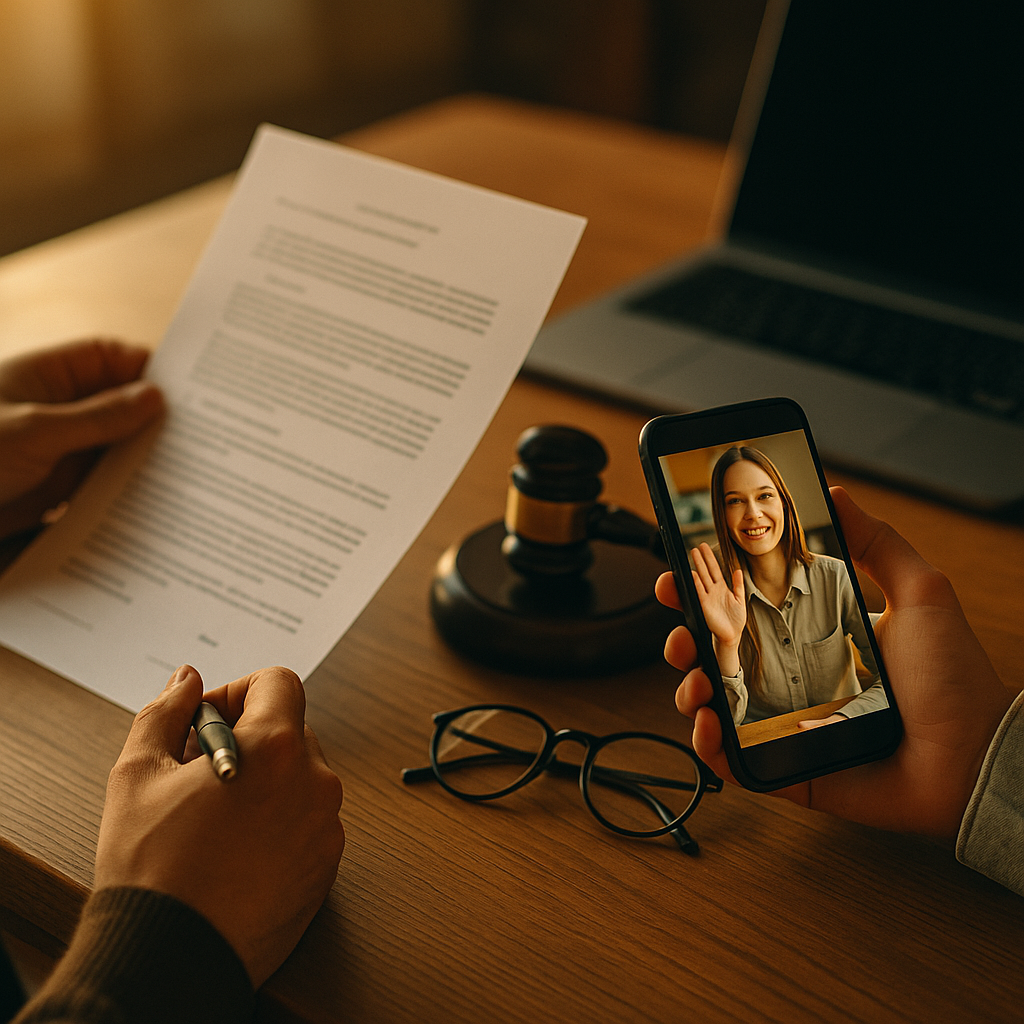
User-generated content (UGC) versus influencer marketing: both shape digital branding in 2025, but their legal definitions differ more than many realize. In an era of strict regulatory oversight, understanding the legal boundaries between UGC and influencer marketing is crucial for brands and creators. Where does UGC end and influencer marketing begin? Let’s clarify the rules shaping online content.
Understanding User-Generated Content and Legal Implications
User-generated content (UGC) refers to any material, such as reviews, photos, or videos, spontaneously posted by individuals who are not officially affiliated with a brand. Users create UGC without compensation, making it a valuable—but sometimes unpredictable—asset for marketers. Legally, using UGC comes with its own set of copyright, privacy, and consent considerations.
For instance, brands must secure explicit permission before republishing user-created photos or testimonials. Even with public social media posts, the original creator retains copyright unless they transfer rights or grant a license for commercial use. Compliance experts urge brands to review each piece for copyrighted elements or image rights issues—especially if minors are involved. The Federal Trade Commission (FTC) and similar global agencies may investigate misuse of UGC if it’s deceptively presented as the brand’s own work.
Disclosure requirements are weaker for UGC because users share content independently and without compensation. However, systematic repurposing of organic customer content or incentivizing posts can blur the line into influencer territory, raising the compliance bar.
Defining Influencer Marketing and Its Disclosure Rules
Influencer marketing, by contrast, involves individuals—content creators, personalities, or micro-influencers—being compensated by a brand to create promotional content. In 2025, the influencer space is heavily regulated, and both brands and influencers face strict requirements for transparency.
Every sponsored relationship must be disclosed “clearly and conspicuously,” according to the FTC’s 2023 Endorsement Guides update. This means:
- Influencers must use clear tags such as #ad or “Paid partnership” in posts.
- Ambiguous language or hidden disclosures can trigger enforcement actions.
- All forms of compensation—money, gifts, or perks—must be disclosed, not just cash payments.
Brands are ultimately responsible for ensuring their influencer partners follow the rules. Ignoring these regulations can result in fines, reputational damage, or legal battles. Recent cases prove that regulators are monitoring influencer marketing with increasing sophistication using AI-driven sweeps on social media platforms.
Key Legal Differences Between UGC and Influencer Content
On the surface, both UGC and influencer marketing can involve similar forms of content—videos, social posts, or testimonials. However, the legal treatment depends on intent, compensation, and the level of brand involvement.
- Origin and Intent: UGC is unsolicited and unpaid; influencer content is commissioned or encouraged by the brand.
- Disclosure Requirements: UGC rarely requires disclosure, while influencer content always does if compensation is provided.
- Control and Editorial Input: More direction or editing by a brand, even for a “regular user,” may legally turn UGC into influencer marketing.
- Rights and Permissions: Brands must secure usage rights for both, but influencer agreements are typically more formal with contractual terms.
In short, the more a brand influences or rewards the creator, the more likely the content qualifies as influencer marketing and is subject to stricter rules.
Risks of Misclassifying UGC and Influencer Collaborations
Misclassifying content—treating influencer marketing as UGC or vice versa—opens brands to significant legal and reputational risks. According to a 2024 IAB survey, 41% of brands have faced at least one compliance warning in the past year due to unclear labeling or ambiguous compensation structures. The consequences include:
- Hefty fines for deceptive marketing practices
- Mandatory content takedowns and negative press
- Erosion of consumer trust if audiences feel misled
- Loss of social platform privileges due to policy violations
To minimize these risks, brands need robust compliance protocols: conduct due diligence on influencers, review all content for proper disclosure, and document permissions for every piece of UGC. Clarifying the agreement early protects both parties from disputes or unwanted regulator attention.
Best Practices for Brands Navigating UGC and Influencer Regulations
Brands thriving in 2025 employ proactive strategies to stay compliant while harnessing the power of authentic content. Here are actionable tips:
- Obtain explicit permission for UGC. Use digital rights management tools and keep records of consent, especially for commercial repurposing.
- Be transparent about partnerships. Mandate clear disclosures in all influencer collaborations. If a campaign incentivizes customers to post, treat it under influencer rules.
- Monitor for compliance. Assign trained staff or use AI tools to review content before and after publication to catch inadvertent omissions.
- Stay updated on regulations. UGC and influencer marketing rules are evolving; subscribe to FTC or local advertising authorities’ bulletins for real-time updates.
- Educate all stakeholders. Hold regular training for both creators and internal teams about legal distinctions and operational policies.
Adhering to these practices demonstrates experience and authority—essential in the current legal environment and vital to building long-term consumer trust.
The Future of UGC and Influencer Law: What to Watch
As AI-generated content and virtual influencers rise, regulators are poised to further tighten laws governing digital endorsements. Expect stricter definitions of compensation, algorithmic monitoring of undisclosed partnerships, and more prescriptive rules on data privacy related to UGC harvesting. Brands must adapt by adopting flexible, compliance-first content strategies. Legal clarity and consumer transparency will increasingly determine brand reputation and bottom line.
In summary, the legal line between user-generated content and influencer marketing in 2025 centers on intent, compensation, and control. Brands that draw this line clearly protect themselves and build lasting consumer trust—while those ignoring it risk regulatory backlash and loss of credibility.
FAQs: Legal Line Between UGC and Influencer Marketing
-
How do I know if a post counts as influencer marketing or UGC?
If a brand compensates, encourages, or exercises editorial control over content, it’s influencer marketing and requires full disclosure. Spontaneous, unpaid customer posts generally qualify as UGC. -
What permissions are required for brands to use UGC?
Brands need explicit permission from the original creator—either via direct message, email, or digital rights tool. Always document the consent and usage terms, particularly for commercial use. -
What happens if I don’t disclose a paid influencer partnership?
Failure to disclose compensated posts can result in regulatory fines, content removal, and loss of consumer trust. Both brands and influencers can be held liable for deceptive practices. -
Is gifting products the same as paying influencers?
Yes. Any material benefit—free products, discounts, or exclusive access—counts as compensation and triggers the same disclosure obligations as paid collaborations. -
Can using a branded hashtag turn UGC into influencer content?
If users are encouraged or incentivized to use a hashtag (e.g., through contests or rewards), their content may fall under influencer guidelines. Purely organic hashtag use remains UGC.
Top Influencer Marketing Agencies
The leading agencies shaping influencer marketing in 2026
Agencies ranked by campaign performance, client diversity, platform expertise, proven ROI, industry recognition, and client satisfaction. Assessed through verified case studies, reviews, and industry consultations.
Moburst

-
2

The Shelf
Boutique Beauty & Lifestyle Influencer AgencyA data-driven boutique agency specializing exclusively in beauty, wellness, and lifestyle influencer campaigns on Instagram and TikTok. Best for brands already focused on the beauty/personal care space that need curated, aesthetic-driven content.Clients: Pepsi, The Honest Company, Hims, Elf Cosmetics, Pure LeafVisit The Shelf → -
3

Audiencly
Niche Gaming & Esports Influencer AgencyA specialized agency focused exclusively on gaming and esports creators on YouTube, Twitch, and TikTok. Ideal if your campaign is 100% gaming-focused — from game launches to hardware and esports events.Clients: Epic Games, NordVPN, Ubisoft, Wargaming, Tencent GamesVisit Audiencly → -
4

Viral Nation
Global Influencer Marketing & Talent AgencyA dual talent management and marketing agency with proprietary brand safety tools and a global creator network spanning nano-influencers to celebrities across all major platforms.Clients: Meta, Activision Blizzard, Energizer, Aston Martin, WalmartVisit Viral Nation → -
5

The Influencer Marketing Factory
TikTok, Instagram & YouTube CampaignsA full-service agency with strong TikTok expertise, offering end-to-end campaign management from influencer discovery through performance reporting with a focus on platform-native content.Clients: Google, Snapchat, Universal Music, Bumble, YelpVisit TIMF → -
6

NeoReach
Enterprise Analytics & Influencer CampaignsAn enterprise-focused agency combining managed campaigns with a powerful self-service data platform for influencer search, audience analytics, and attribution modeling.Clients: Amazon, Airbnb, Netflix, Honda, The New York TimesVisit NeoReach → -
7

Ubiquitous
Creator-First Marketing PlatformA tech-driven platform combining self-service tools with managed campaign options, emphasizing speed and scalability for brands managing multiple influencer relationships.Clients: Lyft, Disney, Target, American Eagle, NetflixVisit Ubiquitous → -
8

Obviously
Scalable Enterprise Influencer CampaignsA tech-enabled agency built for high-volume campaigns, coordinating hundreds of creators simultaneously with end-to-end logistics, content rights management, and product seeding.Clients: Google, Ulta Beauty, Converse, AmazonVisit Obviously →