


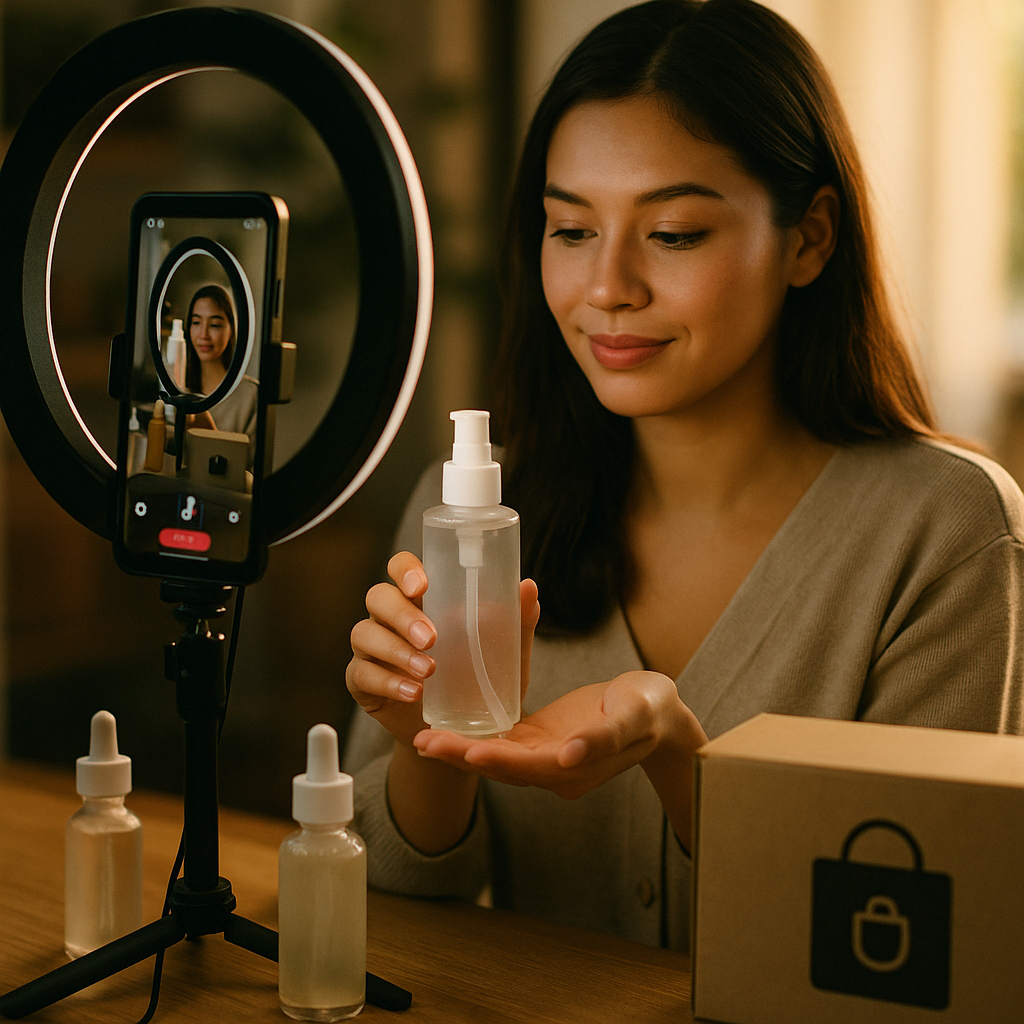
Most brands are running three commerce channels and zero commerce strategy
Social commerce revenue is projected to surpass $1.2 trillion globally, yet the average brand treats TikTok Shop, shoppable livestreams, and AI-powered shopping experiences as three separate experiments with three separate teams and zero shared infrastructure. That fragmentation is quietly killing your attribution confidence and your creator relationships. The unified commerce creator strategy fixes that.
Why Fragmentation Is a Revenue Problem, Not Just an Ops Problem
Here is what fragmented social commerce actually looks like in practice. A creator posts a TikTok Shop affiliate video. Two days later, your livestream agency books the same creator for a live selling event. Neither team knows the other did it. The creator receives conflicting briefs. The customer sees two different price points. Your attribution model counts the conversion twice.
This is not a hypothetical. According to eMarketer research, brands running disconnected social commerce touchpoints see attribution overlap rates that inflate reported ROAS by 30 to 45 percent. That means your finance team is approving budgets based on numbers that are, at best, optimistic and, at worst, fiction.
The operational cost compounds too. Creator briefing duplication, conflicting promotional windows, and platform-siloed reporting all pull headcount away from high-value work. Before you build the unified model, you need to accept that the problem is structural, not tactical.
The Architecture: One Operating Model, Three Commerce Surfaces
A unified commerce creator strategy is not about forcing every channel to behave the same way. TikTok Shop, livestream selling, and AI shopping experiences serve different purchase intents and require different creator behaviors. The goal is shared infrastructure underneath distinct channel execution.
Think of it as a three-layer model:
- Layer 1: Creator briefing architecture. A single source of truth for brand messaging, product positioning, promotional windows, and compliance requirements. Every creator touchpoint, regardless of channel, pulls from this central brief.
- Layer 2: Attribution framework. A shared measurement protocol that assigns credit across TikTok Shop affiliate links, livestream checkout events, and AI shopping recommendation clicks without double-counting.
- Layer 3: Creator roster governance. A system that tracks which creators are active across which surfaces, prevents conflicting activations, and manages exclusivity windows at the program level, not the campaign level.
Brands that have built this kind of creator ecosystem architecture report significantly faster campaign launch cycles and fewer costly creator conflicts. The infrastructure investment pays back within two to three program cycles.
Building the Creator Brief That Works Across Every Commerce Surface
The briefing problem is underrated. Most social commerce briefs are written for one format and one platform. When that same creator gets activated for a shoppable livestream six weeks later, the new brief contradicts the first one on pricing language, product hierarchy, or call-to-action. The creator is confused. The customer experience fractures.
A unified brief is not a longer brief. It is a modular one.
The core module covers brand voice, product truth claims, legal disclosures, and the promotional calendar. Channel-specific modules sit on top: TikTok Shop requires affiliate link protocols and short-form demonstration hooks; livestream requires pricing authority (can the creator negotiate on camera?), product sequencing, and co-host dynamics; AI shopping surfaces require structured product descriptions and keyword alignment for recommendation engine visibility.
The most operationally mature brands treat their creator brief as living product documentation, versioned and updated like software, not written once per campaign and abandoned.
If you are managing more than fifteen active creators across commerce surfaces, manual briefing at this level is not sustainable. Platforms like TikTok for Business now offer creator brief templates within their affiliate center, and tools like Grin and Aspire allow brand teams to build modular brief libraries. For brands scaling briefs across large creator networks, the process of scaling creator briefs without diluting brand voice is a documented operational discipline, not a creative instinct.
Shared Attribution: The Hardest Part, and the Most Important
Attribution across social commerce surfaces is genuinely hard because each platform wants credit for the conversion. TikTok’s attribution window defaults differ from Meta’s. Your livestream platform may only report last-click. AI shopping assistants (Google’s Shopping Graph, Amazon’s Rufus, TikTok’s own AI search layer) generate recommendation-driven traffic that has no creator affiliate tag attached.
The practical solution most enterprise brands are moving toward is a first-party data anchor combined with incrementality testing. Every creator activation, regardless of surface, is tied to a unique UTM structure and a corresponding promo code. The promo code captures offline and in-app conversions that pixel tracking misses. Incrementality tests, run quarterly at minimum, validate whether your social commerce creators are genuinely driving new revenue or simply capturing demand that would have converted anyway.
For AI shopping specifically, your AI search attribution model needs to account for recommendation-driven sessions separately. A customer who asks an AI assistant “what’s the best protein powder for recovery” and gets served your brand because a creator’s structured review content fed the training data is a different attribution event than a direct TikTok Shop affiliate click.
Common AI commerce mistakes brands make at this stage include treating AI shopping referrals as organic search and failing to trace the creator content that seeded the recommendation. That gap means your creator program looks less effective than it actually is.
The Roster Governance Layer Most Brands Skip
You have a creator who performs well on TikTok Shop affiliate. You also have a livestream agency that wants to book them for a 72-hour flash sale event. And your AI shopping team wants them to record structured product reviews for feed ingestion. Three valid requests. Zero coordination.
Roster governance is the system that prevents this from becoming a brand safety and relationship management failure. At minimum, it requires a shared CRM or creator management platform where every active creator record reflects current activation status, pending bookings, exclusivity windows, and channel performance history. Platforms like Grin, Influencer Hero, and Bazaarvoice’s Creator Commerce tools all support multi-surface creator tracking at the enterprise level.
The governance layer also protects creator relationships. High-performing creators notice when brands are disorganized. If you want long-term creator partnerships that compound in value over time, operational respect is a prerequisite. Creators talk to each other. Your reputation as a brand partner travels faster than your media spend.
Roster governance is not a back-office function. It is a competitive advantage in a market where top-performing commerce creators have more brand offers than available calendar slots.
What the Mature Operating Model Actually Looks Like
Brands at the leading edge of unified commerce are running what amounts to a creator commerce operations center: a small cross-functional team that owns the briefing library, the attribution framework, and the creator roster, with embedded contacts in each channel team (TikTok Shop, livestream, AI/search). This team does not execute campaigns. It maintains infrastructure and resolves conflicts before they become costly.
The team typically reports into either the VP of Commerce or the VP of Creator Marketing, depending on how the org is structured. The key is that it has authority to block conflicting activations, not just flag them.
Performance benchmarks worth tracking at the program level include: creator utilization rate across surfaces (what percentage of your active roster is activated on more than one commerce channel?), attribution overlap rate (what percentage of conversions are claimed by more than one channel?), and brief compliance score (are creators actually following the unified brief, or reverting to their own messaging?). For brands managing large-scale programs, the CPG attribution model provides a useful framework for structuring these metrics at scale.
The revenue attribution model you build for Reels and short-form video translates directly to TikTok Shop and livestream, with adjustments for checkout event tracking. Start there before building something bespoke.
For brands still building the business case internally, Sprout Social’s social commerce benchmarks and Statista’s creator economy data provide the external validation most finance teams need before approving infrastructure investment. The FTC’s endorsement guidelines also apply across every surface in this model, including AI-generated product recommendations surfaced from creator content, a compliance dimension most legal teams have not yet addressed.
Start with the attribution framework. It reveals where your current fragmentation is most expensive, and it gives you a data-backed justification for building everything else.
Frequently Asked Questions
What is a unified commerce creator strategy?
A unified commerce creator strategy is an operating model that connects TikTok Shop affiliate programs, shoppable livestream events, and AI-powered shopping experiences under shared infrastructure, including a centralized creator briefing system, a single attribution framework, and a creator roster governance layer. The goal is to eliminate siloed execution, reduce attribution overlap, and improve creator relationship management across all social commerce surfaces simultaneously.
How do you attribute revenue across TikTok Shop, livestream, and AI shopping?
The most reliable approach combines first-party data anchoring with incrementality testing. Each creator activation is assigned unique UTM parameters and a corresponding promo code to capture in-app and offline conversions that pixel tracking misses. AI shopping referrals require separate tracking logic, since recommendation-driven sessions often have no affiliate tag. Quarterly incrementality tests validate whether creator-driven social commerce is generating net-new revenue or cannibalizing demand from other channels.
What should a unified creator brief include for social commerce?
A unified creator brief should have a core module covering brand voice, product truth claims, legal disclosures per FTC guidelines, and the promotional calendar. On top of that core, channel-specific modules address the unique requirements of each surface: affiliate link protocols and hook formats for TikTok Shop, pricing authority and product sequencing for livestream, and structured product descriptions with keyword alignment for AI shopping recommendation engines.
How does creator roster governance work in practice?
Creator roster governance means maintaining a shared CRM or creator management platform where every active creator record reflects their current activation status, pending bookings, exclusivity windows, and cross-channel performance data. Tools like Grin, Aspire, and Influencer Hero support multi-surface tracking at the enterprise level. A governance team or function reviews and approves creator activations across all commerce channels before bookings are confirmed, preventing conflicting activations that damage both brand consistency and creator relationships.
Which brands or platforms are leading in unified social commerce?
On the platform side, TikTok’s integration of affiliate, livestream, and AI search into a single commerce layer within its app represents the most advanced native unified commerce environment available to brands. On the brand side, consumer goods companies with dedicated creator commerce operations teams, typically in CPG and beauty categories, are executing the most mature versions of this model. Tools like Grin, Bazaarvoice Creator Commerce, and Aspire are commonly used to support the operational infrastructure these programs require.
Top Influencer Marketing Agencies
The leading agencies shaping influencer marketing in 2026
Agencies ranked by campaign performance, client diversity, platform expertise, proven ROI, industry recognition, and client satisfaction. Assessed through verified case studies, reviews, and industry consultations.
Moburst

-
2

The Shelf
Boutique Beauty & Lifestyle Influencer AgencyA data-driven boutique agency specializing exclusively in beauty, wellness, and lifestyle influencer campaigns on Instagram and TikTok. Best for brands already focused on the beauty/personal care space that need curated, aesthetic-driven content.Clients: Pepsi, The Honest Company, Hims, Elf Cosmetics, Pure LeafVisit The Shelf → -
3

Audiencly
Niche Gaming & Esports Influencer AgencyA specialized agency focused exclusively on gaming and esports creators on YouTube, Twitch, and TikTok. Ideal if your campaign is 100% gaming-focused — from game launches to hardware and esports events.Clients: Epic Games, NordVPN, Ubisoft, Wargaming, Tencent GamesVisit Audiencly → -
4

Viral Nation
Global Influencer Marketing & Talent AgencyA dual talent management and marketing agency with proprietary brand safety tools and a global creator network spanning nano-influencers to celebrities across all major platforms.Clients: Meta, Activision Blizzard, Energizer, Aston Martin, WalmartVisit Viral Nation → -
5

The Influencer Marketing Factory
TikTok, Instagram & YouTube CampaignsA full-service agency with strong TikTok expertise, offering end-to-end campaign management from influencer discovery through performance reporting with a focus on platform-native content.Clients: Google, Snapchat, Universal Music, Bumble, YelpVisit TIMF → -
6

NeoReach
Enterprise Analytics & Influencer CampaignsAn enterprise-focused agency combining managed campaigns with a powerful self-service data platform for influencer search, audience analytics, and attribution modeling.Clients: Amazon, Airbnb, Netflix, Honda, The New York TimesVisit NeoReach → -
7

Ubiquitous
Creator-First Marketing PlatformA tech-driven platform combining self-service tools with managed campaign options, emphasizing speed and scalability for brands managing multiple influencer relationships.Clients: Lyft, Disney, Target, American Eagle, NetflixVisit Ubiquitous → -
8

Obviously
Scalable Enterprise Influencer CampaignsA tech-enabled agency built for high-volume campaigns, coordinating hundreds of creators simultaneously with end-to-end logistics, content rights management, and product seeding.Clients: Google, Ulta Beauty, Converse, AmazonVisit Obviously →