


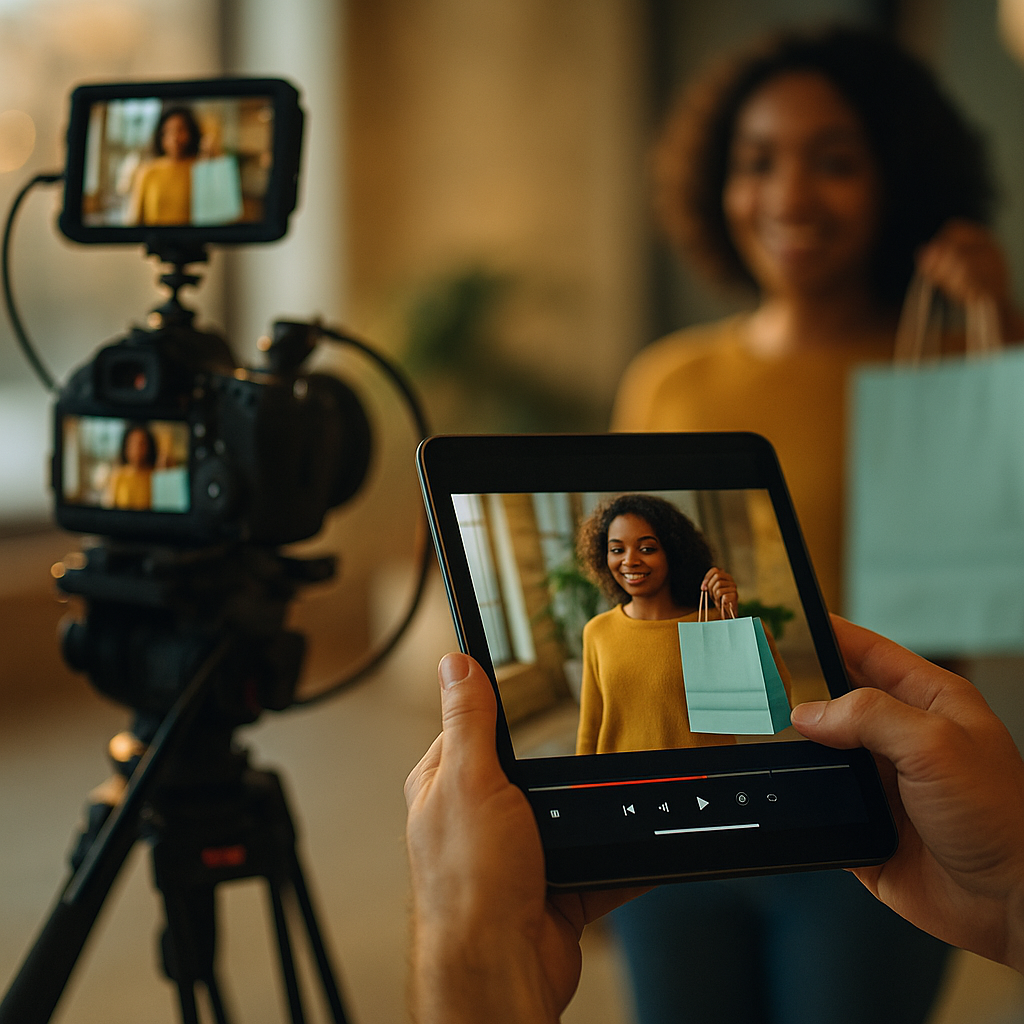
Brands spend an average of $2,500 to $25,000 per creator video, then use it exactly once. That’s not a media budget problem. It’s a briefing problem. If your usage-rights-ready video format isn’t built into the creative brief from day one, you’re paying for content you legally can’t repurpose — and torching margin on every single campaign.
Most influencer contracts still treat usage rights as an afterthought, something legal bolts on after the creative is shot. That’s backwards. The format, framing, and legal terms need to be co-designed before a single camera rolls. Get it right, and one creator shoot fuels paid social, landing pages, email, and even connected TV. Get it wrong, and you’re back in renegotiation mode every time performance marketing wants to scale a winning asset.
Why Usage Rights Break Down After the Shoot
Here’s the typical failure sequence. A brand briefs a creator for one organic TikTok post. The content performs. Paid media wants to boost it. Legal checks the contract and discovers the usage grant covers organic posting only, for 30 days, on TikTok. Now you’re emailing the creator’s agent, negotiating a new rate, and waiting two weeks for a signature while the trend cycle moves on.
According to eMarketer, brands that whitelist creator content for paid amplification see conversion rates 30-50% higher than standard brand-produced ads — but most contracts aren’t written to allow that whitelisting without a costly amendment.
The fix isn’t a better contract template. It’s a briefing process that treats usage rights and creative format as one decision, not two.
What “Usage-Rights-Ready” Actually Means
A usage-rights-ready video isn’t a special production style. It’s a set of format decisions, made upfront, that eliminate the need for reshoots or re-edits when the content moves from organic feed to paid placement or landing page hero.
That means:
- Vertical and horizontal safe zones shot simultaneously, so a 9:16 TikTok clip can be cropped to 1:1 or 16:9 without losing the subject or text overlay.
- Platform-agnostic captions burned in as editable layers, not baked into the raw footage, so brand teams can swap platform-specific CTAs.
- Clean cuts without platform UI — no native like buttons, comment overlays, or share icons baked into the export, which look sloppy on a landing page or in a paid unit.
- B-roll and alternate takes delivered as part of the raw asset package, not just the final cut, so editors can build 6-second bumpers or 15-second cutdowns later.
- Music and audio cleared for commercial use, not just platform-native trending sounds that carry licensing restrictions outside the app.
This last point trips up more brands than any other. A creator uses a trending audio clip that’s fine for organic reach but legally unusable once you push spend behind it. Confirm commercial audio licensing before the shoot, not during the paid media QA pass.
The Brief Template: Format Meets Legal
Your creative brief needs a section most templates skip entirely: a usage matrix. It should specify, in plain language, exactly where and how long the brand can use the content, and in what edited forms.
A working usage matrix answers:
- Which channels? Organic social, paid social, website/landing pages, email, connected TV, out-of-home. Name them explicitly. “Digital” is not a channel.
- How long? 90 days is common for paid whitelisting, 12 months for owned channels. Perpetual rights cost more but eliminate renewal friction for evergreen landing pages.
- What derivative formats? Can the brand cut a 15-second version from a 60-second video? Can they extract a still frame for a display ad? Spell it out.
- Whose likeness controls apply? If the creator’s face, voice, or name appears in paid ads, some jurisdictions require separate right-of-publicity clearance beyond standard content licensing.
- Geographic scope? A creator based in the UK may have contract language that doesn’t automatically extend to US paid campaigns. Confirm territory explicitly, especially for global brands running regional-language product demos across markets.
This isn’t glamorous work. But it’s the difference between a reusable asset library and a folder of clips you’re afraid to touch without calling legal first.
Shoot Once, Deploy Everywhere: The Production Checklist
Format flexibility has to be designed into the shoot day, not fixed in post. Here’s what that looks like on set.
Frame every shot with dual aspect ratios in mind. If the creator is doing a tabletop demo, keep the product and key action centered so it survives a crop from vertical to square. This is the same logic behind cross-format asset briefs for YouTube and TikTok — one setup, multiple platform-native outputs, no reshoot.
Capture clean audio separately from ambient sound. A landing page video often needs voiceover isolated from background noise for accessibility captions or dubbing into other languages later. Bundling audio into a single flattened track kills that flexibility.
Get extra hold time. Ask creators to hold a beat 2-3 seconds longer than feels natural after key lines. Editors need that buffer to build cutdowns without jump cuts that look amateurish in a paid unit.
Shoot a silent-safe version too. With more feed consumption happening on mute, especially in paid placements, text-forward framing matters. This overlaps directly with guidance in sound-off feed briefing — if your usage-rights video can’t communicate without audio, you’re limiting where it can run.
A single well-briefed creator shoot, structured for multi-format reuse, can generate 8-12 distinct assets: one hero video, three aspect ratio crops, two paid cutdowns, one landing page loop, and static frame grabs for display. That’s the ROI math that justifies higher upfront production spend.
Negotiating Rights Without Blowing the Budget
Creators and their agents know usage rights are valuable. Expect pushback if you’re asking for broad, perpetual, multi-channel rights at organic-only rates.
A few negotiation approaches that work in practice:
- Tiered pricing. Base rate for organic posting, a defined uplift (often 50-150% of base) for 60-90 day paid whitelisting, and a separate premium for perpetual owned-channel use.
- Performance-triggered extensions. Pay a lower upfront usage fee, with an automatic extension clause if the content hits a defined performance threshold (say, a 2% CTR in paid testing). This aligns creator incentive with brand upside.
- Bundled multi-asset deals. Negotiate usage rights across an entire content batch rather than piece by piece. If you’re running cross-platform amplification briefs, bundling usage terms for the whole deliverable set is far more efficient than negotiating rights clip by clip.
Whatever structure you choose, put it in writing with specificity. “Standard usage rights” means nothing without a defined term, channel list, and derivative-format clause. Vague contracts are the number one reason legal teams block last-minute whitelisting requests.
Compliance Doesn’t Disappear Just Because You Own the Rights
Owning usage rights doesn’t exempt a brand from disclosure requirements. If a creator’s content runs as a paid ad, FTC guidance still requires clear and conspicuous disclosure of the material connection, even in the whitelisted, brand-controlled version. Review the FTC’s endorsement guidelines before assuming a repurposed video is compliance-clean simply because you paid for it.
This is especially relevant for time-sensitive formats. If you’re repurposing creator content into countdown or urgency-driven ads, disclosure and urgency messaging both need to hold up under scrutiny, not just the usage license.
Platform-level rules add another layer. Meta’s Partnership Ads tool and TikTok’s Spark Ads product both have their own requirements for creator consent and attribution that operate independently of your private usage contract. Build both into your workflow, not just one.
Building the Reusable Asset Library
Once usage rights and format specs are locked, the real value compounds. A properly tagged, rights-cleared asset library turns influencer production from a one-off cost center into a standing content bank marketing can draw from for months.
Tag every asset with its usage window, approved channels, and expiration date inside your DAM (digital asset management) system. HubSpot’s content management resources outline solid frameworks for structuring this kind of metadata if you’re building the system from scratch. Set automated alerts 30 days before rights expire so performance marketing isn’t caught mid-flight with an asset that’s about to become legally unusable.
Review performance data quarterly and flag your top-performing rights-cleared assets for renewal before they lapse. The content that’s converting is exactly the content you don’t want to lose to a missed contract deadline.
Next step: audit your last five creator contracts against the usage matrix above. If even one lacks explicit channel, duration, and derivative-format language, that’s the gap costing you the most reusable content, and the easiest one to close before your next brief goes out.
FAQs
What does “usage rights” actually cover in an influencer contract?
Usage rights define where, how long, and in what edited forms a brand can use creator-produced content beyond its original organic post. This includes paid social whitelisting, website use, email, and derivative edits like cutdowns or cropped versions.
How much more should brands expect to pay for extended usage rights?
Paid whitelisting typically adds 50-150% on top of the base creative fee, depending on duration and channel scope. Perpetual, multi-channel rights command the highest premiums but eliminate renewal negotiations.
Can brands edit creator content once they own usage rights?
Only if the contract explicitly grants derivative-format rights. Without that clause, brands may be limited to using the content as originally delivered, which is why the usage matrix should specify allowed edits upfront.
Does owning usage rights remove FTC disclosure requirements?
No. Disclosure obligations apply based on the material connection between brand and creator, regardless of who owns the usage rights or where the content runs.
What’s the biggest mistake brands make with usage-rights-ready video?
Treating format and legal terms as separate workstreams. When usage rights are negotiated after the shoot, brands lose leverage and often end up paying more for rights they should have secured in the original brief.
FAQs
What does “usage rights” actually cover in an influencer contract?
Usage rights define where, how long, and in what edited forms a brand can use creator-produced content beyond its original organic post. This includes paid social whitelisting, website use, email, and derivative edits like cutdowns or cropped versions.
How much more should brands expect to pay for extended usage rights?
Paid whitelisting typically adds 50-150% on top of the base creative fee, depending on duration and channel scope. Perpetual, multi-channel rights command the highest premiums but eliminate renewal negotiations.
Can brands edit creator content once they own usage rights?
Only if the contract explicitly grants derivative-format rights. Without that clause, brands may be limited to using the content as originally delivered, which is why the usage matrix should specify allowed edits upfront.
Does owning usage rights remove FTC disclosure requirements?
No. Disclosure obligations apply based on the material connection between brand and creator, regardless of who owns the usage rights or where the content runs.
What’s the biggest mistake brands make with usage-rights-ready video?
Treating format and legal terms as separate workstreams. When usage rights are negotiated after the shoot, brands lose leverage and often end up paying more for rights they should have secured in the original brief.
Top Influencer Marketing Agencies
The leading agencies shaping influencer marketing in 2026
Agencies ranked by campaign performance, client diversity, platform expertise, proven ROI, industry recognition, and client satisfaction. Assessed through verified case studies, reviews, and industry consultations.
Moburst

-
2

The Shelf
Boutique Beauty & Lifestyle Influencer AgencyA data-driven boutique agency specializing exclusively in beauty, wellness, and lifestyle influencer campaigns on Instagram and TikTok. Best for brands already focused on the beauty/personal care space that need curated, aesthetic-driven content.Clients: Pepsi, The Honest Company, Hims, Elf Cosmetics, Pure LeafVisit The Shelf → -
3

Audiencly
Niche Gaming & Esports Influencer AgencyA specialized agency focused exclusively on gaming and esports creators on YouTube, Twitch, and TikTok. Ideal if your campaign is 100% gaming-focused — from game launches to hardware and esports events.Clients: Epic Games, NordVPN, Ubisoft, Wargaming, Tencent GamesVisit Audiencly → -
4

Viral Nation
Global Influencer Marketing & Talent AgencyA dual talent management and marketing agency with proprietary brand safety tools and a global creator network spanning nano-influencers to celebrities across all major platforms.Clients: Meta, Activision Blizzard, Energizer, Aston Martin, WalmartVisit Viral Nation → -
5

The Influencer Marketing Factory
TikTok, Instagram & YouTube CampaignsA full-service agency with strong TikTok expertise, offering end-to-end campaign management from influencer discovery through performance reporting with a focus on platform-native content.Clients: Google, Snapchat, Universal Music, Bumble, YelpVisit TIMF → -
6

NeoReach
Enterprise Analytics & Influencer CampaignsAn enterprise-focused agency combining managed campaigns with a powerful self-service data platform for influencer search, audience analytics, and attribution modeling.Clients: Amazon, Airbnb, Netflix, Honda, The New York TimesVisit NeoReach → -
7

Ubiquitous
Creator-First Marketing PlatformA tech-driven platform combining self-service tools with managed campaign options, emphasizing speed and scalability for brands managing multiple influencer relationships.Clients: Lyft, Disney, Target, American Eagle, NetflixVisit Ubiquitous → -
8

Obviously
Scalable Enterprise Influencer CampaignsA tech-enabled agency built for high-volume campaigns, coordinating hundreds of creators simultaneously with end-to-end logistics, content rights management, and product seeding.Clients: Google, Ulta Beauty, Converse, AmazonVisit Obviously →