


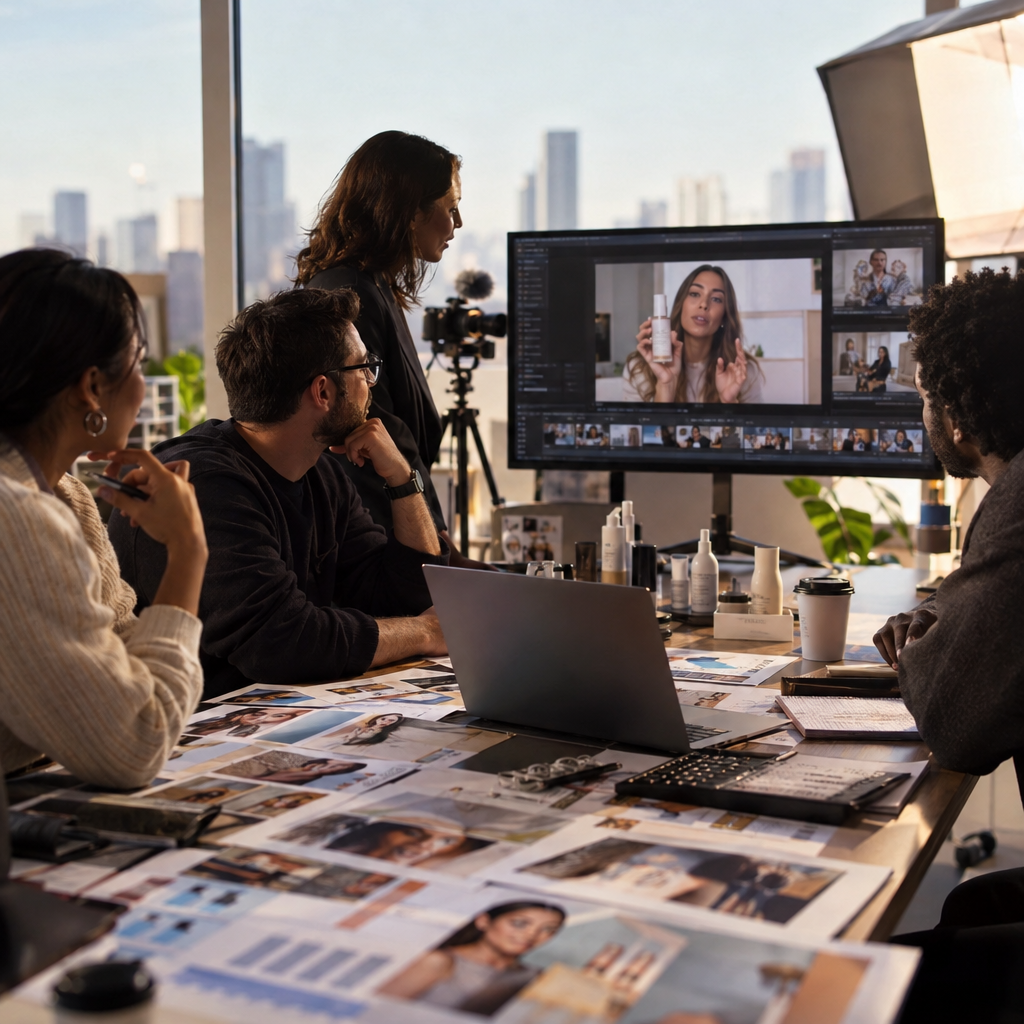
Static feed posts now get a fraction of the engagement they did three years ago, and brands have noticed. Recent platform data shows video content outperforming static images on conversion by a wide margin, and budget is following that signal fast. The video premium isn’t a trend anymore. It’s a reallocation event, and marketers who haven’t adjusted their influencer mix are quietly burning spend on a format algorithms no longer reward.
The Numbers Behind the Shift
Every major platform has rewritten its algorithm to favor video. TikTok built its entire business on it. Instagram has been nudging creators toward Reels for years, and the data on static carousel reach versus Reels reach isn’t close. eMarketer has tracked the steady decline in organic reach for static image posts across nearly every major platform, while short-form video has held or grown its share of impressions.
This isn’t just a vanity metrics story. Brands running influencer programs are watching conversion data, not just reach, and video wins there too. A product demo in motion answers objections a static photo simply can’t. Texture, sound, movement, a creator’s actual voice explaining why something works: these are persuasion tools that a flat image doesn’t have access to.
Brands that shifted more than 60 percent of influencer budget to video formats in the past year report meaningfully higher click-through and conversion rates than static-heavy campaigns, according to multiple agency benchmarking reports.
Why Static Posts Stopped Earning Their Keep
Static content isn’t dead. It still has a role in certain campaign moments: announcement posts, aesthetic brand building, catalog-style product grids. But as a primary driver of performance, it’s lost its seat at the table.
Part of this is algorithmic. Platforms simply distribute video more aggressively because it keeps users on the app longer, which is the metric platforms actually optimize for. Part of it is behavioral. Audiences, especially younger ones, scroll past static images faster than they used to. Attention spans haven’t necessarily shrunk, but competition for them has exploded. A static post has to work harder to earn a half-second pause, and most don’t.
There’s also a trust dimension. Video lets a creator demonstrate authenticity in ways a posed photo can’t fake as convincingly. Our earlier coverage on how trust beats reach in purchase intent lines up directly with this shift: video is simply a better trust-building medium, and trust is what converts.
What “Budget Share” Actually Means Here
When we say static posts are losing budget share, we mean something specific: brands aren’t necessarily cutting total influencer spend, they’re reallocating it within existing budgets. A brand that used to run 70 percent static, 30 percent video is now flipping that ratio, or going further. Some performance-focused advertisers have moved to video-only creator rosters entirely, treating static as a legacy format reserved for specific use cases like e-commerce catalog imagery.
This reallocation shows up in creator rate cards too. Creators who can produce strong short-form video, especially those comfortable with TikTok-native editing and pacing, are commanding premium rates compared to creators whose portfolios lean static. Our piece on how creator rates are climbing on TikTok specifically ties back to this exact dynamic: demand for video talent outpaces supply, so rates rise.
It also changes how brands structure deals. Retainer arrangements, which already favor creators who can produce consistent, platform-native video on a schedule, are becoming the default structure for serious influencer programs. Static one-off posts don’t lend themselves to that same operational rhythm, which is part of why retainer deals are overtaking one-offs across the industry.
The Production Cost Question
Here’s the objection every brand strategist raises at this point: isn’t video more expensive to produce? Not anymore, or at least not as dramatically as it used to be. AI-assisted editing tools, mobile-first production workflows, and creators who’ve built their entire skill set around fast-turnaround video have compressed costs significantly. Our analysis of how UGC production costs have dropped shows brands can now test dozens of video angles for what a single polished static shoot used to cost.
That said, video still requires more planning than a photo post. Scripting, pacing, hooks in the first three seconds, these are skills not every creator has mastered. Brands need to vet for video competency specifically, not just assume a creator with strong static content will translate well to motion.
Where This Leaves Compliance and Measurement Teams
Video’s rise complicates two things brands already struggle with: disclosure compliance and attribution. Static posts are easy to review. A single image, a caption, a hashtag check against FTC endorsement guidelines, done. Video adds spoken disclosures, on-screen text timing, and platform-specific labeling requirements that reviewers have to catch in real time while watching footage, not just skimming a caption.
This has forced legal and compliance teams to rebuild how they review creator content before it goes live, a shift covered in depth in our piece on how 48-hour review cycles are reshaping legal workflows. Video simply takes longer to vet properly, and brands that haven’t adjusted their review timelines are either bottlenecking campaigns or skipping steps they shouldn’t.
Measurement has its own wrinkle. Video generates richer engagement signals, watch time, replay rate, sound-on percentage, but brands still need to tie those signals to actual business outcomes. The broader industry move away from vanity reach metrics toward conversion-based measurement makes this easier, but it requires tooling most brands didn’t need when static posts dominated the mix. Platforms like Sprout Social and native analytics from Meta Business Suite and TikTok Ads Manager have all expanded video-specific reporting in response to demand.
Commerce Is the Real Accelerant
None of this happens in a vacuum. The video premium is accelerating partly because commerce is moving onto the same surfaces where video lives. TikTok Shop, Instagram’s shoppable Reels, and similar formats on other platforms mean video isn’t just a top-of-funnel awareness tool anymore. It’s a direct path to purchase, often within the same scroll session.
That shift is documented well in our coverage of how native commerce is replacing organic posts as the creator default. When the content format and the purchase path are the same thing, static images simply can’t compete. A product demo video with a shoppable tag closes the loop in a way a static post with a swipe-up link never could.
This also explains why one piece of video content now does more work than it used to. Brands are repurposing a single creator video across TikTok Shop, paid social, and even messaging channels, a workflow explored in our article on how one UGC asset fuels multiple channels. That kind of multi-platform efficiency is much harder to replicate with a static image, which rarely holds up outside its original format.
What Brands Should Actually Do About It
None of this means abandoning static content entirely. It means being deliberate about where it still earns its place.
- Audit current influencer budget allocation and compare it against actual conversion data by format, not just engagement rate.
- Reserve static content for specific use cases: product catalog imagery, announcement posts, or evergreen brand aesthetic content.
- Vet creators specifically for video competency, including hook-writing and editing skill, not just static portfolio quality.
- Rebuild compliance review timelines to account for the added complexity of reviewing spoken and on-screen video disclosures.
- Shift toward retainer structures with creators who can produce video consistently, rather than one-off static posts.
Brands that treat this as a budget line adjustment rather than a wholesale strategy rebuild tend to move faster and with less internal friction. Start with a pilot: move one campaign’s format mix toward video-heavy, measure it against a static-heavy control, and let the conversion data settle the internal debate. For more detail on how smaller test batches reduce risk before a full rollout, see our piece on how small creator batches derisk campaigns before scaling spend.
Frequently Asked Questions
Why are static influencer posts losing budget share?
Platform algorithms now favor video for distribution, and video consistently converts better than static images in performance data. Brands are following the conversion signal, not abandoning static content out of preference but because it underperforms relative to video in most direct comparisons.
Does this mean brands should stop using static posts entirely?
No. Static content still works for specific purposes like product catalog imagery, announcements, and evergreen aesthetic posts. The shift is about proportion, not elimination. Most brands are simply weighting their format mix more heavily toward video than they did a few years ago.
Is video content more expensive to produce than static posts?
It used to be, but costs have dropped significantly thanks to AI-assisted editing tools and creators who specialize in fast-turnaround, platform-native video. Many brands now find they can produce multiple video variations for roughly what a single polished static photoshoot used to cost.
How does the video premium affect compliance and disclosure requirements?
Video adds complexity to disclosure review because teams need to check spoken mentions, on-screen text timing, and platform-specific labeling, not just a caption. Brands typically need to extend review timelines and retrain legal teams to review motion content properly.
What should brands measure to confirm the video premium applies to their own campaigns?
Compare conversion rate, click-through rate, and cost per acquisition by content format rather than relying on engagement rate or reach alone. Running a controlled pilot with both formats side by side gives the clearest internal evidence before committing to a full budget shift.
Top Influencer Marketing Agencies
The leading agencies shaping influencer marketing in 2026
Agencies ranked by campaign performance, client diversity, platform expertise, proven ROI, industry recognition, and client satisfaction. Assessed through verified case studies, reviews, and industry consultations.
Moburst

-
2

The Shelf
Boutique Beauty & Lifestyle Influencer AgencyA data-driven boutique agency specializing exclusively in beauty, wellness, and lifestyle influencer campaigns on Instagram and TikTok. Best for brands already focused on the beauty/personal care space that need curated, aesthetic-driven content.Clients: Pepsi, The Honest Company, Hims, Elf Cosmetics, Pure LeafVisit The Shelf → -
3

Audiencly
Niche Gaming & Esports Influencer AgencyA specialized agency focused exclusively on gaming and esports creators on YouTube, Twitch, and TikTok. Ideal if your campaign is 100% gaming-focused — from game launches to hardware and esports events.Clients: Epic Games, NordVPN, Ubisoft, Wargaming, Tencent GamesVisit Audiencly → -
4

Viral Nation
Global Influencer Marketing & Talent AgencyA dual talent management and marketing agency with proprietary brand safety tools and a global creator network spanning nano-influencers to celebrities across all major platforms.Clients: Meta, Activision Blizzard, Energizer, Aston Martin, WalmartVisit Viral Nation → -
5

The Influencer Marketing Factory
TikTok, Instagram & YouTube CampaignsA full-service agency with strong TikTok expertise, offering end-to-end campaign management from influencer discovery through performance reporting with a focus on platform-native content.Clients: Google, Snapchat, Universal Music, Bumble, YelpVisit TIMF → -
6

NeoReach
Enterprise Analytics & Influencer CampaignsAn enterprise-focused agency combining managed campaigns with a powerful self-service data platform for influencer search, audience analytics, and attribution modeling.Clients: Amazon, Airbnb, Netflix, Honda, The New York TimesVisit NeoReach → -
7

Ubiquitous
Creator-First Marketing PlatformA tech-driven platform combining self-service tools with managed campaign options, emphasizing speed and scalability for brands managing multiple influencer relationships.Clients: Lyft, Disney, Target, American Eagle, NetflixVisit Ubiquitous → -
8

Obviously
Scalable Enterprise Influencer CampaignsA tech-enabled agency built for high-volume campaigns, coordinating hundreds of creators simultaneously with end-to-end logistics, content rights management, and product seeding.Clients: Google, Ulta Beauty, Converse, AmazonVisit Obviously →