


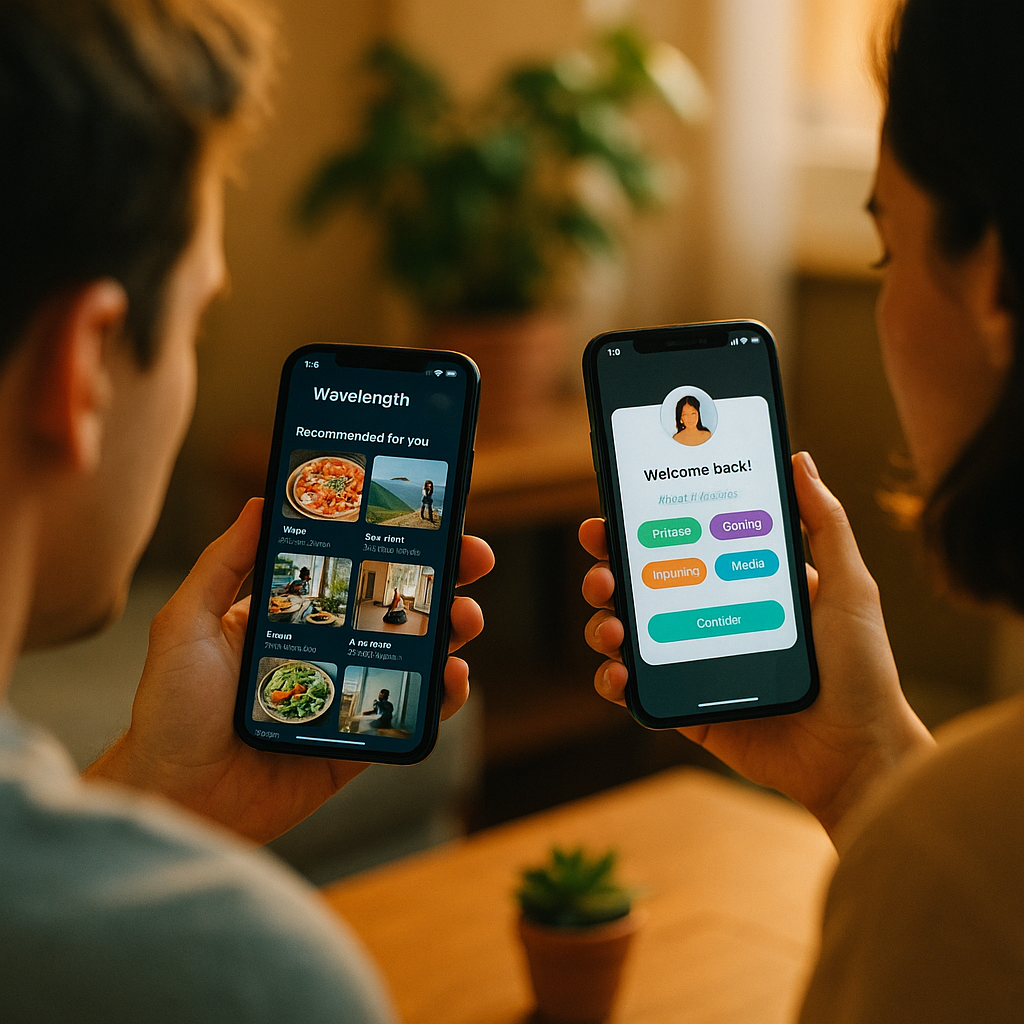
Only 17% of marketers say their personalization is actually “real time,” according to recent eMarketer research on martech adoption. Everyone else is running batch segments and calling it dynamic. If you’re evaluating a real time personalization engine right now, you’ve likely narrowed the field to two very different philosophies: ActiveCampaign Wavelength and Attentive AI Grow. One is an automation platform bolting on AI. The other is an AI layer that grew out of SMS. Picking wrong means months of wasted integration work.
Two Products, Two Very Different Origin Stories
ActiveCampaign Wavelength didn’t appear out of nowhere. It’s the natural extension of a CRM and email automation platform that’s spent over a decade building customer journey logic. Wavelength adds a machine learning layer on top of that existing automation backbone, scoring intent signals and adjusting content, offers, and send timing based on predicted behavior rather than static rules.
Attentive AI Grow comes from the opposite direction. Attentive built its reputation on SMS and email conversion, and Grow is the AI expansion of that core: predictive send timing, message personalization, and audience prioritization layered onto a channel that’s already proven itself for last-mile conversion. If you want the deeper mechanics of how that timing model actually works (and where brands get burned), we already broke it down in our AI Grow timing analysis.
The real question isn’t which tool has “better AI.” It’s whether your existing customer data lives in a CRM-first world or a messaging-first world, because that’s where each platform’s personalization logic actually starts.
Where Wavelength Wins: Full Funnel Context
Wavelength’s biggest structural advantage is that it sits inside a system that already knows the customer’s full lifecycle. Email opens, site visits, deal stages, past purchases. That context feeds directly into its predictive scoring, which means the personalization isn’t limited to a single channel. A brand running email, SMS, and on-site content through ActiveCampaign can theoretically get one coherent personalization layer across all three.
That’s meaningful for B2B-adjacent brands and mid-market ecommerce companies that don’t want to stitch together five point solutions. It also plays nicely with existing CRM investments. If your team has already debated which CRM fits your creator and customer data stack, Wavelength’s value proposition depends heavily on how clean that underlying data already is. Garbage in, garbage personalization out. No AI model fixes a CRM full of duplicate contacts and stale tags.
The tradeoff: Wavelength’s real time claims are slightly softer than Attentive’s. Its predictions update on a rolling basis tied to automation triggers, not always in the sub-second window that “real time” implies to a strict definition. For brands running high-velocity flash sales or live events, that lag matters.
Where AI Grow Wins: Speed and Channel Focus
Attentive built AI Grow specifically for the moment-to-moment decisions that SMS and email conversion depend on. Should this message go out now, in six hours, or tomorrow morning? Grow’s models are trained narrowly on send timing and message variant performance, and narrow focus tends to produce sharper predictions than a generalist model trying to cover every channel at once.
Brands with high SMS volume, think DTC apparel, beauty, and subscription boxes, tend to see faster lift from Grow because the model isn’t diluted across use cases it wasn’t built for. Sprout Social’s benchmarking work on messaging engagement consistently shows that timing precision moves the needle more than message content in high-frequency channels, which lines up with why Attentive doubled down on timing specifically.
The catch is scope. AI Grow is exceptional at what it does, but it doesn’t extend personalization into your on-site experience or your longer nurture sequences the way Wavelength attempts to. You’re buying a scalpel, not a Swiss Army knife.
The Data Quality Problem Nobody Mentions in the Demo
Every vendor demo looks incredible with clean, complete customer data. Reality is messier. If your first-party data has gaps (missing purchase history, fragmented identity across devices, inconsistent opt-in records) both platforms will underperform their pitch decks.
This is where identity resolution becomes the unsexy but critical prerequisite. We’ve covered this exact gap in the context of creator attribution, and the same principle applies to personalization engines: fragmented identity data breaks AI predictions before the AI even gets a chance to prove itself. Before signing a contract with either vendor, audit how unified your customer profiles actually are across email, SMS, and purchase systems. If the answer is “not very,” budget for a cleanup sprint first.
A personalization engine is only as good as the identity graph feeding it. Spend the first month on data hygiene, not model tuning.
Compliance Isn’t Optional, and It Looks Different for Each Platform
SMS carries stricter regulatory exposure than email, full stop. Attentive AI Grow’s timing predictions still have to respect quiet hours, consent records, and opt-out logic mandated under TCPA-style rules, and the FTC’s guidance on automated messaging makes clear that “the algorithm decided” is not a defense against a compliance violation. Any brand leaning on Grow’s predictive send timing needs a human review layer, not just trust in the model.
ActiveCampaign’s exposure runs more toward email deliverability and data privacy handling across regions, particularly if you’re operating under GDPR-adjacent frameworks. The ICO’s guidance on automated decision-making is worth a read regardless of which tool you pick, since both platforms make automated content decisions that could technically fall under that scrutiny depending on your market.
If your legal team hasn’t yet built a formal AI vendor evaluation process, this is the moment to fix that. We laid out a practical scorecard for exactly this scenario in our AI agent vendor evaluation framework, and it applies just as cleanly to personalization tools as it does to broader AI stacks.
What the Pricing Actually Signals
Neither vendor publishes granular AI-tier pricing publicly, which is standard for this category but still worth calling out. ActiveCampaign tends to gate Wavelength features behind higher-tier plans priced around contact volume, meaning cost scales with your list size regardless of how much you actually use the predictive features. Attentive’s AI Grow pricing typically ties to message volume and account tier, which can get expensive fast for brands running aggressive SMS cadences.
The practical implication: model your projected usage before you sign, not after. A brand with a large but low-engagement email list might overpay for Wavelength’s contact-based pricing. A brand blasting SMS multiple times a week might hit Attentive’s volume tiers faster than expected. Ask both vendors for a 90-day usage projection based on your actual historical send data, not their example account.
A Simple Framework for Making the Call
- Choose Wavelength if your personalization needs span multiple channels and you already have a reasonably clean CRM foundation.
- Choose AI Grow if SMS and email conversion timing is your primary lever and you’re comfortable managing a narrower scope tool alongside other systems.
- Choose neither, yet if your customer identity data is fragmented across systems. Fix that first, per HubSpot’s data management benchmarks, before layering AI on top of it.
- Pilot before you commit to an annual contract. Both vendors offer shorter trial windows that reveal integration friction you won’t see in a sales demo.
One more thing worth saying plainly: don’t let a single vendor’s roadmap dictate your entire personalization strategy. The market is moving fast, and lock-in with either platform makes it harder to adopt whatever comes next. Keep integration modular where you can.
Frequently Asked Questions
Is ActiveCampaign Wavelength truly real time, or is it near real time?
Wavelength updates predictions on a rolling basis tied to automation triggers rather than continuous sub-second processing. For most email and cross-channel use cases that’s sufficient, but brands running flash sales or live events may notice slight lag compared to a dedicated messaging-first engine.
Can Attentive AI Grow handle personalization outside of SMS and email?
Not currently. AI Grow is purpose-built around messaging timing and content variant selection. Brands wanting on-site or app personalization typically need to pair it with a separate tool, which is a key reason some teams lean toward Wavelength’s broader scope instead.
Do either of these platforms replace the need for a CDP?
No. Both work better with clean, unified customer data feeding them, but neither is a full customer data platform. Think of them as decision layers sitting on top of your existing data infrastructure, not a replacement for it.
What’s the biggest compliance risk with AI-driven send timing?
Automated timing decisions can inadvertently violate quiet-hour rules or consent requirements if not monitored closely. Regulators have made clear that automation doesn’t shield brands from liability, so a human review checkpoint remains essential regardless of which platform you use.
How long should a pilot run before committing to a full contract?
Sixty to ninety days is typically enough to see meaningful lift data across a few campaign cycles, while still short enough to avoid getting locked into pricing tiers before you’ve validated actual performance against your historical baseline.
The bottom line: pick the tool that matches where your data already lives, run a real pilot with your own historical numbers, and don’t sign a 12-month contract until you’ve stress-tested compliance and pricing against your actual send volume, not the vendor’s example dashboard.
Frequently Asked Questions
Is ActiveCampaign Wavelength truly real time, or is it near real time?
Wavelength updates predictions on a rolling basis tied to automation triggers rather than continuous sub-second processing. For most email and cross-channel use cases that’s sufficient, but brands running flash sales or live events may notice slight lag compared to a dedicated messaging-first engine.
Can Attentive AI Grow handle personalization outside of SMS and email?
Not currently. AI Grow is purpose-built around messaging timing and content variant selection. Brands wanting on-site or app personalization typically need to pair it with a separate tool, which is a key reason some teams lean toward Wavelength’s broader scope instead.
Do either of these platforms replace the need for a CDP?
No. Both work better with clean, unified customer data feeding them, but neither is a full customer data platform. Think of them as decision layers sitting on top of your existing data infrastructure, not a replacement for it.
What’s the biggest compliance risk with AI-driven send timing?
Automated timing decisions can inadvertently violate quiet-hour rules or consent requirements if not monitored closely. Regulators have made clear that automation doesn’t shield brands from liability, so a human review checkpoint remains essential regardless of which platform you use.
How long should a pilot run before committing to a full contract?
Sixty to ninety days is typically enough to see meaningful lift data across a few campaign cycles, while still short enough to avoid getting locked into pricing tiers before you’ve validated actual performance against your historical baseline.
Top Influencer Marketing Agencies
The leading agencies shaping influencer marketing in 2026
Agencies ranked by campaign performance, client diversity, platform expertise, proven ROI, industry recognition, and client satisfaction. Assessed through verified case studies, reviews, and industry consultations.
Moburst

-
2

The Shelf
Boutique Beauty & Lifestyle Influencer AgencyA data-driven boutique agency specializing exclusively in beauty, wellness, and lifestyle influencer campaigns on Instagram and TikTok. Best for brands already focused on the beauty/personal care space that need curated, aesthetic-driven content.Clients: Pepsi, The Honest Company, Hims, Elf Cosmetics, Pure LeafVisit The Shelf → -
3

Audiencly
Niche Gaming & Esports Influencer AgencyA specialized agency focused exclusively on gaming and esports creators on YouTube, Twitch, and TikTok. Ideal if your campaign is 100% gaming-focused — from game launches to hardware and esports events.Clients: Epic Games, NordVPN, Ubisoft, Wargaming, Tencent GamesVisit Audiencly → -
4

Viral Nation
Global Influencer Marketing & Talent AgencyA dual talent management and marketing agency with proprietary brand safety tools and a global creator network spanning nano-influencers to celebrities across all major platforms.Clients: Meta, Activision Blizzard, Energizer, Aston Martin, WalmartVisit Viral Nation → -
5

The Influencer Marketing Factory
TikTok, Instagram & YouTube CampaignsA full-service agency with strong TikTok expertise, offering end-to-end campaign management from influencer discovery through performance reporting with a focus on platform-native content.Clients: Google, Snapchat, Universal Music, Bumble, YelpVisit TIMF → -
6

NeoReach
Enterprise Analytics & Influencer CampaignsAn enterprise-focused agency combining managed campaigns with a powerful self-service data platform for influencer search, audience analytics, and attribution modeling.Clients: Amazon, Airbnb, Netflix, Honda, The New York TimesVisit NeoReach → -
7

Ubiquitous
Creator-First Marketing PlatformA tech-driven platform combining self-service tools with managed campaign options, emphasizing speed and scalability for brands managing multiple influencer relationships.Clients: Lyft, Disney, Target, American Eagle, NetflixVisit Ubiquitous → -
8

Obviously
Scalable Enterprise Influencer CampaignsA tech-enabled agency built for high-volume campaigns, coordinating hundreds of creators simultaneously with end-to-end logistics, content rights management, and product seeding.Clients: Google, Ulta Beauty, Converse, AmazonVisit Obviously →