


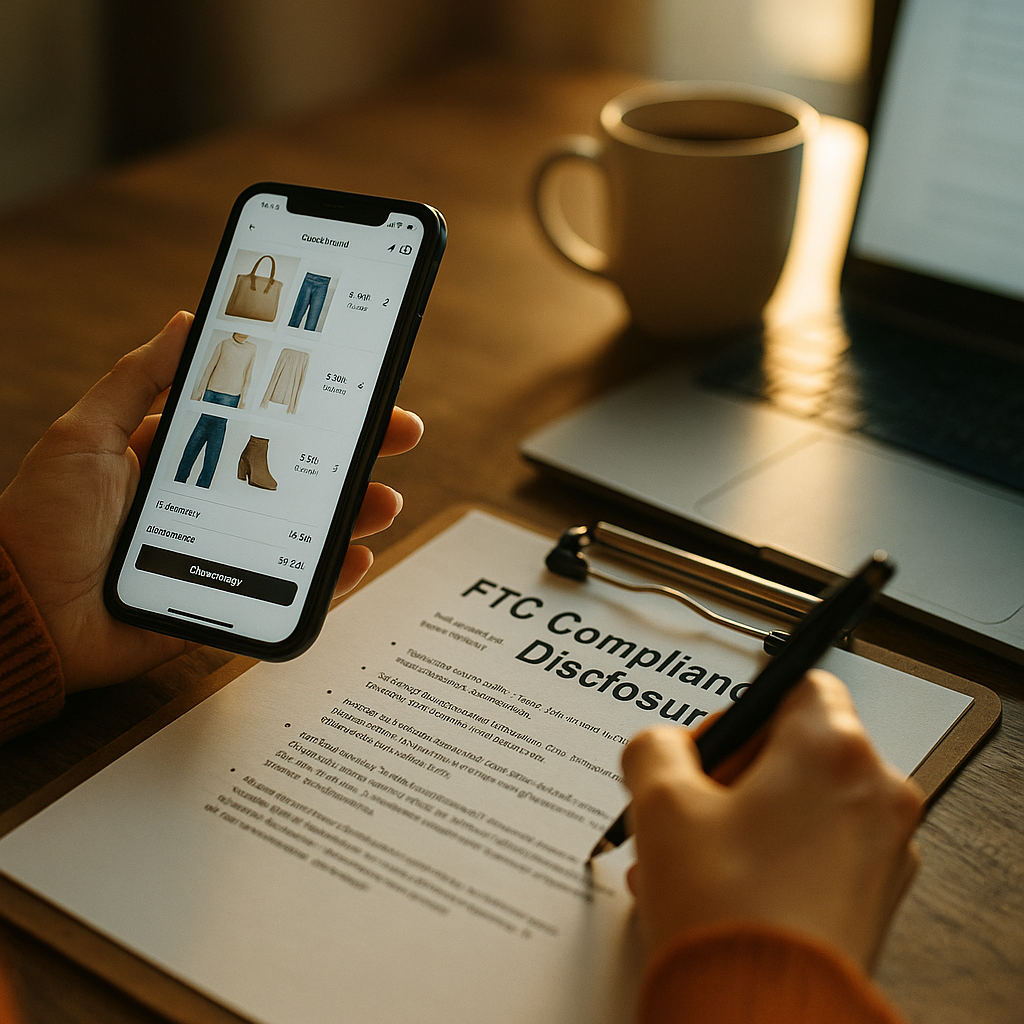
Grocery hauls generate billions of views a year, yet most CPG brands still treat influencer partnerships like static product placements. The ‘What’s in My Cart’ format flips that script: real-time purchase reveals, unscripted receipts, and the kind of casual credibility no polished ad can fake. Ready to brief it right?
Why This Format Works When Traditional Grocery Ads Don’t
Shoppers don’t trust grocery advertising. They trust other shoppers. That’s the entire premise behind cart-reveal content, and it’s why the format has quietly become one of the highest-converting genres in the CPG influencer playbook.
The mechanics are simple. A creator films themselves unloading a grocery bag, scanning receipts, or walking through a cart on a delivery app, narrating choices in real time. No script. No brand voiceover. Just “here’s what I bought and why.” That authenticity is the entire value proposition, and it’s measurable: eMarketer research continues to show that unscripted, creator-led commerce content outperforms traditional display in both engagement and purchase intent for grocery categories.
A cart reveal isn’t an ad for a product. It’s proof that a real person chose your product over twelve competitors sitting on the same shelf.
Compare that to a traditional CPG spot, where the product is the hero and the shopper is invisible. Cart-reveal format inverts it. The shopper is the hero, and the product wins by association — through the halo of trust the creator has already built with their audience.
The Brief: What to Actually Give Creators
Here’s where most brand teams get it wrong. They send creators a full script, a shot list, and brand guidelines thick enough to kill authenticity before filming even starts. The ‘What’s in My Cart’ format demands the opposite: structure without scripting.
A working creative brief should include:
- Purchase parameters, not purchase scripts. Tell the creator which product categories or SKUs must appear in the cart, and let them choose the rest organically.
- Reveal cadence. Specify whether the video should show items as they’re unpacked, scanned via receipt, or added to a digital cart in real time.
- Commentary prompts, not commentary lines. Give creators questions to answer on camera (“Why’d you pick this over the store brand?”) instead of dialogue to recite.
- Disclosure placement. Non-negotiable, and it needs to be baked into the brief from day one, not bolted on after the edit.
- Price and promo visibility rules. If a discount code or price point appears on screen, define exactly how long it must stay visible and whether it needs a verbal callout.
Keep the brief to one page. If it’s longer, you’re asking for a commercial, not a cart reveal.
Real-Time Means Real Receipts — And Real Compliance Risk
“Real-time” is the format’s biggest selling point and its biggest liability. When a creator shows an actual receipt, an actual price, and an actual purchase decision, the FTC’s endorsement guidelines apply in full force. That means clear, unambiguous disclosure of any material connection, whether it’s a paid partnership, gifted product, or affiliate commission baked into the “deal” being shown.
Brands that skip this step aren’t just risking a warning letter. They’re risking the very authenticity the format depends on. Audiences are sharp enough now to smell an undisclosed partnership from a mile away, and when they catch one, the backlash hits the brand harder than the creator.
A few compliance guardrails worth building into every cart-reveal brief:
- Require #ad or #sponsored in the first three seconds of on-screen text, not buried in a caption.
- If pricing is shown, it must reflect the actual price paid at checkout, not a brand-supplied “suggested retail” number.
- Gifted product carts need the same disclosure rigor as paid partnerships. The FTC doesn’t distinguish based on payment method.
- Loop legal or compliance into the brief review, not just the final cut. Catching an issue post-publish costs more than catching it pre-shoot.
For teams building a broader library of FTC-safe formats, it’s worth studying how other purchase-reveal concepts handle disclosure, like the price-tag reveal format or the algorithmic receipt format, both of which wrestle with similar real-number, real-time transparency issues.
Choosing Creators: Nano and Micro Beat Mega Every Time
This is not a celebrity format. A mega-influencer showing off a $400 grocery haul reads as a flex, not a recommendation. Nano and micro creators — the ones with 5,000 to 50,000 followers who actually shop at the store they’re filming in — carry far more purchase-decision weight per dollar spent.
Sprout Social’s creator engagement data consistently shows smaller accounts driving disproportionately high engagement rates precisely because their audience sees them as peers, not aspirational figures. Grocery is a peer-trust category. Nobody wants shopping advice from someone with a private chef.
If your team has already worked with nano-creators on similar concepts, the sourcing and vetting process should look familiar. It mirrors the approach outlined in the grocery-aisle walkthrough format, which covers how to brief creators who shop the aisles themselves rather than reciting brand talking points.
A quick vetting checklist for cart-reveal creators:
- Do they genuinely shop the category, or are they a lifestyle creator being shoehorned into groceries?
- Does their past content show natural product mentions, or does everything read as sponsored?
- What’s their average comment sentiment on food and household content? Pull the last ten posts before signing anything.
Platform Selection: TikTok Shop, Instagram, or Both?
TikTok Shop has become the default home for cart-reveal content, largely because the in-app checkout closes the loop between reveal and purchase in a single tap. TikTok’s advertising platform supports native shoppable tagging inside creator videos, which means a viewer watching a cart reveal can buy the exact SKU without leaving the app.
Instagram Reels still performs well for cart-reveal content, but conversion tends to route through link-in-bio or affiliate codes rather than native checkout, adding friction that TikTok has largely engineered away.
If your grocery brand isn’t running cart-reveal content through a shoppable platform, you’re generating awareness and leaving the conversion on the table.
For brands running multi-platform campaigns, it’s worth building the cart-reveal concept into a broader content system rather than treating it as a one-off. The logic behind the package-deal creative brief — shooting once and cutting for multiple formats — applies neatly here. A single grocery haul session can yield a TikTok Shop video, an Instagram Reel, and a Stories sequence without tripling production cost.
Measuring What Actually Matters
Views are vanity. For this format, the metrics that matter are basket-level: click-through to product page, add-to-cart rate, and — where TikTok Shop or affiliate tracking allows — actual conversion tied to the specific creator video. HubSpot’s guidance on influencer attribution is a useful baseline for setting up UTM structures and affiliate codes before the campaign launches, not after.
Also worth tracking: repeat purchase behavior among viewers who convert from a cart-reveal video. If a grocery brand only sees one-time purchases and no repeat rate lift, the format is driving curiosity, not loyalty. That’s a signal to revisit product-market fit messaging, not necessarily the creative format itself.
A simple measurement framework:
- Pre-launch: set baseline conversion rate for the SKU across existing paid channels.
- Campaign window: track click-through, add-to-cart, and completed purchase by creator and by platform.
- 30-day post: measure repeat purchase rate among converted customers versus the brand’s average repeat rate.
- 90-day post: assess whether creator-driven customers show higher lifetime value than customers acquired through paid search or display.
Run a small pilot with three to five nano-creators, lock disclosure language before a single frame is shot, and track add-to-cart rate as your primary success metric — not views. Scale only what converts.
FAQs
What makes the ‘What’s in My Cart’ format different from a standard product review?
A standard review evaluates a single product in isolation. Cart-reveal content shows a real basket of purchases, giving viewers context on how a product fits into an actual shopping routine alongside competitors, staples, and impulse buys. That context is what builds trust.
Do gifted products still require disclosure in cart-reveal videos?
Yes. The FTC’s endorsement guidelines require disclosure of any material connection, including free or discounted product, regardless of whether money changed hands. Disclosure rules apply the same way they would to a paid sponsorship.
Which platform performs best for grocery cart-reveal content?
TikTok Shop generally leads for direct conversion because of native in-video checkout. Instagram Reels can still drive strong engagement, but typically requires an affiliate link or bio link, adding an extra step for the shopper.
How many creators should a brand start with for a pilot?
Three to five nano or micro creators is a reasonable pilot size. It’s enough to compare performance across different audiences and shopping habits without overcommitting budget before you’ve validated the format for your category.
Can this format work for non-food CPG categories like household or personal care?
Yes. The format has expanded well beyond food into household goods, personal care, and even pet products, since the core appeal — real purchase decisions from a trusted peer — isn’t food-specific. The briefing principles stay consistent across categories.
FAQs
What makes the ‘What’s in My Cart’ format different from a standard product review?
A standard review evaluates a single product in isolation. Cart-reveal content shows a real basket of purchases, giving viewers context on how a product fits into an actual shopping routine alongside competitors, staples, and impulse buys. That context is what builds trust.
Do gifted products still require disclosure in cart-reveal videos?
Yes. The FTC’s endorsement guidelines require disclosure of any material connection, including free or discounted product, regardless of whether money changed hands. Disclosure rules apply the same way they would to a paid sponsorship.
Which platform performs best for grocery cart-reveal content?
TikTok Shop generally leads for direct conversion because of native in-video checkout. Instagram Reels can still drive strong engagement, but typically requires an affiliate link or bio link, adding an extra step for the shopper.
How many creators should a brand start with for a pilot?
Three to five nano or micro creators is a reasonable pilot size. It’s enough to compare performance across different audiences and shopping habits without overcommitting budget before you’ve validated the format for your category.
Can this format work for non-food CPG categories like household or personal care?
Yes. The format has expanded well beyond food into household goods, personal care, and even pet products, since the core appeal — real purchase decisions from a trusted peer — isn’t food-specific. The briefing principles stay consistent across categories.
Top Influencer Marketing Agencies
The leading agencies shaping influencer marketing in 2026
Agencies ranked by campaign performance, client diversity, platform expertise, proven ROI, industry recognition, and client satisfaction. Assessed through verified case studies, reviews, and industry consultations.
Moburst

-
2

The Shelf
Boutique Beauty & Lifestyle Influencer AgencyA data-driven boutique agency specializing exclusively in beauty, wellness, and lifestyle influencer campaigns on Instagram and TikTok. Best for brands already focused on the beauty/personal care space that need curated, aesthetic-driven content.Clients: Pepsi, The Honest Company, Hims, Elf Cosmetics, Pure LeafVisit The Shelf → -
3

Audiencly
Niche Gaming & Esports Influencer AgencyA specialized agency focused exclusively on gaming and esports creators on YouTube, Twitch, and TikTok. Ideal if your campaign is 100% gaming-focused — from game launches to hardware and esports events.Clients: Epic Games, NordVPN, Ubisoft, Wargaming, Tencent GamesVisit Audiencly → -
4

Viral Nation
Global Influencer Marketing & Talent AgencyA dual talent management and marketing agency with proprietary brand safety tools and a global creator network spanning nano-influencers to celebrities across all major platforms.Clients: Meta, Activision Blizzard, Energizer, Aston Martin, WalmartVisit Viral Nation → -
5

The Influencer Marketing Factory
TikTok, Instagram & YouTube CampaignsA full-service agency with strong TikTok expertise, offering end-to-end campaign management from influencer discovery through performance reporting with a focus on platform-native content.Clients: Google, Snapchat, Universal Music, Bumble, YelpVisit TIMF → -
6

NeoReach
Enterprise Analytics & Influencer CampaignsAn enterprise-focused agency combining managed campaigns with a powerful self-service data platform for influencer search, audience analytics, and attribution modeling.Clients: Amazon, Airbnb, Netflix, Honda, The New York TimesVisit NeoReach → -
7

Ubiquitous
Creator-First Marketing PlatformA tech-driven platform combining self-service tools with managed campaign options, emphasizing speed and scalability for brands managing multiple influencer relationships.Clients: Lyft, Disney, Target, American Eagle, NetflixVisit Ubiquitous → -
8

Obviously
Scalable Enterprise Influencer CampaignsA tech-enabled agency built for high-volume campaigns, coordinating hundreds of creators simultaneously with end-to-end logistics, content rights management, and product seeding.Clients: Google, Ulta Beauty, Converse, AmazonVisit Obviously →