


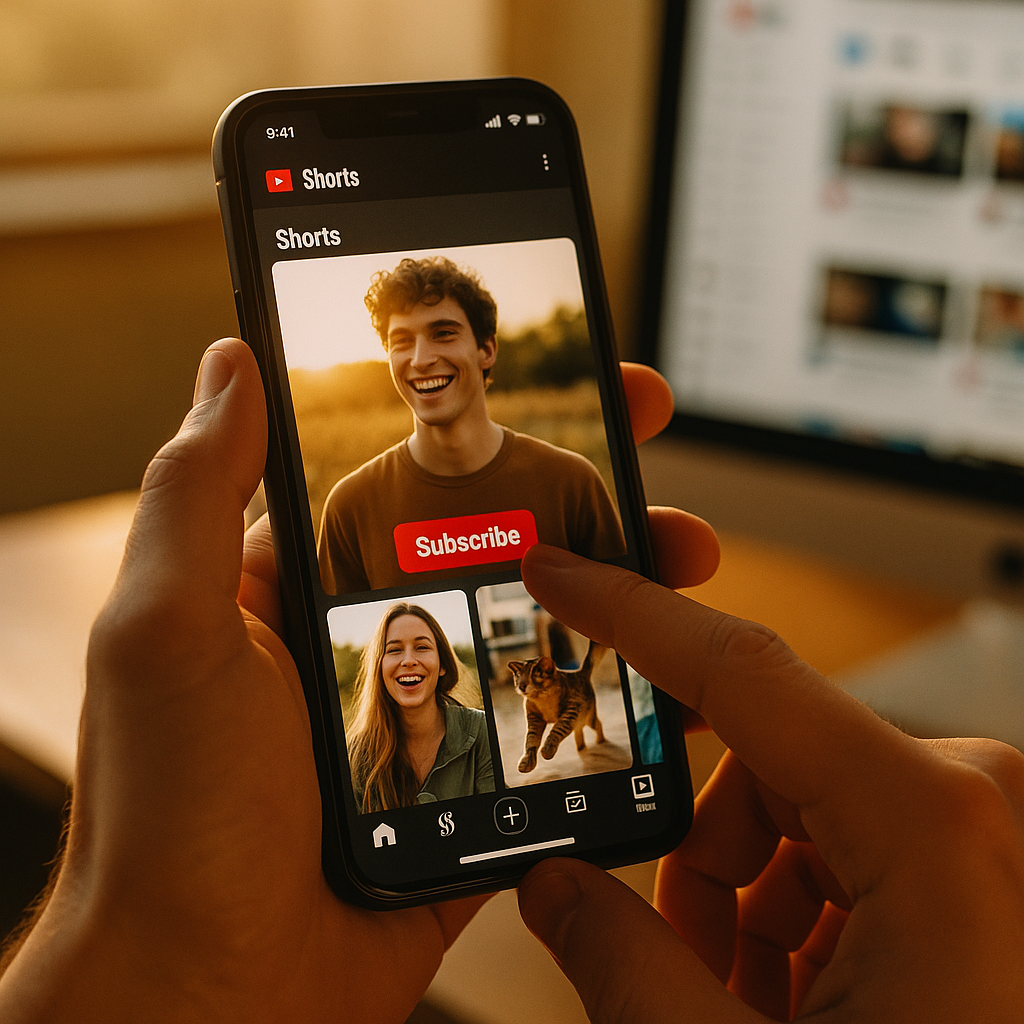
YouTube now serves over 200 billion daily Shorts views, yet most brand channels treat every Short as a one-off lottery ticket. That’s the problem. A single viral Short does nothing for retention if there’s no next episode waiting. A real YouTube Shorts playlist strategy turns disconnected hits into a binge loop that converts casual scrollers into subscribers who show up on purpose.
Why Isolated Shorts Are a Growth Ceiling
Here’s the uncomfortable truth: virality without structure is just noise. A Short can rack up two million views and still contribute almost nothing to subscriber growth if there’s no obvious next step for the viewer. YouTube’s own recommendation system increasingly rewards session length, not single-video performance. If a viewer watches one Short and bounces, that’s a weak signal. If they watch four in a row because they’re chasing a series arc, that’s a strong one.
This mirrors what’s already happening across the broader Shorts ecosystem. As covered in our breakdown of how the Shorts algorithm now rewards retention over volume, YouTube has been quietly deprioritizing accounts that post high volume with low session depth. Playlists are the most underused lever for fixing that.
A Shorts playlist isn’t a content bucket. It’s a retention machine disguised as a content bucket.
What a Converting Playlist Actually Looks Like
Most brand channels build playlists the lazy way: dump every Short into “Our Videos” and call it done. That’s not a strategy, that’s a filing cabinet. A playlist built for conversion needs three things baked in from episode one:
- A visible arc. Viewers need to sense there’s a beginning, middle, and payoff across the series, even if each episode is 30 seconds.
- Consistent structural cues. Same intro beat, same title format, same on-screen text style. Pattern recognition is what makes someone tap “next” instead of exiting to the feed.
- A subscribe trigger tied to the arc, not the brand. “Subscribe to see if she gets the refund” converts better than “Subscribe for more content.” Specificity beats vague loyalty asks every time.
Think of it like serialized TV, not a highlight reel. Netflix doesn’t autoplay random episodes from different shows. Your channel shouldn’t either.
Series Formats That Actually Hold Attention
Not every format survives the jump from single Shorts to playlist series. The ones that work tend to share a narrow, repeatable premise:
- Problem-of-the-week series: one customer pain point per episode, same host, same resolution structure.
- Before/after transformation series: especially strong for beauty, fitness, and home brands where visual progress drives curiosity.
- Myth-debunking series: a recurring “is this true?” hook format that B2B and finance brands have used well.
- Behind-the-build series: product development, sourcing, or founder-story arcs that reward long-term watchers with insider payoff.
The common thread: each episode should work as a standalone Short, but reward viewers who watch in sequence. That’s the binge mechanic. Nobody should feel lost jumping in at episode six, but episode six should hit harder if you’ve seen episode one.
Structuring the Playlist Itself
Playlist order matters more than most teams assume. YouTube auto-suggests the next video in a playlist during Shorts playback, and that placement decision is entirely yours to control. A few operational rules:
- Order chronologically by release, not by performance. Reshuffling for “best first” kills the narrative logic that makes people stick around.
- Keep individual playlists under 15-20 episodes. Long-running series should split into seasons, mirroring how streaming platforms package content.
- Title each playlist with a searchable, specific phrase. “Skincare Myths Debunked” outperforms “Skincare Series” in both search and suggested placement.
- Pin the playlist to your channel’s featured section during the active posting window, then rotate it out once the series wraps.
Pacing inside each episode matters just as much as pacing across the playlist. If your hooks are built for real-time viewing, they may fall flat once viewers start speed-watching through a series. Our piece on redesigning hooks and pacing for 2x speed viewing is worth reviewing before you lock a series format, since binge-watchers frequently crank playback speed once they’re three episodes deep.
Brief Your Creators Like Showrunners, Not Freelancers
This is where most brand-creator partnerships fall apart. Agencies brief creators episode by episode, treating each Short as an isolated deliverable. That approach can’t produce a coherent series. If you’re working with creators on a Shorts series, the brief needs to function like a mini show bible: character consistency, recurring visual motifs, a rough episode count, and a clear resolution point.
Contract structure matters here too. Bundling episodes into a single retainer, rather than paying per Short, gives creators room to plan pacing across the arc instead of optimizing each video in isolation for individual performance. There’s a useful parallel in how brands have restructured UGC deals for TikTok Shop, detailed in how to structure UGC bundling contracts that save costs. The logic transfers directly to Shorts series production.
The Subscription Conversion Mechanics
Playlists don’t convert subscribers by accident. The mechanism is specific: viewers who watch multiple episodes in one session develop what YouTube’s own creator guidance calls “channel familiarity,” and channel familiarity is the single strongest predictor of subscription in Shorts-first viewing behavior, according to Google’s creator support resources. Translation: the third or fourth episode a viewer watches matters more for conversion than the first.
That means your subscribe ask shouldn’t live on episode one. It should live on episode three or four, once curiosity has compounded. Front-loading the CTA on the cold-open episode is a rookie mistake; viewers haven’t earned enough investment yet to act on it.
Episode one earns attention. Episode four earns the subscribe button. Design your CTAs accordingly.
Measuring What Actually Matters
Vanity metrics lie about series performance. View count tells you almost nothing about whether the playlist structure is working. What to track instead:
- Session watch time per viewer, not per video. YouTube Analytics breaks this out under Audience retention if you filter by playlist.
- Playlist completion rate. What percentage of viewers who start episode one make it to the final episode?
- Subscribe conversion by episode position. This tells you exactly where in the arc your CTA is landing hardest.
- Return viewership on new episode drops. A healthy series sees returning viewers spike within 48 hours of a new episode, similar to livestream premiere behavior discussed in our coverage of how long-form YouTube and livestreams build brand trust.
If completion rate craters after episode two, that’s not a marketing problem, that’s a format problem. Fix the arc before you fix the promotion.
Where Brands Get the Sequencing Wrong
The most common failure mode isn’t bad content, it’s bad sequencing logic. Brands often release episodes in a burst, three Shorts in one day, then go quiet for two weeks. That kills the binge mechanic entirely because there’s no ongoing reason to subscribe. Compare that to how eMarketer’s creator economy research frames sustained short-form engagement: consistency of release cadence outperforms burst posting for long-term subscriber retention, even when total output is identical.
A weekly cadence, same day and time, trains the algorithm and the audience simultaneously. It’s the same discipline that works for shoppable Shorts formats, covered in our guide to the shoppable commerce playbook for Shorts and LinkedIn video. Predictability is the underrated growth lever nobody wants to talk about because it’s boring. Boring works.
Next Step
Audit your last ten Shorts: if fewer than half belong to a visible playlist with a recurring premise, you’re leaving subscriber growth on the table. Pick one format, commit to six weekly episodes, and brief it like a season, not six separate assignments.
Frequently Asked Questions
How many episodes should a YouTube Shorts series have before I measure results?
Give a series at least six episodes before judging performance. Playlist momentum and algorithmic recommendation strength both build gradually, and early episodes typically underperform later ones as channel familiarity grows.
Should every Short be part of a playlist?
No. One-off trend-jacking content can still work outside a series structure. But your core growth content, the recurring formats built for subscriber conversion, should almost always live inside a defined playlist.
What’s the ideal posting cadence for a Shorts series?
Weekly, same day and time, works best for most brand channels. It mirrors episodic viewing habits without the production burden of daily posting.
Does playlist order affect YouTube’s algorithm?
Yes. YouTube uses playlist sequencing to inform autoplay and suggested-next recommendations within Shorts playback, which directly affects session length and completion metrics.
How do I brief creators for a multi-episode series instead of single Shorts?
Provide a show bible: recurring visual motifs, character or host consistency, rough episode count, and a resolution point. Bundle payment across the series rather than per video to encourage pacing decisions that serve the whole arc.
Frequently Asked Questions
How many episodes should a YouTube Shorts series have before I measure results?
Give a series at least six episodes before judging performance. Playlist momentum and algorithmic recommendation strength both build gradually, and early episodes typically underperform later ones as channel familiarity grows.
Should every Short be part of a playlist?
No. One-off trend-jacking content can still work outside a series structure. But your core growth content, the recurring formats built for subscriber conversion, should almost always live inside a defined playlist.
What’s the ideal posting cadence for a Shorts series?
Weekly, same day and time, works best for most brand channels. It mirrors episodic viewing habits without the production burden of daily posting.
Does playlist order affect YouTube’s algorithm?
Yes. YouTube uses playlist sequencing to inform autoplay and suggested-next recommendations within Shorts playback, which directly affects session length and completion metrics.
How do I brief creators for a multi-episode series instead of single Shorts?
Provide a show bible: recurring visual motifs, character or host consistency, rough episode count, and a resolution point. Bundle payment across the series rather than per video to encourage pacing decisions that serve the whole arc.
Top Influencer Marketing Agencies
The leading agencies shaping influencer marketing in 2026
Agencies ranked by campaign performance, client diversity, platform expertise, proven ROI, industry recognition, and client satisfaction. Assessed through verified case studies, reviews, and industry consultations.
Moburst

-
2

The Shelf
Boutique Beauty & Lifestyle Influencer AgencyA data-driven boutique agency specializing exclusively in beauty, wellness, and lifestyle influencer campaigns on Instagram and TikTok. Best for brands already focused on the beauty/personal care space that need curated, aesthetic-driven content.Clients: Pepsi, The Honest Company, Hims, Elf Cosmetics, Pure LeafVisit The Shelf → -
3

Audiencly
Niche Gaming & Esports Influencer AgencyA specialized agency focused exclusively on gaming and esports creators on YouTube, Twitch, and TikTok. Ideal if your campaign is 100% gaming-focused — from game launches to hardware and esports events.Clients: Epic Games, NordVPN, Ubisoft, Wargaming, Tencent GamesVisit Audiencly → -
4

Viral Nation
Global Influencer Marketing & Talent AgencyA dual talent management and marketing agency with proprietary brand safety tools and a global creator network spanning nano-influencers to celebrities across all major platforms.Clients: Meta, Activision Blizzard, Energizer, Aston Martin, WalmartVisit Viral Nation → -
5

The Influencer Marketing Factory
TikTok, Instagram & YouTube CampaignsA full-service agency with strong TikTok expertise, offering end-to-end campaign management from influencer discovery through performance reporting with a focus on platform-native content.Clients: Google, Snapchat, Universal Music, Bumble, YelpVisit TIMF → -
6

NeoReach
Enterprise Analytics & Influencer CampaignsAn enterprise-focused agency combining managed campaigns with a powerful self-service data platform for influencer search, audience analytics, and attribution modeling.Clients: Amazon, Airbnb, Netflix, Honda, The New York TimesVisit NeoReach → -
7

Ubiquitous
Creator-First Marketing PlatformA tech-driven platform combining self-service tools with managed campaign options, emphasizing speed and scalability for brands managing multiple influencer relationships.Clients: Lyft, Disney, Target, American Eagle, NetflixVisit Ubiquitous → -
8

Obviously
Scalable Enterprise Influencer CampaignsA tech-enabled agency built for high-volume campaigns, coordinating hundreds of creators simultaneously with end-to-end logistics, content rights management, and product seeding.Clients: Google, Ulta Beauty, Converse, AmazonVisit Obviously →