


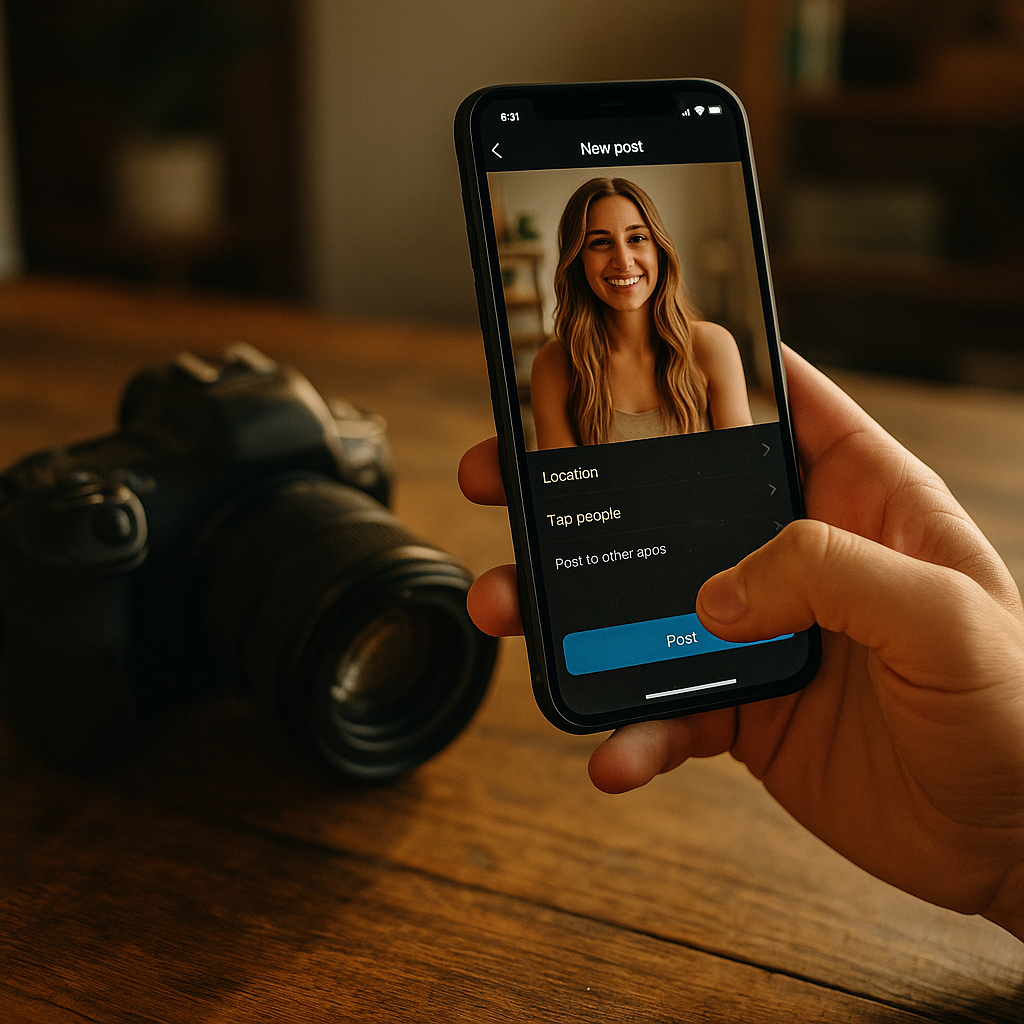
More than half of Americans who once posted regularly on social platforms have quietly stopped. A recent Pew-adjacent consumer survey put the number at 55%, and it’s not a blip — it’s a structural shift in the creator supply chain that brands have built entire media plans around. If you’re sourcing creators the way you did eighteen months ago, you’re bidding on a shrinking pool, and your CPMs already know it.
This isn’t a story about platform fatigue alone. It’s about the economics of content creation shifting under everyone’s feet, and what that means for how much brands now pay to get quality creator content produced, approved, and distributed.
The Contraction Is Real, and It’s Not Evenly Distributed
Casual posting has collapsed faster than professional creation. The people dropping off aren’t the mid-tier creators brands actually pay — they’re the everyday users who used to post vacation photos, react to trends, or share opinions without any commercial intent. That baseline noise is disappearing. Feeds are getting quieter, but they’re also getting more professionalized.
Here’s the catch: that professionalization doesn’t mean more supply for brands. It means the remaining creators know their leverage has increased, and they’re pricing accordingly. Fewer casual posters means less organic discovery, less algorithmic churn, and fewer new faces entering the mid-tier creator pipeline that brands rely on for scalable, affordable campaigns.
When 55% of casual posters step back, the remaining creator supply doesn’t just shrink — it consolidates power into a smaller group that can now name its price.
Contrast this with the fake-follower problem the industry has spent years fighting. We already know roughly 37% of creator followers are fake, which means the real, addressable creator base was already smaller than headline numbers suggested. Now overlay a genuine supply contraction on top of an inflated-follower problem, and brand sourcing teams are working with a much thinner slice of usable talent than dashboards imply.
Why Are People Posting Less?
A few forces are converging at once, and none of them are temporary.
- Platform fatigue and algorithm anxiety. Creators and casual users alike are tired of chasing formats that change every quarter. Meta’s own attribution shifts toward engagement over reach have made posting feel like a moving target rather than a reliable channel (engagement now beats reach) for anyone measuring success.
- Privacy fatigue. Fewer people want to share personal moments publicly when data practices feel opaque. This tracks with broader consumer hesitation around sharing data for personalized experiences — the instinct to pull back is the same one driving reduced organic posting.
- AI content saturation. When feeds fill with synthetic or AI-assisted content, some users disengage rather than compete with it. Others simply don’t see the point of adding to the noise.
- Monetization or nothing. A growing share of former casual posters have decided that if they’re not getting paid, they’re not posting. This is the clearest signal of the shift from hobbyist creation to a labor market.
That last point matters most for brands. It means the “organic” layer of the creator economy, the unpaid enthusiasts who created social proof and cultural texture, is thinning out. What’s left is increasingly transactional.
The Sourcing Cost Math Brands Now Face
Fewer active creators means more competition for the ones who remain. That’s basic supply and demand, and it’s already showing up in day rates, retainer negotiations, and agency sourcing timelines. Brands report longer vetting cycles, higher minimums from mid-tier creators, and more pushback on usage rights.
Consider what this does to a typical campaign budget. If your sourcing team previously had a pool of 500 viable creators in a given niche and that pool contracts by even 20%, you’re not just paying more per creator, you’re also spending more time and headcount finding them. This is exactly the dynamic behind the industry’s broader shift toward the creator middle class and retainer-based relationships: brands are locking in supply now because they expect it to get scarcer and pricier later.
It also explains why so many teams are re-running the build-versus-buy calculation. The cost math between integrated and dedicated creator content looks very different when the talent pool shrinks — dedicated, exclusive creator relationships suddenly look cheaper than constantly re-sourcing from a thinning open market.
Quality Compensates for Quantity, But Not for Free
Here’s the silver lining, if you squint. The creators who remain active tend to be more intentional, more skilled at storytelling, and more consistent in output. Data on creator storytelling driving 22% longer watch time supports this: audiences respond to craft, and craft usually survives supply contractions better than volume content does.
But craft costs money. A creator who used to post five times a week for the love of it, and occasionally took a paid gig, now treats every post as a commercial decision. That mental shift alone raises baseline rates, even before you factor in scarcity premiums. Brands that built sourcing strategies around a large, cheap, semi-professional creator base are discovering that base has largely evaporated.
The creators still posting aren’t doing it for free anymore, and they know exactly what leverage a shrinking market gives them.
What This Means for Vetting and Fraud Risk
Scarcity breeds shortcuts, and shortcuts breed fraud. As the legitimate creator pool contracts, brands under pressure to hit content quotas may be tempted to lower their vetting standards just to fill campaign slots. That’s precisely the wrong move.
This is where fake-follower risk and supply contraction start compounding each other dangerously. If over a third of followers across the creator landscape are fake, and the real supply of active creators is shrinking further, brands are at higher risk of overpaying for inflated or inactive accounts simply because the “real” options feel harder to find. Vetting budgets need to grow, not shrink, exactly when sourcing pressure is highest.
Smart teams are pairing tighter vetting with faster approval workflows to offset rising costs elsewhere. AI-assisted content checks that cut campaign approval time are one practical lever: if you can’t easily lower price per creator, you can at least lower the operational overhead around each one.
Platform Concentration Makes This Worse
Fewer active creators, combined with algorithmic pressure to consolidate on fewer platforms, means brands are increasingly fishing in the same small pond as competitors. YouTube’s durability advantage, its longer content shelf life compared to short-form feeds, is pulling more brand budget toward a platform where competition for top creators is already fierce. That concentration effect amplifies the sourcing cost problem instead of solving it.
Industry-wide creator spend has already crossed $12 billion and become core media budget, not an experimental line item. That level of institutional spend chasing a contracting supply pool is a textbook inflationary setup. Expect rate cards to keep climbing faster than campaign volume, at least for the next few cycles.
How Brands Should Respond, Practically
You can’t manufacture more creators. But you can change how you source, budget, and structure relationships to absorb the shock.
- Shift budget from one-off gigs to retainers. Locking in a smaller roster of reliable creators protects you from spot-market price spikes.
- Increase vetting spend, not just sourcing spend. Verify engagement authenticity before committing budget, especially with new-to-you creators entering a tighter market.
- Diversify beyond the obvious platforms. If everyone’s chasing the same YouTube and TikTok talent, look at where emerging platform data shows underexploited creator communities.
- Reframe content ROI around engagement, not reach. Paying a premium makes more sense when you’re measuring against retail media-grade ROI metrics instead of vanity reach numbers.
- Build internal creator pipelines. Some brands are cultivating employee-creators or micro-ambassador programs to reduce dependence on the open market entirely.
None of this reverses the contraction. But it does change how exposed your budget is to it. Brands that treat this as a temporary blip will keep getting outbid by brands treating it as the new baseline.
Frequently Asked Questions
FAQs: Creator Supply Contraction and Sourcing Costs
What does it mean that 55% of Americans are posting less?
It refers to survey data showing a majority of social media users have reduced how often they post original content, whether photos, videos, or status updates, compared to prior years. This affects casual, unpaid posting far more than professional creator activity.
Why does creator supply contraction raise brand sourcing costs?
Fewer active creators means less competition among creators for brand deals and more competition among brands for creator attention. That imbalance pushes rates, vetting timelines, and negotiation costs upward across the board.
Is this trend affecting all platforms equally?
No. Casual, low-effort posting is declining fastest on legacy feed-based platforms, while more durable, search-friendly formats like long-form YouTube content are holding up better, which is shifting brand budget concentration.
How should brands adjust sourcing budgets in response?
Prioritize retainer relationships over one-off bookings, increase vetting spend to avoid fraud in a scarcer market, and measure success with engagement and retail-media-grade metrics rather than reach alone.
Does the fake-follower problem make supply contraction worse?
Yes. With an estimated 37% of followers across the creator landscape being fake, the pool of genuinely active, trustworthy creators was already smaller than headline numbers suggest. Real supply contraction compounds that existing scarcity.
Will creator rates keep rising?
Most sourcing data points that direction in the near term. Institutional creator spend has already surpassed $12 billion annually and continues climbing, while the active creator base is shrinking, a combination that typically sustains upward price pressure.
Next step: Audit your current creator roster this quarter, flag who’s irreplaceable, and move those relationships to retainers before the next rate-card cycle prices you out of them.
Top Influencer Marketing Agencies
The leading agencies shaping influencer marketing in 2026
Agencies ranked by campaign performance, client diversity, platform expertise, proven ROI, industry recognition, and client satisfaction. Assessed through verified case studies, reviews, and industry consultations.
Moburst

-
2

The Shelf
Boutique Beauty & Lifestyle Influencer AgencyA data-driven boutique agency specializing exclusively in beauty, wellness, and lifestyle influencer campaigns on Instagram and TikTok. Best for brands already focused on the beauty/personal care space that need curated, aesthetic-driven content.Clients: Pepsi, The Honest Company, Hims, Elf Cosmetics, Pure LeafVisit The Shelf → -
3

Audiencly
Niche Gaming & Esports Influencer AgencyA specialized agency focused exclusively on gaming and esports creators on YouTube, Twitch, and TikTok. Ideal if your campaign is 100% gaming-focused — from game launches to hardware and esports events.Clients: Epic Games, NordVPN, Ubisoft, Wargaming, Tencent GamesVisit Audiencly → -
4

Viral Nation
Global Influencer Marketing & Talent AgencyA dual talent management and marketing agency with proprietary brand safety tools and a global creator network spanning nano-influencers to celebrities across all major platforms.Clients: Meta, Activision Blizzard, Energizer, Aston Martin, WalmartVisit Viral Nation → -
5

The Influencer Marketing Factory
TikTok, Instagram & YouTube CampaignsA full-service agency with strong TikTok expertise, offering end-to-end campaign management from influencer discovery through performance reporting with a focus on platform-native content.Clients: Google, Snapchat, Universal Music, Bumble, YelpVisit TIMF → -
6

NeoReach
Enterprise Analytics & Influencer CampaignsAn enterprise-focused agency combining managed campaigns with a powerful self-service data platform for influencer search, audience analytics, and attribution modeling.Clients: Amazon, Airbnb, Netflix, Honda, The New York TimesVisit NeoReach → -
7

Ubiquitous
Creator-First Marketing PlatformA tech-driven platform combining self-service tools with managed campaign options, emphasizing speed and scalability for brands managing multiple influencer relationships.Clients: Lyft, Disney, Target, American Eagle, NetflixVisit Ubiquitous → -
8

Obviously
Scalable Enterprise Influencer CampaignsA tech-enabled agency built for high-volume campaigns, coordinating hundreds of creators simultaneously with end-to-end logistics, content rights management, and product seeding.Clients: Google, Ulta Beauty, Converse, AmazonVisit Obviously →