


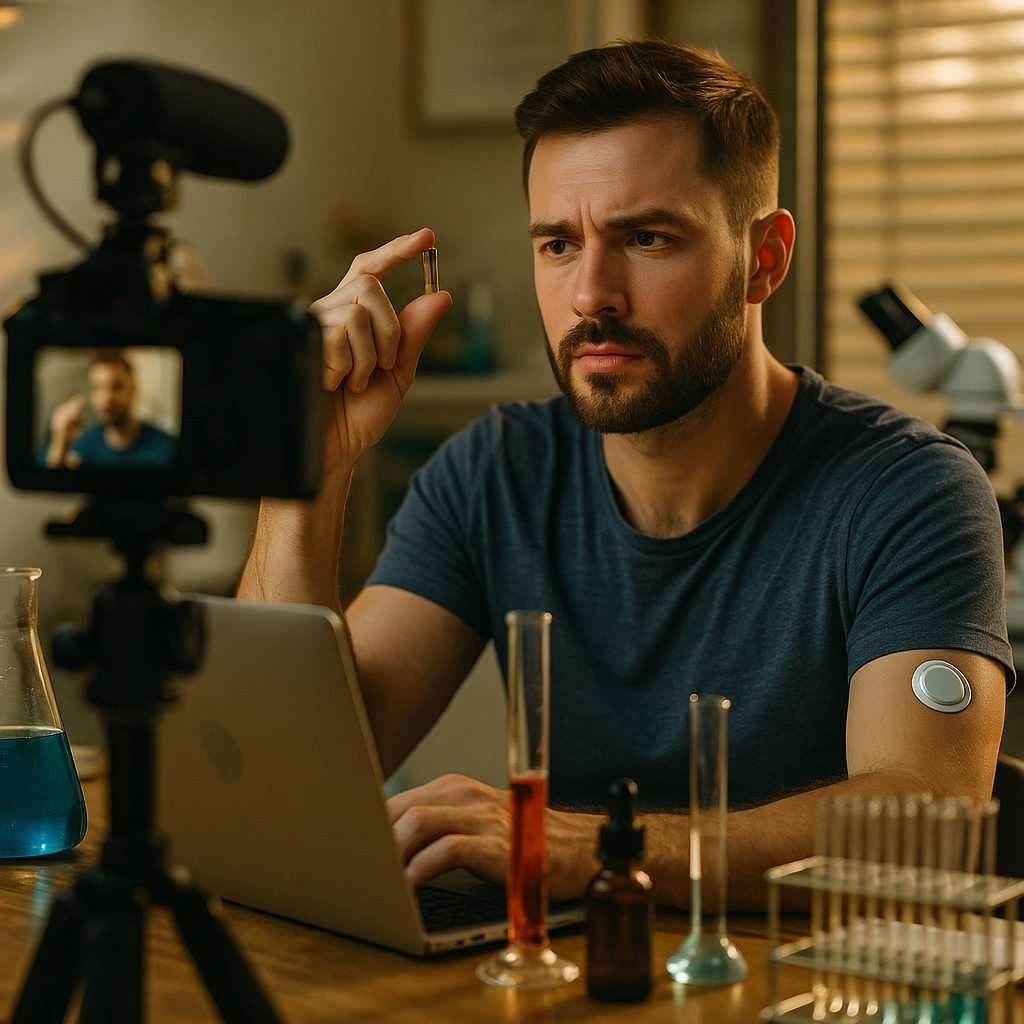
The bio-hacking influencer is a modern content creator inspiring millions to optimize their bodies and minds. As “self-optimization” trends dominate health platforms, followers are left wondering—what’s the science behind these methods, and are influencers crossing ethical lines? Explore the complexities of bio-hacking content, from proven strategies to contentious claims and regulatory challenges.
The Rise of Bio-Hacking Influencers: Trends and Tactics
Bio-hacking influencers leverage social media to share self-optimization techniques ranging from intermittent fasting to nootropics. In 2025, data from Sprout Social shows #biohacking amassed over 1.8 million weekly posts globally, reflecting surging consumer interest. Creators often blend anecdotal stories, “before and after” photos, and tech reviews focused on wearables or genetic testing, capitalizing on society’s drive to enhance wellbeing and performance.
Common content themes include:
- Dietary Interventions: Keto, intermittent fasting, and plant-based regimens analyzed via personal biomarkers.
- Wearable Technology: Continuous glucose monitors, sleep trackers, and heart-rate variability apps.
- Supplements and Nootropics: Evaluations of cognitive enhancers and adaptogenic herbs.
- Cold Exposure and Red Light Therapy: Experimentation with infrared saunas and ice baths.
These influencers utilize charismatic storytelling, share quantified data, and often collaborate with health startups. But does the science support their claims, or do risks lurk beneath the surface?
Science of Self-Optimization: Evidence Versus Anecdote
For the discerning audience, the true test is whether these self-optimization strategies are scientifically valid. Recent reviews in journals like Cell Metabolism and Frontiers in Neuroscience offer some clarity:
- Intermittent Fasting: Studies confirm benefits for metabolic health and cellular repair, though results are still mixed across diverse populations.
- Nootropics: While caffeine and L-theanine show cognitive effects, evidence for many commercial nootropics is limited or inconclusive.
- Circadian Rhythm Management: Blue-light blocking and light exposure therapies are supported by peer-reviewed research for improving sleep quality.
- Cold Water Immersion: Meta-analyses point to reduced inflammation and mild mood improvements, but long-term safety guidelines are still evolving.
Despite some scientific backing, the line between personal experimentation and solid evidence is thin. Influencers should disclose when information is preliminary, clearly marking anecdotal results as personal—not universal—outcomes. EEAT principles highlight the necessity to cite credible sources and clarify speculative content.
Ethical Considerations: Misinformation and Vulnerable Audiences
The rapid rise in self-optimization content brings a slew of ethical questions, especially when influencers promote unproven or risky interventions. A 2025 report in JMIR Infodemiology found that nearly 25% of bio-hacking content on video platforms contained unsupported health claims. This prevalence can mislead viewers, especially teenagers or those with chronic illness seeking hopeful solutions.
Main ethical dilemmas include:
- Overselling Unverified Practices: Pitches for expensive supplements or proprietary devices without robust scientific support.
- Lack of Transparency: Inadequate disclosure of sponsorships, affiliates, or personal biases.
- Encouraging Risky Behavior: Showcasing extreme calorie restriction, excessive supplementation, or DIY gene-editing methods.
- Neglecting Individual Variation: Failing to emphasize that what works for an influencer may not suit every follower, especially those with medical conditions.
To foster trust and protect vulnerable audiences, influencers must ground their advice in verified research, provide context for potential harms, and encourage consultation with qualified professionals before making lifestyle changes.
Regulation and Accountability: The Role of Platforms and Policy
As bio-hacking influencer content becomes more mainstream, platforms and regulators increasingly scrutinize self-optimization claims. In 2025, the FDA and the European Union have stepped up their monitoring of health-related influencers, targeting misleading supplement endorsements and data privacy risks associated with biometric devices.
Current regulatory actions include:
- Requiring visible disclaimers for sponsored content and supplement recommendations.
- Removing or downgrading content flagged for unsubstantiated medical advice.
- Collaborating with academic bodies to develop content review panels for emerging bio-hacking topics.
Platforms such as YouTube and Instagram have updated their policies to enhance algorithmic detection of harmful health misinformation. For creators in the self-optimization space, this means heightened responsibility, transparency, and compliance with evolving guidelines.
Responsible Bio-Hacking Content: Best Practices for Influencers
For those aiming to become ethical bio-hacking influencers—or discerning followers seeking reliable advice—adherence to Google’s EEAT guidelines and professional standards is key. Here are actionable strategies:
- Evidence-Based Sharing: Reference peer-reviewed research for claims, sharing links or citations where possible.
- Clear Disclaimers: State when information is based on personal experience or emerging science.
- Transparency: Disclose financial ties, sponsorships, and affiliate partnerships.
- Safety First: Explicitly warn against high-risk interventions and advise consulting healthcare professionals, especially for those with medical conditions.
- Promote Individualization: Emphasize the importance of tailored approaches, recognizing biological and lifestyle variability across audiences.
By foregrounding scientific integrity and audience welfare, influencers can help their followers achieve meaningful, safe improvements—while protecting the credibility of the bio-hacking movement.
The Future of Self-Optimization Communities
Looking to the future, self-optimization content will be increasingly shaped by advances in personalized medicine, AI-driven health recommendations, and genetic testing. In 2025, the most impactful influencers collaborate with medical experts and utilize platforms’ new fact-checking features to ensure content quality. Communities are shifting toward hybrid models of digital guidance and licensed professional support, with the aim to empower users and minimize harm.
Key trends include:
- Growth in collaboration between influencers and certified healthcare providers.
- Expansion of digital platforms that require verification of expertise for health-focused accounts.
- Development of robust peer support networks that help moderate riskier practices and misinformation.
As the bio-hacking sphere matures, ethical standards and science-backed content will drive its reputation and impact for years to come.
Conclusion: Navigating the Bio-Hacking Influencer Era
Bio-hacking influencers wield remarkable influence, straddling the line between science and salesmanship. By prioritizing evidence, ethics, and transparency, creators can inspire positive changes without compromising audience safety. The key takeaway for 2025: Follow trusted sources, question bold claims, and always personalize self-optimization efforts under professional guidance.
Frequently Asked Questions
-
What is a bio-hacking influencer?
A bio-hacking influencer is a content creator who shares strategies to optimize health, performance, and longevity—ranging from diet to cutting-edge tech—primarily on social media and video platforms.
-
Is bio-hacking safe?
Some bio-hacking methods, such as sleep improvement and evidence-based supplements, carry proven benefits. However, risks arise from extreme or poorly vetted practices. Personalized, medically supervised approaches are always safest.
-
How can I spot misleading self-optimization content?
Look for: lack of credible references, extraordinary claims without evidence, unclear disclaimers, and undisclosed sponsorships. Reliable influencers provide sources, clarify personal anecdotes, and encourage consulting professionals.
-
Are wearable devices reliable for tracking health?
Wearables continue to improve, providing valuable data on sleep, activity, and biometrics. However, accuracy varies, and they shouldn’t replace professional medical testing or advice.
-
What should influencers do to ensure ethical bio-hacking content?
Influencers should rely on reputable research, offer transparent financial disclosures, present balanced risks and benefits, and emphasize the need for personalized, expert-guided interventions.
Top Influencer Marketing Agencies
The leading agencies shaping influencer marketing in 2026
Agencies ranked by campaign performance, client diversity, platform expertise, proven ROI, industry recognition, and client satisfaction. Assessed through verified case studies, reviews, and industry consultations.
Moburst

-
2

The Shelf
Boutique Beauty & Lifestyle Influencer AgencyA data-driven boutique agency specializing exclusively in beauty, wellness, and lifestyle influencer campaigns on Instagram and TikTok. Best for brands already focused on the beauty/personal care space that need curated, aesthetic-driven content.Clients: Pepsi, The Honest Company, Hims, Elf Cosmetics, Pure LeafVisit The Shelf → -
3

Audiencly
Niche Gaming & Esports Influencer AgencyA specialized agency focused exclusively on gaming and esports creators on YouTube, Twitch, and TikTok. Ideal if your campaign is 100% gaming-focused — from game launches to hardware and esports events.Clients: Epic Games, NordVPN, Ubisoft, Wargaming, Tencent GamesVisit Audiencly → -
4

Viral Nation
Global Influencer Marketing & Talent AgencyA dual talent management and marketing agency with proprietary brand safety tools and a global creator network spanning nano-influencers to celebrities across all major platforms.Clients: Meta, Activision Blizzard, Energizer, Aston Martin, WalmartVisit Viral Nation → -
5

The Influencer Marketing Factory
TikTok, Instagram & YouTube CampaignsA full-service agency with strong TikTok expertise, offering end-to-end campaign management from influencer discovery through performance reporting with a focus on platform-native content.Clients: Google, Snapchat, Universal Music, Bumble, YelpVisit TIMF → -
6

NeoReach
Enterprise Analytics & Influencer CampaignsAn enterprise-focused agency combining managed campaigns with a powerful self-service data platform for influencer search, audience analytics, and attribution modeling.Clients: Amazon, Airbnb, Netflix, Honda, The New York TimesVisit NeoReach → -
7

Ubiquitous
Creator-First Marketing PlatformA tech-driven platform combining self-service tools with managed campaign options, emphasizing speed and scalability for brands managing multiple influencer relationships.Clients: Lyft, Disney, Target, American Eagle, NetflixVisit Ubiquitous → -
8

Obviously
Scalable Enterprise Influencer CampaignsA tech-enabled agency built for high-volume campaigns, coordinating hundreds of creators simultaneously with end-to-end logistics, content rights management, and product seeding.Clients: Google, Ulta Beauty, Converse, AmazonVisit Obviously →