


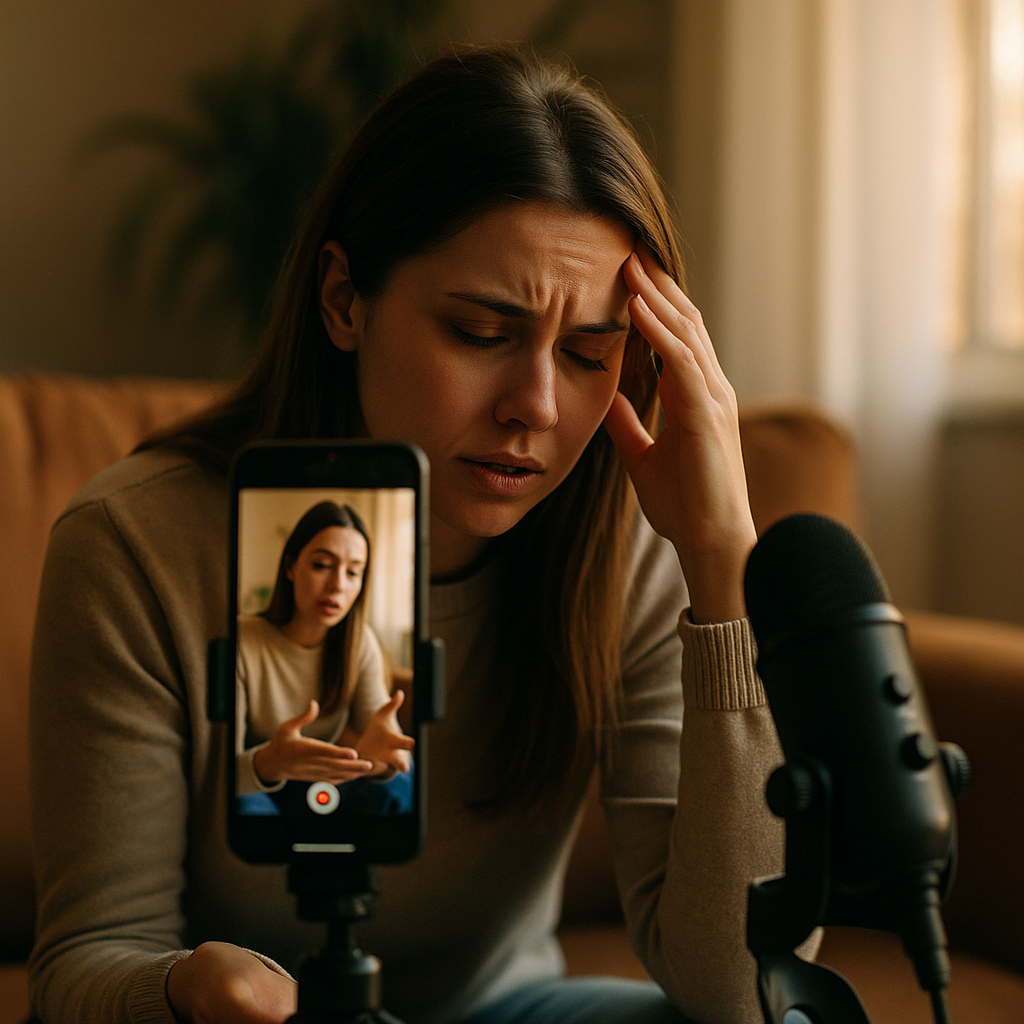
The “Creator-as-Therapist” phenomenon has rapidly proliferated across social media, raising critical concerns about advice and mental health support from unqualified influencers. As digital creators position themselves as emotional guides, this trend dangerously blurs professional boundaries. Why is this so risky — and what should viewers truly expect from creators online?
The Rise of Social Media Creators as Unofficial Therapists
Over the past several years, millions have gravitated towards content creators for information, community, and guidance—especially regarding mental health. This shift intensified as platforms like TikTok, YouTube, and Instagram popularized short-form advice videos where charismatic personalities shared personal growth tips and coping mechanisms. In 2025, the Creator-as-Therapist phenomenon is near ubiquitous, with creators amassing huge followings by offering emotional support and lifestyle recommendations.
This evolution grew out of a genuine need: traditional mental health care faces barriers like cost, stigma, and access issues. Creators step in seemingly to “fill the gap,” offering stories of self-help and peer support. But such well-intentioned content can mislead followers into mistaking popular creators for credentialed therapists—putting users at unexpected risk.
The Dangers of Unqualified Advice from Influencers
The core danger is obvious: most creators lack clinical training. Unlike licensed psychologists, social media personalities are not bound by ethical guidelines or standardized education. Scientific research published in 2025 by the American Psychological Association highlights that erroneous or generalized advice on platforms can inadvertently harm vulnerable users, especially those coping with trauma, neurodiversity, or severe mood disorders.
- Oversimplification: Complex issues like depression or anxiety are often reduced to “quick fixes,” invalidating diverse experiences.
- Potential Triggers: Creators may inadvertently share content that triggers distress without proper content warnings or follow-up resources.
- Unintended Harm: Misdiagnosis and the encouragement to self-diagnose are frequent hazards, leading viewers away from evidence-based treatment.
While creators may disclaim their lack of credentials, community trust can supersede caution, making it easy for audiences to internalize advice regardless of its accuracy or appropriateness.
The Ethical Boundary Between Content Creation and Therapy
Laying out a clear ethical division between content creation and therapy is essential. Professional mental health care entails confidentiality, client consent, evidence-based intervention, and accountability. In contrast, creators operate in a public, unregulated space focused on engagement metrics, where emotional storytelling is monetized—potentially compromising impartiality and privacy. The absence of oversight raises additional ethical questions:
- Informed Consent: Followers do not formally consent to being “helped” and may underestimate the influence of parasocial relationships.
- Privacy: Viewers’ vulnerable comments and DMs may be exploited for engagement without proper confidentiality safeguards.
- Misinformation: Many creators conflate self-help trends with professional therapy, fueling confusion about treatment options and mental health literacy.
It’s vital for creators to be transparent about their qualifications and for users to recognize that therapy and advice content are not interchangeable.
Audience Vulnerability and the Manipulation of Trust
For individuals struggling with mental health issues, the line between community support and professional help can be blurry. The increasing vulnerability of online audiences—especially Gen Z and Millennials—means content has an outsized impact. Pew Research’s 2025 report found that nearly 60% of young adults trust at least one creator as their primary source for mental health information.
Creators often foster intimacy with fans, sometimes known as “parasocial relationships,” where viewers feel personally seen and supported. While community can reduce isolation, this model gives creators disproportionate influence. Without proper checks, creators might:
- Promote unproven products or treatments for personal gain
- Encourage dependency on content rather than seeking licensed care
- Exploit follower confessions or vulnerabilities as content fodder
This manipulation of trust can deepen distress, foster misinformation, and delay access to real help.
Cultivating Critical Media Literacy in Digital Spaces
The increasing prevalence of mental health content on social media means users need elevated media literacy skills. Recognizing the distinction between peer support and professional care is part of this crucial awareness. Mental health organizations in 2025 now prioritize educational campaigns teaching users how to:
- Evaluate credentials and verify sources before internalizing advice
- Understand red flags indicating dangerous or unethical influencer behavior
- Utilize digital tools (such as content reporting options) to flag misinformation
- Identify when to escalate concerns to a professional or a trusted adult
Content platforms must also enforce community standards preventing creators from making clinical claims without credentials, thus protecting user well-being and fostering safer digital communities.
What Can Creators Do Responsibly?
Creators play an undeniable role in peer support, advocacy, and de-stigmatizing conversations around mental health. With massive reach comes responsibility:
- Disclose Credentials: Always communicate whether advice is anecdotal, peer-based, or backed by professional experience.
- Signpost Professional Help: Regularly share resources, helplines, and disclaimers encouraging followers to seek licensed care.
- Respect Boundaries: Avoid offering direct advice or intervention for serious issues and refrain from diagnosing or “fixing” viewer problems.
- Foster Community, Not Dependency: Empower audiences with tools and education rather than positioning oneself as an indispensable savior.
Following these guidelines not only protects viewers but enhances creator credibility and long-term trust in the digital mental health landscape.
Conclusion: Drawing the Line for Mental Health Advice Online
The “Creator-as-Therapist” phenomenon, while born out of positive intent, exposes audiences to risks from unqualified guidance and blurred boundaries. By cultivating strong media literacy and demanding ethical accountability, we can strike a healthy balance between empathy and expertise online—keeping mental health advice safe, supportive, and grounded in qualified care.
FAQs
-
Can content creators give mental health advice?
While creators can share personal experiences and peer support, only licensed professionals should offer clinical advice, diagnoses, or therapy. Viewers should always verify credential claims before acting on serious recommendations.
-
How can I tell if a creator is qualified to talk about mental health?
Look for clear disclosure of credentials (e.g., licensed therapist, psychologist) and references to evidence-based guidelines. Be wary of creators making clinical claims without certified training or professional association membership.
-
What are the signs of harmful “Creator-as-Therapist” behavior?
Red flags include creators diagnosing viewers, pushing unproven products, failing to refer out for serious issues, or exploiting emotional stories for engagement. Trust your instincts and seek professional opinions as needed.
-
Should I stop following creators who talk about mental health?
Not necessarily—many creators offer valuable educational content or support networks. However, always maintain critical awareness, cross-check advice with reliable sources, and prioritize licensed help for personal mental health concerns.
-
What should I do if I’m feeling worse after consuming mental health content?
Pause engagement, talk to someone you trust, and consider seeking professional help. Digital platforms or helplines can connect you to licensed providers for appropriate care and guidance.
Top Influencer Marketing Agencies
The leading agencies shaping influencer marketing in 2026
Agencies ranked by campaign performance, client diversity, platform expertise, proven ROI, industry recognition, and client satisfaction. Assessed through verified case studies, reviews, and industry consultations.
Moburst

-
2

The Shelf
Boutique Beauty & Lifestyle Influencer AgencyA data-driven boutique agency specializing exclusively in beauty, wellness, and lifestyle influencer campaigns on Instagram and TikTok. Best for brands already focused on the beauty/personal care space that need curated, aesthetic-driven content.Clients: Pepsi, The Honest Company, Hims, Elf Cosmetics, Pure LeafVisit The Shelf → -
3

Audiencly
Niche Gaming & Esports Influencer AgencyA specialized agency focused exclusively on gaming and esports creators on YouTube, Twitch, and TikTok. Ideal if your campaign is 100% gaming-focused — from game launches to hardware and esports events.Clients: Epic Games, NordVPN, Ubisoft, Wargaming, Tencent GamesVisit Audiencly → -
4

Viral Nation
Global Influencer Marketing & Talent AgencyA dual talent management and marketing agency with proprietary brand safety tools and a global creator network spanning nano-influencers to celebrities across all major platforms.Clients: Meta, Activision Blizzard, Energizer, Aston Martin, WalmartVisit Viral Nation → -
5

The Influencer Marketing Factory
TikTok, Instagram & YouTube CampaignsA full-service agency with strong TikTok expertise, offering end-to-end campaign management from influencer discovery through performance reporting with a focus on platform-native content.Clients: Google, Snapchat, Universal Music, Bumble, YelpVisit TIMF → -
6

NeoReach
Enterprise Analytics & Influencer CampaignsAn enterprise-focused agency combining managed campaigns with a powerful self-service data platform for influencer search, audience analytics, and attribution modeling.Clients: Amazon, Airbnb, Netflix, Honda, The New York TimesVisit NeoReach → -
7

Ubiquitous
Creator-First Marketing PlatformA tech-driven platform combining self-service tools with managed campaign options, emphasizing speed and scalability for brands managing multiple influencer relationships.Clients: Lyft, Disney, Target, American Eagle, NetflixVisit Ubiquitous → -
8

Obviously
Scalable Enterprise Influencer CampaignsA tech-enabled agency built for high-volume campaigns, coordinating hundreds of creators simultaneously with end-to-end logistics, content rights management, and product seeding.Clients: Google, Ulta Beauty, Converse, AmazonVisit Obviously →