


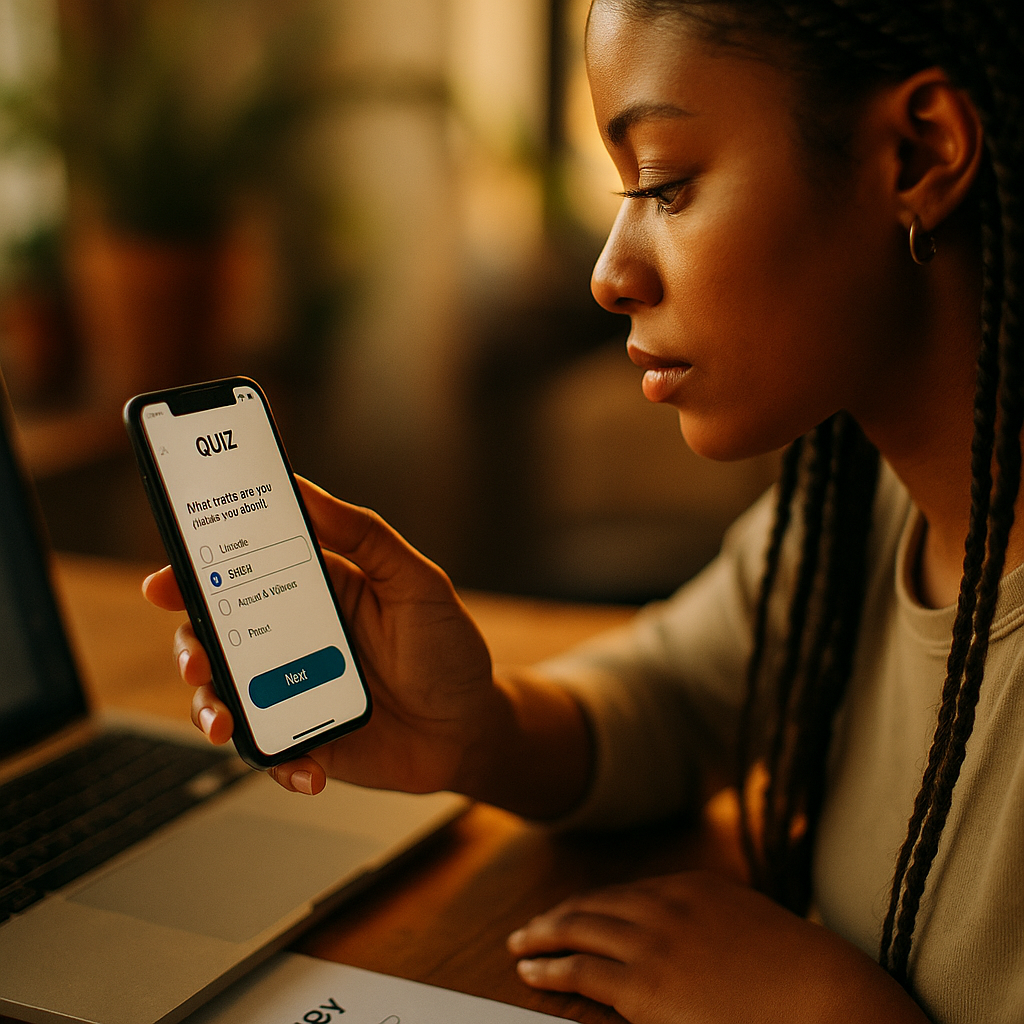
Building a first-party data strategy through influencer-led quizzes and surveys empowers brands to capture rich, consent-based audience insights while fostering engagement. As privacy regulations reshape digital marketing in 2025, leveraging influencers for authentic data collection is a winning approach. Read on to discover how you can unlock actionable audience data and drive measurable results through this innovative tactic.
Why Influencer-Led Quizzes and Surveys Enhance First-Party Data Collection
First-party data—information collected directly from your audience—has become the cornerstone of digital marketing as cookie-based tracking diminishes. Influencer-led quizzes and surveys stand out in this space by merging two powerhouses: trusted digital personalities and interactive data collection tools. When influencers host customized quizzes or surveys, their audiences are more likely to participate willingly, giving brands access to consented, accurate data.
Unlike traditional methods, quizzes and surveys driven by influencers benefit from the creator’s rapport with their community. This leads to higher completion rates and richer, more honest responses. A recent GWI report (2025) found that users are 41% more likely to share personal preferences with influencers they follow, compared to brand-owned channels. As privacy laws and tech changes increase the value of consent-based insights, influencer-led experiences offer a scalable, resilient data collection solution.
Designing Effective Influencer Quizzes for Consent-Based Data
Creating influencer quizzes that yield actionable first-party data begins with thoughtful planning. The content must feel native to the influencer’s voice, and the survey mechanics need to clearly inform users of what data will be collected and how it will be used. This ensures compliance with privacy standards and establishes trust.
- Align quiz themes with audience interests: Collaborate with the influencer to match the quiz topic to what their followers care about. This maximizes engagement and relevance.
- Be transparent about data usage: Clearly state what data will be collected and why. Transparency boosts participation and fits evolving legal standards.
- Offer reciprocity: Provide value in return for data—such as tailored product recommendations, giveaways, or early access to content. This encourages users to opt in.
- Integrate visual and interactive elements: Make quizzes engaging with visuals, progress bars, or creative call-to-actions. This reduces drop-off rates and increases completion.
By focusing on transparency and utility, you can build a strong foundation for robust first-party data collection in partnership with influencers.
Maximizing Engagement with Influencer-Led Surveys in 2025
Engagement is critical for successful first-party data strategies. Influencer-led surveys offer unique avenues to foster two-way conversations with targeted communities—driving more meaningful insights for brands.
- Choose relatable survey topics: Surveys should address trending or audience-relevant questions that naturally elicit responses. Influencers bring insider knowledge about their followers’ interests.
- Promote surveys creatively: Influencers can introduce surveys in stories, posts, or lives, using storytelling and authentic encouragement to motivate participation.
- Gamify the experience: Add progress achievements, instant feedback, or competition elements to incentivize completion.
- Ensure accessibility on all platforms: In 2025, audiences engage across multiple devices and channels. Optimize surveys for mobile, desktop, and social app integrations.
When executed thoughtfully, influencer-led surveys can achieve up to 70% higher completion rates compared to brand-only initiatives, according to a recent SocialData Insights (2025) study. This underscores their power for scalable, permission-based data acquisition.
Ensuring Compliance and Ethical Data Collection
Transparency and ethical data practices are essential in today’s privacy-centric landscape. Trusted influencers are held to high standards by both followers and regulators. Brands must work collaboratively to ensure consent, data minimization, and secure storage.
- Clear consent requests: Always use explicit, user-friendly consent forms before quizzes and surveys begin.
- Data minimization: Collect only what is necessary for your stated marketing goals—no more, no less.
- Adhere to regulations: Stay updated on GDPR, CCPA, and additional emerging global regulations set forth for 2025. Legal guidance and ongoing audits are recommended.
- Educate influencers: Provide training and resources so influencers can confidently answer audience questions about data use and privacy.
Adhering to these principles builds long-term trust, prevents reputational risks, and reinforces your brand’s credibility—critical elements under Google’s EEAT (Experience, Expertise, Authoritativeness, and Trustworthiness) framework.
Optimizing and Activating First-Party Data After Collection
Raw data is only valuable when transformed into actionable insights. After gathering first-party data via influencer-led interactions, marketers should prioritize analysis and strategic activation:
- Segmentation and targeting: Group respondents by preferences, needs, or behaviors to enable personalized communication, content, and offers.
- Product innovation: Use survey feedback to inform product development, new features, or messaging tweaks.
- Long-term relationship building: Re-engage quiz-takers or survey participants with ongoing education, sneak peeks, or loyalty programs.
- Refine future campaigns: Analyze data performance to shape more effective influencer and content strategies.
With sophisticated analytics tools and responsible stewardship, first-party data harvested through influencer quizzes and surveys becomes a catalyst for loyalty, efficiency, and competitive advantage in 2025’s digital landscape.
Measuring Results and Proving ROI on Influencer Data Campaigns
Brands and marketers need to quantify the impact of influencer-led first-party data initiatives. Key metrics include:
- Completion and participation rates: Compare these to your baseline to demonstrate improved engagement.
- Quality and depth of information: Assess if data allows for richer segmentation or more precise targeting.
- Consent rates: Track what percentage of respondents agreed to marketing follow-up or data use.
- Conversion lift: Monitor downstream actions, such as purchases or signups, attributable to data-driven campaigns.
- Cost per acquisition (CPA): Calculate efficiency versus other data generation tactics.
By establishing clear KPIs before launch and refining them over time, brands prove the value of influencer partnerships—not just for awareness, but as strategic sources of compliant, actionable data.
In summary, building a first-party data strategy through influencer-led quizzes and surveys delivers credible, compliant audience insights in a privacy-first era. By prioritizing transparency, strong partnerships, and activation, brands secure a future-ready edge that drives performance and trust in 2025’s evolving digital marketplace.
FAQs on Influencer-Led Quizzes, Surveys, and First-Party Data
-
What is first-party data and why is it important in 2025?
First-party data is information collected directly from your audience, such as through quizzes, surveys, or website interactions. It’s vital in 2025 because privacy laws and tech shifts limit access to third-party data, making consent-based, directly sourced insights essential for personalization and marketing effectiveness.
-
How do influencer-led quizzes improve participation rates?
Influencers enjoy high trust and engagement with their followers. When they share a quiz or survey, their endorsement feels authentic, resulting in higher completion rates and more accurate data than traditional brand-led campaigns.
-
Are influencer-led data collection campaigns GDPR and CCPA compliant?
Yes—if they include clear consent mechanisms, practice data minimization, and inform users how their data will be used. Collaborate with influencers to ensure that messaging and workflows fully comply with all privacy regulations relevant in 2025.
-
What types of data can brands collect from quizzes and surveys?
Brands can gather demographic details, purchase intent, preferences, pain points, product feedback, and even psychographic profiles. The format allows for both quantitative data (e.g., choices, ratings) and qualitative insights (e.g., open-ended responses).
-
How can brands use the data collected from these campaigns?
This data can inform audience segmentation, personalize marketing, drive product development, and build loyalty. It also helps brands shape future influencer partnerships by understanding which creators and campaigns deliver the richest insights.
Top Influencer Marketing Agencies
The leading agencies shaping influencer marketing in 2026
Agencies ranked by campaign performance, client diversity, platform expertise, proven ROI, industry recognition, and client satisfaction. Assessed through verified case studies, reviews, and industry consultations.
Moburst

-
2

The Shelf
Boutique Beauty & Lifestyle Influencer AgencyA data-driven boutique agency specializing exclusively in beauty, wellness, and lifestyle influencer campaigns on Instagram and TikTok. Best for brands already focused on the beauty/personal care space that need curated, aesthetic-driven content.Clients: Pepsi, The Honest Company, Hims, Elf Cosmetics, Pure LeafVisit The Shelf → -
3

Audiencly
Niche Gaming & Esports Influencer AgencyA specialized agency focused exclusively on gaming and esports creators on YouTube, Twitch, and TikTok. Ideal if your campaign is 100% gaming-focused — from game launches to hardware and esports events.Clients: Epic Games, NordVPN, Ubisoft, Wargaming, Tencent GamesVisit Audiencly → -
4

Viral Nation
Global Influencer Marketing & Talent AgencyA dual talent management and marketing agency with proprietary brand safety tools and a global creator network spanning nano-influencers to celebrities across all major platforms.Clients: Meta, Activision Blizzard, Energizer, Aston Martin, WalmartVisit Viral Nation → -
5

The Influencer Marketing Factory
TikTok, Instagram & YouTube CampaignsA full-service agency with strong TikTok expertise, offering end-to-end campaign management from influencer discovery through performance reporting with a focus on platform-native content.Clients: Google, Snapchat, Universal Music, Bumble, YelpVisit TIMF → -
6

NeoReach
Enterprise Analytics & Influencer CampaignsAn enterprise-focused agency combining managed campaigns with a powerful self-service data platform for influencer search, audience analytics, and attribution modeling.Clients: Amazon, Airbnb, Netflix, Honda, The New York TimesVisit NeoReach → -
7

Ubiquitous
Creator-First Marketing PlatformA tech-driven platform combining self-service tools with managed campaign options, emphasizing speed and scalability for brands managing multiple influencer relationships.Clients: Lyft, Disney, Target, American Eagle, NetflixVisit Ubiquitous → -
8

Obviously
Scalable Enterprise Influencer CampaignsA tech-enabled agency built for high-volume campaigns, coordinating hundreds of creators simultaneously with end-to-end logistics, content rights management, and product seeding.Clients: Google, Ulta Beauty, Converse, AmazonVisit Obviously →