


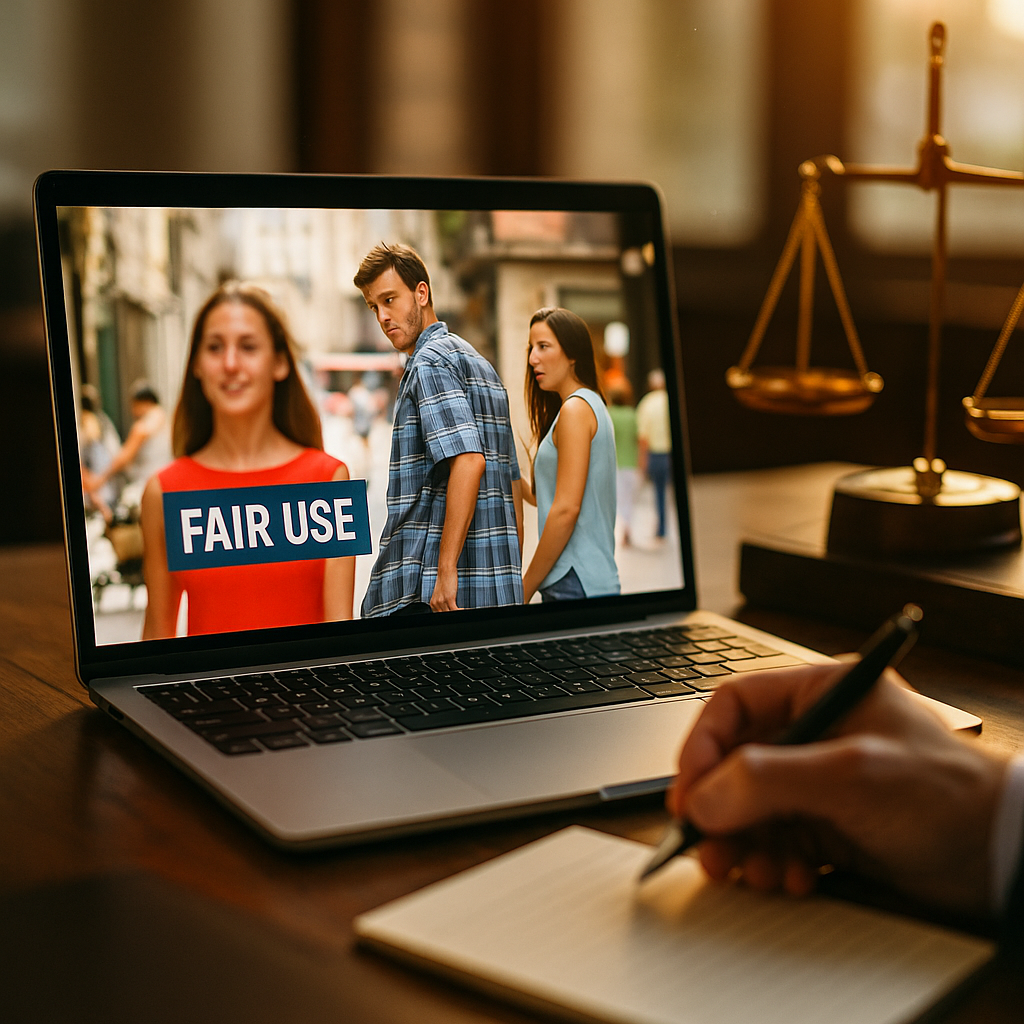
Understanding fair use in copyright law is crucial when sharing memes and viral content online. As digital creativity surges in 2025, questions about legal risks and best practices have never been more pressing. This comprehensive guide covers the essentials, practical tips, and what you must know to stay compliant and creative with internet culture—read on to protect yourself and your content.
What Does Fair Use in Copyright Law Really Mean?
Fair use is a legal doctrine that permits limited use of copyrighted material without requiring permission from the rights holder. In the context of memes and viral content, fair use allows some creative reworking and sharing, but the boundaries are often blurry. In 2025, as user-generated content dominates platforms, understanding the fundamentals of fair use in copyright law is essential to avoid infringement.
U.S. copyright law, under Section 107, outlines four factors courts consider when determining fair use:
- The purpose and character of the use: Is the content transformative, such as parody, critique, or commentary? Commercial vs. non-commercial use also matters.
- The nature of the copyrighted work: Using factual or published works is more likely to be considered fair than using highly creative or unpublished content.
- The amount and substantiality of the portion used: Using small, less significant parts leans more toward fair use, but the “heart” of a work is protected.
- The effect of the use on the potential market: Does the meme substitute for the original or harm its potential commercial value?
These principles guide every fair use decision, but real-world cases—especially with fast-moving memes—can be highly context-specific and unpredictable.
How Memes and Viral Content Fit Into Fair Use Guidelines
Memes typically remix, parody, or comment on existing images, video clips, or text—often for humor or social critique. This kind of transformation is central to fair use in meme culture, especially when memes add new meaning, message, or expression. However, the viral nature of memes in 2025 amplifies legal risk, as even a single infringing meme can spread instantly and widely across platforms.
Key issues include:
- Source of content: Using official media (like movie stills or celebrity photos) might not be protected, especially if the meme lacks commentary or parody.
- Commercial intent: Monetizing memes, through merchandise or sponsored posts, weakens fair use claims. Courts often scrutinize whether you profit from someone else’s work.
- Attribution: Giving credit doesn’t create fair use, but it’s good practice and sometimes required by specific platforms.
Legal disputes around memes continue to emerge. For example, the famous “Distracted Boyfriend” stock photo led to takedown requests, highlighting risks for creators who repurpose protected images even for comedic effect.
Practical Tips for Legally Sharing and Creating Memes
If you create or share viral content, these expert-backed steps can reduce your legal exposure:
- Create original content: Use your own photos or artwork as meme bases to avoid copyright infringement entirely.
- Use public domain and Creative Commons material: Sources like Pixabay or Unsplash provide images you can legally remix—always follow licensing details (especially for commercial use).
- Transform, don’t copy: The more your meme adds commentary, criticism, or new meaning, the stronger your fair use defense. Avoid simply reposting existing works.
- Be cautious with logos and trademarks: Parody of brands is sometimes protected, but using logos in ways that suggest sponsorship or harm the brand can attract lawsuits.
- Stay alert to takedown notices: Platforms like Instagram and TikTok use automated tools to remove potentially infringing content. Respond to requests promptly to avoid account suspension.
For businesses, especially, consulting an intellectual property attorney before launching a meme-based campaign is wise, as commercial use receives greater scrutiny.
Legal Precedents and Their Implications in 2025
Several recent legal cases illuminate how courts see memes and viral content under fair use:
- High-profile parodies: Parody remains the strongest category for fair use. Courts often protect meme-makers when their tweaks clearly mock or critique the original.
- Commercial exploitation: Cases in recent years confirm that monetized memes—especially those incorporating protected images or clips—face higher risk of lawsuits, with damages awarded if judges find the meme isn’t sufficiently transformative.
- International differences: If your viral meme reaches a global audience, be aware that the U.S. fair use doctrine doesn’t always apply internationally. The European Union’s rules are stricter and recognize only limited exceptions, particularly for parody.
In 2025, social media platforms are quicker to comply with takedown demands and more likely to suspend repeat infringers. This means meme creators need to be vigilant and informed about the changing legal climate.
Best Practices for Responsible Use of Memes and Viral Content
Protect yourself and others by adopting these 2025 EEAT-driven best practices for using memes and viral media:
- Always verify sources: Confirm the copyright status of any material you intend to use. Use reverse image search tools or copyright databases when in doubt.
- Document your transformation: Keep notes on how your meme or content adds value or commentary. This can be helpful if you ever need to defend your use in a legal dispute.
- Educate your team: If you manage social channels, ensure everyone understands fair use laws, especially if your brand relies on memes for engagement and marketing.
- Obtain permissions when possible: If your meme relies heavily on a copyrighted work and you’re uncertain about fair use, seeking permission eliminates risk. Many content owners are amenable to granting licenses, especially for non-commercial purposes.
Ultimately, responsible curation and sharing ensure the vibrant creativity of meme culture thrives without infringing on original creators’ rights.
FAQs: Fair Use, Memes, and Copyright in 2025
-
Can I use any image I find online to make a meme?
No. Most images online are copyrighted. Unless an image is in the public domain, offered under an open license, or your meme qualifies as a transformative work under fair use, you risk copyright infringement. -
Do memes count as parody under fair use?
Memes that directly comment on or satirize the original work are stronger candidates for the fair use parody defense. Merely making a joke isn’t always enough—clear social, critical, or comedic commentary is best. -
What happens if someone issues a takedown request for my meme?
Platforms generally remove reported content promptly. Multiple takedowns can result in account suspension. If you believe your meme qualifies as fair use, you can file a counter-notification, but risk further legal action. -
Does crediting the original creator make my use legal?
No. While good etiquette, attribution alone does not grant fair use rights. Permission or valid transformative use is still needed. -
Is it safe to sell merchandise or products featuring memes?
Commercializing memes that use protected material is risky and falls outside fair use in most cases. Secure rights or create original memes for merchandise.
In summary, fair use in copyright law protects certain creative uses of memes and viral content but remains a gray area with evolving legal standards. Apply the principles outlined here, prioritize originality, and stay informed—your creativity will flourish while keeping legal risks in check.
Top Influencer Marketing Agencies
The leading agencies shaping influencer marketing in 2026
Agencies ranked by campaign performance, client diversity, platform expertise, proven ROI, industry recognition, and client satisfaction. Assessed through verified case studies, reviews, and industry consultations.
Moburst

-
2

The Shelf
Boutique Beauty & Lifestyle Influencer AgencyA data-driven boutique agency specializing exclusively in beauty, wellness, and lifestyle influencer campaigns on Instagram and TikTok. Best for brands already focused on the beauty/personal care space that need curated, aesthetic-driven content.Clients: Pepsi, The Honest Company, Hims, Elf Cosmetics, Pure LeafVisit The Shelf → -
3

Audiencly
Niche Gaming & Esports Influencer AgencyA specialized agency focused exclusively on gaming and esports creators on YouTube, Twitch, and TikTok. Ideal if your campaign is 100% gaming-focused — from game launches to hardware and esports events.Clients: Epic Games, NordVPN, Ubisoft, Wargaming, Tencent GamesVisit Audiencly → -
4

Viral Nation
Global Influencer Marketing & Talent AgencyA dual talent management and marketing agency with proprietary brand safety tools and a global creator network spanning nano-influencers to celebrities across all major platforms.Clients: Meta, Activision Blizzard, Energizer, Aston Martin, WalmartVisit Viral Nation → -
5

The Influencer Marketing Factory
TikTok, Instagram & YouTube CampaignsA full-service agency with strong TikTok expertise, offering end-to-end campaign management from influencer discovery through performance reporting with a focus on platform-native content.Clients: Google, Snapchat, Universal Music, Bumble, YelpVisit TIMF → -
6

NeoReach
Enterprise Analytics & Influencer CampaignsAn enterprise-focused agency combining managed campaigns with a powerful self-service data platform for influencer search, audience analytics, and attribution modeling.Clients: Amazon, Airbnb, Netflix, Honda, The New York TimesVisit NeoReach → -
7

Ubiquitous
Creator-First Marketing PlatformA tech-driven platform combining self-service tools with managed campaign options, emphasizing speed and scalability for brands managing multiple influencer relationships.Clients: Lyft, Disney, Target, American Eagle, NetflixVisit Ubiquitous → -
8

Obviously
Scalable Enterprise Influencer CampaignsA tech-enabled agency built for high-volume campaigns, coordinating hundreds of creators simultaneously with end-to-end logistics, content rights management, and product seeding.Clients: Google, Ulta Beauty, Converse, AmazonVisit Obviously →