


Influencer marketing regulations have evolved, but many brands still misunderstand critical legal requirements. Noncompliance can lead to reputational damage and costly penalties. Staying on top of these rules is vital for any successful influencer campaign. Want to avoid the most common pitfalls? Read on to decode the essentials behind influencer marketing compliance in 2025.
Disclosure Requirements in Influencer Collaborations
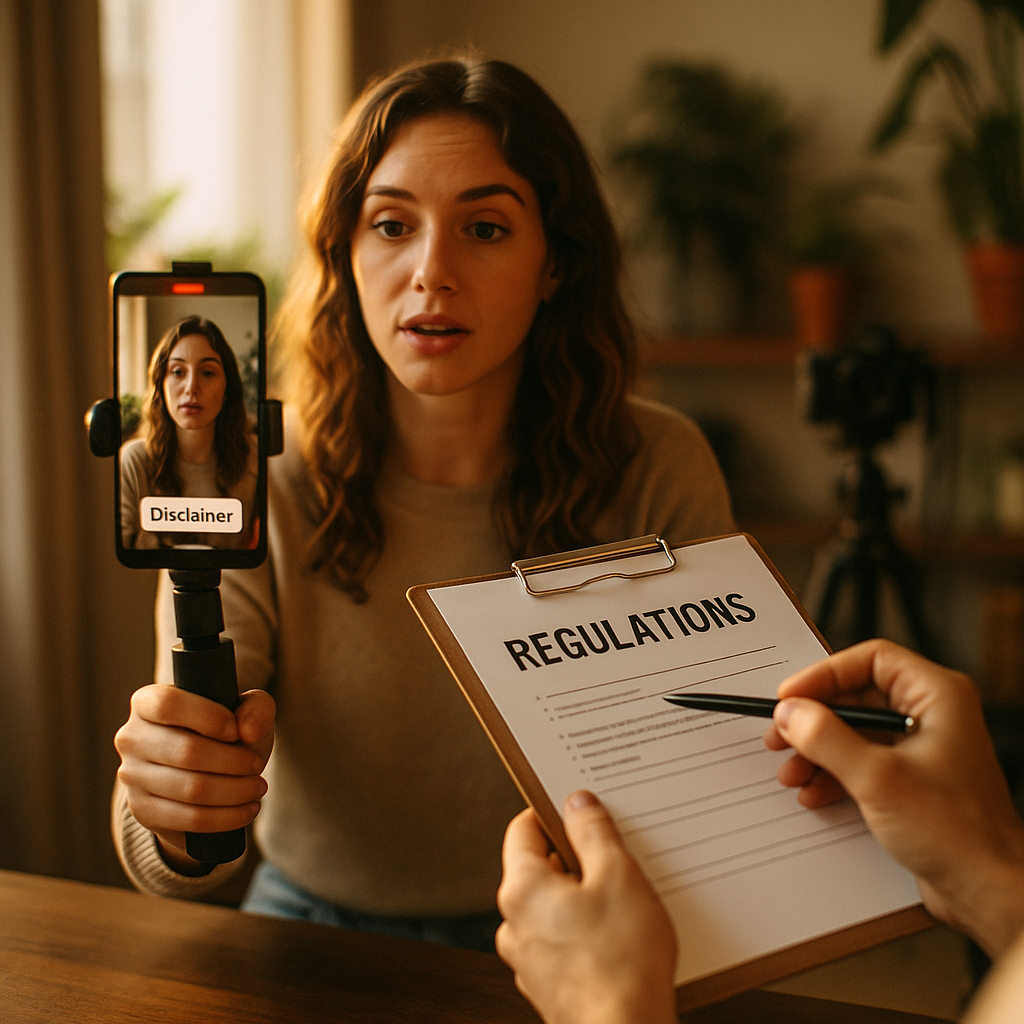
Clear disclosures are at the heart of influencer marketing regulations. The Federal Trade Commission (FTC) and equivalent global authorities require influencers to specify paid collaborations using explicit language such as #ad or Paid Partnership. While this seems straightforward, many brands wrongly believe subtle hashtags or ambiguous disclosures suffice.
In 2025, regulators expect overt and unambiguous statements at the beginning of posts, stories, and videos, visible within the first few seconds for short-form content. Recent FTC guidance emphasizes that disclosures hidden “under the fold,” at the end, or in a cluster of hashtags are not compliant. For brands, failing to educate influencers—especially micro-influencers—on these expectations can expose campaigns to scrutiny or fines.
Material Connections and What Must Be Disclosed
Many brands believe disclosure only applies to monetary payments, but influencer marketing regulations cover all material connections. A material connection is anything that could affect the credibility of the endorsement, including:
- Gifting products or services for free
- Exclusive access or experiences
- Sponsorship of trips or events
- Affiliate relationships and commissions
Transparency is required even when influencers share honest opinions or when the compensation is minimal. The law focuses on the consumer’s perception, not the value of the exchange. Brands often overlook this nuance and, as a result, encourage inadequate disclosure practices.
Liability: Brands Are Accountable for Influencer Compliance
An alarming misconception is that only the influencer is responsible for appropriate disclosures. In reality, in 2025, the FTC and other jurisdictions hold both the brand and the influencer liable. Regulatory guidance expects brands to:
- Provide influencers with clear, written disclosure instructions
- Monitor influencer content for compliance
- Promptly request corrections for noncompliant posts
Recent Enforcement Trackers indicate that brands failing to monitor or remediate noncompliance can face penalties equal to, or even exceeding, those imposed on influencers. Automated compliance technology and legal reviews have become a best practice for brands managing multiple influencer partnerships.
Global Influencer Marketing Laws and Cross-Border Considerations
With the explosion of international campaigns, understanding influencer marketing regulations is not limited to domestic law. Many brands underestimate the diversity of global rules. For example:
- Europe’s Digital Services Act requires immediate, clear disclosures for sponsored posts, regardless of influencer size.
- Canada’s Competition Bureau mandates disclosures in both English and French when targeting bilingual regions.
- Australia’s ACCC closely monitors social media for deceptive advertising and enforces stricter guidelines for health or financial products.
Brands must ensure influencer agreements specify adherence to all local regulations in regions where the content is distributed. Consulting legal professionals with international expertise is increasingly necessary to prevent inadvertent missteps.
Endorsement Integrity: Truthfulness and Substantiation
Influencer marketing regulations extend beyond transparency—they require honesty in endorsements. Product claims made by influencers must be substantiated with reliable evidence. For instance, if an influencer claims a skincare product “reduces wrinkles in one week,” the brand must possess scientific proof supporting this statement.
Brands often assume creative, lifestyle content is exempt from these substantiation requirements, but regulators apply the same advertising standards. Overlooking this responsibility can lead to false advertising allegations, forced campaign takedowns, and severe regulatory penalties.
Audience Targeting, Age Restrictions, and Sensitive Content
The rise of family and teen influencers has spotlighted the importance of audience appropriateness in influencer marketing regulations. Laws now restrict certain products—like supplements, alcohol, and financial services—from being marketed to minors or sensitive groups.
Brands need robust vetting processes to analyze influencer demographics. In 2025, digital platforms provide enhanced age analytics, and brands are expected to use this data to ensure campaigns align only with legal audience segments. Failing to do so can result in bans, demonetization, and even litigation.
In summary, influencer marketing regulations in 2025 require brands to proactively manage compliance, not only by ensuring disclosures but also by prioritizing truthfulness, global legal awareness, and suitable audience targeting. Thoughtful oversight protects both your brand and your influencers.
Frequently Asked Questions About Influencer Marketing Regulations
-
Do I need to disclose if I only gift a product, not pay the influencer?
Yes, any material connection—including gifts, free experiences, or perks—must be clearly disclosed to followers. Transparency is required regardless of payment or value.
-
Is the brand or the influencer responsible for disclosure compliance?
Both are responsible. Brands must provide disclosure guidance and actively monitor influencer content. Regulators may penalize brands for failure to enforce compliance.
-
What language should be used for disclosures?
Disclosures must be clear, unambiguous, and easily understood by your target audience. Use explicit terms like “ad,” “paid partnership,” or platform-official tags, and follow local language requirements where necessary.
-
Are there special rules for campaigns targeting children or teens?
Yes, marketing to minors is subject to strict regulations. Certain products cannot be advertised to younger audiences, and age-appropriate content and disclosures are required to comply with relevant laws.
-
How can brands monitor influencer compliance?
Brands should provide written guidelines, regularly review influencer posts, and use automated monitoring tools. Rapid response to noncompliant content is crucial to mitigate risk.
Top Influencer Marketing Agencies
The leading agencies shaping influencer marketing in 2026
Agencies ranked by campaign performance, client diversity, platform expertise, proven ROI, industry recognition, and client satisfaction. Assessed through verified case studies, reviews, and industry consultations.
Moburst

-
2

The Shelf
Boutique Beauty & Lifestyle Influencer AgencyA data-driven boutique agency specializing exclusively in beauty, wellness, and lifestyle influencer campaigns on Instagram and TikTok. Best for brands already focused on the beauty/personal care space that need curated, aesthetic-driven content.Clients: Pepsi, The Honest Company, Hims, Elf Cosmetics, Pure LeafVisit The Shelf → -
3

Audiencly
Niche Gaming & Esports Influencer AgencyA specialized agency focused exclusively on gaming and esports creators on YouTube, Twitch, and TikTok. Ideal if your campaign is 100% gaming-focused — from game launches to hardware and esports events.Clients: Epic Games, NordVPN, Ubisoft, Wargaming, Tencent GamesVisit Audiencly → -
4

Viral Nation
Global Influencer Marketing & Talent AgencyA dual talent management and marketing agency with proprietary brand safety tools and a global creator network spanning nano-influencers to celebrities across all major platforms.Clients: Meta, Activision Blizzard, Energizer, Aston Martin, WalmartVisit Viral Nation → -
5

The Influencer Marketing Factory
TikTok, Instagram & YouTube CampaignsA full-service agency with strong TikTok expertise, offering end-to-end campaign management from influencer discovery through performance reporting with a focus on platform-native content.Clients: Google, Snapchat, Universal Music, Bumble, YelpVisit TIMF → -
6

NeoReach
Enterprise Analytics & Influencer CampaignsAn enterprise-focused agency combining managed campaigns with a powerful self-service data platform for influencer search, audience analytics, and attribution modeling.Clients: Amazon, Airbnb, Netflix, Honda, The New York TimesVisit NeoReach → -
7

Ubiquitous
Creator-First Marketing PlatformA tech-driven platform combining self-service tools with managed campaign options, emphasizing speed and scalability for brands managing multiple influencer relationships.Clients: Lyft, Disney, Target, American Eagle, NetflixVisit Ubiquitous → -
8

Obviously
Scalable Enterprise Influencer CampaignsA tech-enabled agency built for high-volume campaigns, coordinating hundreds of creators simultaneously with end-to-end logistics, content rights management, and product seeding.Clients: Google, Ulta Beauty, Converse, AmazonVisit Obviously →