


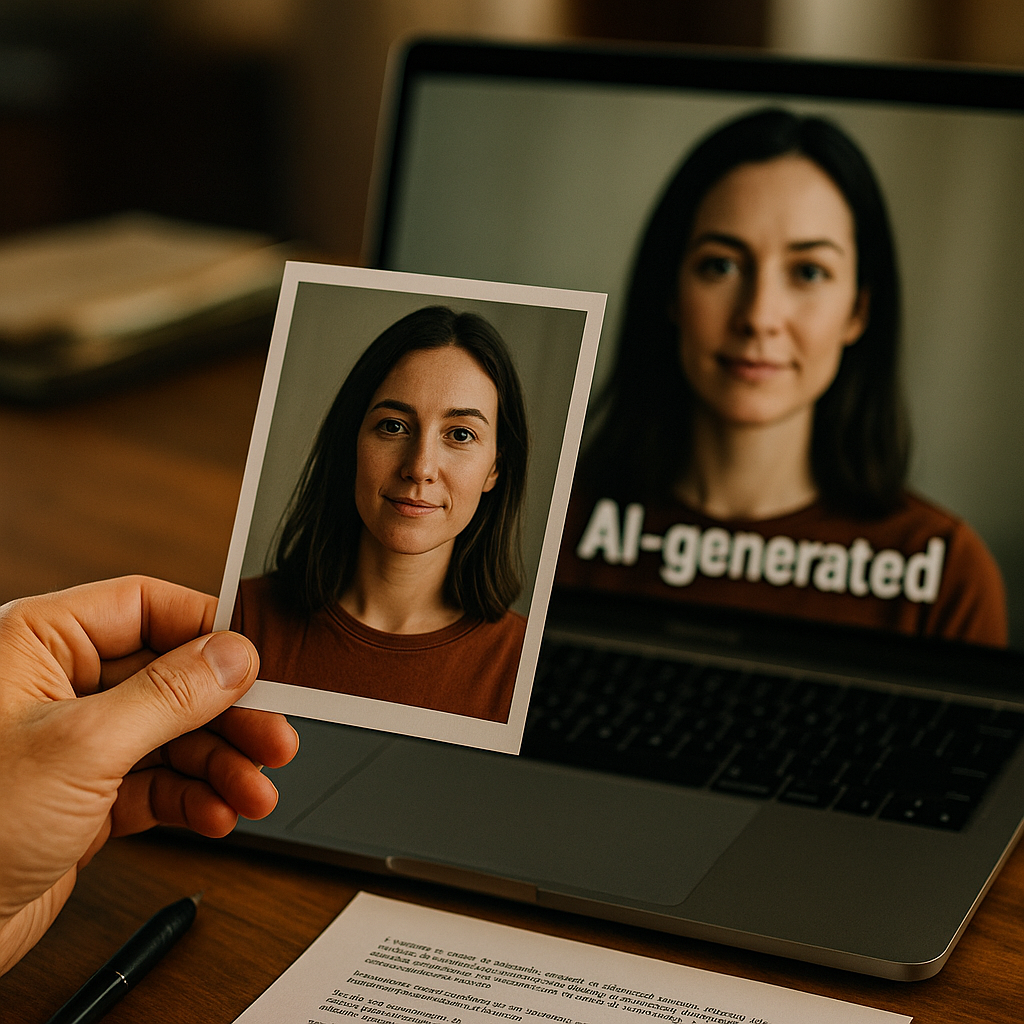
Understanding FTC Disclosure Requirements For AI-Generated Likenesses matters more in 2025 than most brands realize. As synthetic voice and video tools spread, consumers can’t always tell what’s real, who is speaking, or whether money changed hands. The FTC’s deception and endorsement rules still apply, and enforcement risk is rising. Want to use AI likenesses safely without losing trust?
FTC AI disclosure rules: what triggers a disclosure
The FTC does not have a single, standalone “AI disclosure law.” Instead, it enforces long-standing consumer protection standards that apply to modern marketing, including synthetic media. The practical question is simple: could the content mislead a reasonable consumer about what they are seeing or hearing, or about whether a message is paid, sponsored, or otherwise influenced?
In 2025, disclosures are most commonly triggered when an AI-generated likeness (a synthetic face, voice, or persona) is used in a way that could create a false impression about identity, experience, or independence. Common disclosure triggers include:
- Endorsements and testimonials: A synthetic spokesperson appears to be a real customer, professional, or celebrity praising a product.
- Influencer-style promotions: An AI avatar promotes a brand in a social format where viewers expect authentic personal opinion.
- “Before/after” or results claims: AI-generated imagery implies typical results, medical improvement, or performance outcomes without substantiation.
- Implied affiliation: A likeness resembles or suggests a real person, organization, or expert endorsement.
- Deepfake-style demonstrations: A synthetic clip shows a “real” scenario that did not occur, such as a product test, interview, or user experience.
Disclosures also apply when there is a material connection that consumers would want to know, such as payment, free products, commissions, equity, or a brand’s control over the message. If the synthetic persona is operated by the brand (or an agency), that relationship itself can be material and should be made clear.
Material connection disclosure: endorsements using AI avatars
FTC endorsement principles focus on transparency: audiences should understand when promotional speech is influenced by compensation or other benefits. AI complicates this because a synthetic presenter can look like an independent creator while actually being a brand-controlled asset. The compliance goal is to avoid creating the impression of an independent endorsement when the speaker is effectively the advertiser.
Use these disclosure practices when an AI avatar is endorsing or recommending:
- State the relationship plainly: “Paid ad,” “Sponsored,” or “Brand partner” are clearer than vague tags.
- Disclose brand control when relevant: If the avatar is a company-created spokesperson, consider language like “This is our AI spokesperson” or “AI-generated brand ambassador” near the endorsement.
- Pair the disclosure with the claim: Put the disclosure where the endorsement occurs, not hidden in a profile, footer, or separate landing page.
- Keep it unavoidable: A viewer should not have to click “more,” open captions, or scroll to find it.
Also treat AI-driven “reviews” with caution. A synthetic “customer testimonial” can be especially risky if it implies a real person’s experience. If you use a fictional scenario to illustrate features, label it as such and do not present it as typical results. If performance or health outcomes are implied, ensure claims are substantiated and any limitations are disclosed clearly.
Follow-up question you may have: Does an AI avatar always require disclosure? Not always. If it is obviously fictional and not presented as an independent endorser, you may not need a special “AI” label. But if the realism, context, or format could lead viewers to think it is a real person or real testimonial, disclosure becomes a practical necessity.
Synthetic media disclosure: preventing deception with AI-generated likenesses
Beyond sponsorship, the FTC’s core concern is deception: any representation, omission, or practice that is likely to mislead consumers and is material to their decisions. AI-generated likenesses raise the risk of deceptive impressions in three common ways:
- Identity confusion: Viewers believe a real person is speaking when the clip is generated or altered.
- Event or experience fabrication: A “demo,” “interview,” or “reaction” appears real but did not happen.
- Authority signaling: The synthetic figure appears to be a doctor, engineer, or expert without a legitimate basis.
To reduce deception risk, focus on clarity and proximity:
- Use direct language: “AI-generated video,” “AI-generated voice,” or “Digitally created spokesperson.” Avoid euphemisms like “enhanced.”
- Place disclosures at the start: For short-form video, place an on-screen disclosure within the first seconds and keep it visible long enough to read.
- Repeat when needed: If the message is long, or the AI nature could be forgotten, repeat disclosures after cuts or major segments.
- Match the medium: In audio, speak the disclosure out loud; in video, use on-screen text; in livestream-style content, pin a disclosure and say it periodically.
Important nuance: Disclosing “AI-generated” does not cure all problems. If a synthetic portrayal implies a false claim (for example, a product cures a condition), a disclosure won’t fix deceptive advertising. Substantiation and truthful claims remain essential.
Clear and conspicuous disclosures: placement, format, and language
“Clear and conspicuous” is the FTC’s north star for effective disclosures. In practice, your disclosure must be easy to notice, easy to understand, and difficult to miss. For AI-generated likenesses, that means designing the disclosure to survive real viewing conditions: small screens, fast scrolling, muted autoplay, and partial attention.
Apply these best practices:
- Use high-contrast text: Make on-screen disclosure readable on mobile. Avoid light gray text, busy backgrounds, or tiny fonts.
- Keep it on-screen long enough: If it flashes for a second, it is not conspicuous.
- Do not bury it: Disclosures in end cards, “About” pages, or a long list of hashtags are weak.
- Use plain terms: “Ad,” “Paid,” “Sponsored,” and “AI-generated” communicate quickly. Avoid jargon like “synthetic composite output.”
- Consider the user journey: If the AI likeness appears on a thumbnail, the disclosure should appear on the thumbnail or immediately upon playback.
Example disclosure language you can adapt (keep it truthful):
- Sponsored AI spokesperson: “Paid ad. This video uses an AI-generated spokesperson created for [Brand].”
- AI voiceover: “Voiceover is AI-generated.”
- Fictional scenario: “Dramatization. Scenes and characters are AI-generated.”
- Affiliate promotion: “Sponsored/affiliate links. We may earn a commission.”
Follow-up question you may have: What about hashtags like #AI or #ad? Hashtags can help, but they are not automatically sufficient. If the disclosure is unclear, buried among other tags, or placed where users won’t see it, it may fail. Treat hashtags as support, not the entire strategy.
Deepfake advertising compliance: consent, rights, and lookalikes
FTC compliance is only part of the risk landscape. AI-generated likenesses also raise consent and rights issues that can turn into legal disputes and reputational harm. Even if an ad includes an “AI-generated” label, using someone’s recognizable identity without permission can still create problems.
Build a defensible process around these areas:
- Consent and documentation: If a real person’s likeness, voice, or performance is used to generate content, secure written consent that covers synthetic uses and distribution channels.
- Lookalike risk: Avoid “close enough” faces or voices that can be mistaken for a real public figure. Confusion can imply endorsement or affiliation.
- Platform policies: Major ad platforms and social networks often have rules on manipulated media, political content, and impersonation. Align your disclosures with those requirements.
- Misleading impersonation: Never create a synthetic clip that makes it appear a person said something they did not, especially about sensitive topics like health, finance, or elections.
If you work with agencies or creators, set contractual guardrails: who owns the model, who can reuse it, how disclosures will be handled, and what happens if a platform flags the content. Document your review steps so you can show good-faith compliance if questions arise.
AI marketing transparency checklist: operationalizing EEAT
Google’s EEAT expectations reward content that demonstrates real-world experience, expertise, authoritativeness, and trust. For AI-generated likeness campaigns, your operational discipline is what proves trustworthiness to consumers, partners, and regulators.
Use this practical checklist to operationalize transparency:
- Map every claim: Identify what the ad asserts or implies (results, performance, endorsements, affiliations).
- Confirm substantiation: Ensure you have reliable support for objective claims before publishing.
- Label synthetic elements: Decide whether you need “AI-generated,” “AI voice,” or “dramatization” labels based on consumer expectation and realism.
- Disclose material connections: Payment, commissions, free products, brand control, or employee status must be disclosed clearly.
- Quality-check placement: Verify disclosures are visible on mobile, in muted playback, and in reposted/embedded versions.
- Keep records: Save scripts, prompts or production notes as appropriate, approvals, consent forms, and final assets for audit readiness.
- Train stakeholders: Educate marketing, legal, and creators on what “clear and conspicuous” means in your channels.
Follow-up question you may have: Who is responsible if a creator posts an AI ad without proper disclosure? Often, more than one party. Brands, agencies, and endorsers can all face scrutiny. Build disclosure obligations into contracts, provide templates, and monitor compliance in live campaigns.
FAQs
Do I have to disclose that a video uses an AI-generated likeness?
If the AI element could mislead viewers about whether a real person is speaking or whether the scenario is real, disclosure is the safer and often necessary approach. If the content is clearly fictional and not presented as a real person or real testimonial, an AI label may be less critical, but you should still avoid deceptive impressions.
What counts as a “material connection” with an AI spokesperson?
Any relationship that could affect how consumers evaluate the endorsement: payment, free products, affiliate commissions, employment, equity, or significant brand control over the message. If the “spokesperson” is a brand-created AI asset, that brand relationship can be material in contexts where viewers expect an independent opinion.
Is a disclosure in the caption enough for short-form video ads?
Often no. Many users never open captions or read long descriptions. For short-form video, use an on-screen disclosure near the start and keep it readable. If the ad is spoken, add an audio disclosure too.
Can I use an AI-generated lookalike of a celebrity if I say it is AI?
That can still be high risk. Even with an AI disclosure, a lookalike can imply endorsement or affiliation and may raise rights and consent issues. Avoid using likenesses that could reasonably be mistaken for real individuals without explicit permission.
Do AI-generated testimonials have special rules?
They are judged like any testimonial: they must not be deceptive, must reflect typical results unless clearly qualified, and must disclose material connections. If the “person” is not real or the experience did not happen, you should not present it as an actual customer testimonial.
What’s the safest disclosure wording to use?
Use plain language that a viewer understands instantly, such as “Paid ad” and “AI-generated spokesperson” or “AI-generated voice.” Place it where people will see or hear it without extra clicks, and keep it close to the relevant claims.
FTC disclosures in 2025 come down to one rule: don’t let AI-generated likenesses create a false impression about identity, independence, or payment. If a reasonable viewer might think a real person is speaking, a real event occurred, or an endorsement is unbiased, disclose clearly and immediately. Pair transparency with substantiated claims, documented consent, and consistent monitoring to protect consumers and your brand.
Top Influencer Marketing Agencies
The leading agencies shaping influencer marketing in 2026
Agencies ranked by campaign performance, client diversity, platform expertise, proven ROI, industry recognition, and client satisfaction. Assessed through verified case studies, reviews, and industry consultations.
Moburst

-
2

The Shelf
Boutique Beauty & Lifestyle Influencer AgencyA data-driven boutique agency specializing exclusively in beauty, wellness, and lifestyle influencer campaigns on Instagram and TikTok. Best for brands already focused on the beauty/personal care space that need curated, aesthetic-driven content.Clients: Pepsi, The Honest Company, Hims, Elf Cosmetics, Pure LeafVisit The Shelf → -
3

Audiencly
Niche Gaming & Esports Influencer AgencyA specialized agency focused exclusively on gaming and esports creators on YouTube, Twitch, and TikTok. Ideal if your campaign is 100% gaming-focused — from game launches to hardware and esports events.Clients: Epic Games, NordVPN, Ubisoft, Wargaming, Tencent GamesVisit Audiencly → -
4

Viral Nation
Global Influencer Marketing & Talent AgencyA dual talent management and marketing agency with proprietary brand safety tools and a global creator network spanning nano-influencers to celebrities across all major platforms.Clients: Meta, Activision Blizzard, Energizer, Aston Martin, WalmartVisit Viral Nation → -
5

The Influencer Marketing Factory
TikTok, Instagram & YouTube CampaignsA full-service agency with strong TikTok expertise, offering end-to-end campaign management from influencer discovery through performance reporting with a focus on platform-native content.Clients: Google, Snapchat, Universal Music, Bumble, YelpVisit TIMF → -
6

NeoReach
Enterprise Analytics & Influencer CampaignsAn enterprise-focused agency combining managed campaigns with a powerful self-service data platform for influencer search, audience analytics, and attribution modeling.Clients: Amazon, Airbnb, Netflix, Honda, The New York TimesVisit NeoReach → -
7

Ubiquitous
Creator-First Marketing PlatformA tech-driven platform combining self-service tools with managed campaign options, emphasizing speed and scalability for brands managing multiple influencer relationships.Clients: Lyft, Disney, Target, American Eagle, NetflixVisit Ubiquitous → -
8

Obviously
Scalable Enterprise Influencer CampaignsA tech-enabled agency built for high-volume campaigns, coordinating hundreds of creators simultaneously with end-to-end logistics, content rights management, and product seeding.Clients: Google, Ulta Beauty, Converse, AmazonVisit Obviously →