


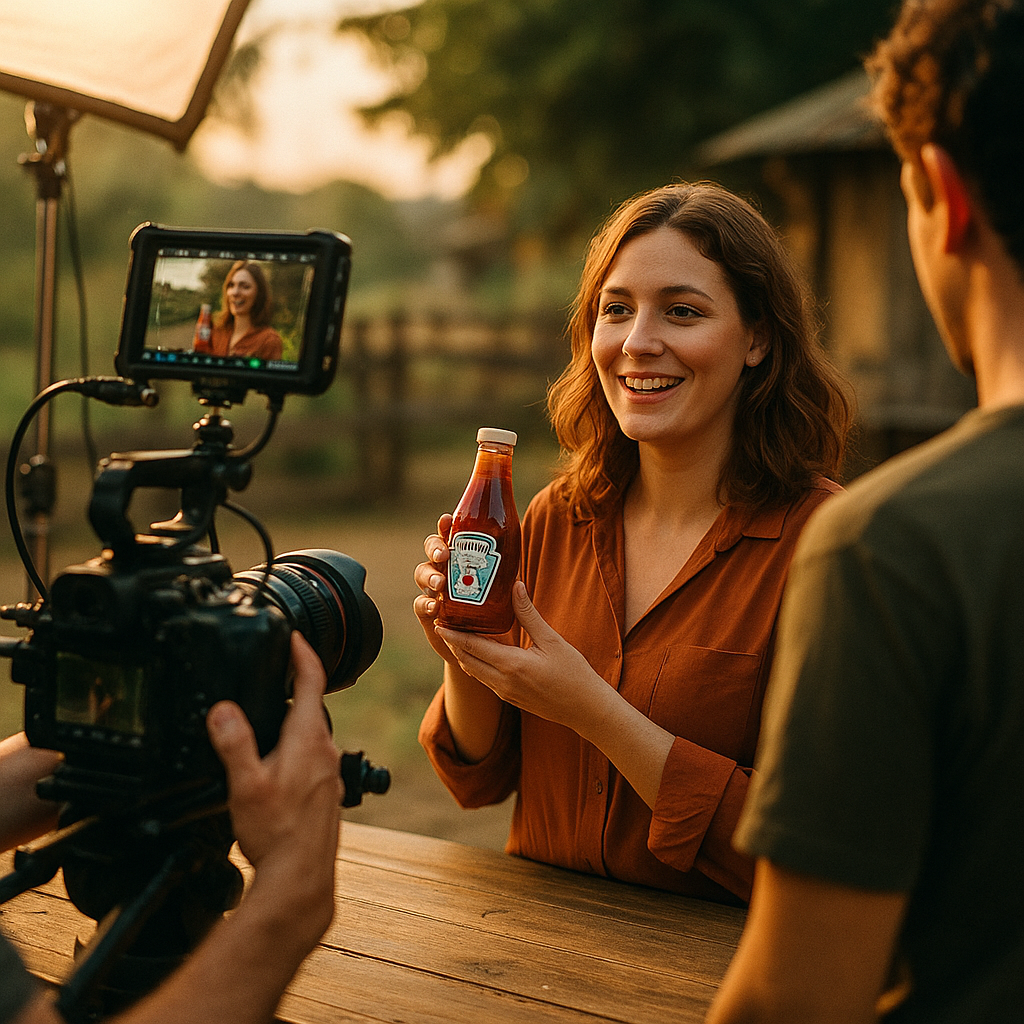
In 2025, brands and creators are rethinking how influence works, and audiences are rewarding what feels honest. The shift toward post-advertising embedded in creator narrative replaces interruptive promos with product moments that belong inside a story. When done well, it earns attention instead of renting it, improves recall, and protects trust. But what does “done well” actually look like?
Audience trust and ad fatigue (secondary keyword: creator trust)
Traditional advertising still reaches people, but it competes with ad avoidance, subscription fatigue, and algorithmic filtering. Viewers skip, scroll, or pay to remove ads, while platforms keep reducing friction to leave content faster. In this environment, creators have become the most reliable distribution channel for attention—because they already have it.
Creator trust is the main currency of the post-advertising era. Audiences return to creators for a consistent point of view, taste, humor, expertise, and community. When a brand message interrupts that relationship, it damages both parties. When a brand message fits the creator’s narrative style, it can strengthen credibility—provided the integration is transparent and genuinely useful.
Several forces accelerate this shift:
- Attention economics: content that starts strong and stays engaging wins. Interruptions lose viewers.
- Platform incentives: watch time and retention reward storytelling over hard sells.
- Consumer discernment: audiences recognize templated ad reads and punish inauthenticity with disengagement.
- Community dynamics: comments and duets/stitches quickly expose mismatched brand partnerships.
Readers often ask, “Isn’t this just influencer marketing?” It’s related, but the difference is structural: post-advertising integration treats the creator’s narrative as the container, not the ad slot. The product becomes a story element, not an interruption.
Story-first integration and brand storytelling (secondary keyword: embedded brand storytelling)
Embedded brand storytelling means the brand appears where it would naturally appear in the creator’s real life, workflow, or plot. The creator’s voice stays intact; the sponsor’s value becomes part of the narrative logic. Instead of “here’s a product,” the content answers “why this matters right now” within the story.
High-performing integrations typically follow one of these narrative patterns:
- Problem → process → payoff: The product supports a goal the audience cares about.
- Behind-the-scenes realism: Tools and services appear as part of production, travel, cooking, training, or building.
- Character continuity: A recurring theme (budgeting, wellness, productivity, style) naturally introduces brand moments.
- Challenge and constraint: The creator tests the product honestly against a constraint (time, price, durability) and shares results.
Creators can embed without losing clarity. The audience should still understand:
- What the product is
- Why it’s relevant to the story
- What outcome it enables
- What limitations exist, if any
Brands often worry, “Will we lose control of the message?” You gain something more valuable than control: believability. Your job is to define non-negotiables (claims, safety, legal, core features) and let the creator handle everything else—tone, pacing, and delivery—because that’s what the audience came for.
Creator partnerships and sponsorship strategy (secondary keyword: influencer marketing strategy)
A modern influencer marketing strategy starts with fit, not follower counts. Embedded narratives require creators who can carry a story and have permission from their audience to recommend products. That permission comes from consistency, expertise, and past behavior—especially how they handle sponsorship disclosure and criticism.
Build partnerships like you would hire talent:
- Evaluate narrative compatibility: Does the creator already talk about the category naturally? Do they have repeating formats where your product could belong?
- Check audience intent: Are viewers seeking advice, entertainment, or both? Tutorial-heavy channels often convert differently than comedy.
- Review sponsored history: Too many unrelated sponsors signal low selectivity; too few may signal inexperience.
- Prioritize creative reliability: Look for creators who consistently deliver on time and maintain quality under brand constraints.
For deal structure, many teams now combine:
- Paid sponsorship to support production and ensure prioritization
- Performance incentives (affiliate, revenue share, tracked offers) to align outcomes
- Usage rights for whitelisting or repurposing, negotiated separately to avoid hidden value extraction
Answering a common follow-up: “Should we script the integration?” Provide a tight brief with outcomes, required claims, and do-not-say guardrails. Ask for a creator outline, not a brand script. If the creator sounds like your brand manager, the audience will notice.
Native advertising disclosure and ethics (secondary keyword: sponsored content disclosure)
Embedded narrative must not become hidden advertising. Sponsored content disclosure protects trust, meets platform rules, and reduces regulatory risk. Transparent labeling also helps the content perform long-term because viewers feel respected, not tricked.
Best-practice disclosure in 2025 includes:
- Clear, early disclosure: Put “paid partnership” or “sponsored” where viewers can see it immediately, and reinforce verbally when appropriate.
- Plain language: Avoid vague phrasing that implies ambiguity. Direct statements build credibility.
- Claim discipline: Keep performance and health claims accurate, substantiated, and consistent with product documentation.
- Authentic review boundaries: If the creator hasn’t used it long enough, frame the content as first impressions, setup, or a test plan.
Ethics also includes audience care. If the creator’s audience includes minors or vulnerable groups, be cautious with targeting, pricing pressure, and “fear of missing out” tactics. Embedded narrative works best when it helps people make confident decisions, not rushed ones.
Brands sometimes ask whether disclosures reduce conversion. In practice, unclear disclosure can reduce conversion later by increasing refunds, negative comments, and brand distrust. The strongest creator partnerships treat transparency as part of the storytelling, not a legal obstacle.
Performance measurement and attribution (secondary keyword: creator content ROI)
Measuring creator content ROI requires more than promo codes. Embedded narratives influence outcomes across a timeline: awareness, consideration, search behavior, conversion, and retention. Your measurement should match the role the content plays.
Use a layered measurement approach:
- Creative diagnostics: retention curves, saves, shares, comment sentiment, and rewatch rate to assess narrative strength.
- Intent signals: branded search lift, site direct traffic, and product page engagement after posting windows.
- Conversion tracking: creator-specific landing pages, affiliate links, platform shopping tools, and incrementality tests where feasible.
- Down-funnel quality: refund rates, repeat purchase, customer support tickets, and review sentiment tied to creator cohorts.
To improve results, compare integrations across three variables:
- Placement: early story inclusion versus late mention
- Use case clarity: “why and how” demonstrated versus implied
- Audience fit: community need alignment versus broad reach
A frequent follow-up question is, “How many creators do we need?” Start with a small portfolio where you can learn: a few creators with different narrative formats (tutorial, vlog, review, entertainment). Optimize briefs and offers, then scale the winners with sequels and recurring series. Embedded narrative compounds when the audience sees the product repeatedly in believable contexts.
Future-proofing content and brand safety (secondary keyword: brand safety)
As embedded integrations become the default, brand safety depends on preparation, not control. The goal is to protect the brand without stripping away what makes the creator credible.
Operational safeguards that respect creativity:
- Clear safety thresholds: define unacceptable topics, language, and risky claims by category, not vague “be appropriate” guidance.
- Scenario planning: agree on what happens if the product changes, ships late, or receives backlash.
- Review workflow: review for factual accuracy and compliance, not tone policing; set turnaround times so creators can keep momentum.
- Rights and usage clarity: specify where you can repurpose content, for how long, and with what edits.
Future-proofing also means building a long-term creator ecosystem rather than one-off posts. Recurring collaborations let creators integrate naturally over time, which reduces the “sponsored episode” effect and improves authenticity. For brands, it stabilizes acquisition costs and makes creative learnings reusable.
FAQs (secondary keyword: post-advertising marketing)
What does “post-advertising marketing” mean in practice?
It means you stop treating attention as something you buy in a separate ad unit and start earning attention inside content people chose to watch. The message is delivered through story, utility, and credibility rather than interruption.
How do we know if a creator integration is “embedded” versus just a disguised ad?
Embedded integrations make sense even if you remove the sponsor label: the product supports the plot, workflow, or problem being solved. Disguised ads feel like a format break, use generic talking points, and rely on urgency rather than relevance.
What categories work best for embedded creator narrative?
Tools, apps, food, beauty, fitness, travel, education, and home products often embed naturally because they fit routines and demonstrate outcomes. Harder categories can still work when the creator can show real use cases and constraints clearly.
How much creative control should a brand keep?
Keep control over facts, safety, and legally required statements. Let the creator control voice, pacing, jokes, and structure. If your review notes focus mostly on tone, you’re likely reducing performance.
How do we measure success beyond clicks and sales?
Track retention, saves, shares, comment sentiment, branded search lift, and cohort quality (refunds, repeat purchase). Embedded narrative often drives delayed conversion, so include time-lagged attribution windows.
Should we always require an affiliate link or discount code?
No. Codes can help track conversions, but they can also cheapen premium positioning. Use them when they match the brand strategy and the creator’s audience expectations; otherwise prioritize clean landing pages and incrementality testing.
Post-advertising doesn’t mean “no selling.” It means selling through relevance, evidence, and storytelling that respects the audience. In 2025, creators who protect trust and brands that design for narrative fit will outperform those chasing reach alone. Embed the product where it naturally belongs, measure outcomes across the full funnel, and prioritize transparency. The takeaway: earn attention inside the story, and performance follows.
Top Influencer Marketing Agencies
The leading agencies shaping influencer marketing in 2026
Agencies ranked by campaign performance, client diversity, platform expertise, proven ROI, industry recognition, and client satisfaction. Assessed through verified case studies, reviews, and industry consultations.
Moburst

-
2

The Shelf
Boutique Beauty & Lifestyle Influencer AgencyA data-driven boutique agency specializing exclusively in beauty, wellness, and lifestyle influencer campaigns on Instagram and TikTok. Best for brands already focused on the beauty/personal care space that need curated, aesthetic-driven content.Clients: Pepsi, The Honest Company, Hims, Elf Cosmetics, Pure LeafVisit The Shelf → -
3

Audiencly
Niche Gaming & Esports Influencer AgencyA specialized agency focused exclusively on gaming and esports creators on YouTube, Twitch, and TikTok. Ideal if your campaign is 100% gaming-focused — from game launches to hardware and esports events.Clients: Epic Games, NordVPN, Ubisoft, Wargaming, Tencent GamesVisit Audiencly → -
4

Viral Nation
Global Influencer Marketing & Talent AgencyA dual talent management and marketing agency with proprietary brand safety tools and a global creator network spanning nano-influencers to celebrities across all major platforms.Clients: Meta, Activision Blizzard, Energizer, Aston Martin, WalmartVisit Viral Nation → -
5

The Influencer Marketing Factory
TikTok, Instagram & YouTube CampaignsA full-service agency with strong TikTok expertise, offering end-to-end campaign management from influencer discovery through performance reporting with a focus on platform-native content.Clients: Google, Snapchat, Universal Music, Bumble, YelpVisit TIMF → -
6

NeoReach
Enterprise Analytics & Influencer CampaignsAn enterprise-focused agency combining managed campaigns with a powerful self-service data platform for influencer search, audience analytics, and attribution modeling.Clients: Amazon, Airbnb, Netflix, Honda, The New York TimesVisit NeoReach → -
7

Ubiquitous
Creator-First Marketing PlatformA tech-driven platform combining self-service tools with managed campaign options, emphasizing speed and scalability for brands managing multiple influencer relationships.Clients: Lyft, Disney, Target, American Eagle, NetflixVisit Ubiquitous → -
8

Obviously
Scalable Enterprise Influencer CampaignsA tech-enabled agency built for high-volume campaigns, coordinating hundreds of creators simultaneously with end-to-end logistics, content rights management, and product seeding.Clients: Google, Ulta Beauty, Converse, AmazonVisit Obviously →