


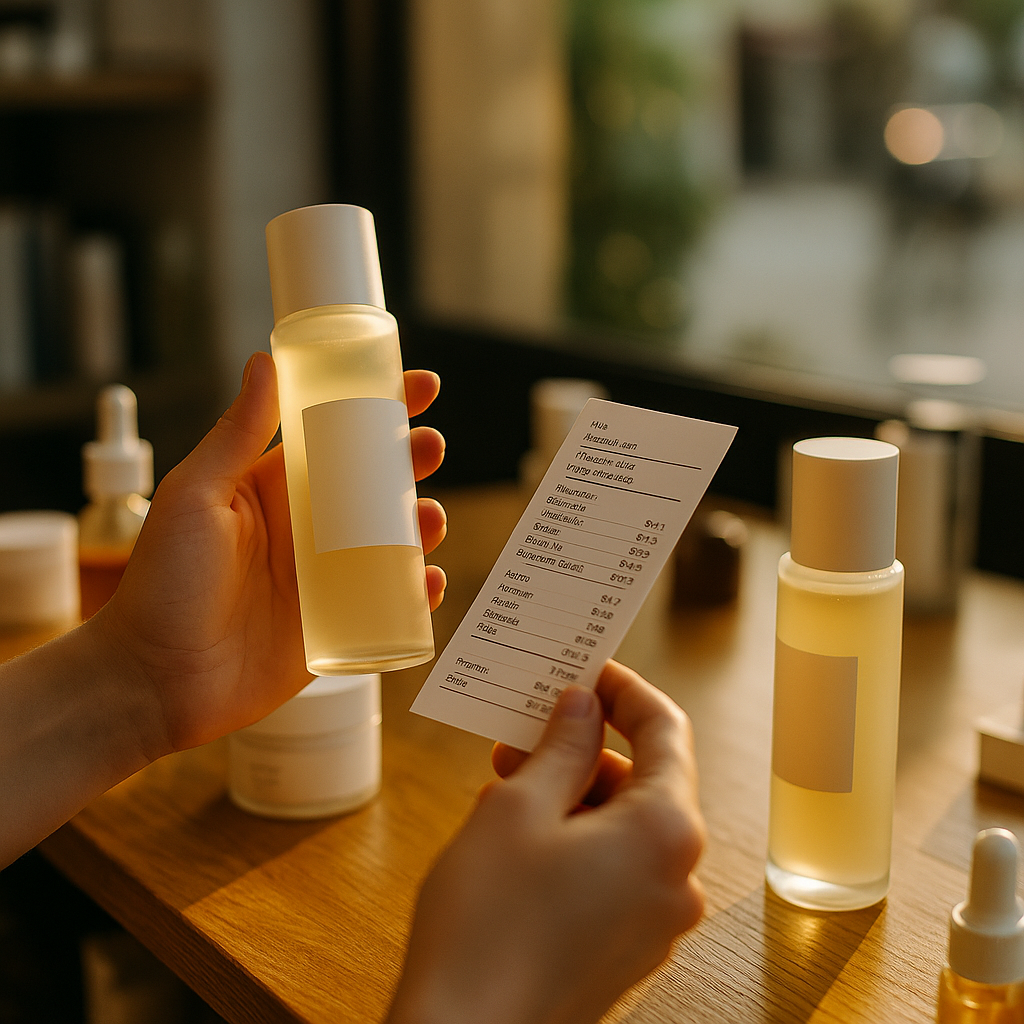
In 2025, shoppers are demanding proof, not promises, and beauty is no exception. This case study explores how one mid-sized skincare label used radical price transparency to grow trust, lift conversion, and reduce discount dependence without sacrificing margin. You’ll see the exact pricing framework, messaging, and operational changes that made it work—and the surprises that came with it.
Radical price transparency in beauty: what it means and why it works
Radical price transparency goes beyond “fair pricing” claims. It publishes the real building blocks of a product’s price—ingredients, packaging, manufacturing, freight, duties, warehousing, marketing, payment processing, returns, and overhead—then shows how much profit remains. In beauty, where perceived value and skepticism often collide, this approach can act as a credibility shortcut.
Our subject is a direct-to-consumer (DTC) skincare brand selling three hero products: a cleanser, a vitamin C serum, and a barrier cream. The company had stable repeat purchase but slower new-customer growth and rising paid media costs. Leadership suspected that shoppers hesitated because the brand looked like “another premium label” without a clear reason for its price.
The brand chose radical transparency for two strategic reasons:
- Trust signaling: Clear cost breakdowns counter assumptions of inflated margins.
- Value education: Ingredient quality, testing, and manufacturing standards become legible instead of implied.
That decision set a high bar: once you open the pricing book, your operations, sourcing, and claims must hold up. The rest of this case study shows how the brand met that bar.
Beauty pricing strategy: the brand’s baseline and the friction it faced
Before the transparency launch, the brand used a common beauty pricing strategy: position products as “clinical-grade,” keep the story centered on results, and rely on seasonal promotions to compete. Average order value was healthy, but two issues limited scale:
- New-customer hesitation: User testing and customer service tickets showed the same pattern: “Why does this cost more than similar-looking serums?”
- Promotion creep: When the brand discounted, conversion improved, but full-price conversion softened afterward, and customers began waiting for deals.
Internally, the team also had a clarity problem. Finance, marketing, and product teams used different definitions of “cost.” Marketing talked about product cost and margin; operations tracked landed cost; finance tracked fully loaded contribution margin. That made it hard to communicate confidently with shoppers and to make consistent pricing decisions.
So the transparency project began with a non-negotiable: one shared, auditable cost model that could survive scrutiny from customers, influencers, and competitors.
Price breakdown page: how they built credibility with numbers
The cornerstone asset was a dedicated price breakdown page for each hero product, linked from product detail pages and checkout. The brand treated it like a product feature, not a blog post. Each page included:
- Unit economics table: A per-unit breakdown of direct costs (formula ingredients, packaging components, manufacturing, quality testing) and indirect costs (freight, duties, fulfillment, payment fees, customer support, returns allowance).
- Overhead allocation method: A brief explanation of how general overhead was allocated (for example, a percentage of net revenue based on trailing three-month averages).
- Profit line item: A clearly labeled profit amount, plus a short statement on how profit funds R&D, stability testing, and customer service.
- Assumption notes: Ranges for costs that fluctuate (freight, commodity inputs) and when the breakdown was last updated.
The brand avoided two common mistakes that sink transparency efforts:
- Hiding the “unsexy” costs: They included returns, damaged inventory, and payment processing rather than pretending they don’t exist.
- Using vague percentages: Wherever possible, they used dollar amounts per unit. When using percentages, they explained the calculation.
To increase trust, the brand added lightweight verification signals without over-claiming. For example, they described third-party lab testing, manufacturing certifications, and supplier standards, and they documented them in a public “quality standards” section. This supported EEAT by demonstrating real operational competence and accountability rather than relying on marketing language.
To answer the follow-up question shoppers ask instantly—“Is this just a PR tactic?”—the brand committed to quarterly updates and kept an archive of changes. When freight costs eased, they updated the page and explained why the consumer price did not immediately drop, citing inventory already produced at older costs and the need to keep pricing stable to avoid constant swings.
DTC skincare marketing: messaging that converts without sounding defensive
Publishing numbers is only half the work; explaining them is what moves conversion. The brand reworked its DTC skincare marketing to lead with outcomes and then use transparency to remove doubt.
The messaging framework looked like this:
- Lead with the result: What the product helps with (tone, texture, barrier support) and for whom.
- Prove the “how”: Formula choices, concentrations where appropriate, stability and compatibility considerations, and testing.
- Explain the price: Cost breakdown, what drives cost, and what the brand refuses to compromise on (packaging integrity, preservative system, testing cadence).
Instead of apologizing for price, the brand used confident, plain language: “Here’s what it costs to make and deliver this serum safely and consistently.” That tone matters. Shoppers can smell defensiveness, and defensiveness reads like hiding.
They also anticipated two objections:
- “Your profit is too high.” The page explained that profit must cover failed batches, product development, compliance work, and the cost of holding inventory. They also published a customer service promise and an expanded refund policy to show they were investing in the customer experience.
- “Your costs look padded.” The brand gave specific examples, such as why airless pumps cost more but reduce oxidation and waste, and how stability testing prevents formula degradation that can trigger returns or irritation.
Channel execution followed the same logic. Paid social ads teased a single line—“See exactly where your money goes”—and drove to the breakdown page, not directly to checkout. Email flows for first-time visitors included a “How pricing works here” message within the welcome series. Influencer partners received a one-page briefing on the cost model to keep their content accurate and consistent.
As a result, the brand didn’t just gain attention; it gained qualified attention—people who cared about value, safety, and integrity, not just the cheapest option.
Consumer trust in cosmetics: results, trade-offs, and what improved most
The brand tracked performance across three layers: on-site behavior, customer sentiment, and unit economics. While the company did not publish every metric publicly, it shared a summary of directional impact and the internal measures used to judge success.
What improved most:
- Conversion quality: Customers who visited a price breakdown page converted at a higher rate than those who didn’t, and they showed higher repeat purchase rates in subsequent cohorts. The team attributed this to better expectation-setting and fewer “price surprise” drop-offs.
- Lower discount dependency: The brand reduced the depth and frequency of promotions without losing overall revenue, because more shoppers accepted full price when they understood the cost structure.
- Customer support efficiency: Pre-purchase tickets about pricing decreased. Agents used the breakdown page as a single source of truth, reducing back-and-forth and improving response time.
What got harder:
- Competitor comparison became simpler: Some competitors used the brand’s transparency to frame their own prices as “better deals,” even when formulas were not comparable. The brand responded by emphasizing total value: testing, packaging performance, customer support, and return policy.
- Cost volatility became visible: When raw material prices shifted, the brand had to decide whether to adjust retail price, compress margin, or update the breakdown to show a temporary change. They chose stability: fewer price changes, more explanation.
- Internal discipline increased: Every operational inefficiency now risked becoming a public line item. That pressure was uncomfortable but ultimately beneficial.
The biggest trust win came from consistency. The brand didn’t use transparency only during a campaign; it became part of the shopping experience. That steadiness strengthened consumer trust in cosmetics because customers could verify that the brand’s values were reflected in its numbers and policies.
Transparent pricing model: how to replicate the approach (without copying the brand)
If you want to adopt a transparent pricing model, the key is to make it accurate, understandable, and maintainable. Here is the playbook the brand used, translated into steps you can follow:
- Build a single cost model: Define landed cost, fulfillment cost, variable selling costs, and an overhead allocation method. Align finance, operations, and marketing on definitions.
- Start with hero SKUs: Publish breakdowns for your top one to three products first. You will learn faster and reduce the burden of maintaining dozens of pages.
- Show the full journey to the customer: Include packaging, freight, duties, warehousing, pick/pack, payment fees, returns allowance, and customer support.
- Label profit clearly: Avoid euphemisms. Explain what profit funds and why a healthy margin keeps quality stable.
- Document assumptions: Add “last updated” dates, ranges for volatile costs, and a note about batch-to-batch variation.
- Pair transparency with proof: Publish quality standards, testing practices, and compliance steps. Transparency without competence reads as theater.
- Train your team: Customer support, retail partners (if any), and creators should all have the same briefing so they don’t contradict the published model.
Two practical cautions:
- Don’t oversimplify regulated claims: If you discuss concentrations, testing, or safety, keep language precise and consistent with regulatory guidance for your market.
- Don’t expose sensitive supplier details: You can be transparent without disclosing vendor names or proprietary formulations.
Done well, transparency becomes a competitive moat. Not because the numbers are magic, but because the organization becomes sharper: fewer arbitrary discounts, better cost control, and stronger brand credibility.
FAQs
-
What is radical price transparency in the beauty industry?
It is the practice of publicly sharing a detailed breakdown of what it costs to produce and deliver a beauty product, including direct costs (ingredients, packaging, manufacturing) and indirect costs (freight, fulfillment, fees, returns, overhead), plus the profit remaining.
-
Will transparent pricing force a brand to lower prices?
Not necessarily. It often reduces pressure to discount because shoppers understand what they are paying for. However, it does require that pricing remains defensible and that cost inflation or margin changes are explained clearly.
-
How detailed should a price breakdown be without giving away trade secrets?
Detailed enough to show credible categories and per-unit amounts, but not so granular that it reveals supplier identities or exact formulation IP. Many brands share ingredient and packaging totals rather than naming every vendor or component source.
-
Does price transparency improve conversion for DTC skincare?
It can, especially for first-time customers who need a reason to trust an unfamiliar brand. The biggest lift typically comes from reducing hesitation and increasing confidence at key decision points like the product page and checkout.
-
What if customers argue that the profit is too high?
Answer directly. Explain what profit funds (R&D, compliance, stability testing, customer service, inventory risk) and back it up with policies that show reinvestment, such as strong guarantees, responsive support, and consistent product quality.
-
How often should a brand update transparency pages?
Quarterly updates work well for most brands because costs fluctuate, but customers also want stable pricing. Update sooner if there is a major change in packaging, manufacturing location, shipping method, or retail price.
Radical transparency worked for this beauty brand because it paired hard numbers with operational discipline, clear messaging, and proof of quality. By publishing a cost model customers could understand, the brand improved trust, strengthened full-price conversion, and reduced reliance on constant promotions. The takeaway for 2025: transparency isn’t a campaign—it’s a system that rewards brands willing to be accountable.
Top Influencer Marketing Agencies
The leading agencies shaping influencer marketing in 2026
Agencies ranked by campaign performance, client diversity, platform expertise, proven ROI, industry recognition, and client satisfaction. Assessed through verified case studies, reviews, and industry consultations.
Moburst

-
2

The Shelf
Boutique Beauty & Lifestyle Influencer AgencyA data-driven boutique agency specializing exclusively in beauty, wellness, and lifestyle influencer campaigns on Instagram and TikTok. Best for brands already focused on the beauty/personal care space that need curated, aesthetic-driven content.Clients: Pepsi, The Honest Company, Hims, Elf Cosmetics, Pure LeafVisit The Shelf → -
3

Audiencly
Niche Gaming & Esports Influencer AgencyA specialized agency focused exclusively on gaming and esports creators on YouTube, Twitch, and TikTok. Ideal if your campaign is 100% gaming-focused — from game launches to hardware and esports events.Clients: Epic Games, NordVPN, Ubisoft, Wargaming, Tencent GamesVisit Audiencly → -
4

Viral Nation
Global Influencer Marketing & Talent AgencyA dual talent management and marketing agency with proprietary brand safety tools and a global creator network spanning nano-influencers to celebrities across all major platforms.Clients: Meta, Activision Blizzard, Energizer, Aston Martin, WalmartVisit Viral Nation → -
5

The Influencer Marketing Factory
TikTok, Instagram & YouTube CampaignsA full-service agency with strong TikTok expertise, offering end-to-end campaign management from influencer discovery through performance reporting with a focus on platform-native content.Clients: Google, Snapchat, Universal Music, Bumble, YelpVisit TIMF → -
6

NeoReach
Enterprise Analytics & Influencer CampaignsAn enterprise-focused agency combining managed campaigns with a powerful self-service data platform for influencer search, audience analytics, and attribution modeling.Clients: Amazon, Airbnb, Netflix, Honda, The New York TimesVisit NeoReach → -
7

Ubiquitous
Creator-First Marketing PlatformA tech-driven platform combining self-service tools with managed campaign options, emphasizing speed and scalability for brands managing multiple influencer relationships.Clients: Lyft, Disney, Target, American Eagle, NetflixVisit Ubiquitous → -
8

Obviously
Scalable Enterprise Influencer CampaignsA tech-enabled agency built for high-volume campaigns, coordinating hundreds of creators simultaneously with end-to-end logistics, content rights management, and product seeding.Clients: Google, Ulta Beauty, Converse, AmazonVisit Obviously →