


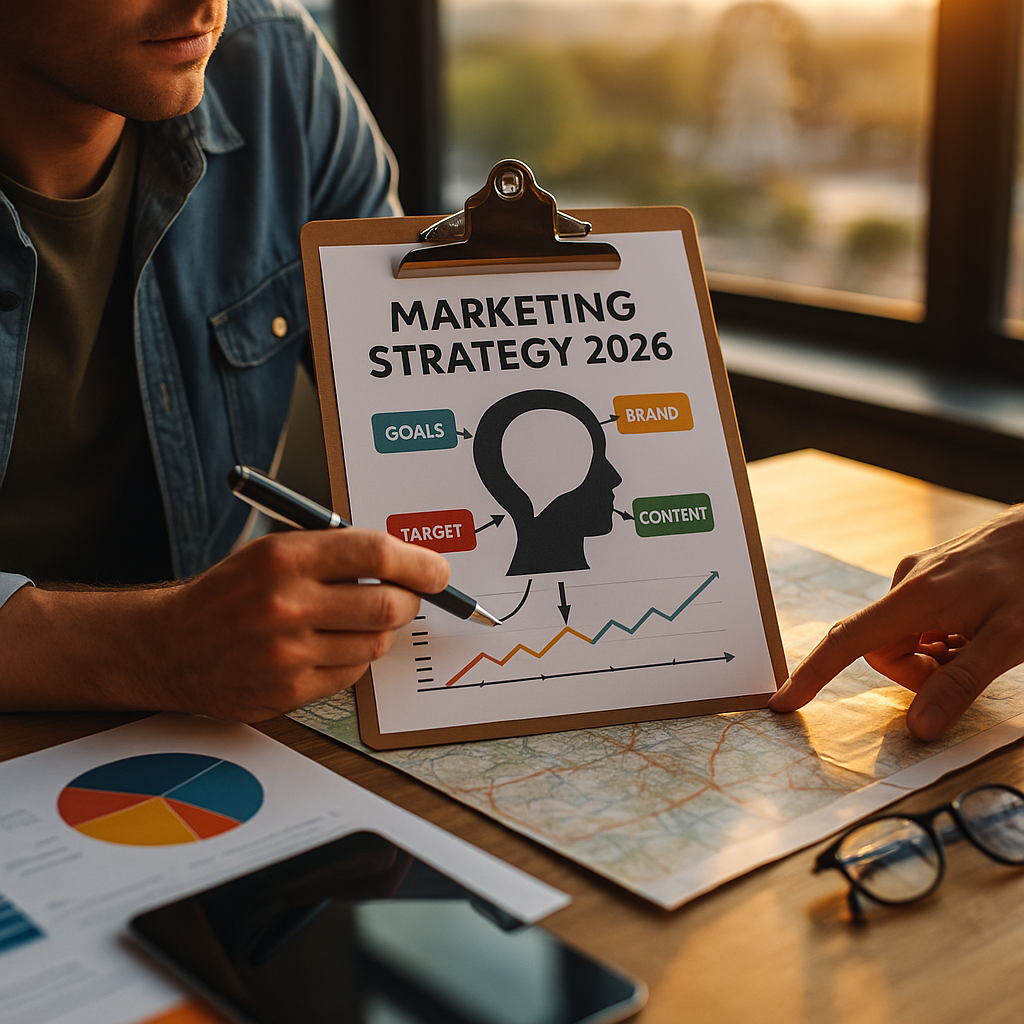
The Witherwill Phenomenon is reshaping how brands earn attention from consumers who feel mentally overloaded, financially cautious, and emotionally tired. In 2026, burnout is no longer a workplace issue alone; it influences search behavior, purchase timing, loyalty, and trust. Marketers who still push urgency and volume will lose relevance fast. So what actually works now?
Burned out consumer behavior: what defines the Witherwill mindset
The burned out consumer is not simply spending less or scrolling less. This audience is making more selective decisions because daily life feels crowded with demands, alerts, subscriptions, price changes, and competing responsibilities. The Witherwill mindset describes a form of decision fatigue in which people still want solutions, entertainment, and convenience, but they resist anything that feels manipulative, noisy, or mentally expensive.
For marketers, this means classic attention tactics often backfire. Constant retargeting, exaggerated scarcity, endless email sequences, and inflated promises can trigger avoidance rather than action. Consumers in this state are not impossible to reach. They just use stronger filters.
Several signals define this behavior:
- Lower tolerance for friction: If the path to value is unclear, they leave.
- Higher trust thresholds: They want proof, transparency, and consistency.
- Preference for emotional safety: Messaging that reduces uncertainty performs better than messaging that creates pressure.
- Selective engagement: They may engage deeply with fewer brands rather than casually with many.
- Utility-first expectations: They reward content and products that solve a real problem quickly.
This shift affects every stage of the funnel. Awareness now depends on respect. Consideration depends on clarity. Conversion depends on ease. Retention depends on whether the brand continues reducing stress after the sale.
That is where EEAT matters. Helpful content built on real experience, demonstrated expertise, credible evidence, and clear trust signals aligns naturally with what burned out audiences need. When people feel depleted, they do not want more persuasion. They want confidence that they are making a smart, low-risk choice.
Consumer trust marketing: why credibility beats persuasion
In a high-stress environment, trust is not a brand value statement. It is a usability feature. Burned out consumers have less energy to investigate claims, compare every option, or recover from bad purchases. As a result, they rely on brands that make credibility obvious.
That starts with saying less and proving more. Product pages should answer practical questions directly: What does this do? Who is it for? What problem does it solve? What does it cost in total? What happens if it does not work for me? The simpler the answers, the stronger the trust signal.
Brands should build consumer trust marketing around visible proof points:
- Specific claims: Replace vague language like “industry-leading” with measurable outcomes or documented customer results.
- Transparent pricing: Hidden fees and unclear tiers create abandonment.
- Recent reviews and testimonials: Fresh, relevant social proof helps depleted buyers decide faster.
- Accessible support information: Make returns, shipping, onboarding, and help channels easy to find.
- Author and brand credibility: Show who created the content, what expertise they have, and why the recommendation is reliable.
Marketers often ask whether emotionally drained consumers still respond to aspiration. The answer is yes, but only when aspiration feels achievable. Messaging should move from “transform your life instantly” to “make this part of your day easier.” The second promise feels credible. The first often sounds expensive, exhausting, or false.
Trust also depends on channel discipline. If your ad promises simplicity but your landing page is crowded, the experience collapses. If your support tone is warm but your policies are punitive, loyalty erodes. Burned out consumers are highly sensitive to mismatch because they are trying to conserve cognitive energy. Every inconsistency creates work for them.
Low-friction customer experience: reducing cognitive load at every touchpoint
The most effective response to burnout is not louder creative. It is a low-friction customer experience. Cognitive load is now a core marketing metric because the easiest brand to understand often becomes the easiest brand to buy from.
Reducing cognitive load means simplifying the full journey, not just the checkout. Start by mapping where customers hesitate, repeat steps, or abandon decisions. Those moments usually reveal unnecessary complexity.
Focus on these practical improvements:
- Tighten navigation: Use plain labels, predictable menus, and fewer competing calls to action.
- Clarify value fast: Above-the-fold messaging should explain the offer in seconds.
- Shorten forms: Ask only for information you truly need.
- Design for mobile-first ease: Burned out consumers often browse in fragmented moments. Fast, clean mobile experiences matter.
- Use supportive microcopy: Explain what happens next, how long it takes, and what the user can expect.
- Offer decision shortcuts: Comparison charts, best-fit recommendations, FAQs, and concise summaries reduce effort.
Friction reduction should continue after purchase. Shipping updates, onboarding emails, account setup, subscription controls, and customer service workflows all influence how stressful or effortless the brand feels. A campaign can generate demand, but only the experience can confirm whether the brand respects the customer’s limited attention.
This is also where accessibility matters. Clear typography, readable contrast, descriptive buttons, captions, and simple page structures improve usability for everyone. Helpful content is not just authoritative; it is easy to consume under real-world conditions, including fatigue, distraction, and mobile use.
If you want a quick test, ask one question: Does this interaction make the customer think harder than necessary? If the answer is yes, optimize before scaling media spend.
Empathy-driven branding: the right tone for emotional fatigue
Burned out audiences still want brands with personality. They just do not want to be emotionally overhandled. Empathy-driven branding succeeds when it acknowledges reality without becoming heavy, sentimental, or performative.
The right tone is grounded, calm, and useful. It respects the customer’s state without trying to diagnose it. Instead of dramatizing stress, it offers relief through precision. That means fewer exclamation points, fewer inflated benefits, and more direct language.
Here is what that looks like in practice:
- Lead with relief: “Get set up in minutes” is stronger than “Revolutionize your workflow today.”
- Normalize caution: “Try it, compare options, cancel anytime” reduces pressure.
- Use emotionally stable design: Clean layouts and restrained visuals often outperform cluttered, high-stimulation creative.
- Show situational understanding: Address real-life use cases, constraints, and tradeoffs honestly.
- Keep brand promises modest and credible: Understatement can increase conversions when trust is fragile.
Some brands worry that a calmer tone will weaken performance. In reality, emotional intensity is not the same as persuasive strength. Burned out consumers often reward brands that feel composed because composure signals confidence. If a brand appears desperate for attention, consumers assume the product may be too.
Empathy also changes content strategy. Educational articles, guides, product explainers, and support resources should answer obvious follow-up questions before the reader has to search again. That is a core EEAT principle: create content that demonstrates real expertise and genuinely helps users complete a task or make a decision.
When possible, include firsthand insights from customer service teams, product specialists, or practitioners who understand the problem deeply. This strengthens experience and expertise signals while producing more useful content than generic trend summaries.
Retention strategy 2027: loyalty in an era of emotional scarcity
A strong retention strategy 2027 recognizes that loyalty is no longer built mainly through points, discounts, or frequency. It is built through emotional efficiency. Consumers stay with brands that reduce uncertainty, save time, and consistently feel easy to deal with.
This changes how marketers should think about lifecycle communication. Instead of sending more messages to increase touchpoints, send fewer messages with clearer purpose. Every email, push notification, or SMS should justify its existence. Relevance is now part of the customer experience, not just the media strategy.
Retention improves when brands do the following well:
- Set expectations clearly: Explain billing cycles, delivery timing, and feature access upfront.
- Make account control easy: Let users pause, edit, downgrade, or cancel without friction.
- Personalize with restraint: Use data to increase relevance, not to create a sense of surveillance.
- Reward confidence, not only spend: Helpful check-ins, onboarding nudges, and milestone tips can be more effective than constant promotions.
- Resolve problems fast: Speed and fairness in support interactions strongly influence repeat behavior.
Burned out customers often reassess every recurring commitment, especially subscriptions. If your value is not visible and your exit path feels difficult, churn becomes a rational act of self-protection. On the other hand, if your brand repeatedly saves effort and feels transparent, customers are more likely to stay even in competitive categories.
Loyalty programs should evolve too. The best programs now lower effort or increase certainty. Early access to support, simplified reordering, practical educational content, and personalized recommendations can outperform generic reward mechanics because they solve an immediate problem.
Digital marketing strategy 2026: how brands should adapt now
An effective digital marketing strategy 2026 for the Witherwill audience must align messaging, media, content, and experience around one goal: making decisions easier. This requires more than a campaign refresh. It requires operational honesty about what customers can handle.
Start with research. Look at search queries, site search terms, customer support tickets, reviews, and session recordings. These sources reveal what exhausted consumers are trying to understand and where your brand creates unnecessary work. Build content around those needs first.
Then adjust execution across channels:
- SEO: Create concise, authoritative pages that answer high-intent questions directly. Use expert contributors and keep content updated.
- Paid media: Test lower-pressure creative, clearer offers, and more realistic value propositions.
- Email and CRM: Reduce send volume where possible and improve segmentation based on actual need states.
- Social content: Prioritize clarity, practical value, and authenticity over constant trend participation.
- Landing pages: Match message to page exactly, remove distractions, and guide the next step with confidence.
Measurement should evolve as well. Do not focus only on click-through rate or top-line reach. Track indicators that reflect reduced friction and stronger trust, such as form completion, return visitor conversion, customer support resolution speed, cancellation reasons, and content engagement depth. These metrics provide a clearer view of whether your marketing is helping or tiring the audience.
The competitive advantage here is straightforward. Brands that conserve customer energy will outperform brands that consume it. In a market shaped by fatigue, usefulness becomes memorable, clarity becomes persuasive, and trust becomes scalable.
FAQs about marketing to the burned out consumer
What is the Witherwill Phenomenon?
It describes a consumer mindset shaped by mental fatigue, financial caution, and reduced tolerance for friction. People still buy, but they avoid brands and experiences that feel overwhelming, manipulative, or unnecessarily complex.
How do burned out consumers make purchase decisions?
They look for lower-risk, easier choices. Clear product information, visible reviews, simple pricing, easy navigation, and flexible policies help them decide faster. Trust and ease matter more than hype.
Does urgency marketing still work with fatigued audiences?
Sometimes, but less reliably. Real deadlines and genuine limited availability can work. Artificial countdowns, constant scarcity, and aggressive retargeting often create resistance and reduce trust.
What kind of content performs best for burned out consumers?
Content that is concise, useful, credible, and easy to scan. Buyers guides, comparison pages, FAQs, pricing explainers, how-to articles, and product pages that answer follow-up questions tend to perform well.
How can brands show EEAT in this space?
Use expert authors or qualified reviewers, cite recent evidence where appropriate, show real customer outcomes, keep content current, and make brand policies transparent. Most importantly, create content that solves the user’s actual problem.
Is personalization helpful or intrusive for this audience?
It is helpful when it saves time or improves relevance. It becomes intrusive when it feels excessive, overly familiar, or based on too much tracking. Use personalization with restraint and clear customer benefit.
What is the biggest mistake brands make with burned out consumers?
Adding more pressure when customers need more clarity. Many brands respond to lower engagement by increasing message volume, urgency, and complexity, which usually makes performance worse.
How should retention change for the Witherwill audience?
Retention should focus on reducing effort after the sale. Clear onboarding, easy subscription management, proactive support, and communications that are relevant instead of frequent are the most effective moves.
The Witherwill mindset demands a simpler, more credible approach to marketing. Burned out consumers are not disengaged from commerce; they are disengaged from friction, noise, and pressure. Brands that win in 2026 will reduce cognitive load, communicate with calm authority, and prove value quickly. The clearest takeaway is simple: make buying and staying feel easier, not harder.
Top Influencer Marketing Agencies
The leading agencies shaping influencer marketing in 2026
Agencies ranked by campaign performance, client diversity, platform expertise, proven ROI, industry recognition, and client satisfaction. Assessed through verified case studies, reviews, and industry consultations.
Moburst

-
2

The Shelf
Boutique Beauty & Lifestyle Influencer AgencyA data-driven boutique agency specializing exclusively in beauty, wellness, and lifestyle influencer campaigns on Instagram and TikTok. Best for brands already focused on the beauty/personal care space that need curated, aesthetic-driven content.Clients: Pepsi, The Honest Company, Hims, Elf Cosmetics, Pure LeafVisit The Shelf → -
3

Audiencly
Niche Gaming & Esports Influencer AgencyA specialized agency focused exclusively on gaming and esports creators on YouTube, Twitch, and TikTok. Ideal if your campaign is 100% gaming-focused — from game launches to hardware and esports events.Clients: Epic Games, NordVPN, Ubisoft, Wargaming, Tencent GamesVisit Audiencly → -
4

Viral Nation
Global Influencer Marketing & Talent AgencyA dual talent management and marketing agency with proprietary brand safety tools and a global creator network spanning nano-influencers to celebrities across all major platforms.Clients: Meta, Activision Blizzard, Energizer, Aston Martin, WalmartVisit Viral Nation → -
5

The Influencer Marketing Factory
TikTok, Instagram & YouTube CampaignsA full-service agency with strong TikTok expertise, offering end-to-end campaign management from influencer discovery through performance reporting with a focus on platform-native content.Clients: Google, Snapchat, Universal Music, Bumble, YelpVisit TIMF → -
6

NeoReach
Enterprise Analytics & Influencer CampaignsAn enterprise-focused agency combining managed campaigns with a powerful self-service data platform for influencer search, audience analytics, and attribution modeling.Clients: Amazon, Airbnb, Netflix, Honda, The New York TimesVisit NeoReach → -
7

Ubiquitous
Creator-First Marketing PlatformA tech-driven platform combining self-service tools with managed campaign options, emphasizing speed and scalability for brands managing multiple influencer relationships.Clients: Lyft, Disney, Target, American Eagle, NetflixVisit Ubiquitous → -
8

Obviously
Scalable Enterprise Influencer CampaignsA tech-enabled agency built for high-volume campaigns, coordinating hundreds of creators simultaneously with end-to-end logistics, content rights management, and product seeding.Clients: Google, Ulta Beauty, Converse, AmazonVisit Obviously →